USB C Repair: A Comprehensive Guide to Restoring Functionality
In this comprehensive guide, we'll walk you through the step-by-step process of restoring functionality to a damaged or malfunctioning USB-C port. Whether you're looking to repair a faulty port on your laptop or tablet, or simply want to troubleshoot common USB-C issues, this guide has got you covered.
Preliminary Steps: Identifying the Issue
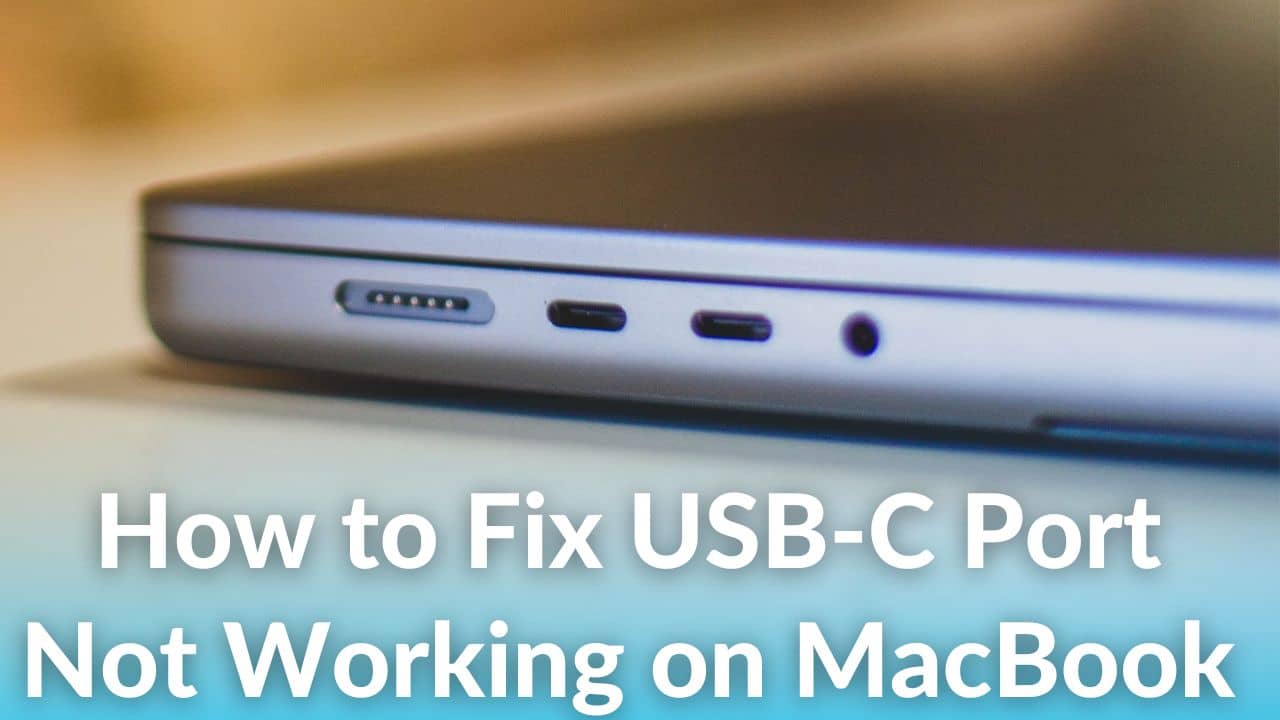
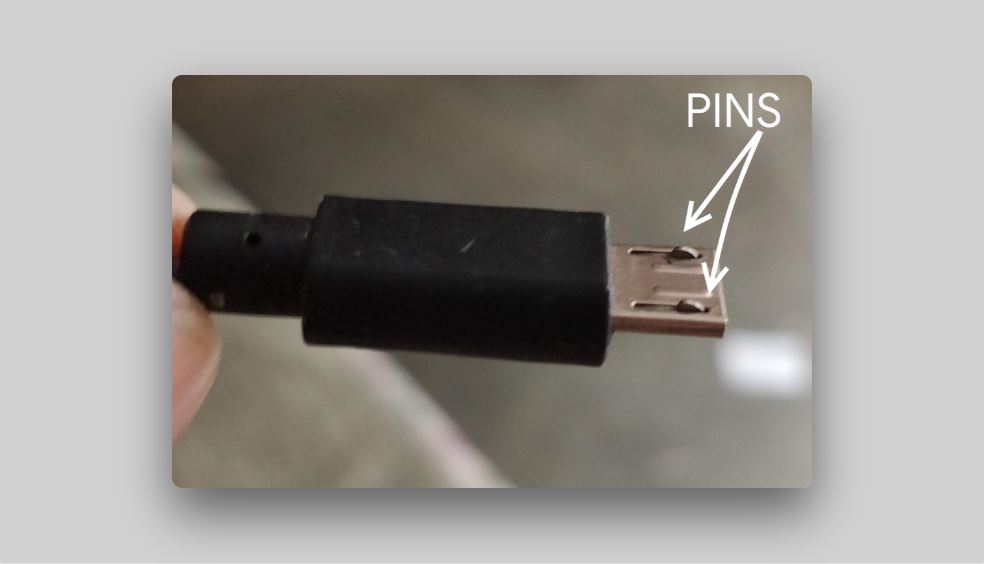
Before you begin, it's essential to identify the issue with your USB-C port. Check for physical damage, such as bent or broken pins, or corrosion. Also, ensure that the port is properly seated and that any debris or dust is cleaned out. If you're unsure about the cause of the issue, try a different USB-C cable to rule out any connectivity problems.
DIY Repair: A Step-by-Step Guide
Option 1: Replacing the USB-C Port
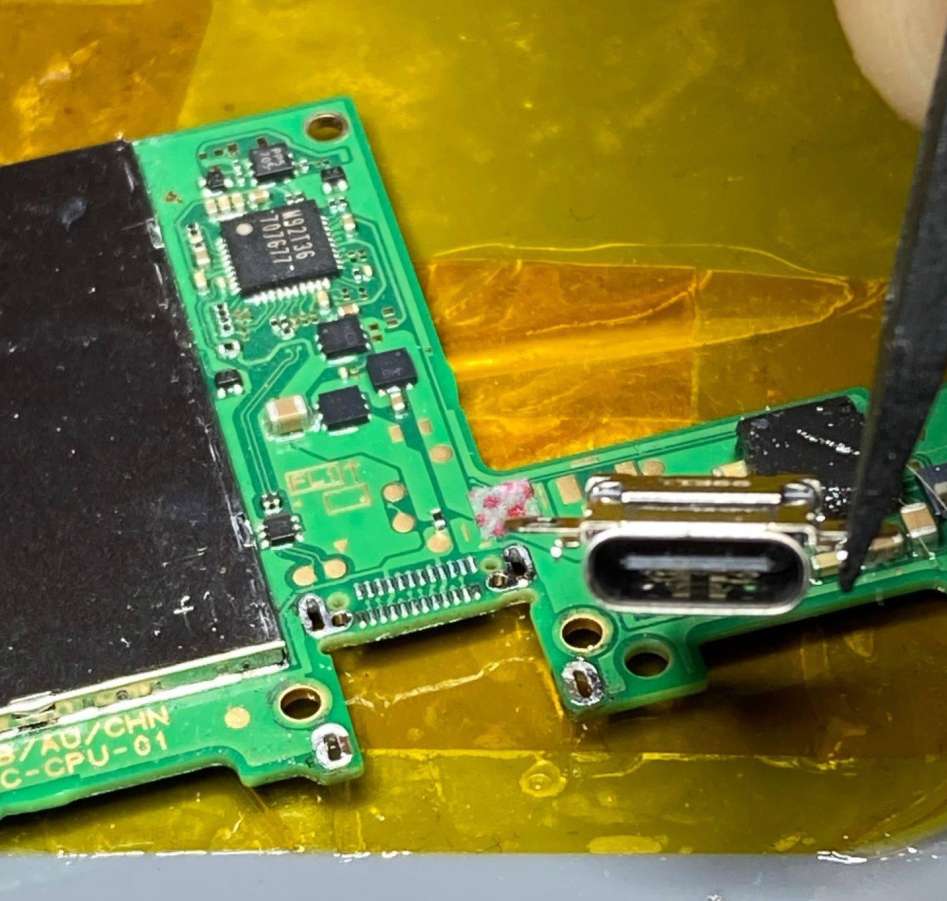
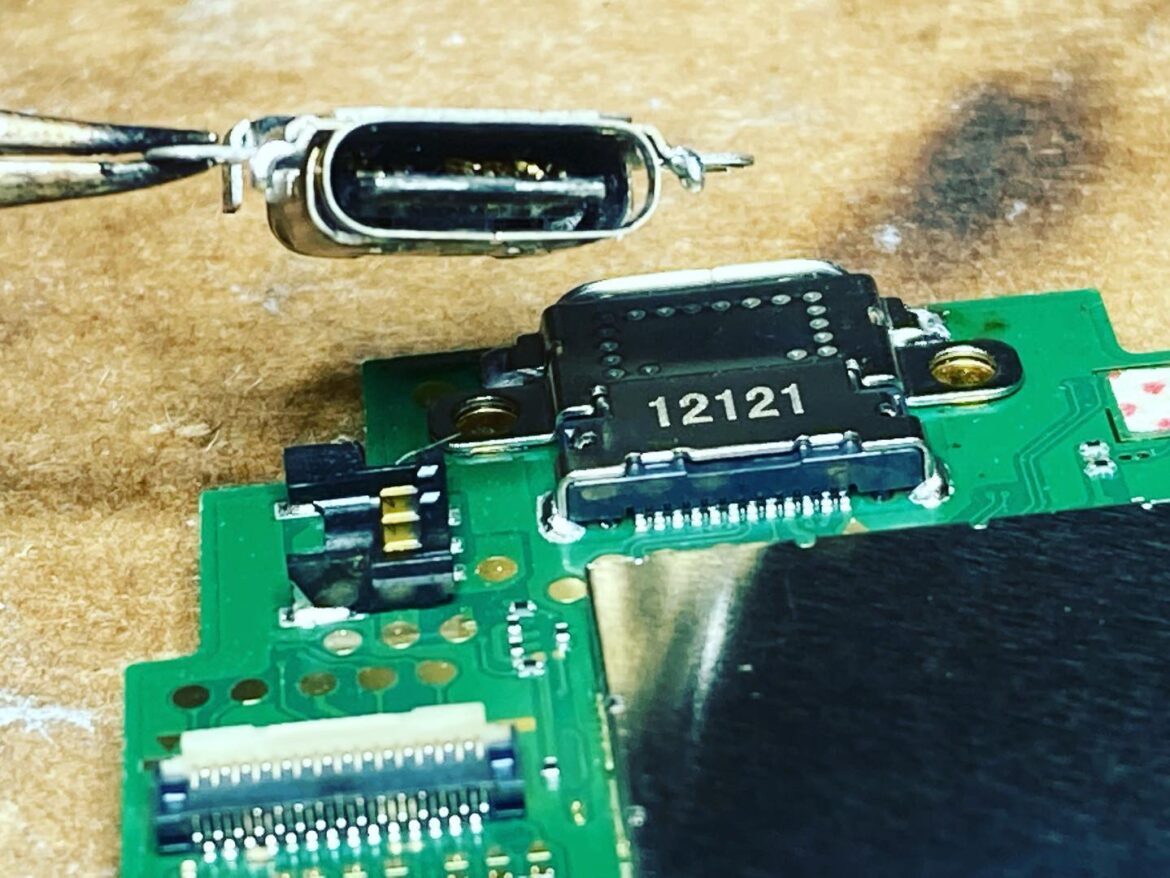
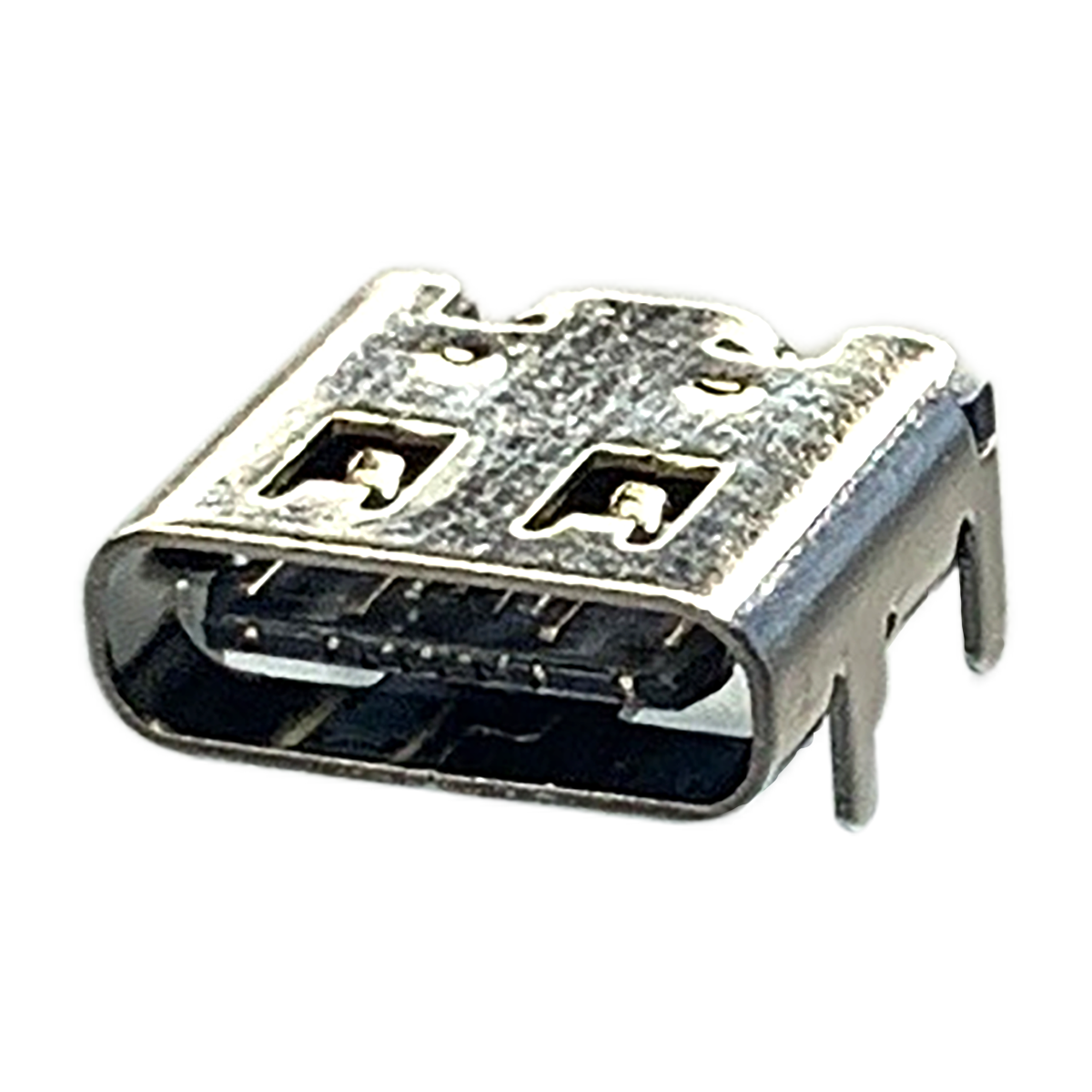
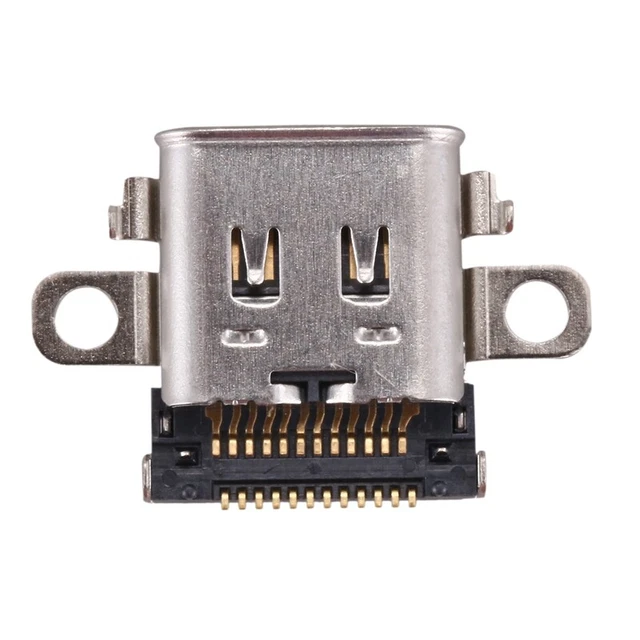
If the issue lies within the USB-C port itself, you may need to replace it entirely. You can purchase a replacement USB-C port online or at a local electronics store. Make sure to purchase a port that matches the specifications of your device. Once you have the replacement port, follow these steps:
- Disconnect any power or data cables connected to the device.
- Remove the screws holding the port in place.
- Carefully pry the port out of its socket.
- Apply a small amount of solder to the new port's tabs.
- Insert the new port into its socket and secure it with screws.
- Reconnect any cables and test the port.
Option 2: Repairing the USB-C Cable

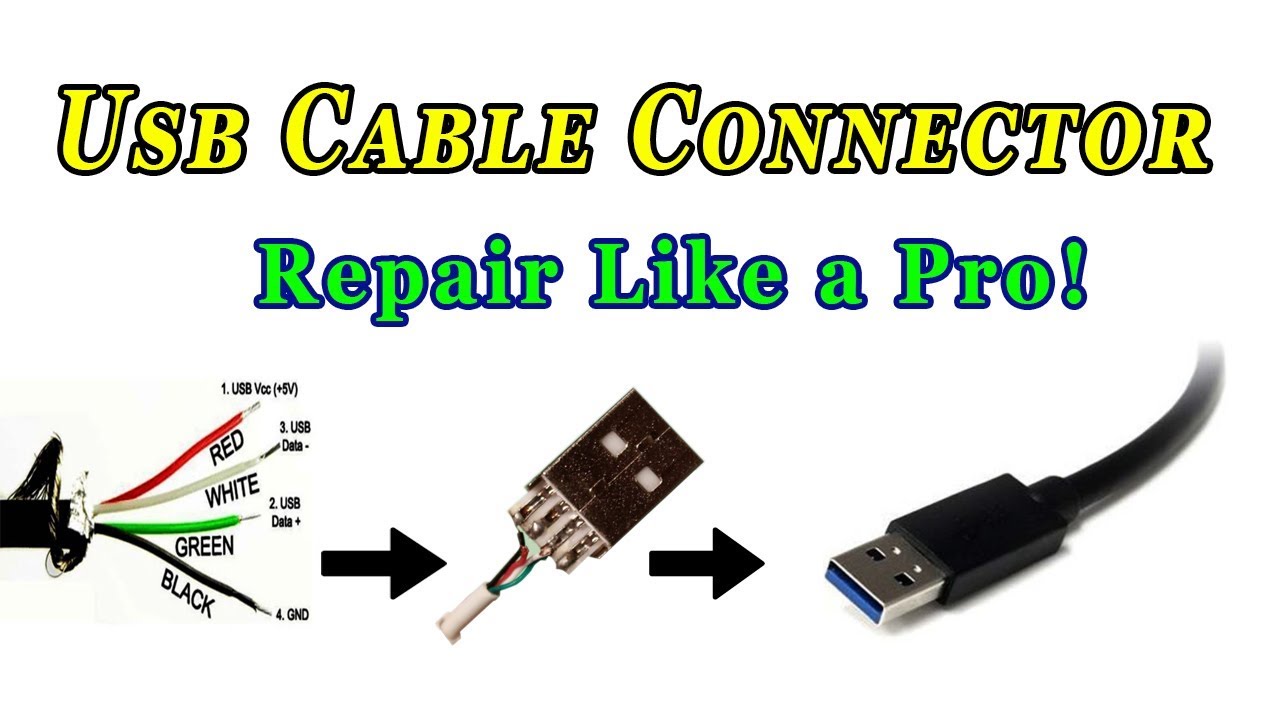
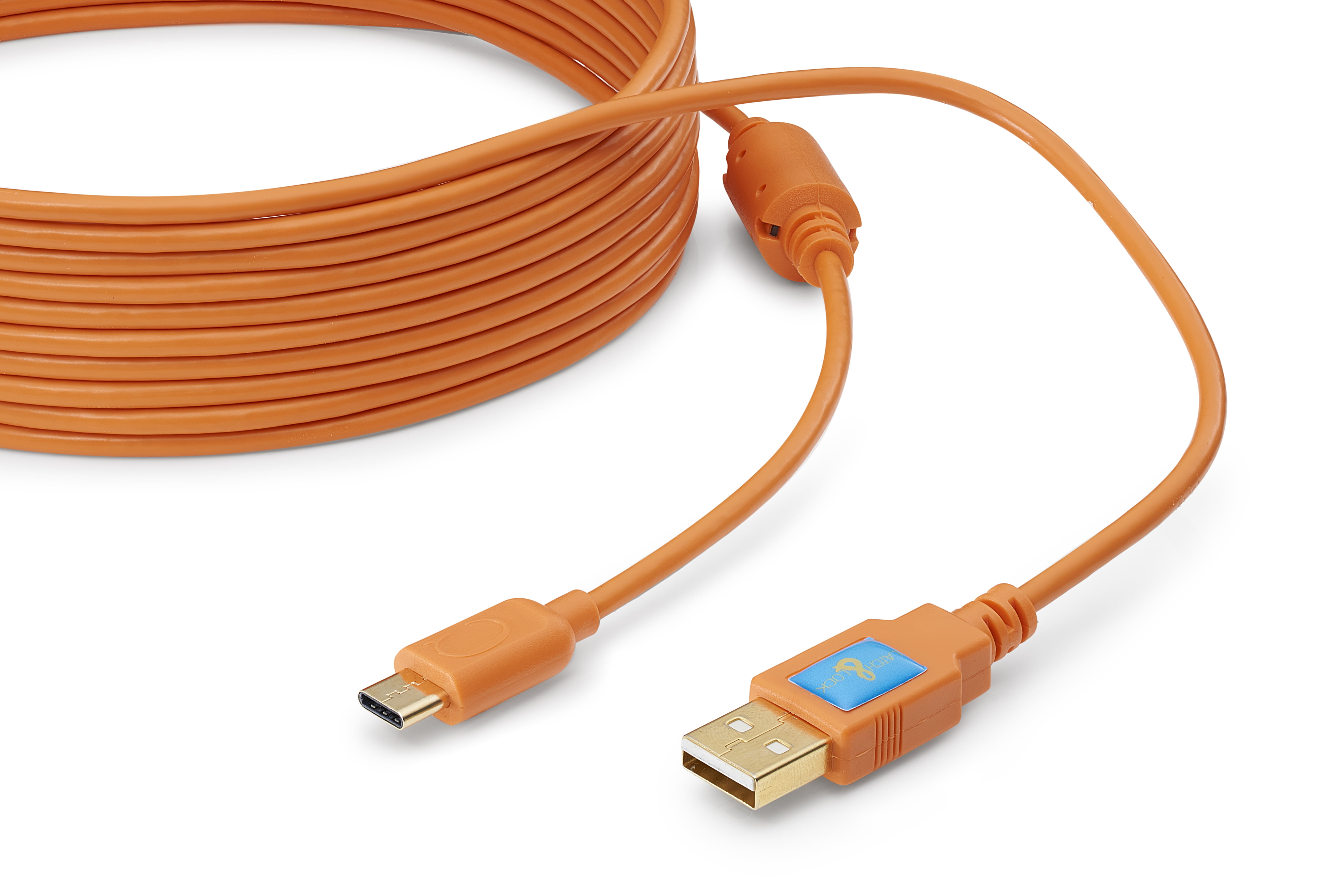
Many times, the issue lies within the USB-C cable itself. In this case, you may be able to repair the cable by replacing the damaged or faulty section. You can use a soldering iron to remove any fried components or replace the entire cable if necessary. Make sure to use a cable that matches the specifications of your device.
When to Seek Professional Help
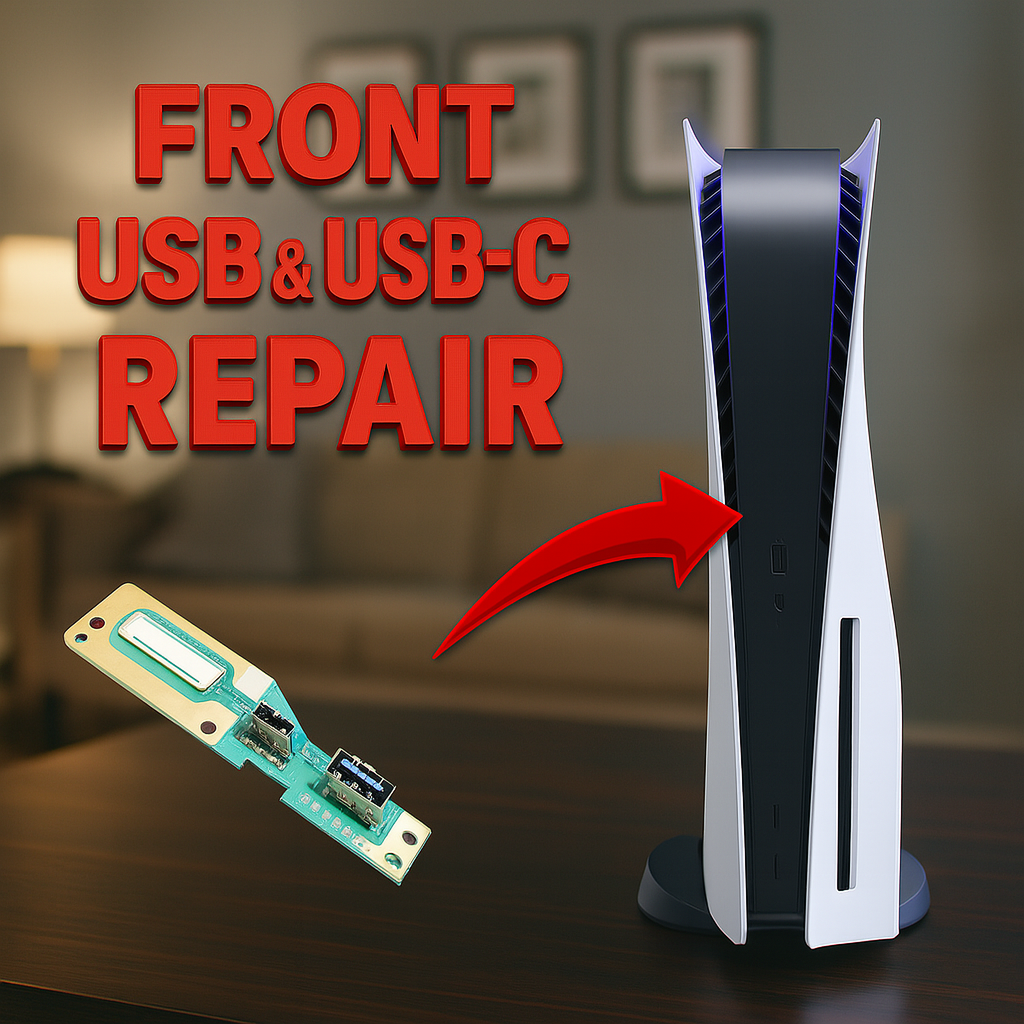
If the DIY attempts don't work, or if your USB-C port looks seriously damaged, it's time to consult an expert. Here are a few situations where professional repair would be necessary:
- Complex repairs requiring specialized tools and expertise.
- Broken or missing pins.
- Cracked or damaged port housing.
- Corrosion or water damage.
- Issues with the charging circuitry.
Reducing Electronic Waste: The Importance of USB-C Repair)
Repairing USB-C cables and ports is not only a great way to extend the lifespan of your devices but also reduces electronic waste and conserves resources. According to the EPA, the improper disposal of electronic waste is a significant contributor to pollution and environmental degradation. By repairing and reusing USB-C components, we can significantly reduce waste and minimize our ecological footprint.
Conclusion
In conclusion, USB-C repair is a crucial skill for anyone who wants to extend the lifespan of their devices and reduce electronic waste. By following the steps outlined in this guide, you'll be able to confidently diagnose and repair your USB-C port. Remember to always use caution when working with electrical components, and don't hesitate to seek professional help if you're unsure about any part of the process.