Blue Light and Self-Adaptation: The Impact on Human Physiology and Psychology
In today's world, we are constantly exposed to blue-enriched LED lights, from our smartphones to our home lighting systems. But have you ever wondered how this exposure affects our bodies and minds? The relationship between blue light and self-adaptation is complex, and research has shown that it can have both positive and negative effects on our physiological and psychological well-being.
The Science Behind Blue Light and Self-Adaptation
Blue light, which is part of the visible light spectrum, has a shorter wavelength and higher energy than other forms of light. When we are exposed to blue light, it sends signals to our brain, which can affect our circadian rhythms, mood, and cognitive function. In fact, studies have shown that exposure to blue light can increase alertness, enhance creativity, and even improve our mood.
The Positive Effects of Blue Light Exposure
Increased alertness and energy
Enhanced creativity and productivity
Improved mood and reduced stress
Stronger synchronizing agent for the circadian system
The Negative Effects of Blue Light Exposure
Disruption of sleep patterns and reduced melatonin production
Increased risk of digital eye strain and vision problems
Negative impact on cognitive function and memory
Potential harm to skin health and aging
Self-Adaptation and Blue Light Exposure
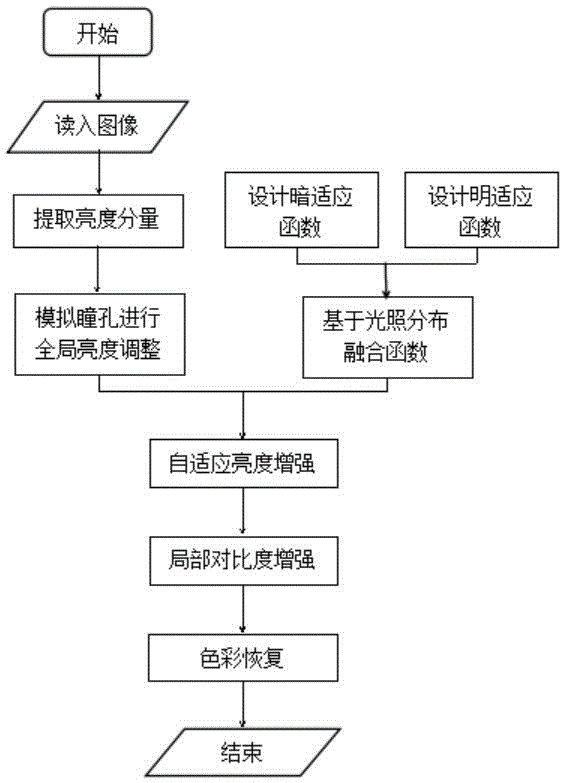
Self-adaptation refers to our body's ability to adjust to changes in our environment, including changes in light exposure. When we are exposed to blue light, our body adapts by adjusting our circadian rhythms, hormone production, and brain activity. This adaptation process can be beneficial, but it can also be disrupted by excessive exposure to blue light.
The Importance of Balance in Blue Light Exposure
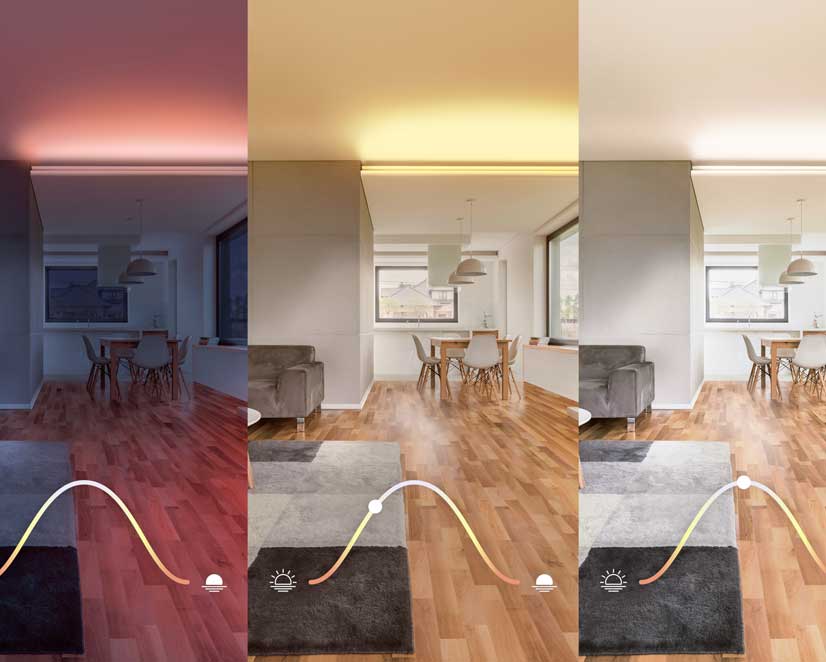
While some blue light exposure is necessary for our health and well-being, excessive exposure can have negative consequences. Therefore, it's essential to strike a balance between blue light exposure and self-adaptation. This can be achieved by following a few simple tips:
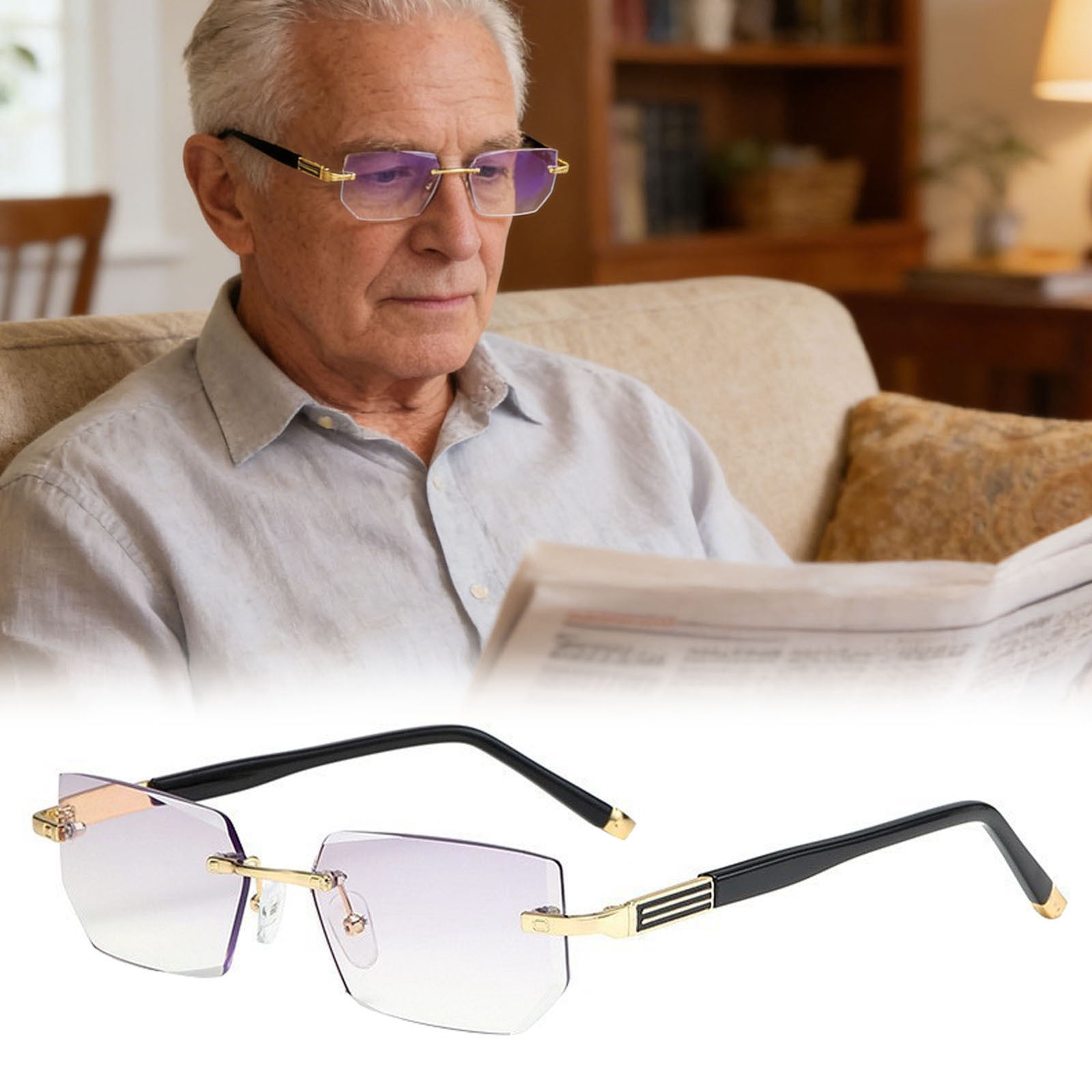
Use blue light filtering glasses or apps during prolonged screen time
Dim or turn off lights in the evening to promote melatonin production
Take regular breaks from screens and engage in outdoor activities
Get regular eye exams to monitor for digital eye strain
Conclusion
The relationship between blue light and self-adaptation is complex, and research has shown that it can have both positive and negative effects on our physiological and psychological well-being. By understanding the science behind blue light exposure and self-adaptation, we can take steps to balance our exposure and promote healthy habits. Remember, a balanced approach to blue light exposure is key to maintaining our overall health and well-being.
References:
Chellappa et al. (2011). Blue light exposure increases alertness in humans.
National Sleep Foundation. (n.d.). Blue light exposure and sleep.
Harvard Health Publishing. (2019). Blue light and sleep.