How to Use Excel: A Comprehensive Guide for Beginners
Microsoft Excel is a powerful spreadsheet program that helps you organize, calculate, and analyze data. Whether you're a student, office worker, freelancer, or accountant, learning how to use Excel is a valuable skill that can benefit you in many ways. In this guide, we'll take you through the basics of using Excel and provide you with a step-by-step tutorial on how to perform common tasks.
Getting Started with Basic Tasks
- Opening a Workbook: To start using Excel, you need to open a workbook. You can do this by double-clicking on the Excel icon on your computer or by searching for it in your Start menu.
- Entering and Formatting Data: Once you have opened a workbook, you can enter data into a cell by clicking on it and typing in the data. You can also format your data by changing font styles, colors, and other attributes.
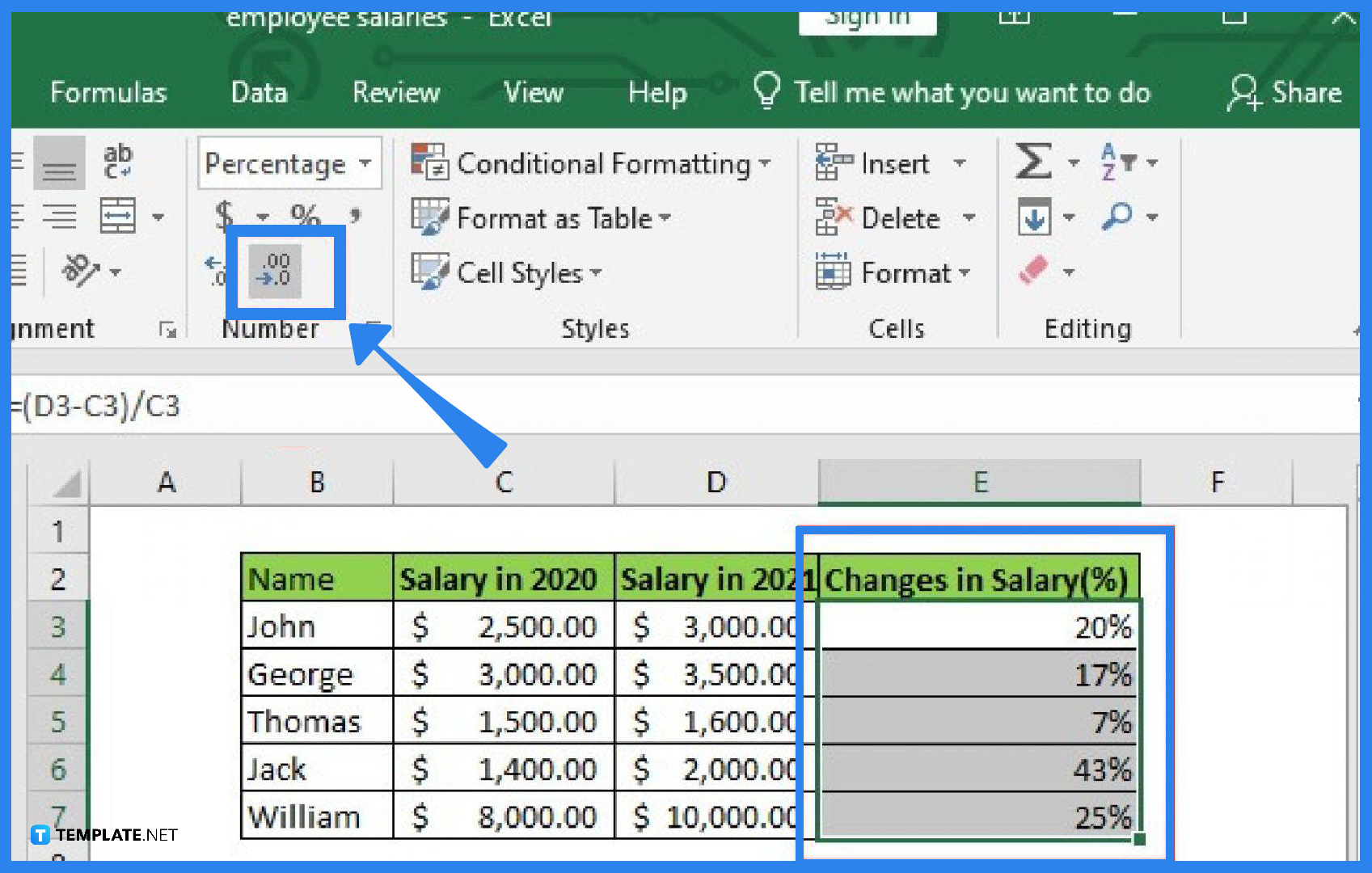
- Calculating Data: Excel has a range of math functions that you can use to perform calculations, such as addition, subtraction, multiplication, and division.
- Using Quick Analysis: Quick Analysis is a feature in Excel that allows you to perform quick calculations and create helpful graphs without prior knowledge of Excel. You can use Quick Analysis to perform tasks such as averaging, summing, and filtering data.
Mastering Essential Excel Skills
Once you have a basic understanding of Excel, it's time to learn the essential skills that you need to perform everyday tasks and data analysis. Here are some of the key skills you need to master:
- Creating Spreadsheets: To create a spreadsheet, you need to know how to use the different types of formulas and functions in Excel.
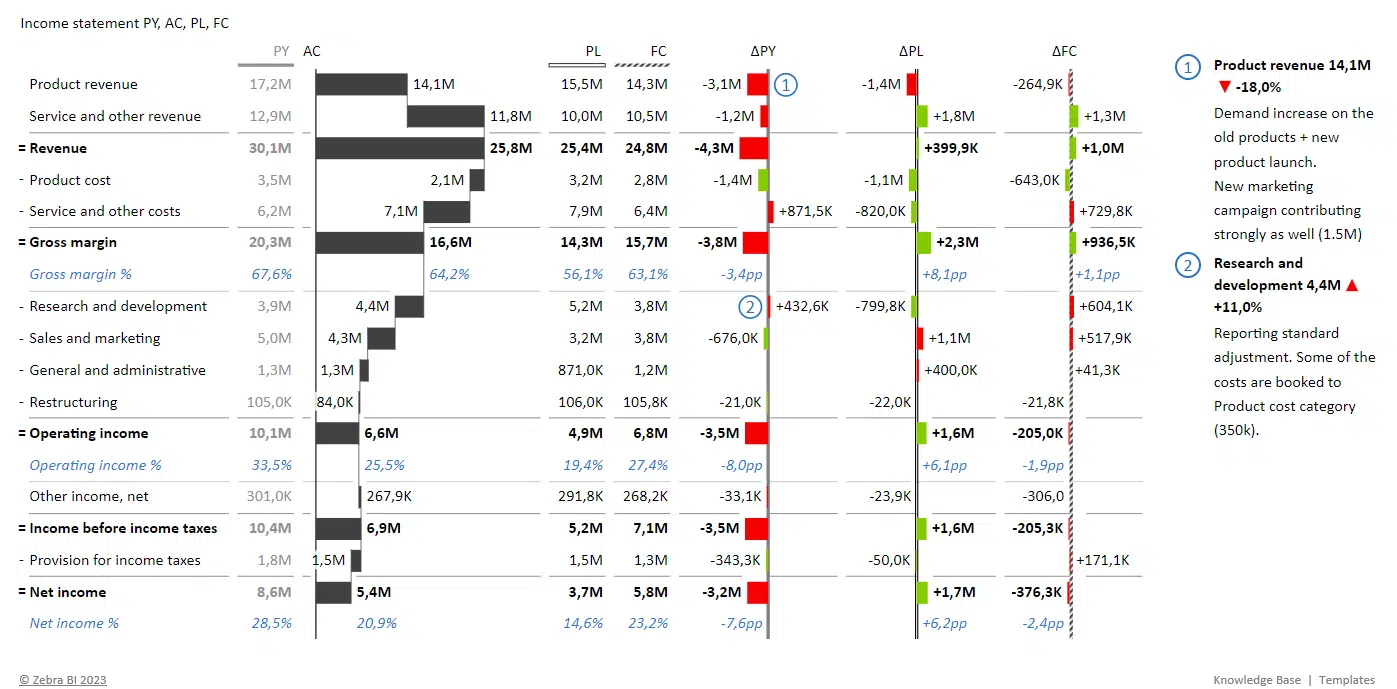
- Analyzing Data: Excel has a range of tools that you can use to analyzing data, including pivot tables, charts, and data filters.
- Using AutoFilter: AutoFilter is a feature in Excel that allows you to filter data quickly and easily.
- Using Mail Merge: Mail merge is a feature in Excel that allows you to create custom documents, envelopes, email, and labels.
Using Advanced Excel Features
Once you have mastered the essential skills in Excel, it's time to learn about the advanced features that can help you to take your Excel skills to the next level. Here are some of the advanced features you need to know:
- Using Power Query: Power Query is a feature in Excel that allows you to import, manipulate, and analyze data from a variety of sources.
- Using Pivot Tables: Pivot tables are a powerful tool in Excel that allows you to extract the significance from a large, detailed data set.
- Using AI in Excel: Excel has a range of AI-powered features that can help you to automate tasks, perform advanced data analysis, and create custom scenarios.
Conclusion
Learning how to use Excel is a valuable skill that can benefit you in many ways. Whether you're a student, office worker, freelancer, or accountant, Excel can help you to organize, calculate, and analyze data more efficiently. In this guide, we've taken you through the basics of using Excel and provided you with a step-by-step tutorial on how to perform common tasks. With practice and patience, you can master the essential skills and advanced features of Excel and become a more efficient and effective user of the program.
FAQs
Q: How do I open a workbook in Excel?
A: To open a workbook in Excel, you need to double-click on the Excel icon on your computer or search for it in your Start menu.
Q: How do I format data in Excel?
A: You can format data in Excel by changing font styles, colors, and other attributes.