Hyperconnectivity and Autonomous Vehicles: A Future of Intelligent Transportation
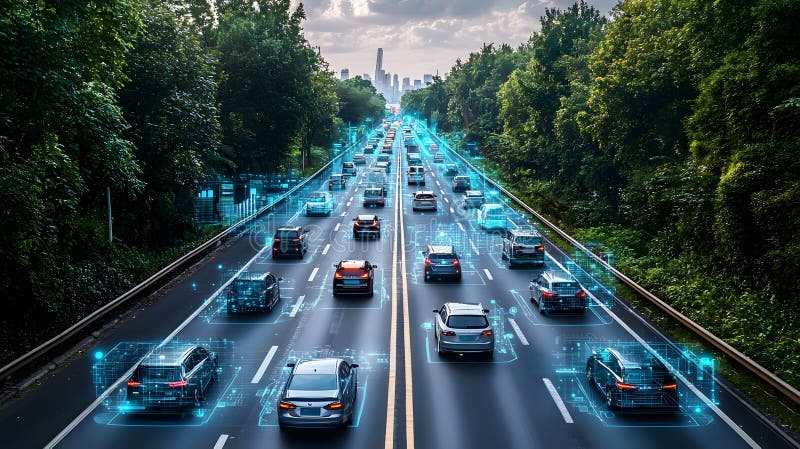
The world of transportation is undergoing a significant transformation with the advent of hyperconnectivity and autonomous vehicles. This synergy is expected to revolutionize the way we travel, making roads safer, more efficient, and environmentally friendly.
The Rise of Autonomous Vehicles
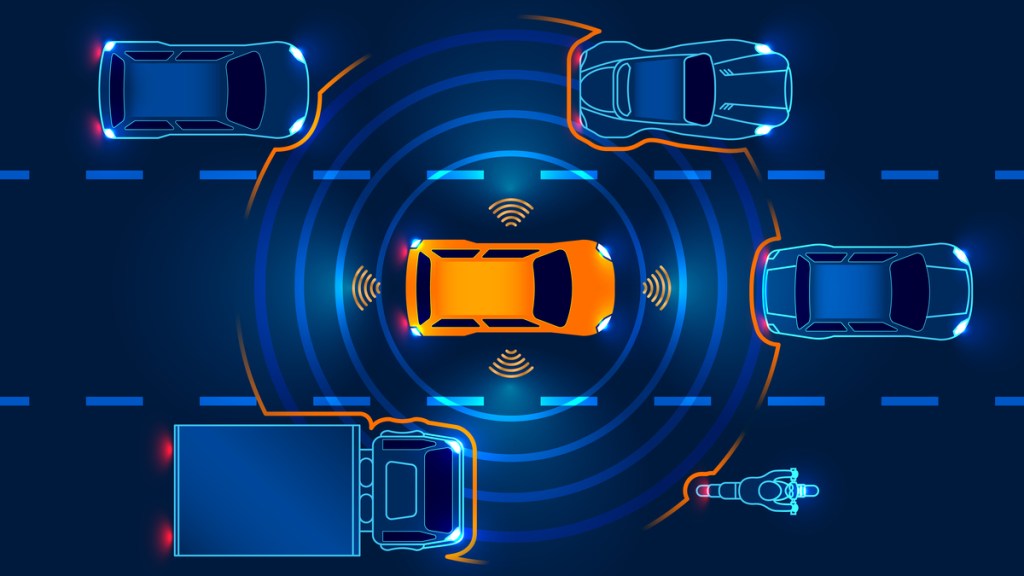
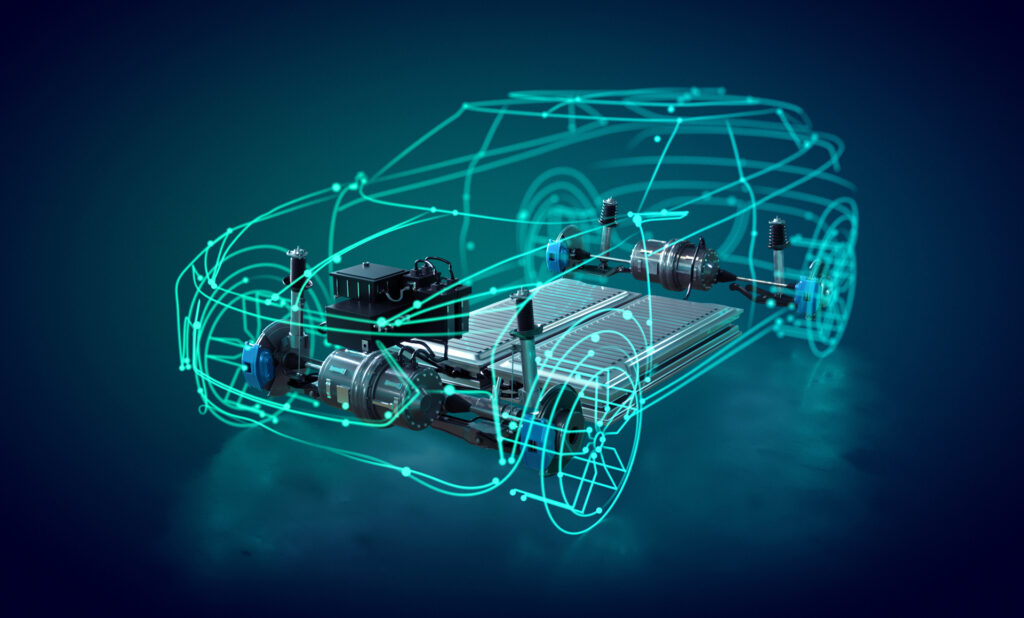
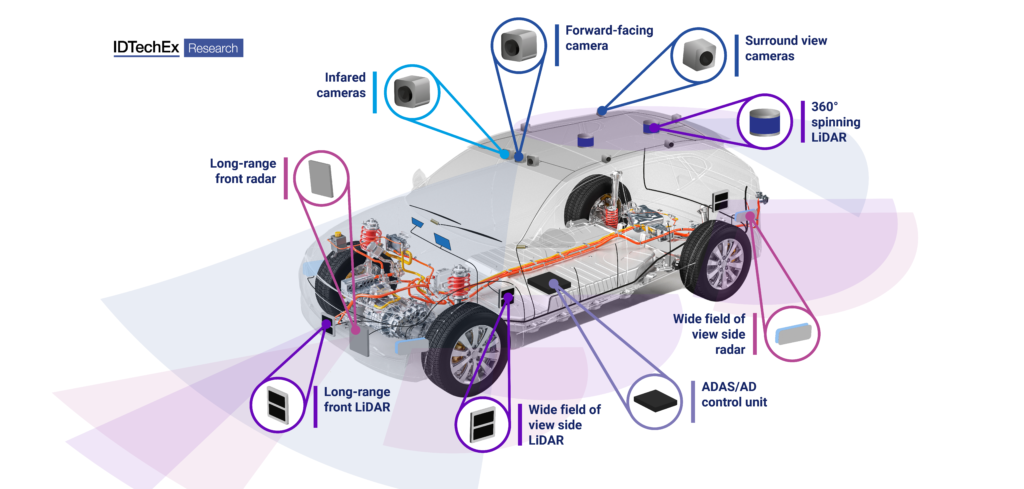
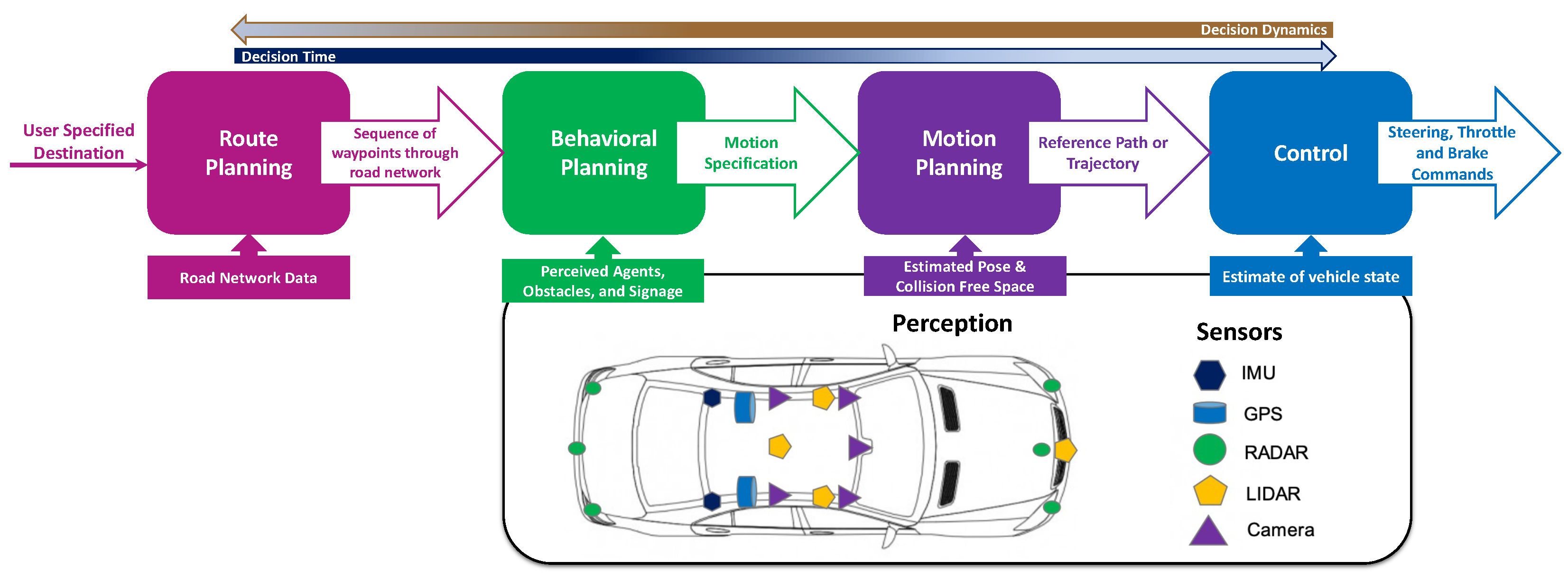
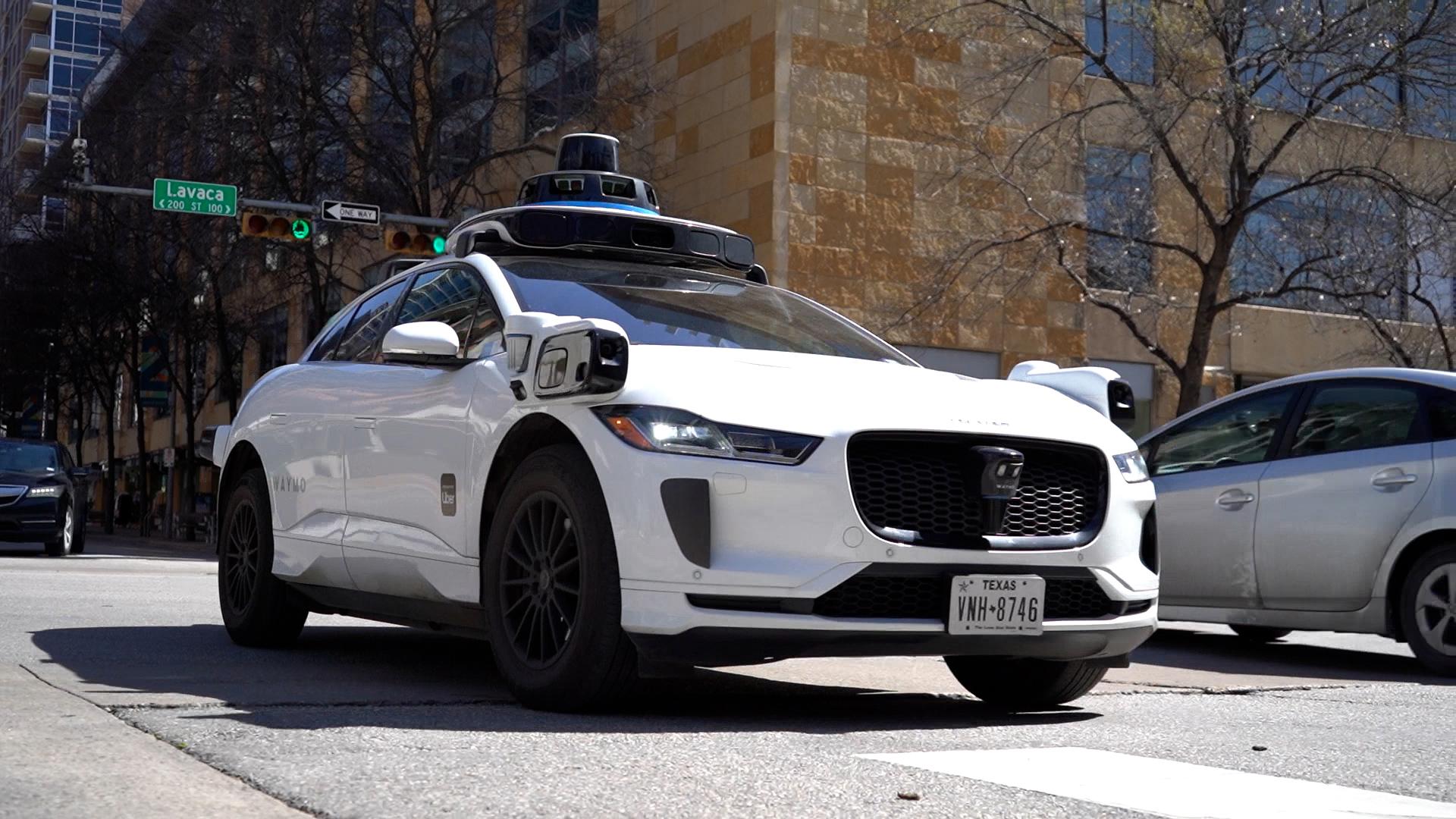
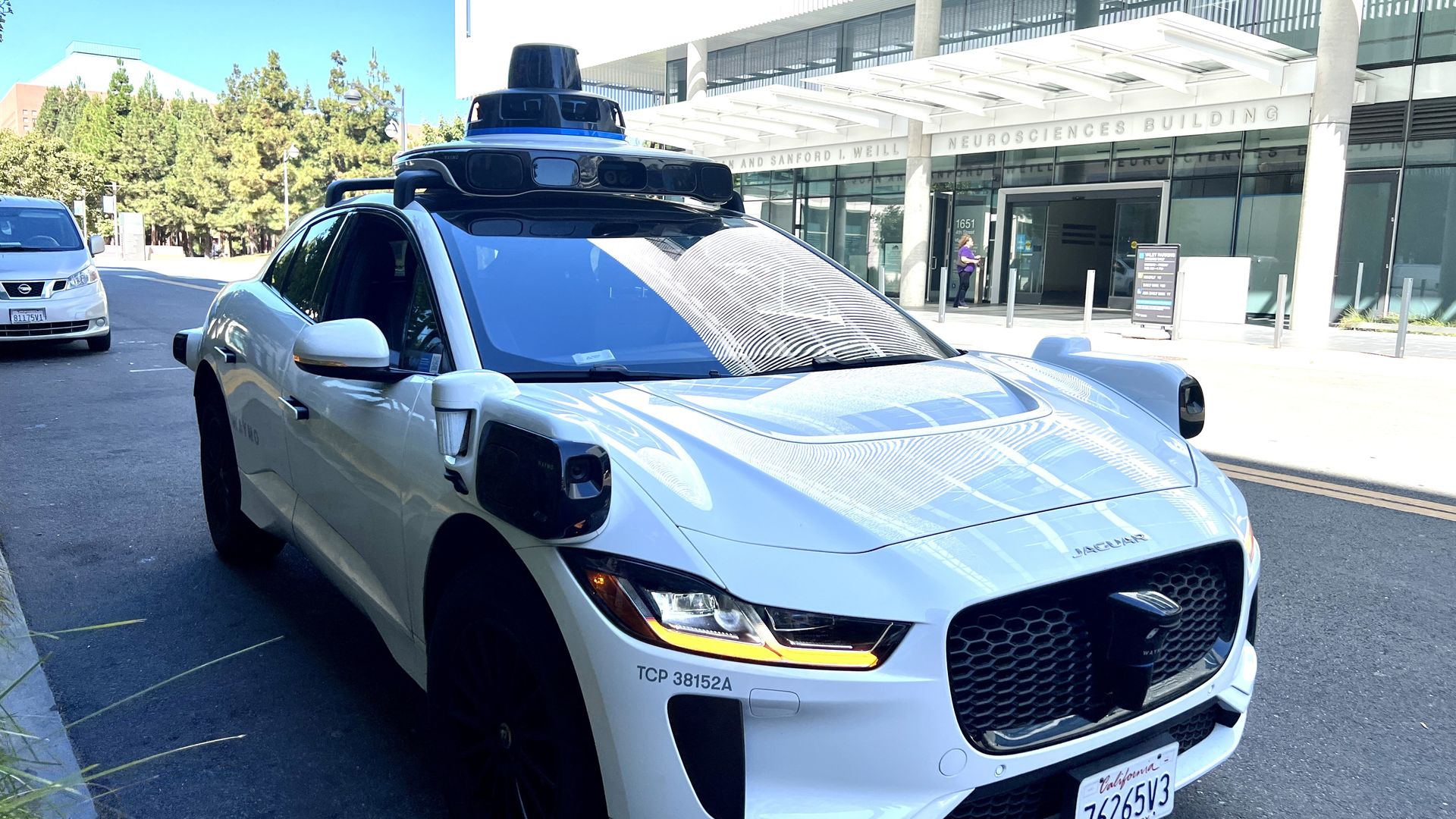
Autonomous vehicles, also known as self-driving cars, are equipped with advanced sensors, artificial intelligence, and cutting-edge algorithms to navigate roads without human intervention. By eliminating the human factor, autonomous vehicles have the potential to significantly reduce accidents, optimize traffic flow, and enhance passenger experience.
The Role of Hyperconnectivity in Autonomous Vehicles
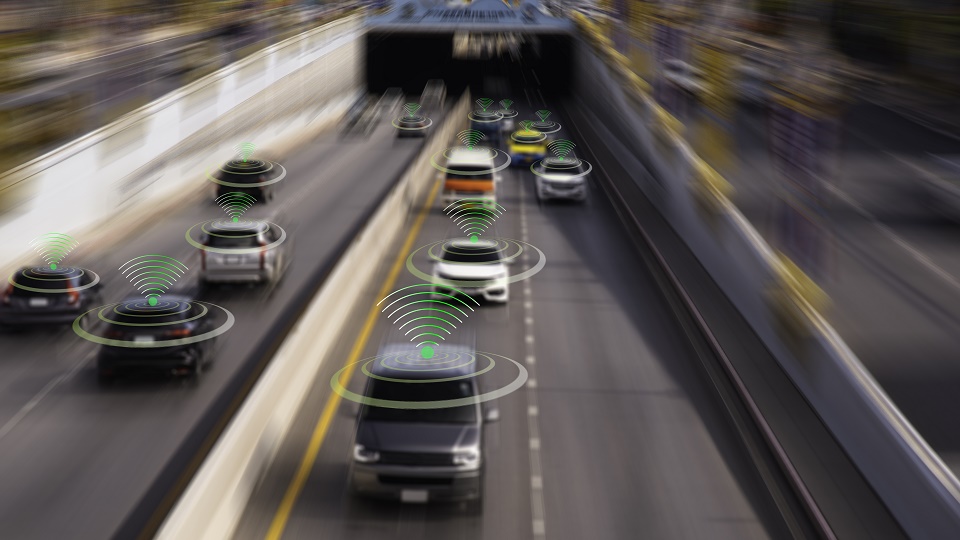
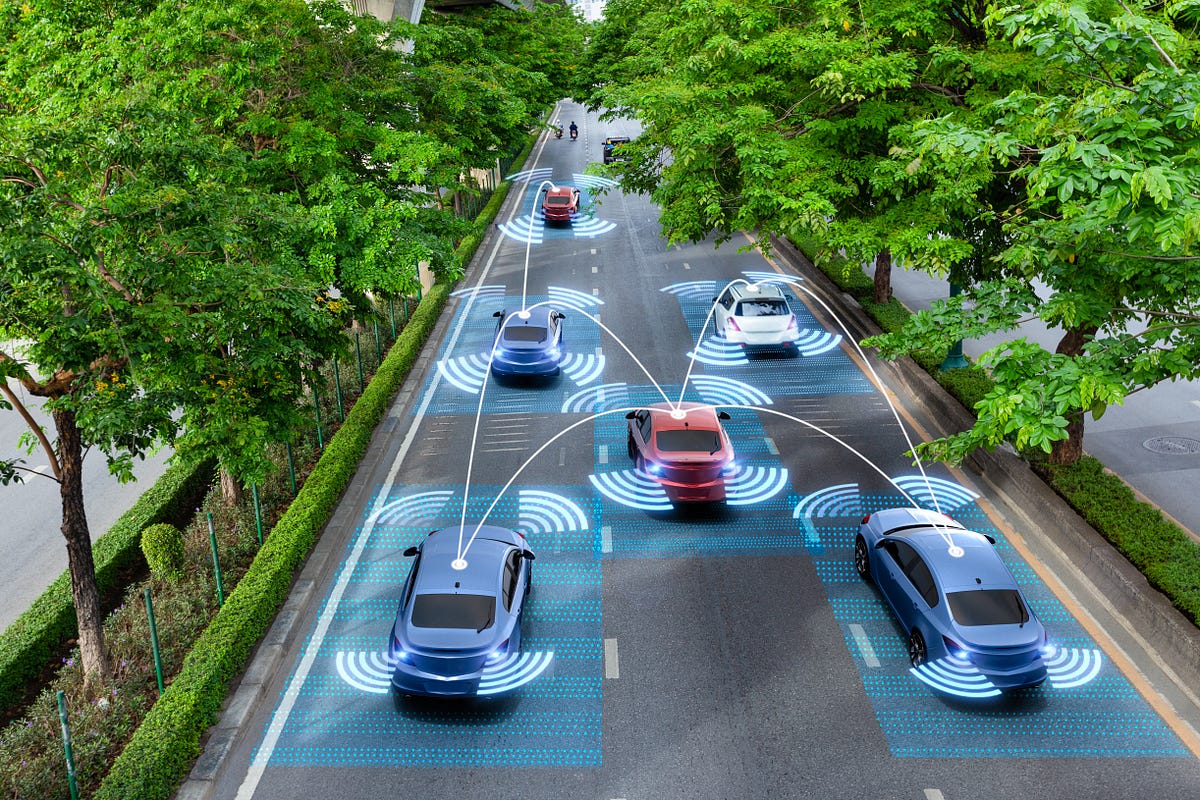
Hyperconnectivity is a key enabler of autonomous vehicles, allowing them to rapidly exchange critical data, such as road conditions, traffic updates, and hazard alerts, with other vehicles and infrastructure in milliseconds. This capability enhances vehicle safety, enabling cars to make real-time decisions, avoid collisions, and efficiently manage traffic flow.
5G and the Future of Autonomous Vehicles
The rollout of 5G technology is expected to play a crucial role in the widespread adoption of autonomous vehicles. With 5G, vehicles can transmit and receive data at speeds of up to 20 Gbps, enabling them to communicate with the cloud, other vehicles, and infrastructure in real-time. This will lead to significant improvements in vehicle safety, efficiency, and passenger experience.
Vehicle-to-Cloud Connectivity: A Game-Changer for Autonomous Vehicles
Vehicle-to-cloud connectivity is a key aspect of hyperconnectivity, enabling vehicles to access and share data with the cloud, other vehicles, and infrastructure. This connectivity will enable vehicles to learn from each other, adapt to changing road conditions, and provide a seamless and personalized experience for passengers.
The Benefits of Hyperconnectivity and Autonomous Vehicles
The integration of hyperconnectivity and autonomous vehicles will bring numerous benefits to the transportation sector, including:
- Improved Safety: Autonomous vehicles will be able to detect and respond to hazards in real-time, reducing the risk of accidents and improving road safety.
- Increased Efficiency: Autonomous vehicles will be able to optimize traffic flow, reducing congestion and improving travel times.
- Enhanced Passenger Experience: Autonomous vehicles will provide a comfortable and personalized experience for passengers, with features such as in-car entertainment, Wi-Fi connectivity, and real-time traffic updates.
- Environmental Benefits: Autonomous vehicles will be able to optimize routes, reducing fuel consumption and lowering emissions.
Challenges and Opportunities
While the integration of hyperconnectivity and autonomous vehicles presents numerous opportunities, it also poses several challenges, including:
- Regulatory Frameworks: Governments will need to establish regulatory frameworks to ensure the safe and efficient deployment of autonomous vehicles.
- Infrastructure Upgrades: Existing infrastructure will need to be upgraded to support the demands of autonomous vehicles.
- Cybersecurity: Autonomous vehicles will be vulnerable to cyber threats, requiring robust cybersecurity measures to prevent hacking and data breaches.
Conclusion
Hyperconnectivity and autonomous vehicles are transforming the transportation sector, making roads safer, more efficient, and environmentally friendly. While there are challenges to be addressed, the benefits of this synergy are undeniable. As we move towards a future of intelligent transportation, it is essential to collaborate and invest in the development of autonomous vehicles and hyperconnectivity technologies.