Understanding Coat Shedding in Double-Coated Breeds
Double-coated breeds are a fascinating group of dogs, known for their stunning two-layer fur structure. But, for many owners, the double coat comes with a price – excessive shedding. In this article, we'll explore the ins and outs of understanding coat shedding in double-coated breeds, and provide you with practical tips and advice on how to manage this natural process.
What is a Double Coat?
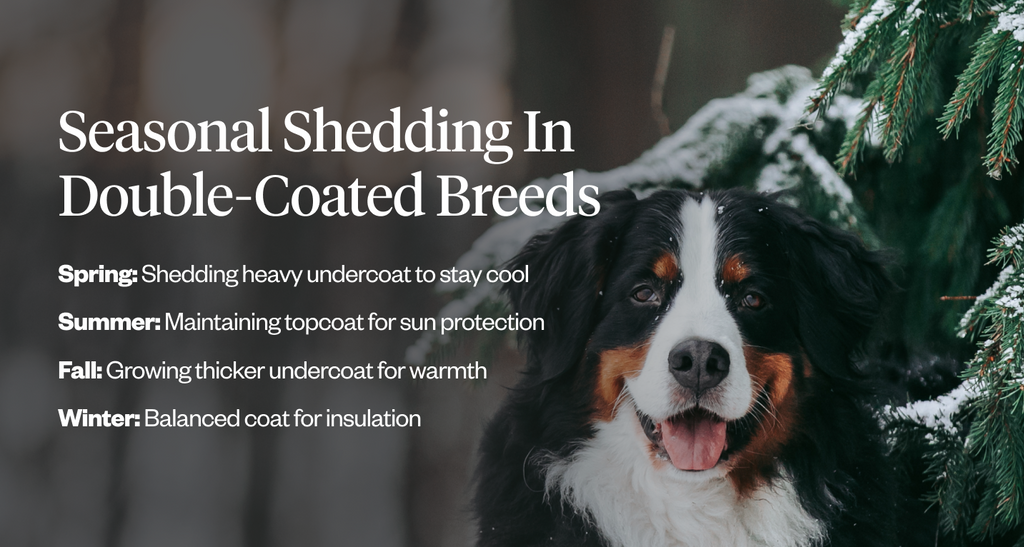
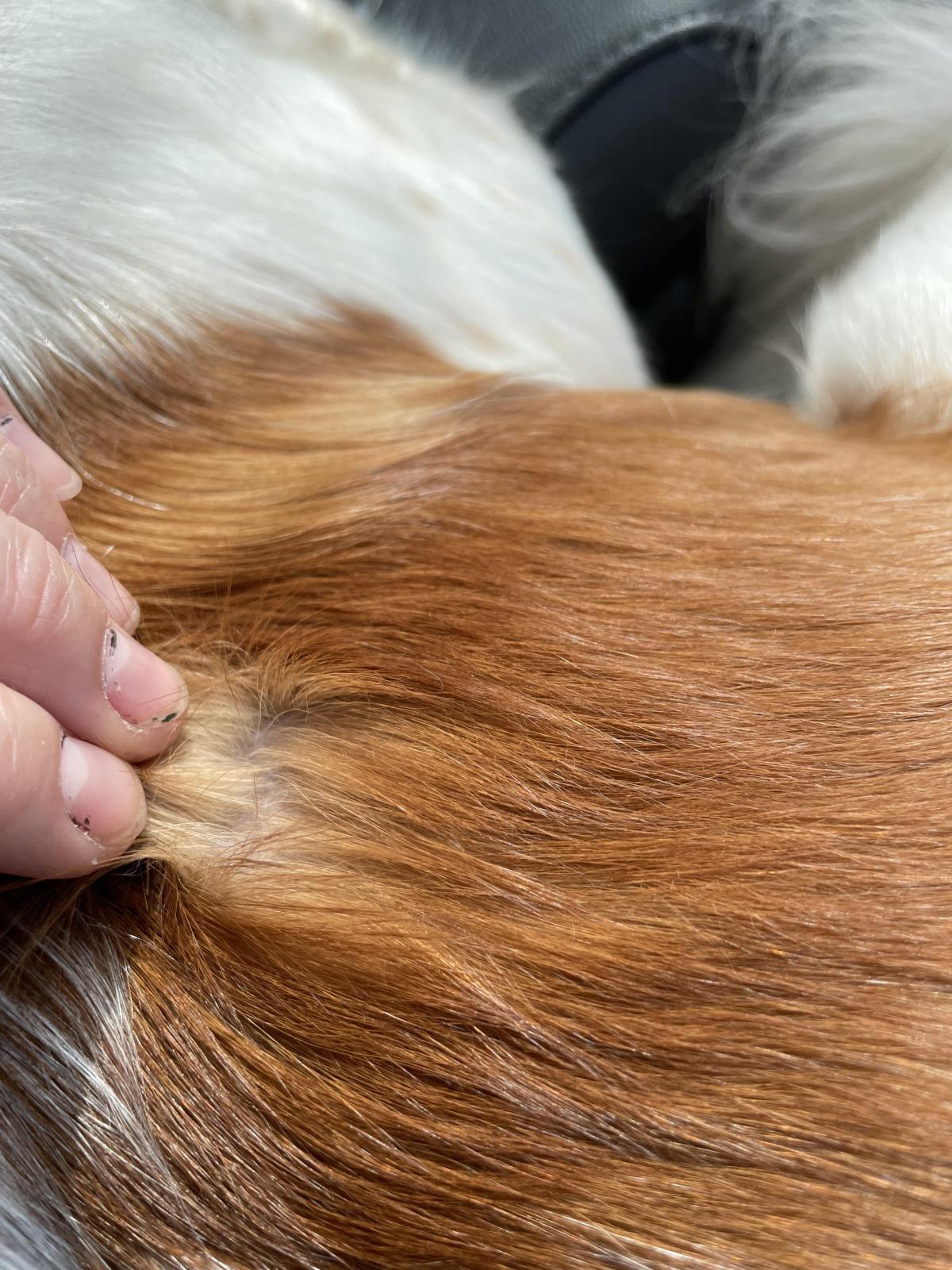
A double coat, also known as a double layer coat, is a characteristic of certain dog breeds where they have two layers of fur. The undercoat is the soft, dense layer of hair that insulates and keeps the dog warm, while the topcoat is the longer, coarser layer that protects the dog from dirt, water, and sun. During shedding season, the undercoat is released in large amounts to adapt to the changing climate.
Why Do Double-Coated Breeds Shed?
Double-coated breeds shed their undercoat to adapt to the changing climate, and the amount of shedding can vary depending on the breed, season, and individual dog. The peak shedding season for double-coated breeds is typically spring and autumn, when the dog loses its undercoat to regulate body heat. This is why it's essential to manage the shedding process to avoid matting, overheating, or skin issues.
What Causes Excessive Shedding in Double-Coated Breeds?
Excessive shedding in double-coated breeds can be caused by several factors, including:
- Diet: A poor diet that lacks essential nutrients can lead to excessive shedding.
- Health: Certain health issues, such as skin allergies or parasites, can cause excessive shedding.
- Breed: Some breeds, such as Siberian Huskies and Alaskan Malamutes, are prone to excessive shedding due to their thick double coats.

How to Manage Excessive Shedding in Double-Coated Breeds?
Managing excessive shedding in double-coated breeds requires a combination of understanding their unique coat characteristics, maintaining a consistent grooming routine, and ensuring proper nutrition. Here are some practical tips:
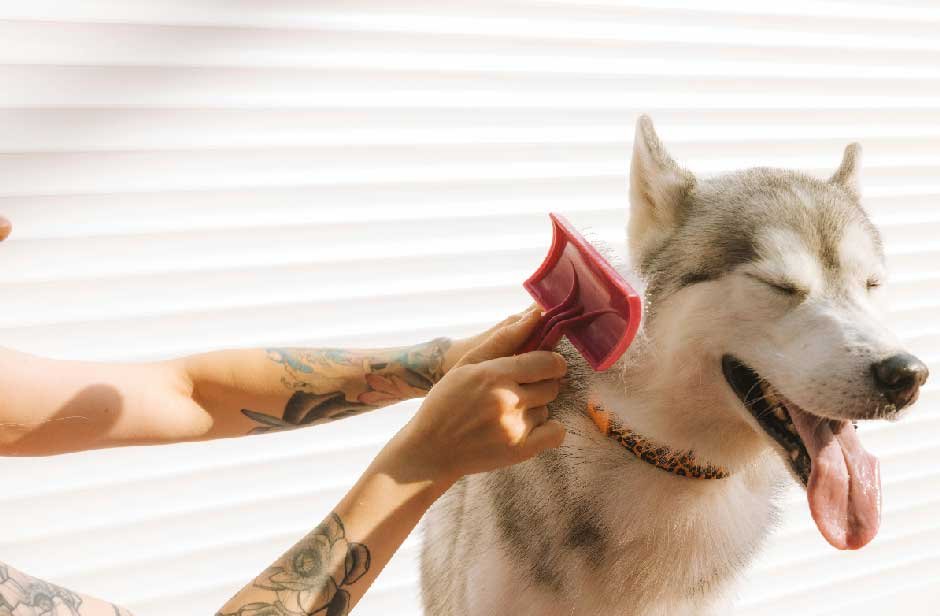
- Brush your dog regularly: Use a brush or rake specifically designed for double-coated breeds to remove loose hair and prevent matting.
- Bathe your dog occasionally: Bathing your dog can help remove loose hair, but be sure to use a gentle shampoo and conditioner to avoid stripping the coat of its natural oils.
- Feed a balanced diet: Ensure your dog is receiving a well-balanced diet that meets their nutritional needs to prevent excessive shedding.
- Keep your home clean: Regularly vacuum and mop your floors to prevent loose hair from accumulating.
Choosing the Right Tools for Grooming
Choosing the right tools for grooming is essential for effective shedding management. Some popular tools for double-coated breeds include:
- Undercoat rakes: Designed to remove loose hair and prevent matting.
- Double-coated brushes: Specially designed to handle the unique coat characteristics of double-coated breeds.
- Sulfate-free shampoos: Gentle on the coat and skin, sulfate-free shampoos can help reduce shedding and prevent skin irritation.
Conclusion
Understanding coat shedding in double-coated breeds requires a comprehensive approach that involves understanding their unique coat characteristics, maintaining a consistent grooming routine, and ensuring proper nutrition. By following the practical tips outlined in this article, you can effectively manage excessive shedding in your double-coated breed and keep your home clean and healthy.