Managing Too Much Information: Understanding the Problem and Finding Solutions
The Problem of Information Overload
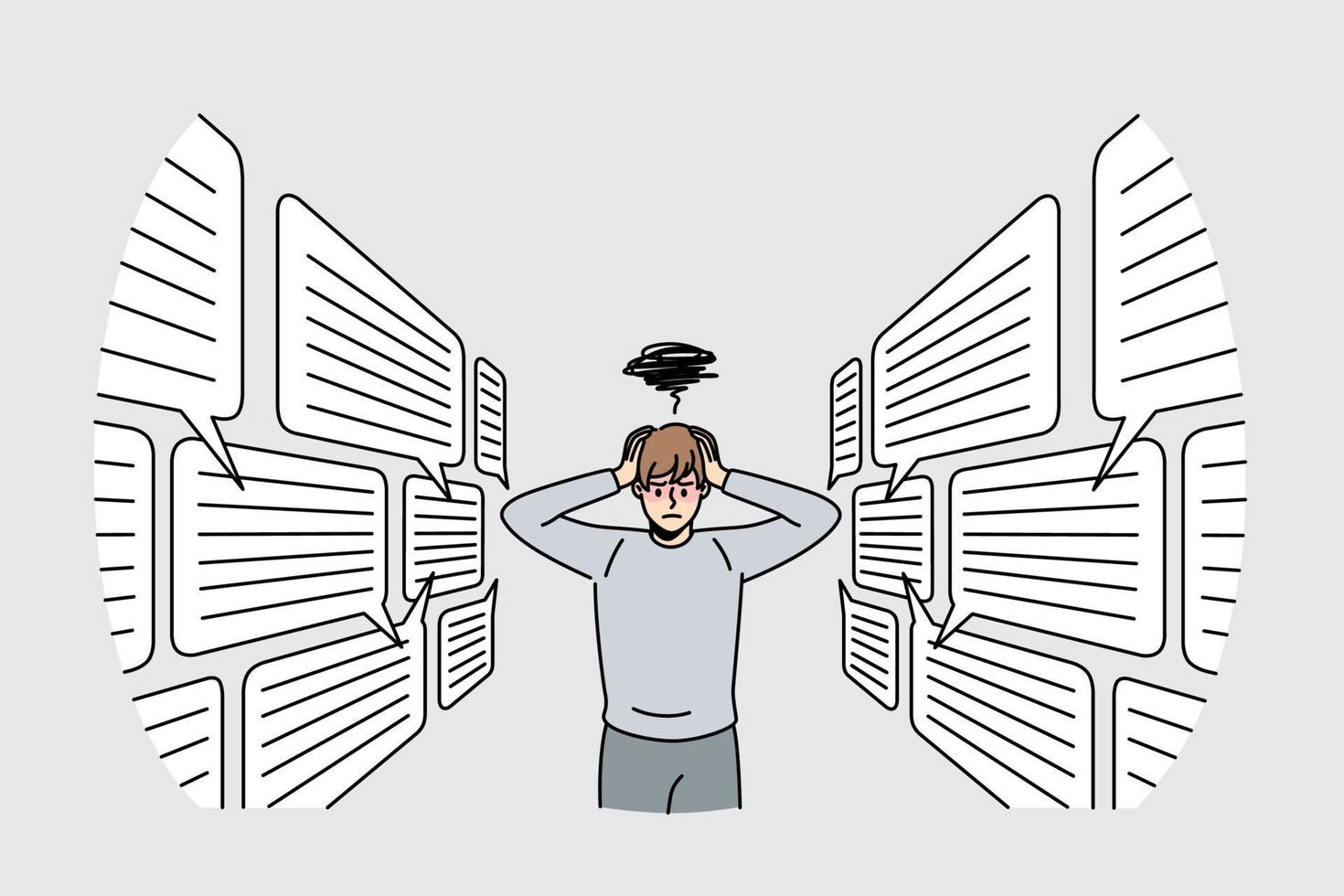
Today, we are living in an era of unprecedented access to information. The exponential growth of digital information has led to a pervasive problem of information overload, affecting decision-making, productivity, and overall well-being. In today's digitally connected world, we are constantly bombarded with vast amounts of data from various sources, including social media, emails, news outlets, and the internet. The sheer volume of information can be overwhelming, leading to anxiety, stress, and decreased productivity.
Causes of Information Overload
The causes of information overload are multifaceted. In the digital age, the ease of access to information has led to a culture of constant information consumption. We are surrounded by notifications, emails, and social media updates, which can create a sense of FOMO (fear of missing out). Additionally, therise of big data has resulted in an explosion of data, making it challenging to distinguish between relevant and irrelevant information. This can lead to mental fatigue, decreased focus, and decreased productivity.
The Effects of Information Overload

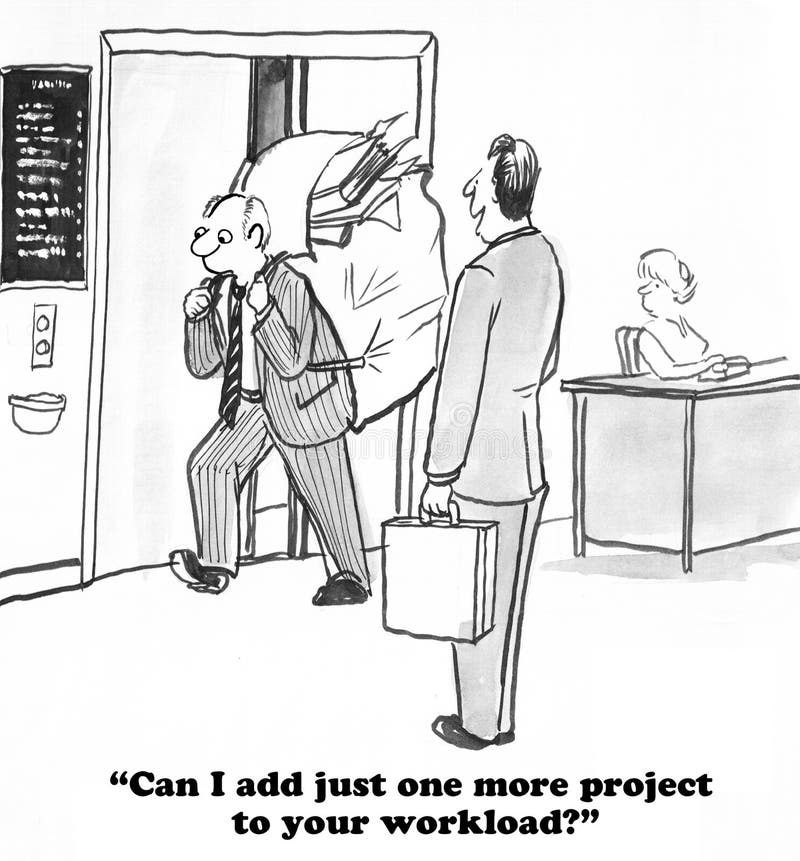
Information overload can have far-reaching consequences, including decreased productivity, increased stress, and impaired decision-making. When we are bombarded with too much information, it can lead to analysis paralysis, making it difficult to make decisions. This can result in missed deadlines, decreased employee morale, and a loss of productivity. Furthermore, information overload can also lead to physical symptoms such as headaches, eye strain, and decreased sleep quality.
Strategies for Managing Information Overload
- Set boundaries: Establish clear boundaries around your information consumption. Set specific times for checking emails, social media, and news outlets.
- Filter and prioritize: Learn to filter and prioritize information based on relevance and importance. Use tools and techniques such as the Eisenhower Matrix to categorize information into urgent vs. important and focus on the critical ones first.
- Use technology to your advantage: Utilize tools such as to-do lists, project management software, and browser extensions to help you manage information and stay organized.
- Take breaks: Regularly take breaks from your digital devices to reduce mental fatigue and improve focus.
- Seek support: Share your struggles with information overload with colleagues, friends, and family, and work together to find solutions.
Conclusion
Managing too much information is a ubiquitous problem in today's digitally connected world. By understanding the causes and effects of information overload, we can take steps to mitigate its negative impacts. By setting boundaries, filtering and prioritizing information, using technology to our advantage, taking breaks, and seeking support, we can regain control of our information intake and improve our productivity and well-being. Remember, effective information management is key to success in the digital age.