Mastering the Art of Surface Mount Micro Soldering: A Comprehensive Guide
With the increasing demand for smaller and more complex electronic devices, surface mount micro soldering has become an essential skill for electronics professionals and hobbyists alike. In this article, we will delve into the world of surface mount micro soldering, exploring the tools, techniques, and best practices required to excel in this challenging field.
What is Surface Mount Micro Soldering?
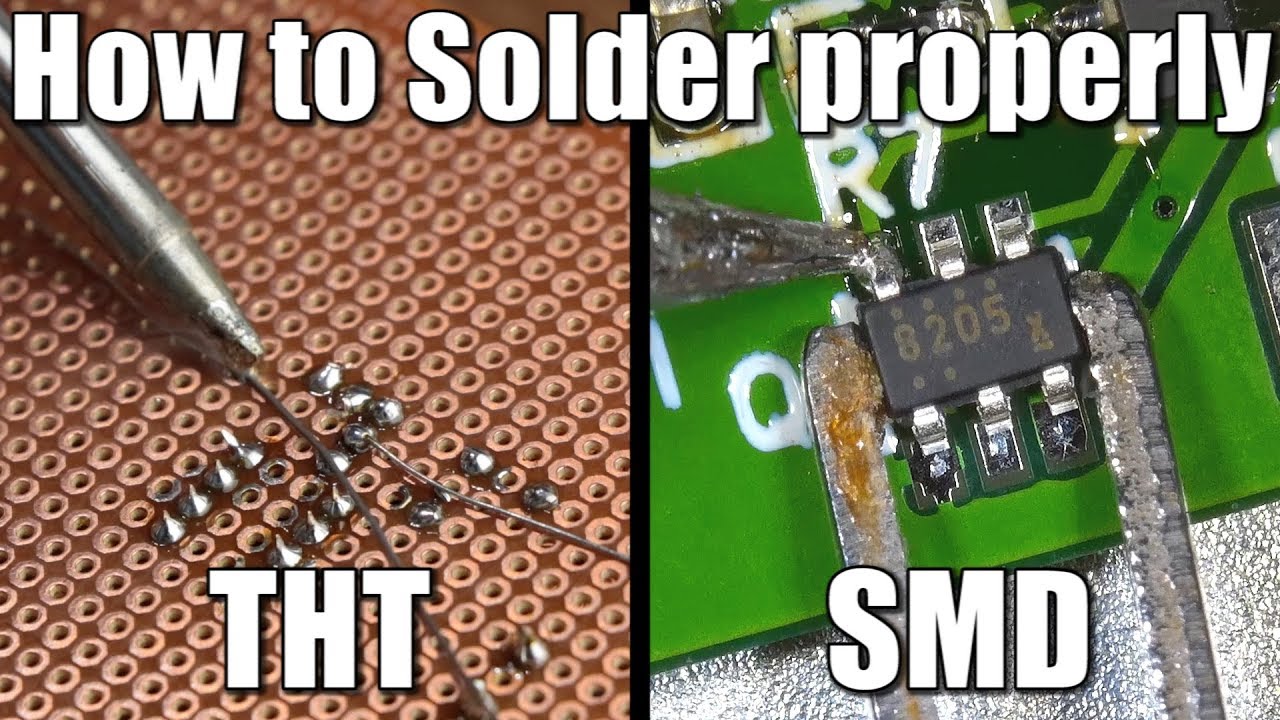
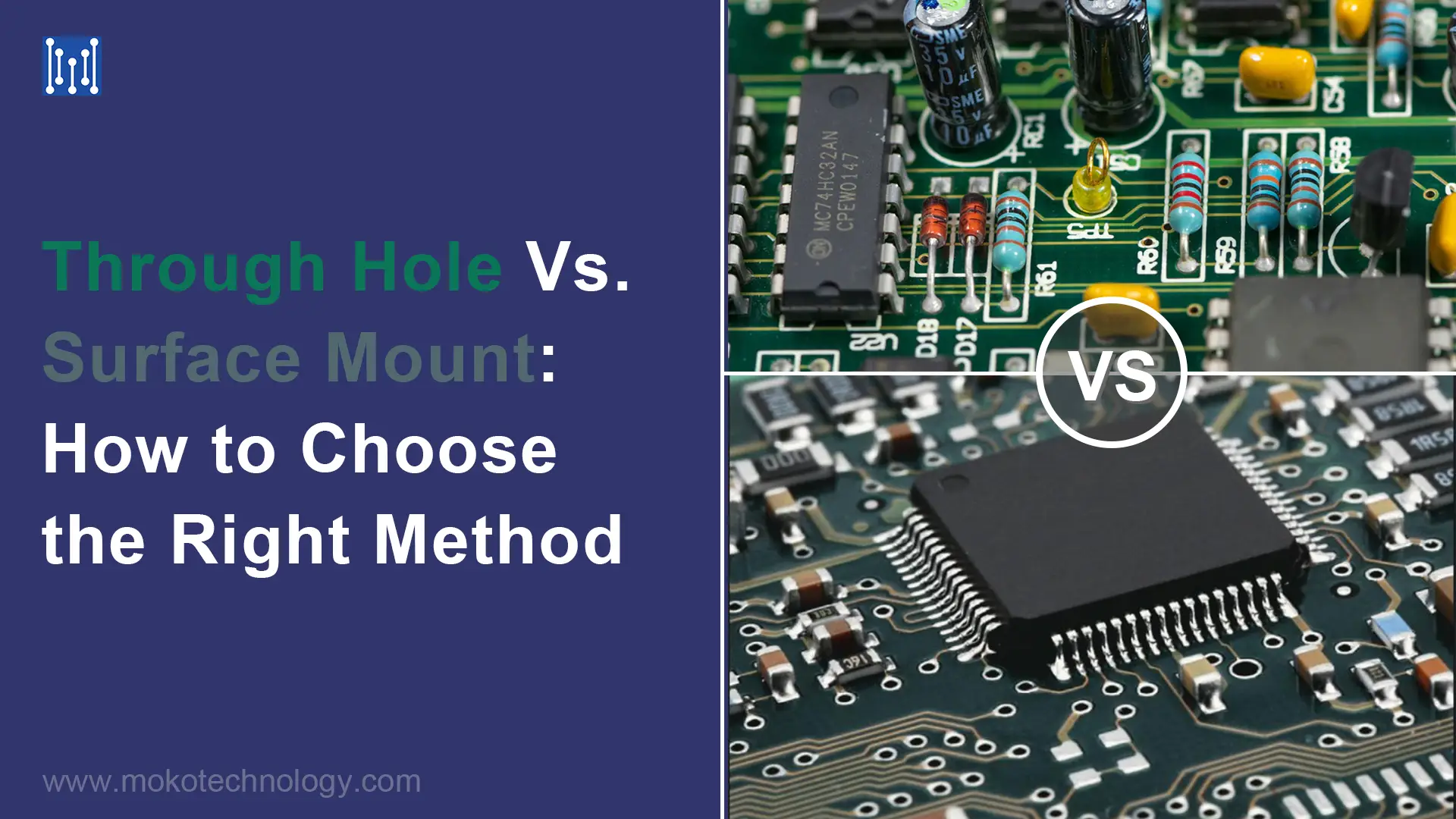
Surface mount micro soldering refers to the process of joining small components to a printed circuit board (PCB) using a soldering iron. These components, known as surface mount devices (SMDs), are typically smaller than 1mm in size and require precise placement and soldering techniques to ensure reliable connections.
The Challenges of Surface Mount Micro Soldering
Surface mount micro soldering presents several challenges, including:
- Component size and shape: SMDs are tiny and have unique shapes, making them difficult to handle and solder.
- Temperature control: SMDs require precise temperature control to prevent damage or oxidation.
- Heat transfer: SMDs have a low thermal mass, making it difficult to transfer heat evenly.
- Viscosity: SMDs require a small amount of solder to prevent bridging or shorts.
Tools and Techniques for Surface Mount Micro Soldering
To overcome the challenges of surface mount micro soldering, professionals and hobbyists use specialized tools and techniques, including:
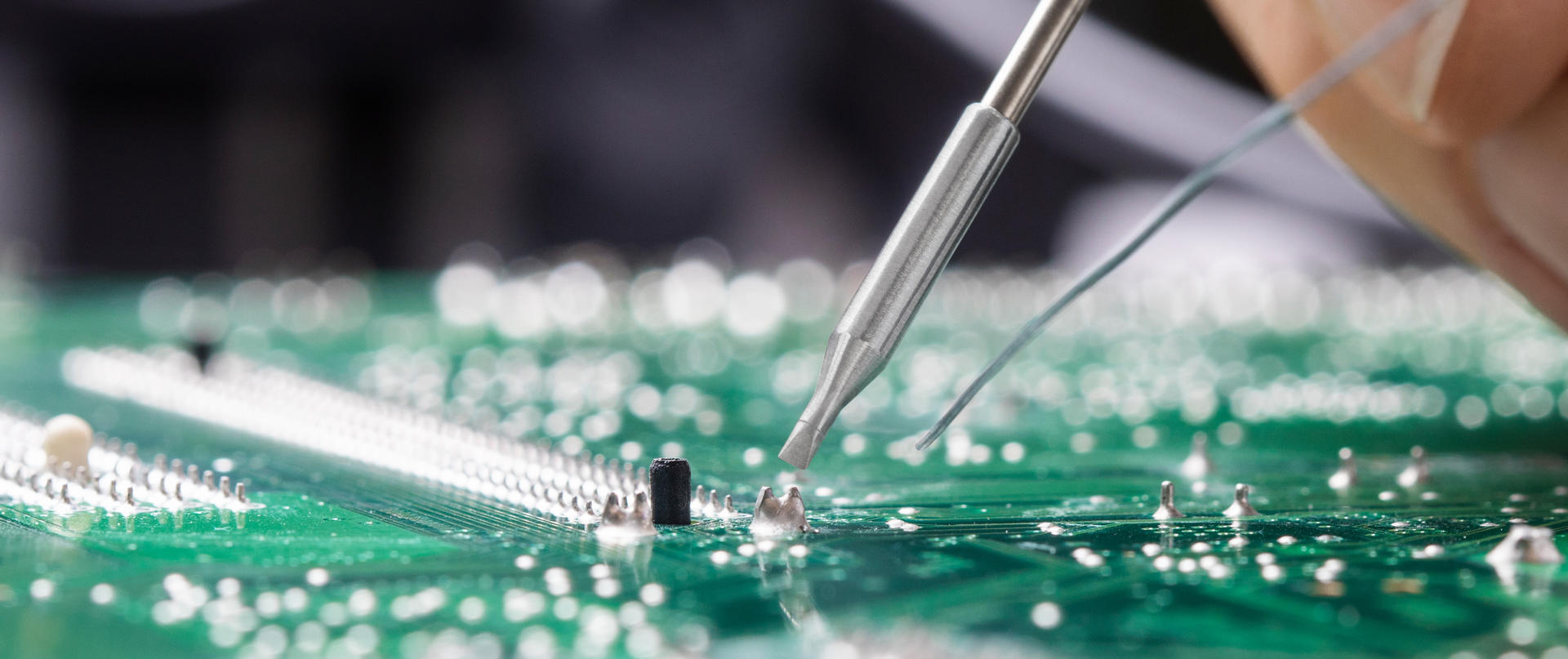
- Soldering irons with high-precision tips and temperature control.
- Solder paste with low viscosity and high melting points.
- Flux and cleaning solutions to prevent oxidation and contamination.
- Microscopes and magnifying glasses to inspect and handle SMDs.
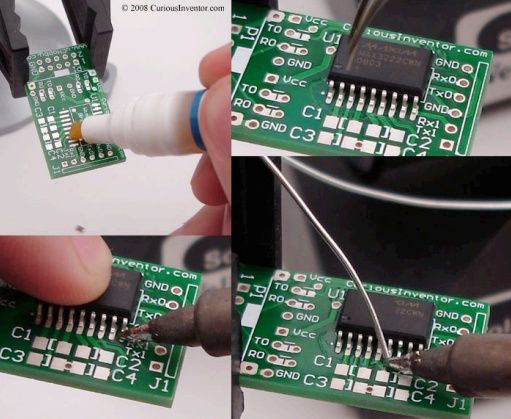
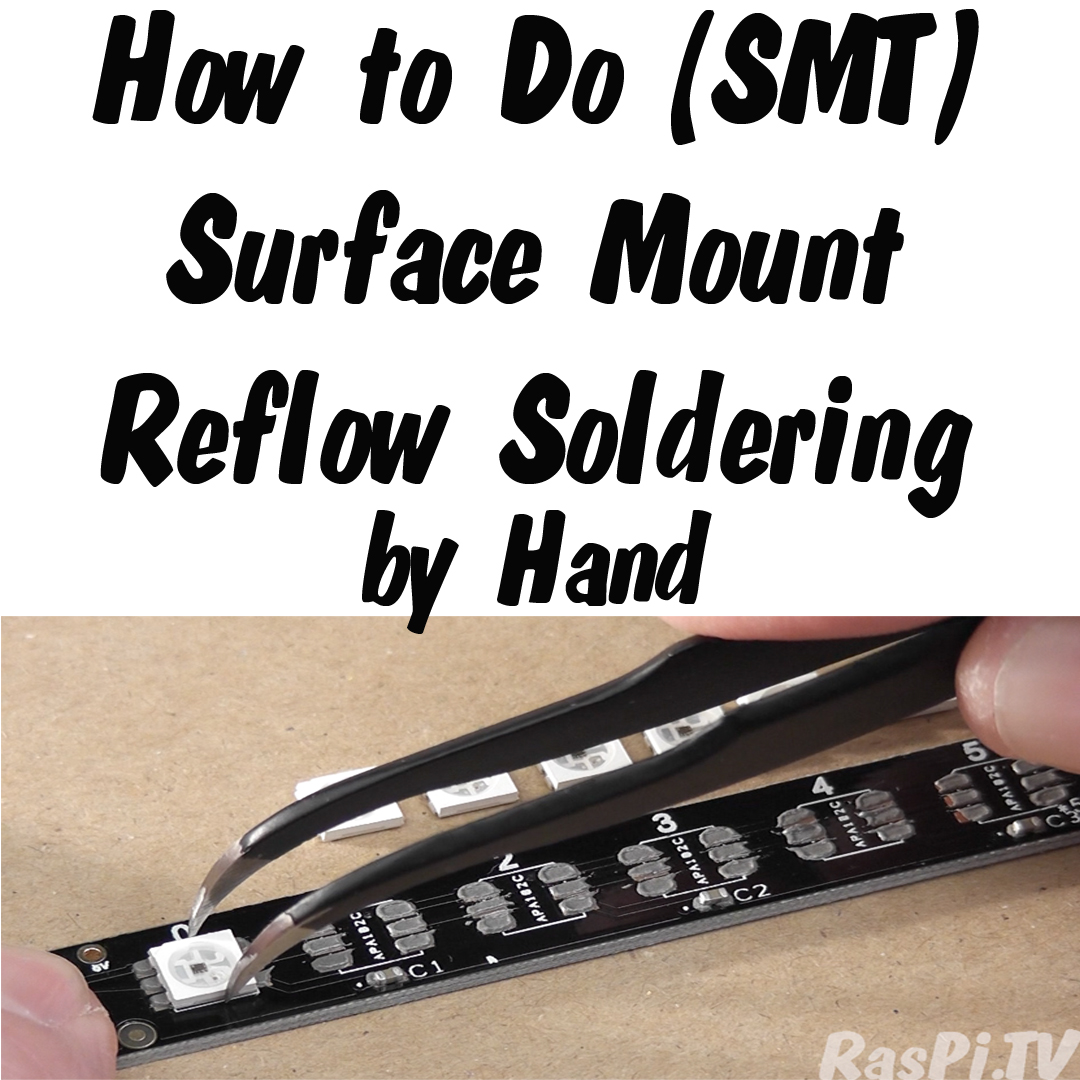
- Manual soldering techniques, such as drag soldering and reflow soldering.
Best Practices for Surface Mount Micro Soldering

To ensure reliable connections and high-quality solder joints, professionals and hobbyists follow best practices, including:
- Use high-quality SMDs and soldering materials.
- Follow proper soldering techniques, such as drag soldering and reflow soldering.
- Use precision tools and equipment, such as soldering irons and microscopes.
- Inspect and clean the soldering area to prevent oxidation and contamination.
- Follow proper temperature control and heat transfer techniques.
Automated Surface Mount Micro Soldering
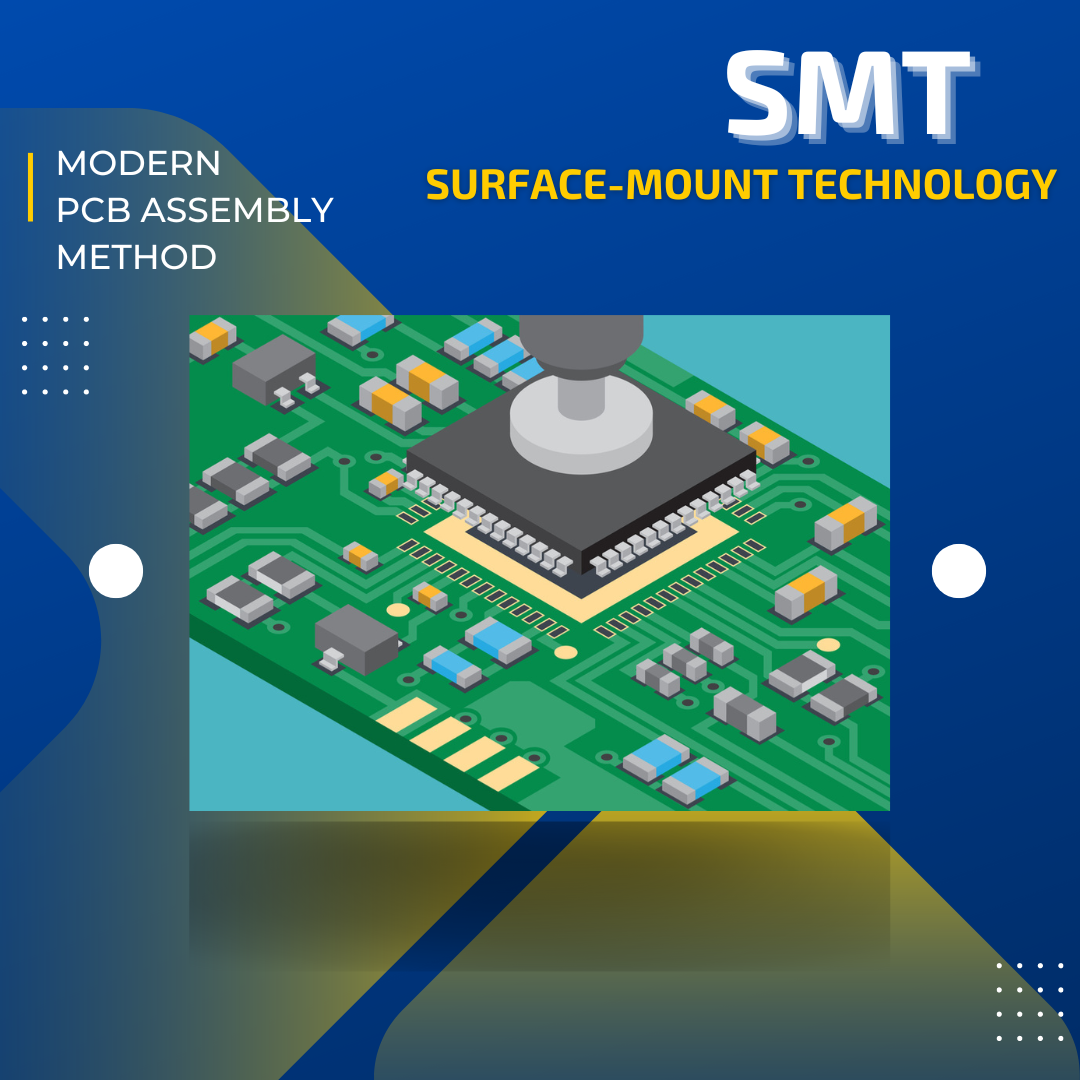
While manual surface mount micro soldering requires skill and patience, automated techniques can increase efficiency and accuracy. Automated surface mount micro soldering involves using specialized equipment, such as reflow ovens and wave soldering machines, to deposit solder onto the PCB.
Conclusion
Surface mount micro soldering is a challenging but rewarding field that requires precision, patience, and practice. By mastering the tools, techniques, and best practices outlined in this article, professionals and hobbyists can achieve high-quality solder joints and reliable connections in even the most complex electronic devices.
Recommended Resources
For further learning and practice, we recommend the following resources:
- PCBWay: A online platform for PCB design and manufacturing.
- SMDSolderingGuide: A comprehensive guide to surface mount soldering and PCB assembly and repair.
- SolderingPractice Kit: A DIY electronic kit for learning surface mount soldering techniques.