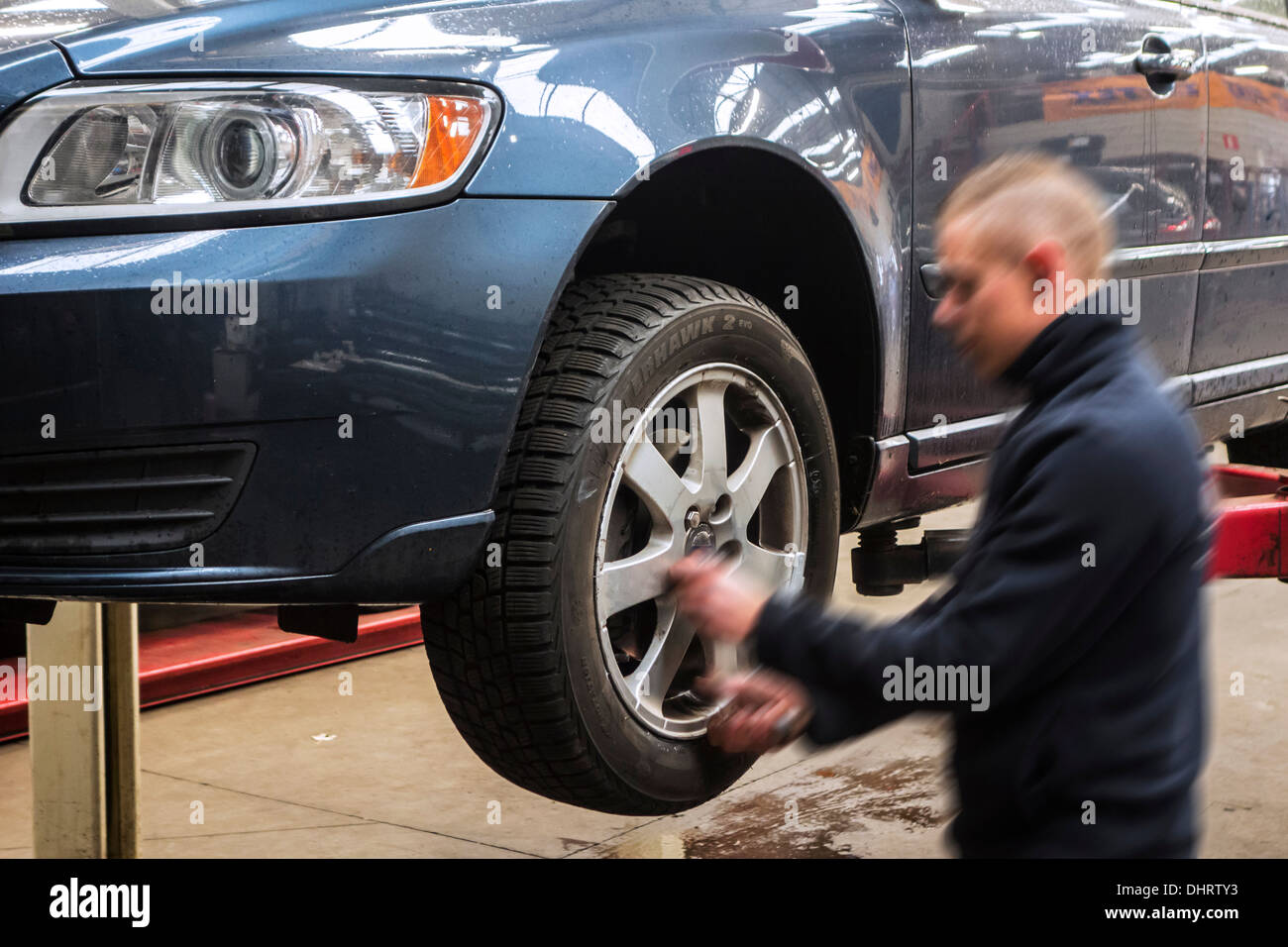
Wheel Changing for Cars: A Comprehensive Guide
Whether you're a seasoned driver or a novice behind the wheel, knowing how to change a wheel on your car can be a lifesaver in emergency situations. Not only is it a useful skill to have, but it can also save you time and money by avoiding costly tow truck fees and allowing you to get back on the road quickly.
Why Learn How to Change a Wheel?
There are several reasons why learning how to change a wheel is an essential skill for car owners:
- Emergency situations: A flat tire or other wheel-related issues can leave you stranded on the side of the road. Knowing how to change a wheel gives you the confidence to handle these situations.
- Convenience: Changing a wheel yourself can save you time and money by avoiding tow truck fees and allowing you to get back on the road quickly.
- Dealer fees: Whether you're doing it yourself or hiring a professional, learning how to change a wheel can help you avoid the costs associated with having a tow truck driver do it for you.
- Maintenance: Regular wheel changes can help you stay on top of your car's maintenance needs and ensure your vehicle runs smoothly and efficiently.
The Tools and Equipment You'll Need
Before you start, make sure you have the necessary tools and equipment to change your wheel safely and efficiently:
- Wheel chocks or blocks: These are essential for securing the car and preventing it from rolling.
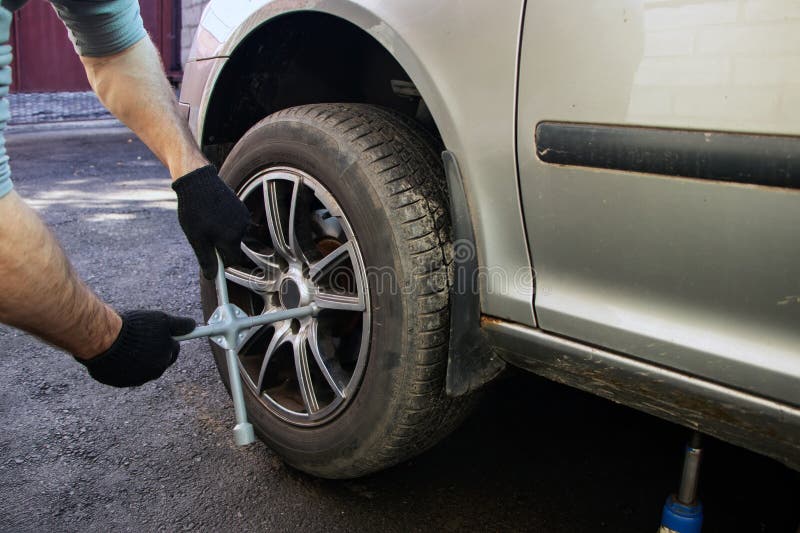
- Lug wrench: Also known as a tire iron, this is used to loosen the lug nuts.
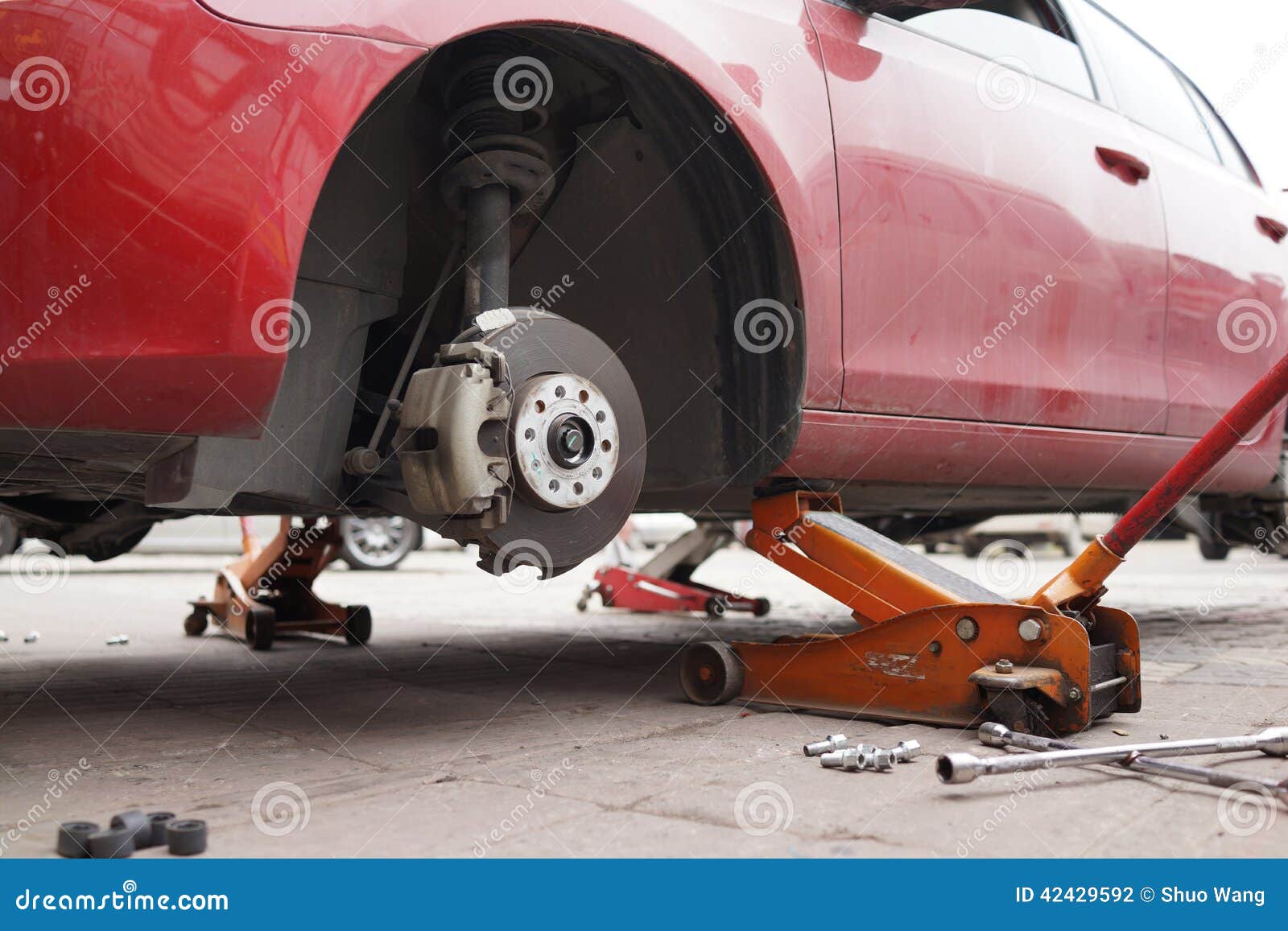
- Jack: This is used to lift the car and provide clearance for the new wheel.
- Wheel nut key: This is used to tighten the new wheel.
- Spare tire: This should be in good condition and the correct size for your car.
- Car jack stands (optional): These provide additional safety and support when lifting the car.
The Step-by-Step Process
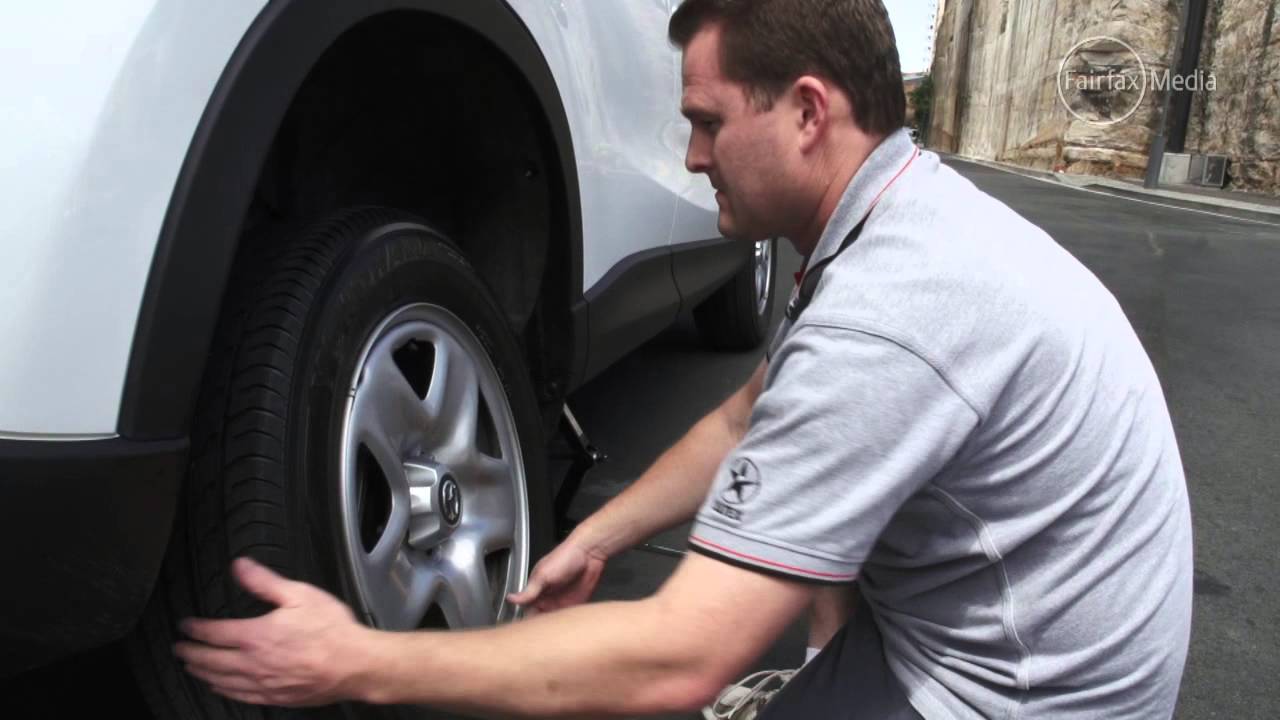
Changing a wheel may seem daunting, but with the right tools and a little know-how, it can be done safely and efficiently. Here's a step-by-step guide:
Step 1: Find a Safe Location
Move your car to a flat surface, away from traffic, and engage the parking brake. Turn off the engine and put the car in park (or the equivalent for your vehicle).
Step 2: Gather Your Tools
Make sure you have the necessary tools and equipment within reach, including the lug wrench, jack, wheel nut key, and spare tire.
Step 3: Loosen the Lug Nuts

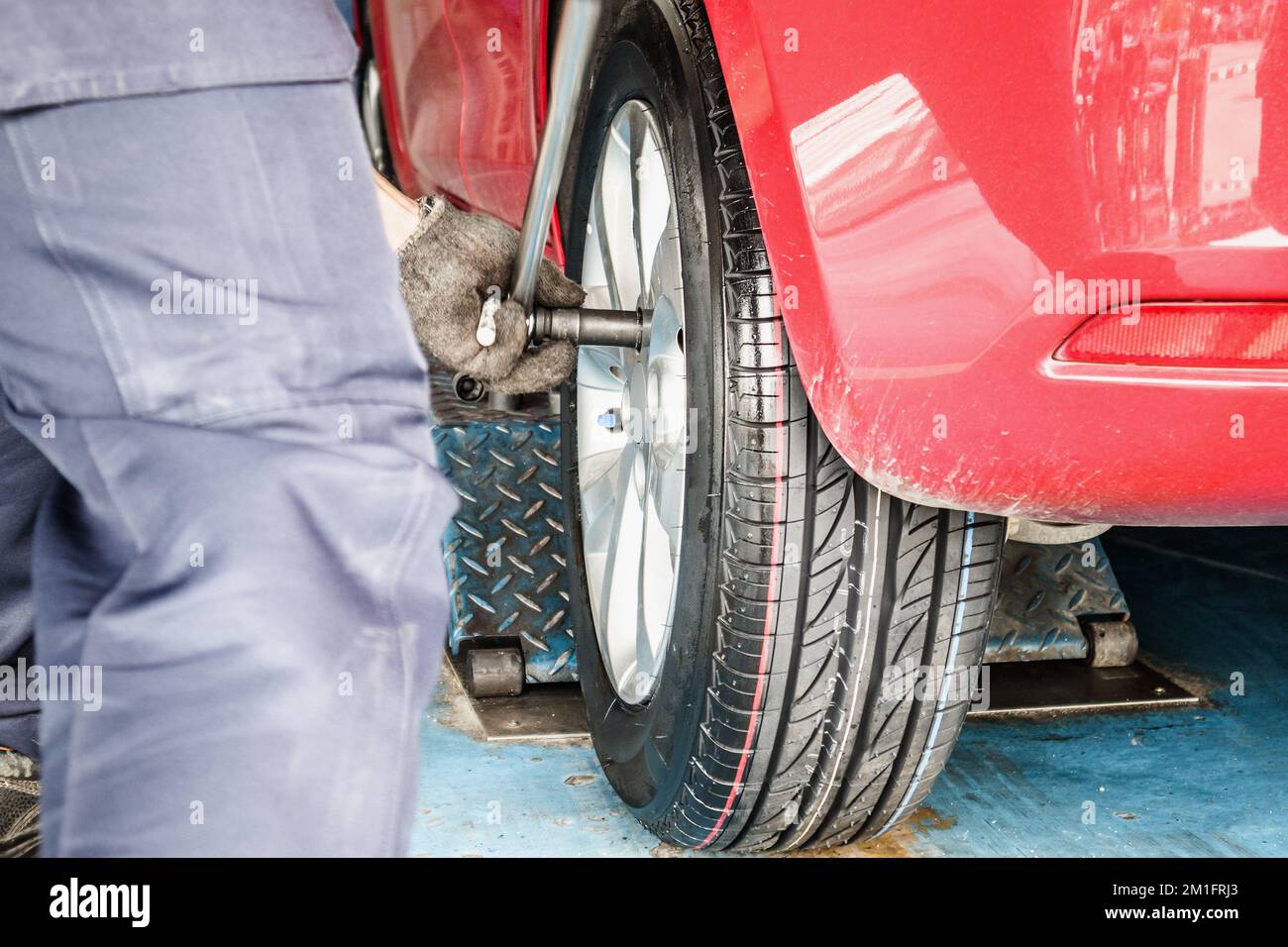
Use the lug wrench to loosen the lug nuts on the flat tire. Make sure they are completely removed before proceeding.
Step 4: Raise the Car
Position the jack under the car's frame and raise it until the flat tire is off the ground. Make sure the jack is stable and sturdy.
Step 5: Remove the Flat Tire
Completely remove the flat tire and inspect the wheel for any signs of damage or stress.
Step 6: Install the Spare Tire
Place the spare tire onto the wheel and hand tighten the lug nuts.
Step 7: Lower the Car
Carefully lower the car to the ground using the jack and ensure it's stable and secure.
Step 8: Tighten the Lug Nuts
Use the wheel nut key to tighten the lug nuts in a star pattern until they are snug.
When to Seek Professional Help
While changing a wheel can be done yourself, there are situations where it's best to seek professional help:
- Multi-angled wheels: If your car has multi-angled wheels, it's recommended to seek the help of a professional mechanic to avoid damaging the wheels or the vehicle.
- Low clearance: If you're working with a car that has low clearance, it's best to seek the help of a professional mechanic or a car jacking expert to avoid damaging the undercarriage or other components.
- Uncertainty: If you're unsure about any aspect of the wheel-changing process, it's always best to err on the side of caution and seek the help of a professional mechanic.