Is Shrimp Bad for Fetus Development? Separating Fact from Fiction
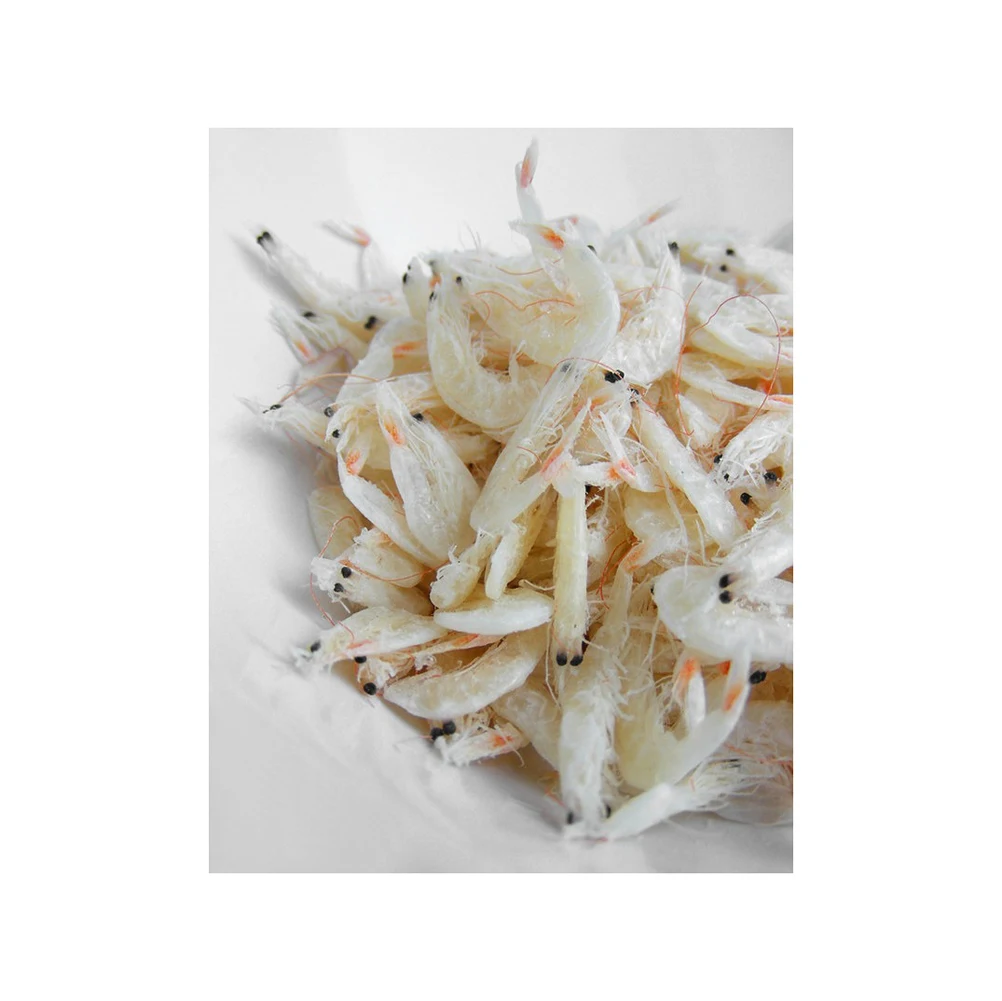
Pregnancy is a delicate time where the mother's nutrition plays a crucial role in the development and well-being of the growing baby. While certain seafood options are known to contain high levels of mercury and should be avoided during pregnancy, shrimp is often a topic of debate among expectant mothers. Some sources suggest that shrimp can be enjoyed in moderation, providing essential nutrients for the baby's growth and development, while others raise concerns about the potential risks.The Nutritional Benefits of Shrimp for Fetal Development
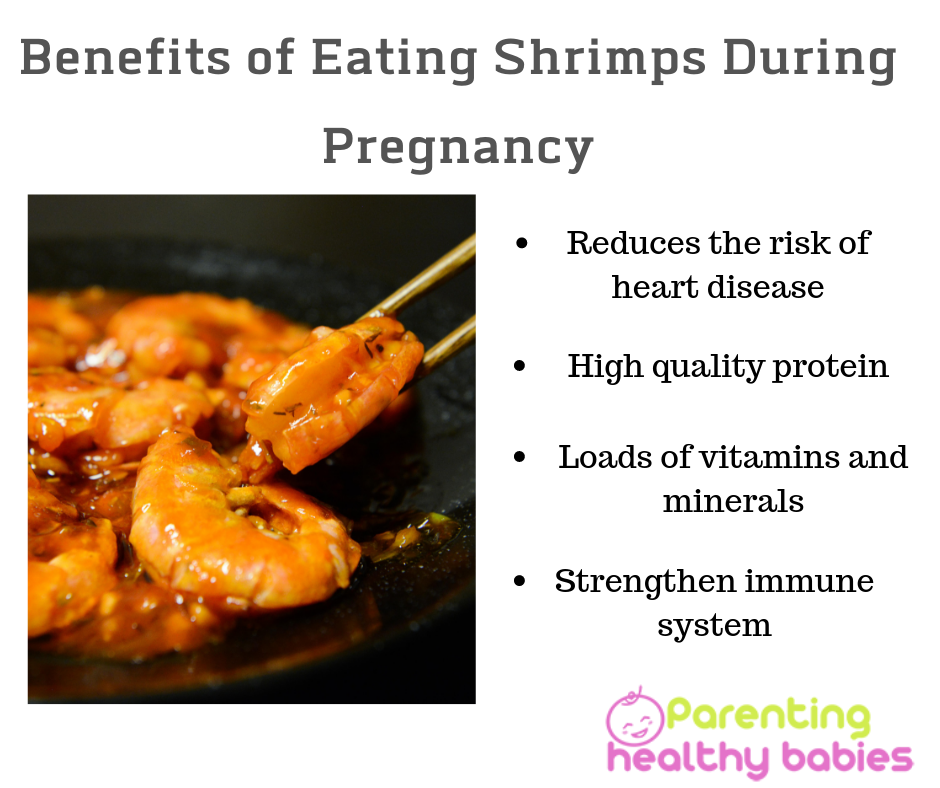
Protein: Shrimp is a high-quality source of lean protein, crucial for fetal growth and maternal health during pregnancy. Omega-3 Fatty Acids: It contains omega-3 fatty acids, particularly DHA (docosahexaenoic acid), which supports the development of the baby's brain and eyes.
The Risks Associated with Shrimp Consumption during Pregnancy
While shrimp can be a nutritious addition to a pregnant woman's diet, there are potential risks to consider. Mercury is a neurotoxin that can affect fetal brain development, and consuming high levels of mercury during pregnancy can have negative consequences. According to the Food and Drug Administration (FDA), shark and swordfish are high in mercury and should be avoided during pregnancy.- High mercury levels: Shrimp contains minimal mercury, but consuming high levels of contaminated fish can harm fetal development.
- Foodborne illnesses: Raw or undercooked seafood can contain harmful pathogens that cause foodborne illnesses and have a negative impact on maternal health and the fetus.
Conclusion: Navigating the Safety of Shrimp during Pregnancy
Recommendations for Safe Shrimp Consumption during Pregnancy
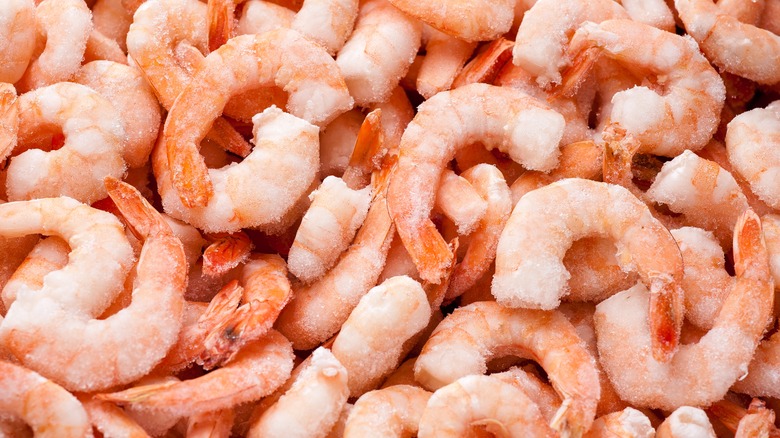
- Choose low-mercury seafood: Opt for shrimp and other low-mercury seafood options, such as crab and fish sticks.
- Cook seafood thoroughly: Raw or undercooked seafood can contain harmful pathogens, so ensure it is cooked to an internal temperature of at least 145°F (63°C).
- Be mindful of contamination: Avoid consuming fish with high mercury levels, such as shark and swordfish.