Hyperconnectivity in the Telecommunications Industry: A Revolutionary Shift
The telecommunications industry is undergoing a transformative shift, driven by the increasing demand for seamless, high-speed connectivity, artificial intelligence (AI)-driven personalization, and sustainable practices. This paradigm shift, known as hyperconnectivity, is reshaping consumer expectations and business strategy for telecom companies.
What is Hyperconnectivity?
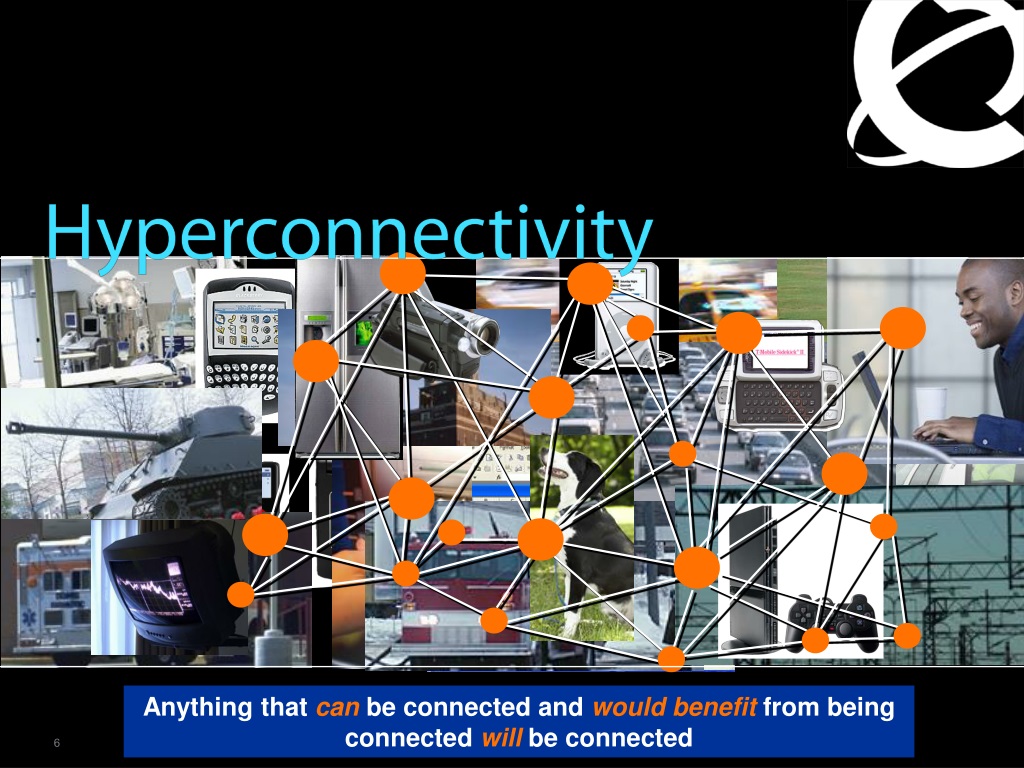
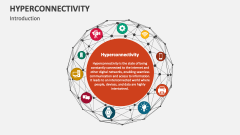
Hyperconnectivity is a term that refers to the exponential growth of connected devices, users, transactions, and applications, resulting in a complex network of interactions and exchanges. This phenomenon is driven by the rapid development of technologies such as 5G, AI, blockchain, and quantum computing, which are transforming the way we live, work, and communicate.
The Rise of Hyperconnectivity
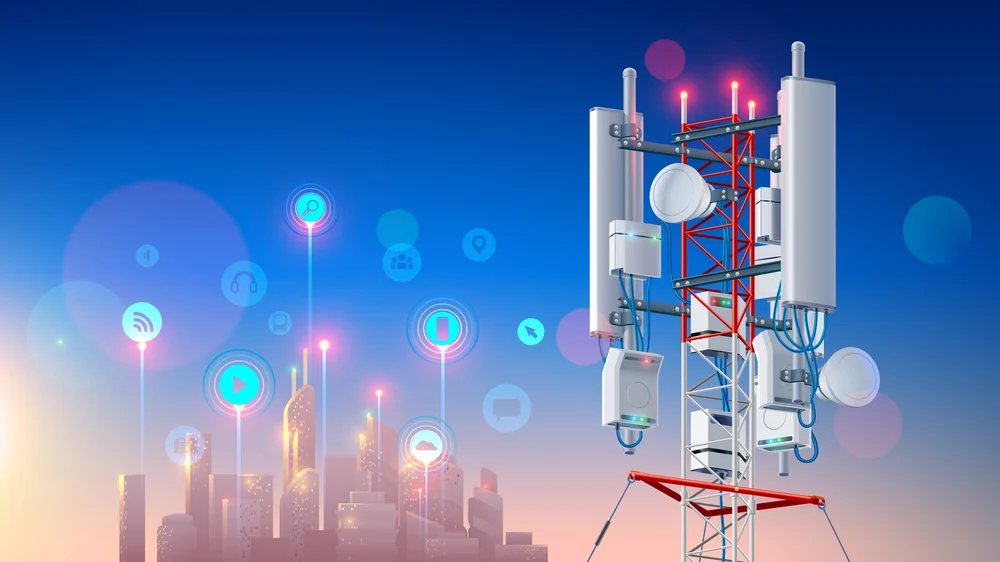
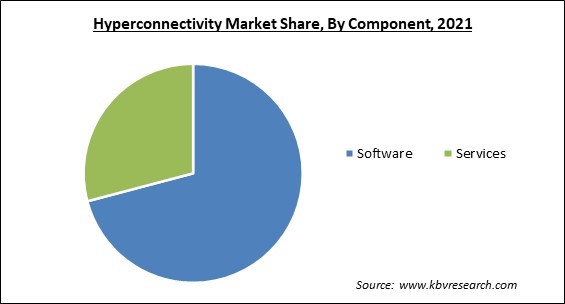
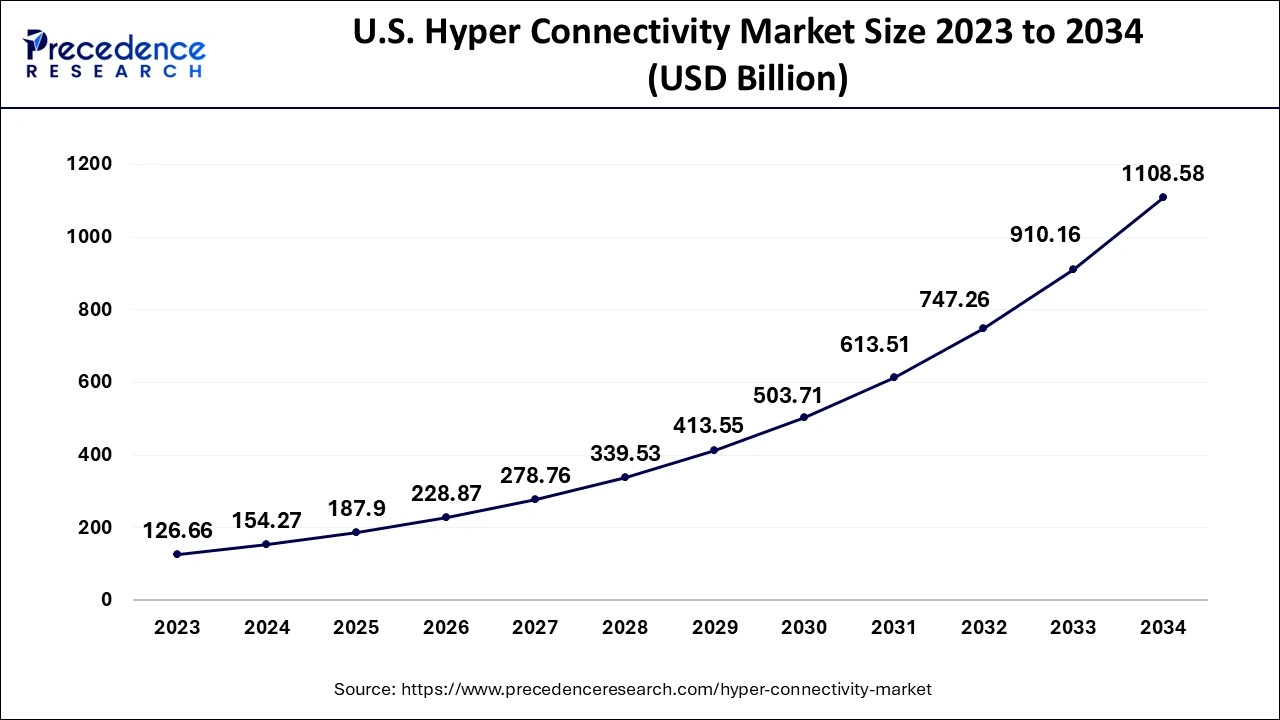
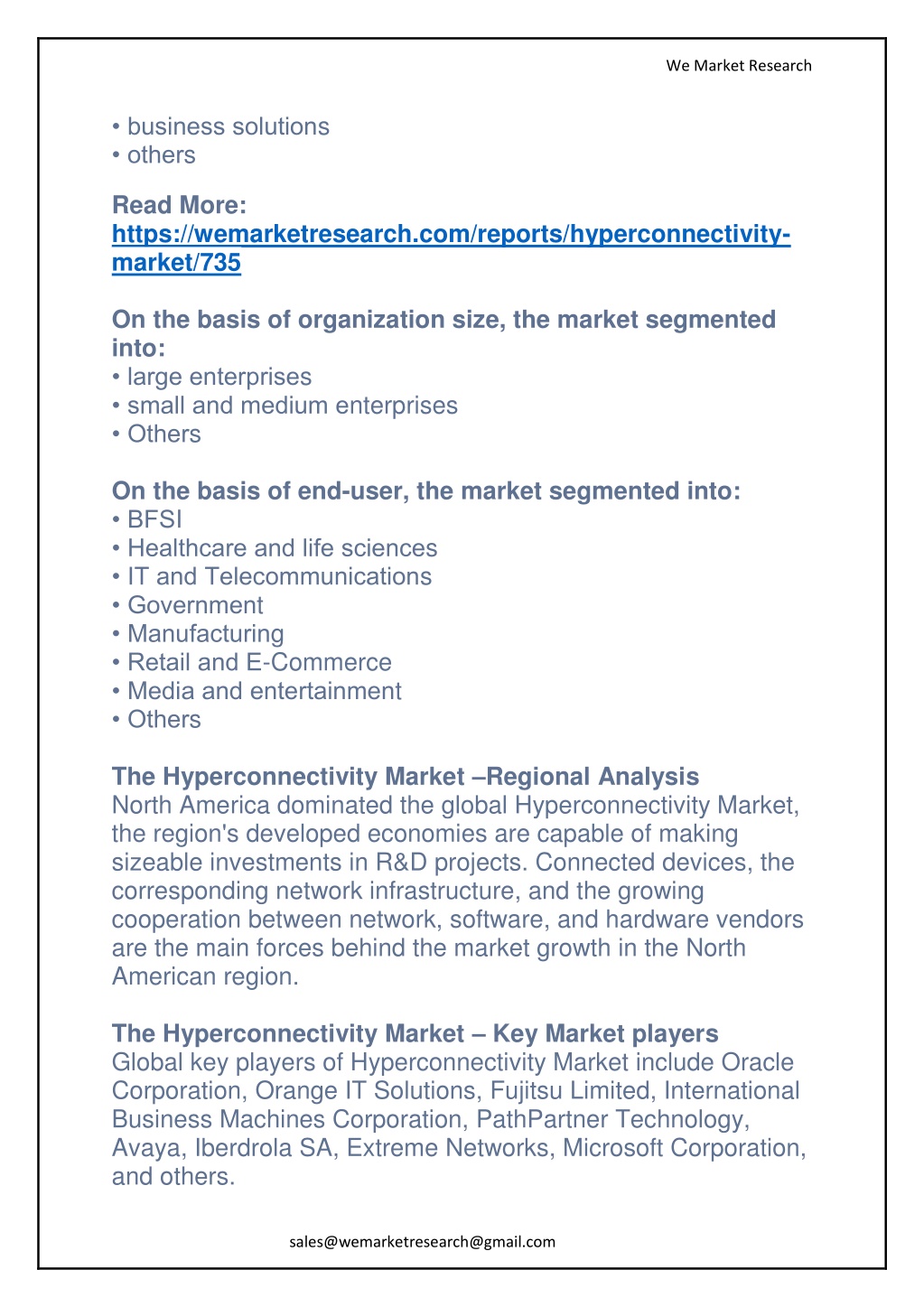
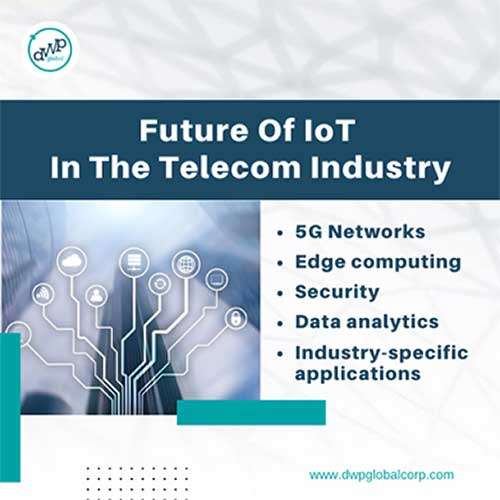
The telecommunications industry is at the forefront of this revolution, with connectivity and digital services driving the demand for innovative solutions. The proliferation of 5G networks, Internet of Things (IoT) deployments, and edge computing applications are creating new opportunities for growth and transformation. As a result, the global hyperconnectivity market is expected to reach $1045.1 billion by 2028, rising at a market growth of 19.0% CAGR during the forecast period.
Key Trends and Opportunities
- Faster wireless connectivity driven by the development of 6G technology
- Increased demand for seamless, high-speed connectivity
- AI-driven personalization and sustainable practices
- The expansion of private 5G and the intensification of Hybrid Cloud
- The convergence of various sectors, including telecommunications, healthcare, and transportation
- The development of integrated solutions that enhance efficiency and user experience
Challenges and Opportunities

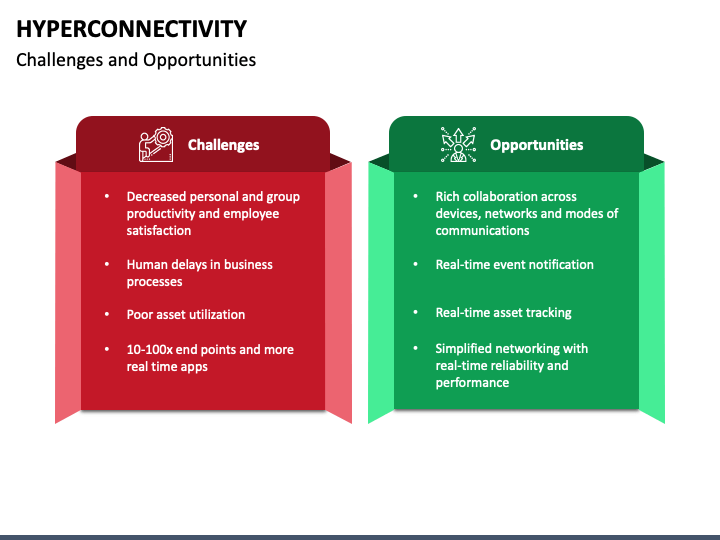
While hyperconnectivity presents numerous opportunities for growth and innovation, it also poses significant challenges for the telecommunications industry. Rising operating costs, regulatory compliance, and supply chain issues are just a few of the hurdles that companies must navigate in order to remain competitive.
The Future of Telecommunications
As the telecommunications industry continues to evolve, it is clear that hyperconnectivity will play a pivotal role in shaping the global digital economy. By embracing new technologies and innovative solutions, companies can unlock new efficiencies, elevate customer experiences, and drive business growth. However, it is also essential that the industry prioritizes sustainability and responsible practices in order to create a more equitable and environmentally friendly digital world.
Conclusion
Hyperconnectivity is a revolutionary shift that is transforming the telecommunications industry. As the demand for seamless, high-speed connectivity continues to grow, companies must adapt and innovate in order to remain competitive. By prioritizing sustainability, embracing new technologies, and developing integrated solutions, the telecommunications industry can create a more connected, efficient, and sustainable world.
References
- World Economic Forum
- McKinsey & Company
- Capgemini
- Forrester Research
- International Telecommunication Union (ITU)