Can Cats Drink Unsweetened Almond Milk?
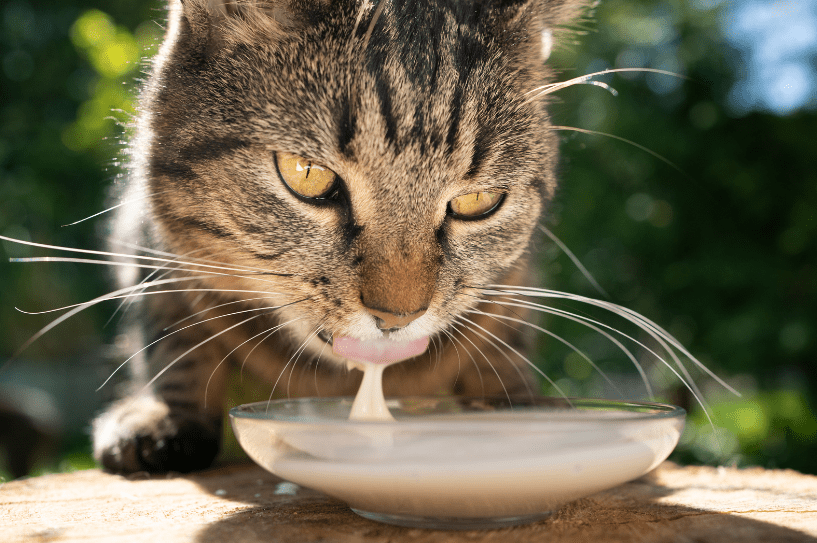
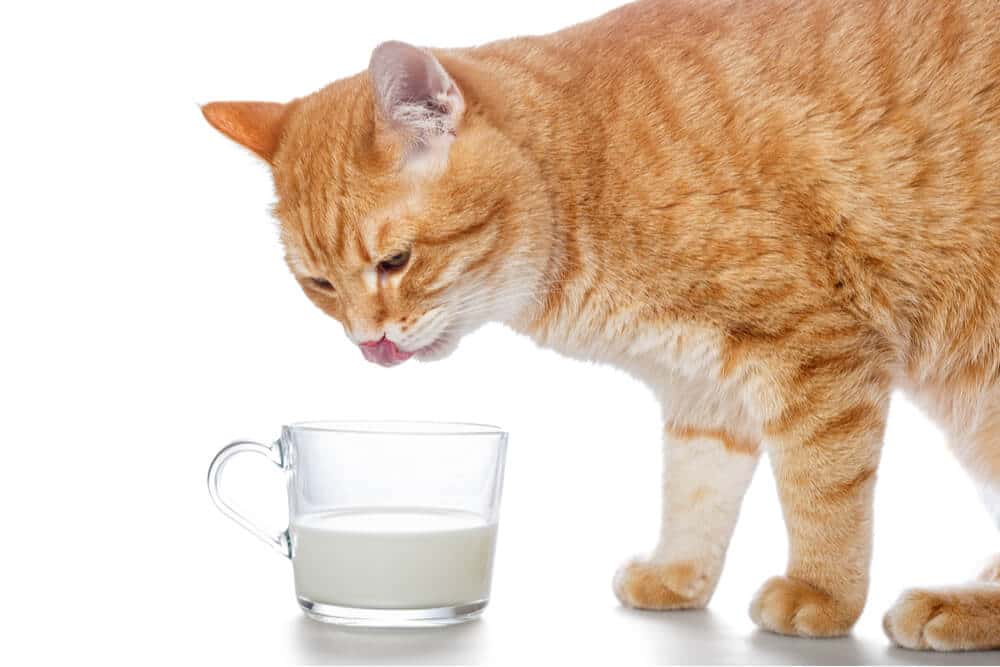
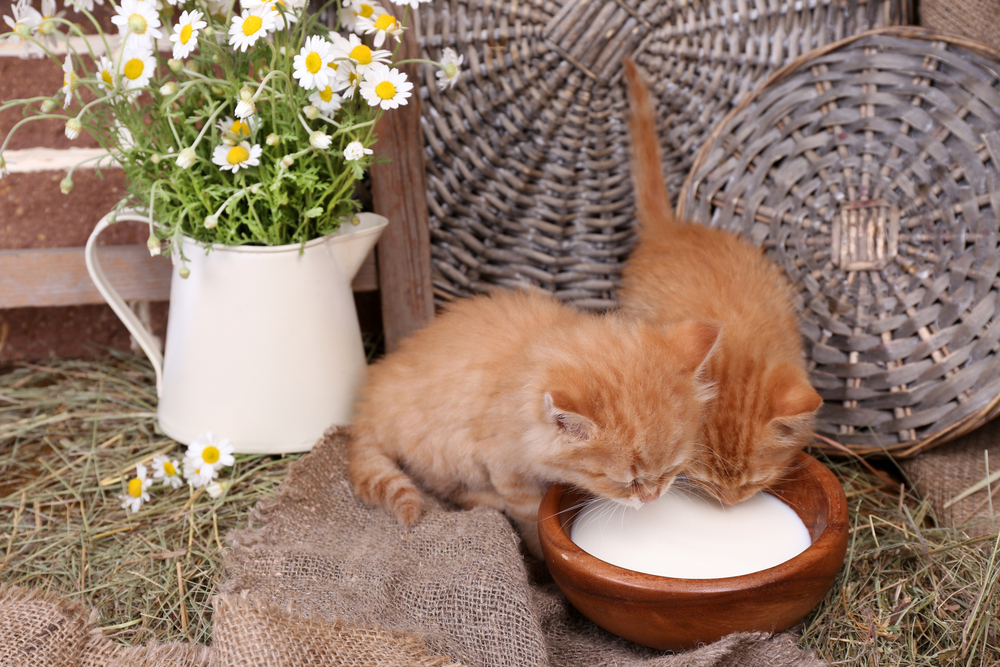
Cats are infamous for being milk fiends, but the truth is that milk is not a nutritious or safe choice for them. In recent years, plant-based milk alternatives like almond milk have gained popularity, leading to questions about whether cats can drink unsweetened almond milk. While almond milk is not toxic to cats, it's essential to understand its nutritional value and potential risks before offering it to your feline friend.
The Nutritional Value of Almond Milk
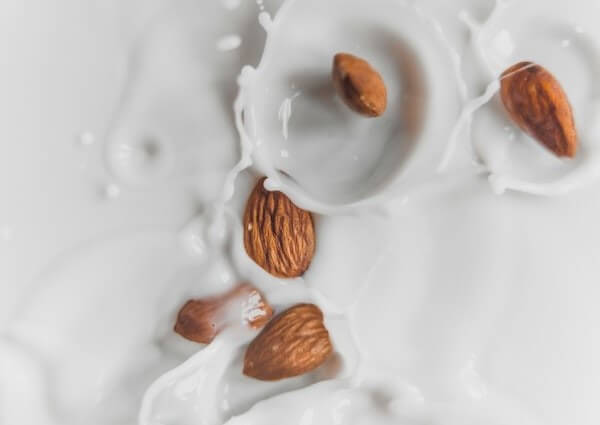
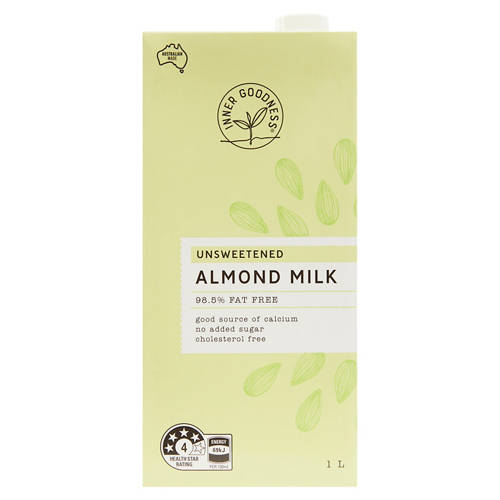
Almond milk is a plant-based beverage made from almonds and water. It's lactose-free and low in calories, making it a popular choice for those looking for a dairy-free alternative. However, when it comes to cats, almond milk lacks essential nutrients that felines require. Cats need animal-based proteins, fats, and amino acids like taurine to stay healthy, which are not found in almond milk.
Benefits and Risks of Almond Milk for Cats
While almond milk is not toxic to cats, it's essential to consider the potential risks. Almond milk can cause gastrointestinal problems, and cats may experience allergic reactions or intolerance to the almonds used in the milk. Additionally, unsweetened almond milk may contain additives like salt or artificial sweeteners, which can be detrimental to feline health.
Safe Consumption Guidelines for Cats
If you decide to offer your cat unsweetened almond milk, follow these guidelines to ensure safe consumption:
- Moderation: Offer almond milk in small amounts and only as an occasional treat.
- Choose an unsweetened variety: Select a brand that uses natural ingredients and avoids added sugars or artificial sweeteners.
- Introduce it slowly: Start with a small amount (no more than a teaspoon) and monitor your cat's reaction.
- Watch for signs of distress: Look out for lethargy, diarrhea, or vomiting, and consult your veterinarian if you notice any adverse reactions.
When to Avoid Almond Milk for Cats
It's crucial to avoid offering almond milk to certain cat populations:
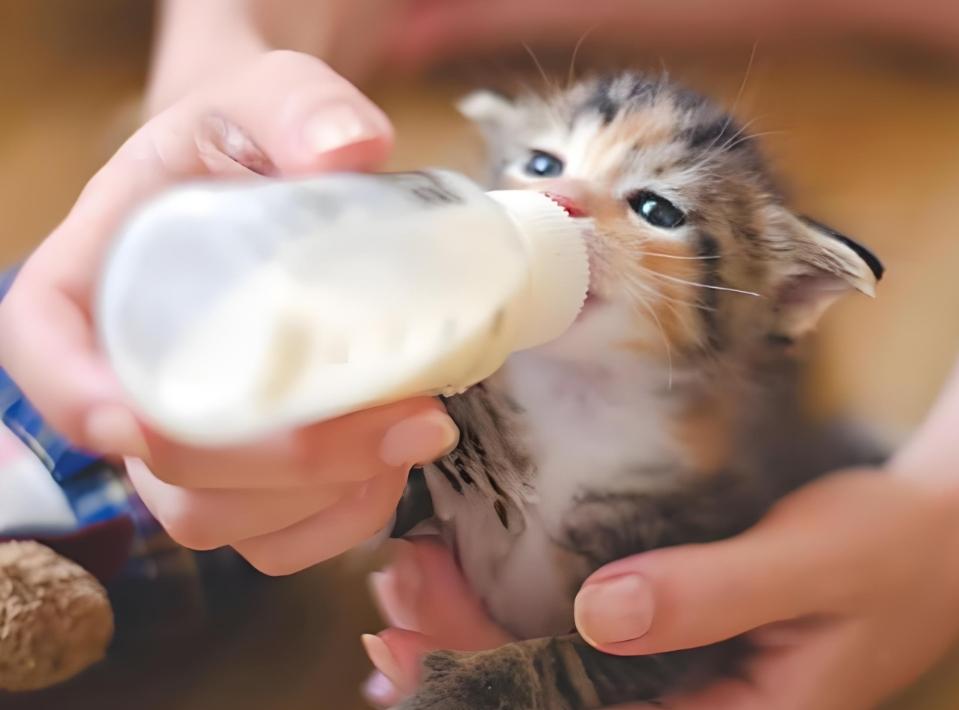
- Kittens: Their developing digestive systems may be more sensitive to almond milk's ingredients.
- Senior cats: Older cats may experience more severe gastrointestinal problems or allergic reactions.
- Cats with chronic diseases: Cats with conditions like diabetes, pancreatitis, or IBD may require special diets and should avoid almond milk.
- Cats with known nut allergies: If your cat has a history of allergies or intolerance, it's best to avoid almond milk altogether.
Alternatives to Almond Milk for Cats
If you're looking for a milk alternative for your cat, consider the following:
- Water: The best beverage choice for cats is still water, which provides essential hydration without added calories or nutrients.
- Cat-friendly milk alternatives: Look for brands that offer cat-friendly milk alternatives, such as cow's milk or goat's milk, which are formulated specifically for felines.
Conclusion
In conclusion, while almond milk is not toxic to cats, it's essential to understand its nutritional value and potential risks before offering it to your feline friend. Almond milk lacks essential nutrients and can cause gastrointestinal problems, so it's best to use it in moderation or avoid it altogether. Consult with your veterinarian to determine the best milk alternative for your cat.