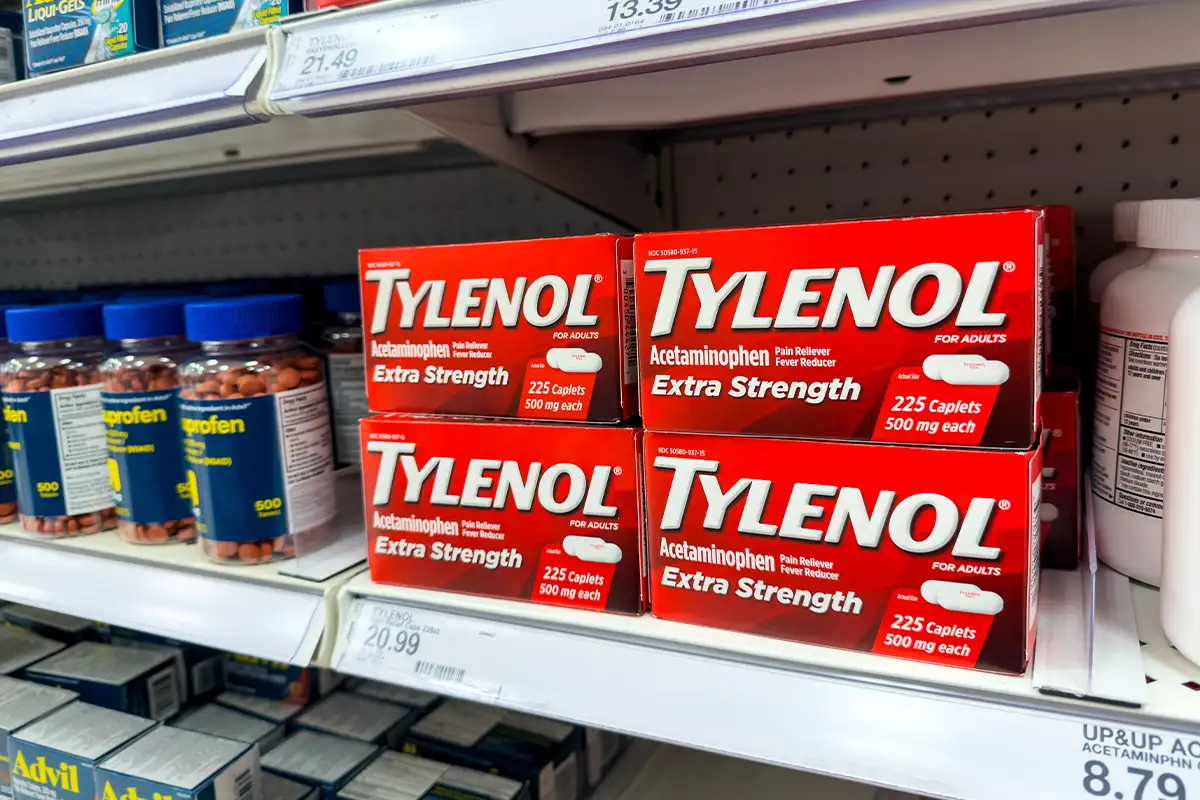
Can I Give My Dog Tylenol?
As a pet owner, it's natural to want to help your furry friend feel better when they're in pain or discomfort. However, when it comes to giving your dog human medications like Tylenol, it's essential to exercise caution and follow the guidance of your veterinarian.
The Dangers of Giving Tylenol to Dogs
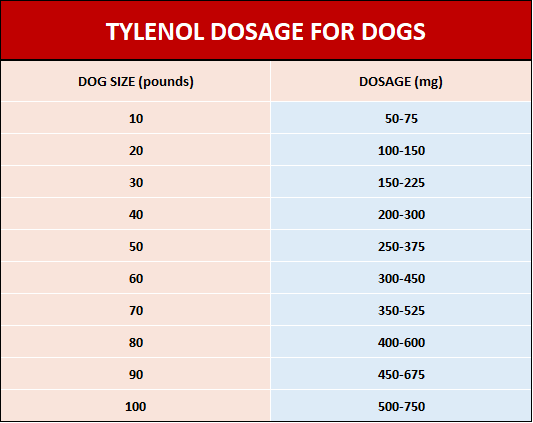
Tylenol, or acetaminophen, is a widely used over-the-counter medication for humans to relieve pain and fever. However, it can be toxic to dogs, even in small amounts. The risks of giving Tylenol to dogs include liver damage, red blood cell toxicity, and even death.
Why Can't I Give My Dog Tylenol?
One of the main reasons why you shouldn't give your dog Tylenol is that they process medications differently than humans. Dogs have a different liver metabolism, which means that even small amounts of acetaminophen can build up to toxic levels in their system.
Additionally, dogs are more prone to liver damage from acetaminophen than humans. According to the ASPCA, acetaminophen is one of the most common toxic substances ingested by dogs, resulting in approximately 10,000 calls to animal poison control centers each year.
Alternatives to Tylenol for Dogs
If your dog is in pain or discomfort, there are safer alternatives to Tylenol that you can discuss with your veterinarian. These may include:
- Canine-friendly pain medications
- Non-steroidal anti-inflammatory drugs (NSAIDs)
- Natural remedies like glucosamine and chondroitin
- Physical therapy and exercise
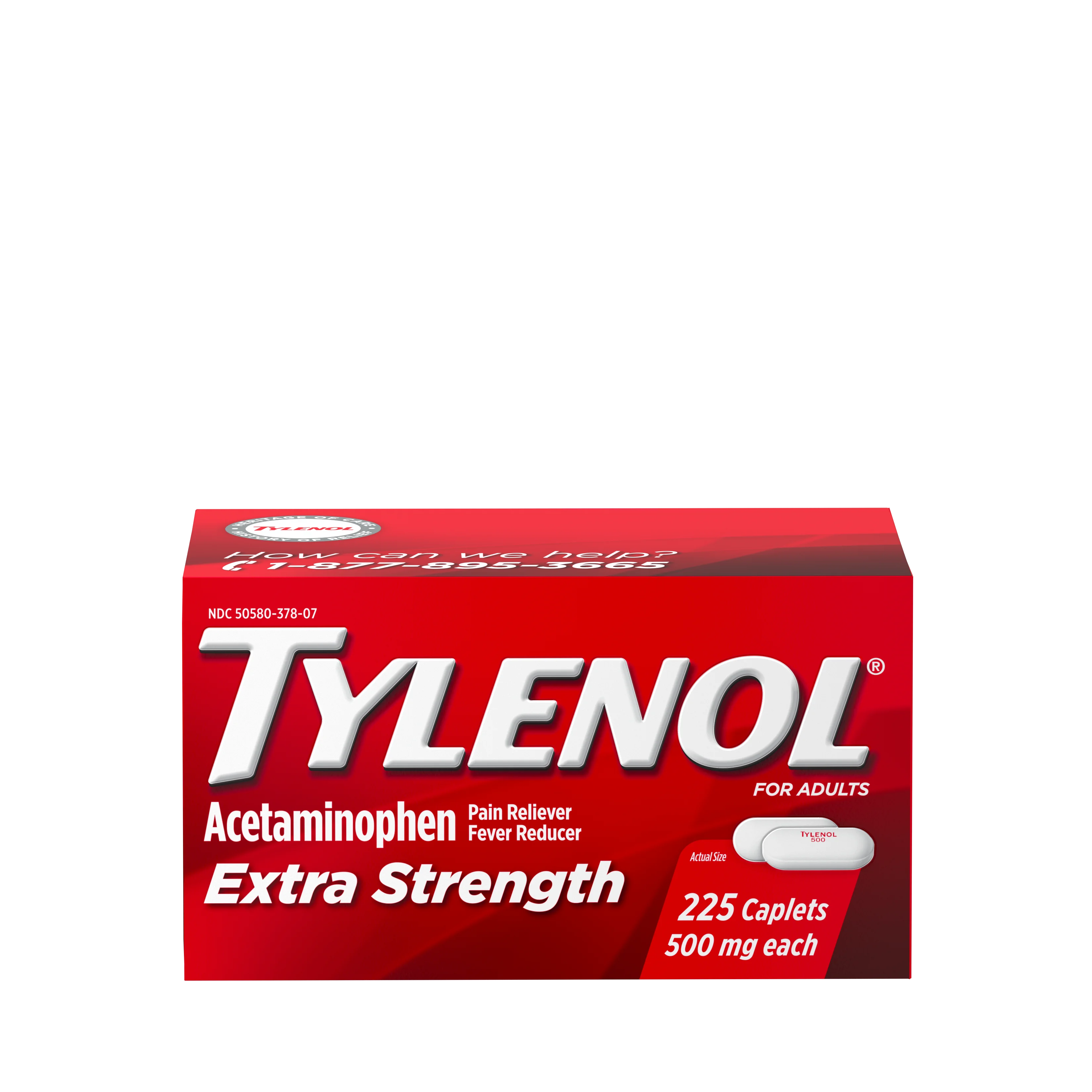
What to Do If You Accidentally Give Your Dog Tylenol
If you suspect that your dog has ingested Tylenol, it's essential to act quickly. Here are some steps you can take:
- Contact your veterinarian or a pet poison hotline (like the ASPCA's Animal Poison Control Center) immediately
- Provide as much information as possible about the amount and type of Tylenol ingested
- Follow the guidance of your veterinarian or the pet poison hotline to determine the best course of action
Preventing Acetaminophen Poisoning in Dogs
To prevent acetaminophen poisoning in your dog, it's essential to be proactive:
- Never give your dog any medication without consulting your veterinarian first
- Keep all medications, including vitamins and supplements, out of reach of your dog
- Be aware of the potential for accidental ingestion and monitor your dog closely for signs of poisoning
Conclusion
Giving your dog Tylenol can be a serious mistake, with potentially life-threatening consequences. By understanding the risks and alternatives, you can help keep your furry friend safe and healthy. Always consult with your veterinarian before giving your dog any medication, and never assume that human medications are safe for them.