Insomnia Fast Techniques for Anxiety: Breaking the Vicious Cycle
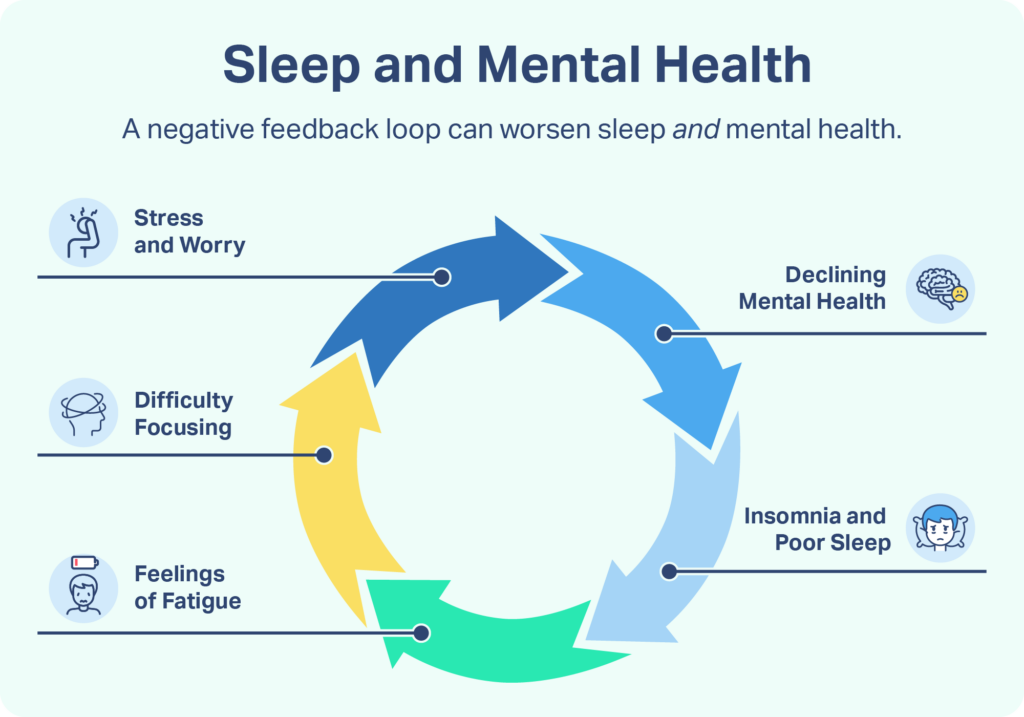
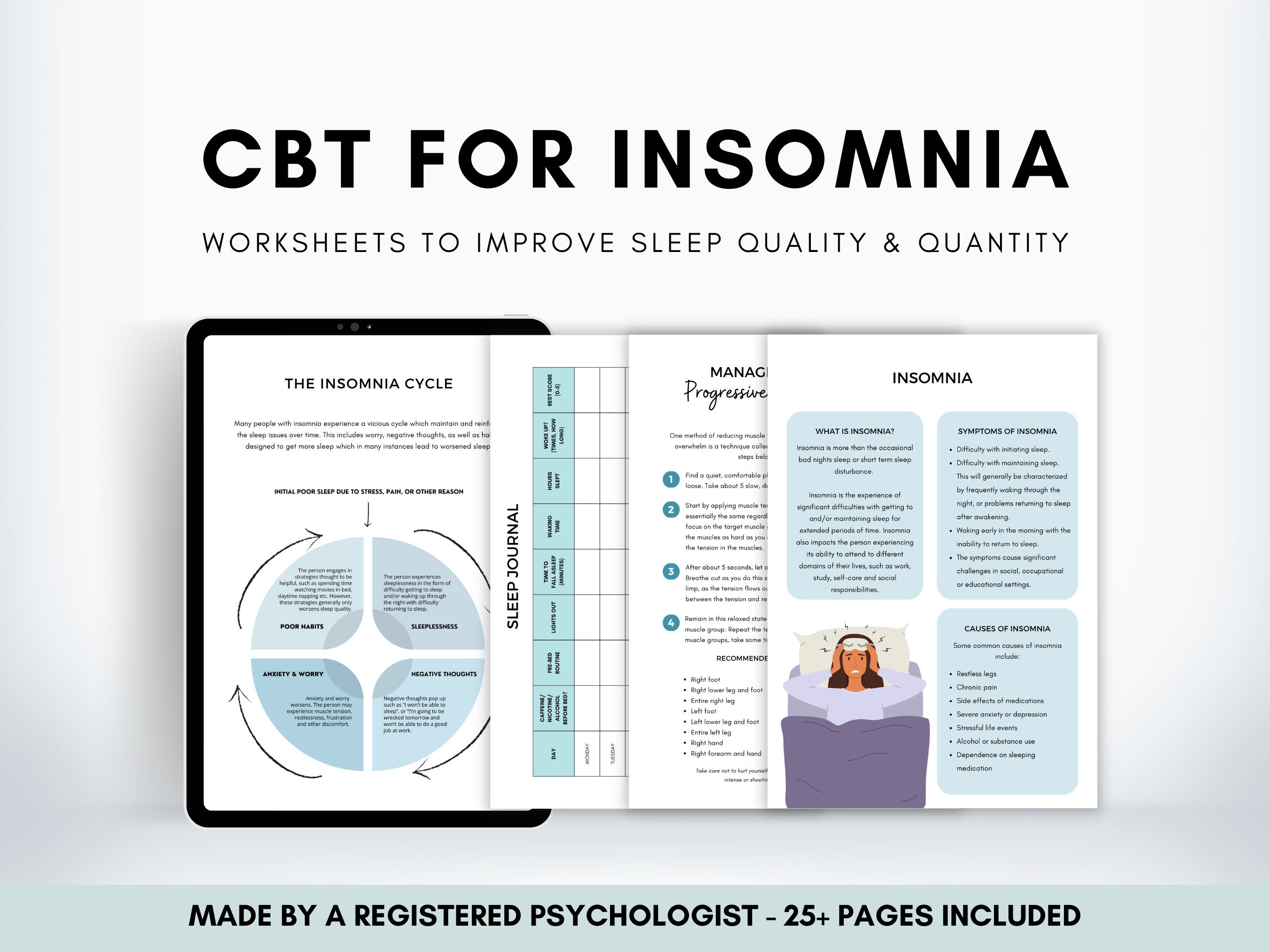
Anxiety and insomnia often form a vicious cycle, where anxiety worsens sleep and sleep deprivation heightens anxiety. It's a cycle that can be challenging to break, but with the right techniques and strategies, it is possible to regain control over your sleep and anxiety. In this article, we'll explore insomnia fast techniques for anxiety, including relaxation methods, sleep hygiene tips, and mindfulness practices.
Understanding the Anxiety-Sleep Cycle
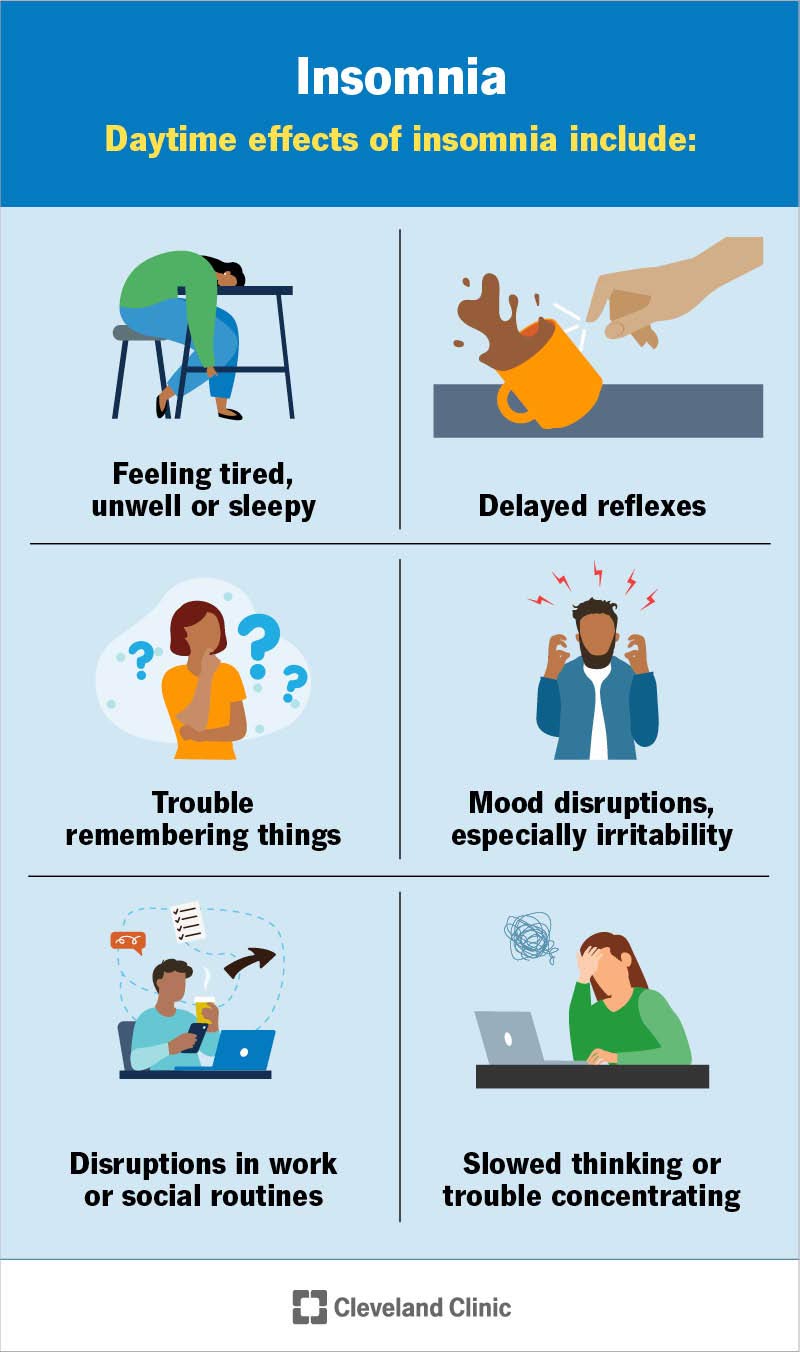
Anxiety and insomnia are closely linked, and it's essential to understand the underlying causes of this cycle. Anxiety can lead to sleep disturbances, and conversely, sleep deprivation can exacerbate anxiety symptoms. This cycle can be particularly challenging to break, as it can lead to feelings of frustration, hopelessness, and despair.
Relaxation Techniques for Insomnia and Anxiety
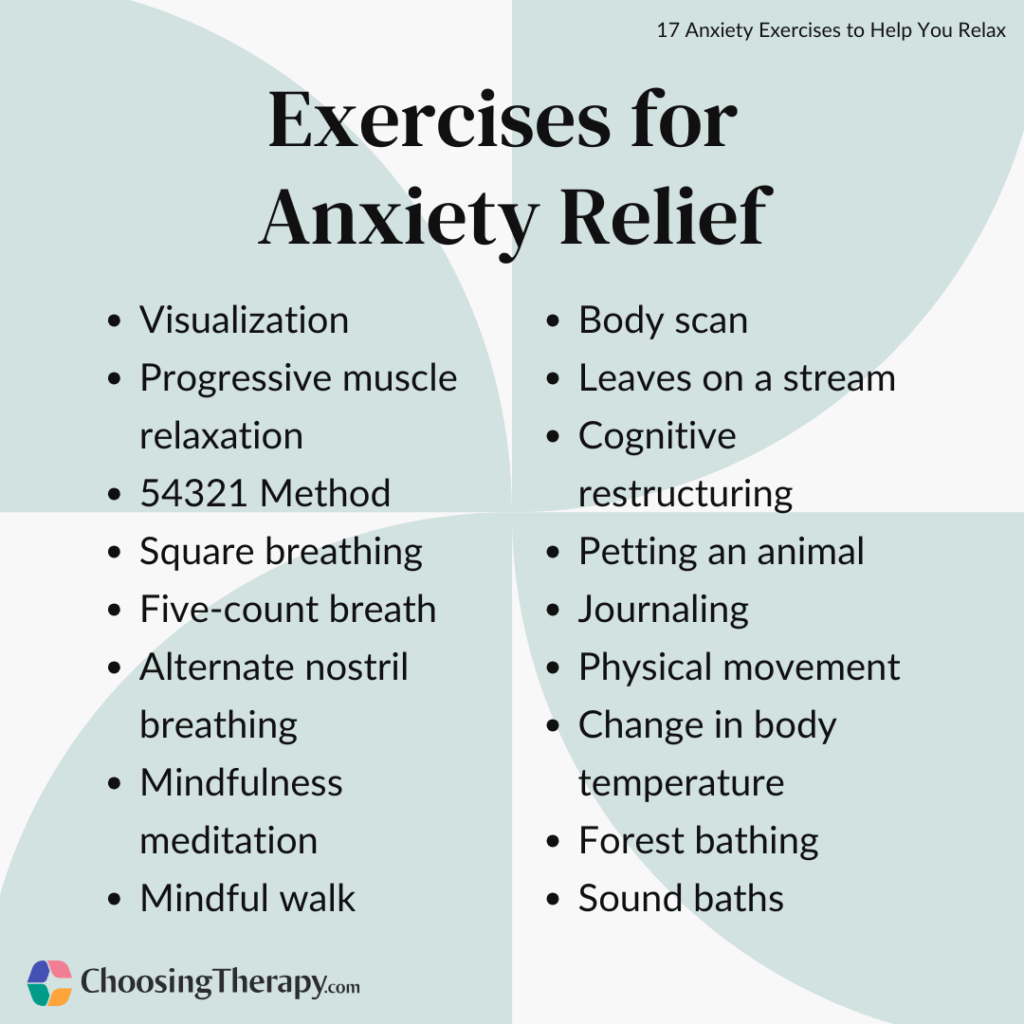
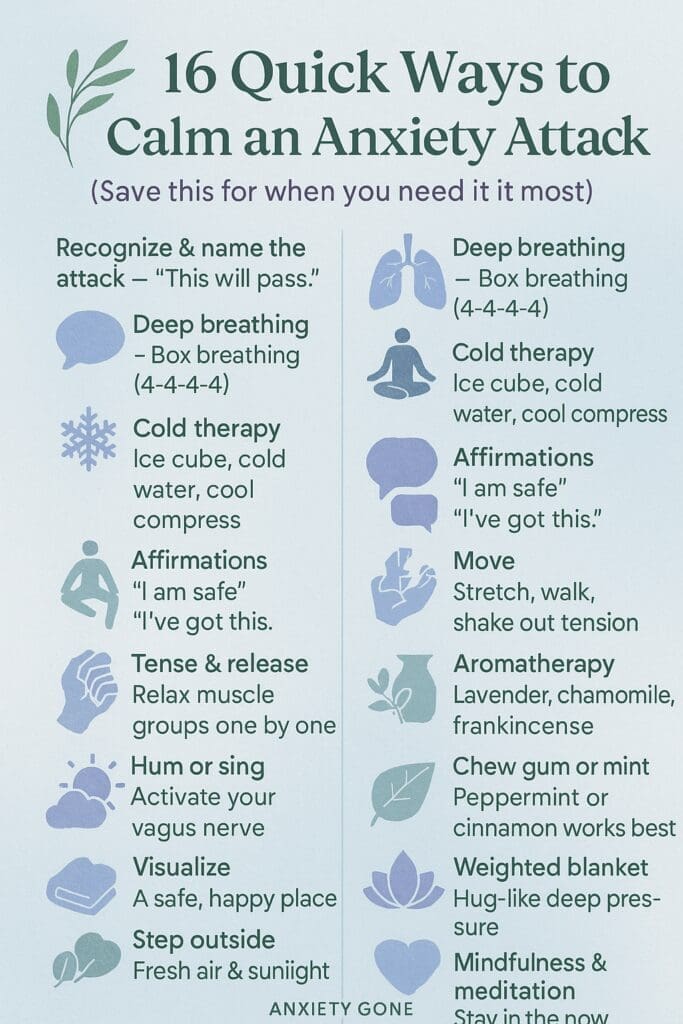
Relaxation techniques are an excellent way to calm your mind and body, making it easier to fall asleep. Some effective relaxation techniques for insomnia and anxiety include:
- Progressive Muscle Relaxation: This technique involves tensing and relaxing different muscle groups in your body, helping you release physical tension and promote relaxation.
- Brain Dump: Writing down your thoughts and worries before bed can help you process and release them, making it easier to fall asleep.
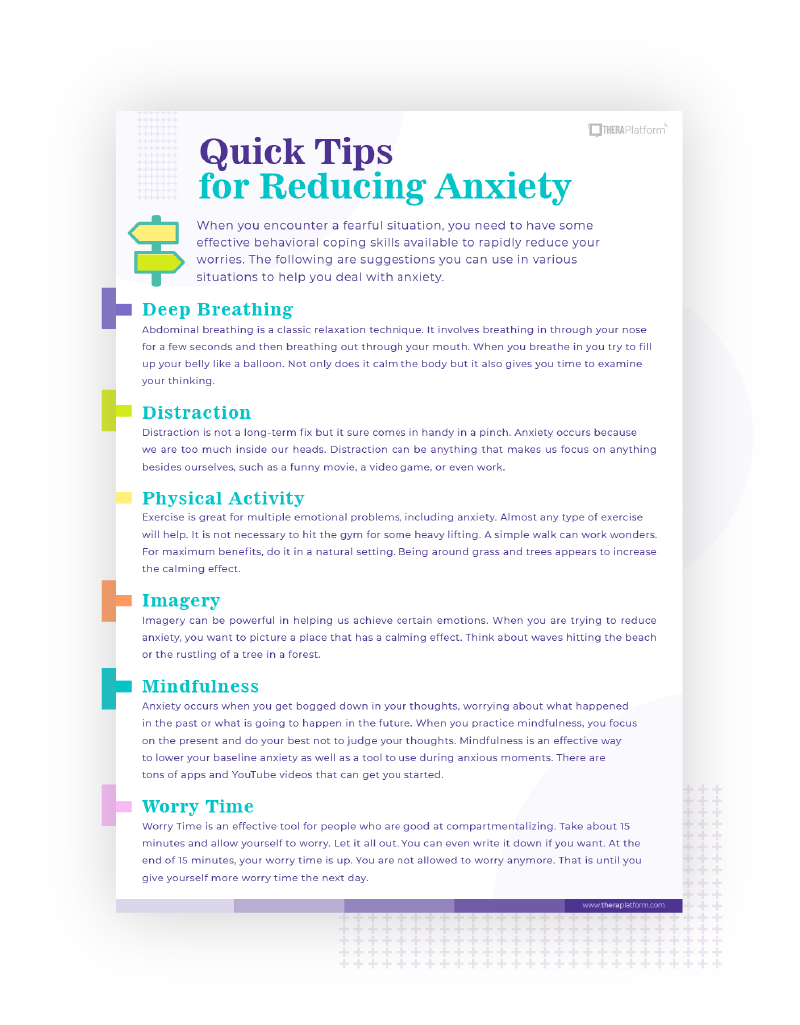
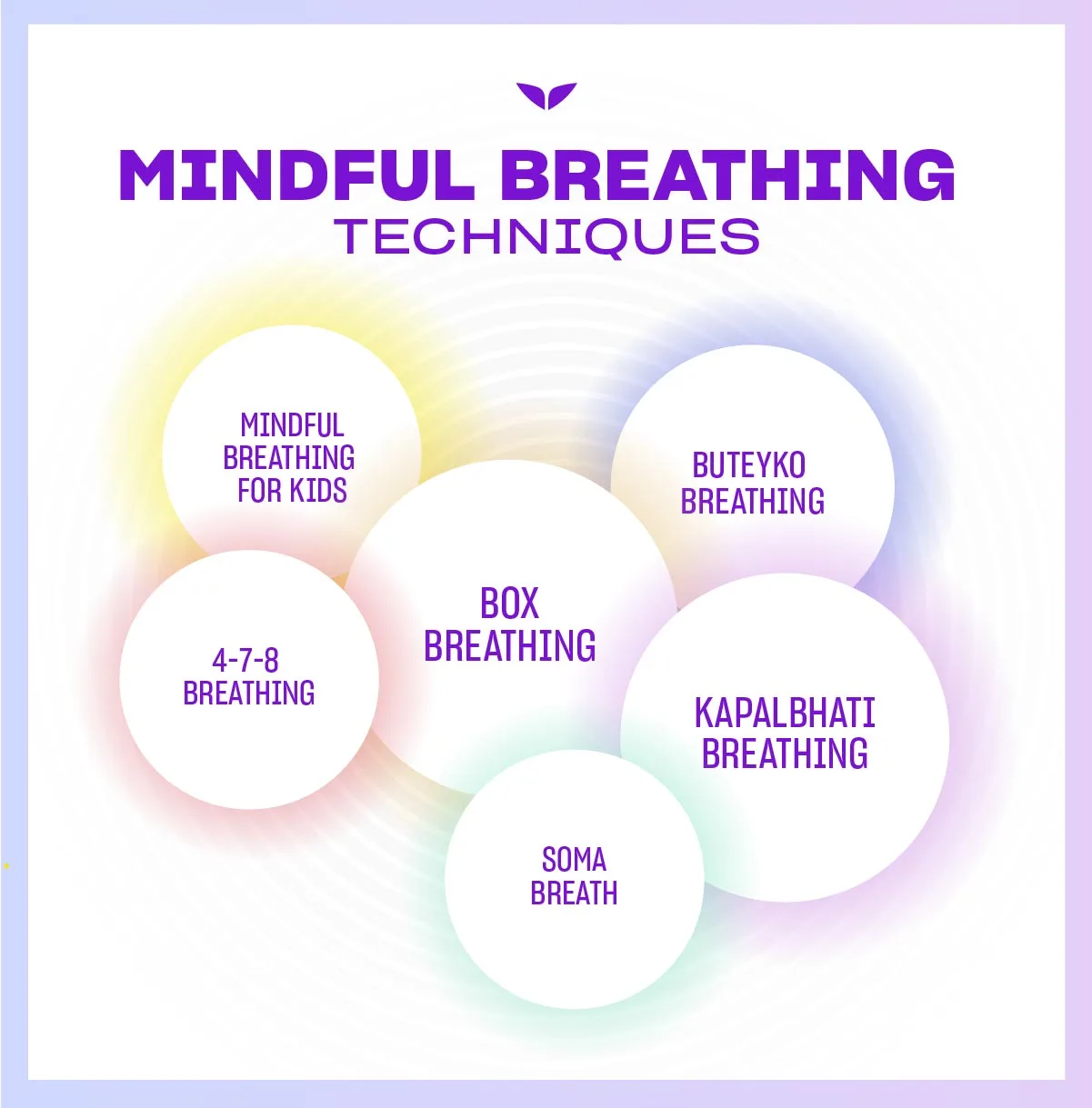
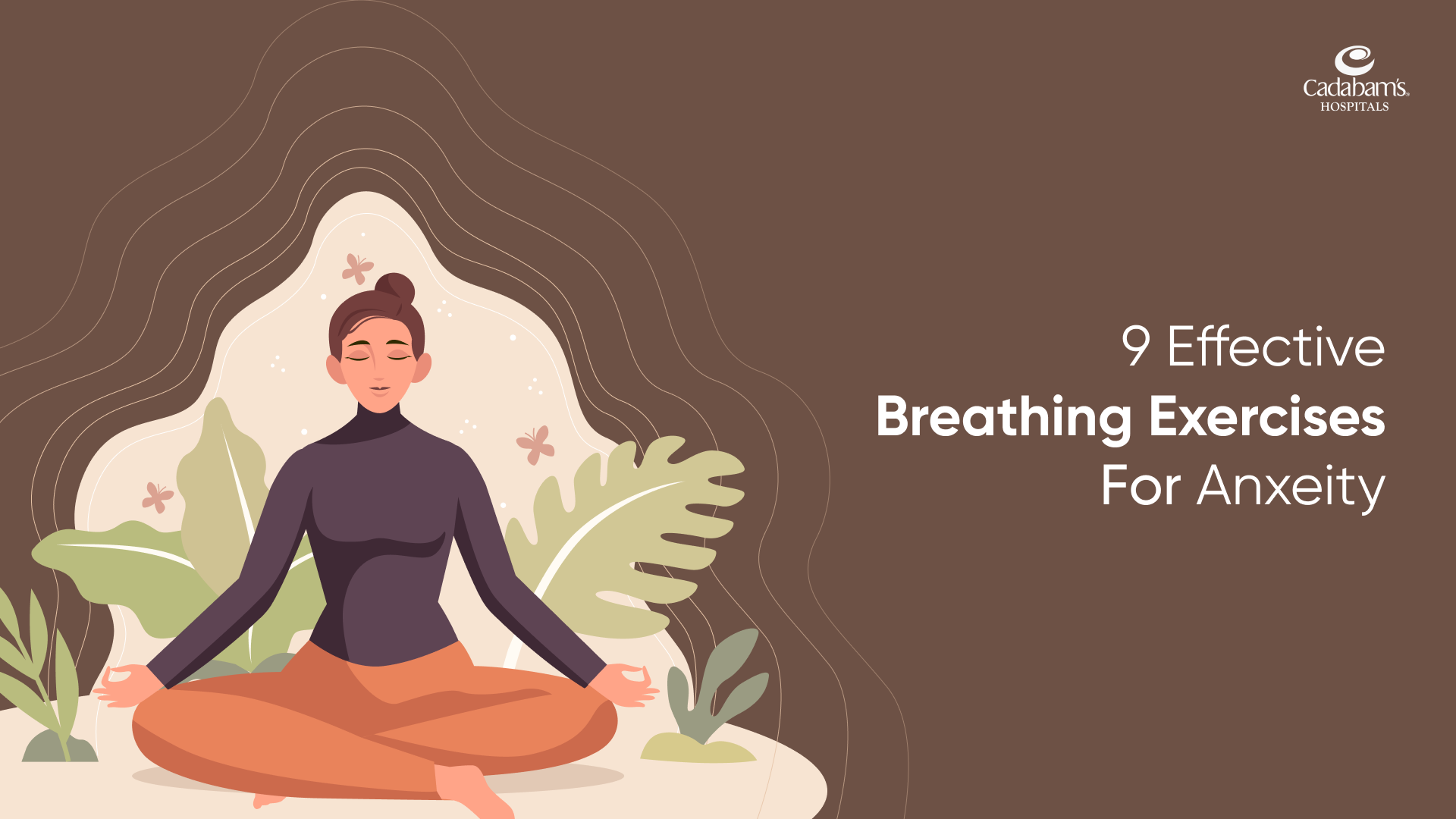
- Mindfulness Meditation: Focusing on your breath or a calming phrase can help calm your mind and promote relaxation.
- Gentle Stretching: Gentle stretching can help release physical tension and promote relaxation.
Sleep Hygiene Tips for Insomnia and Anxiety
Good sleep hygiene is essential for breaking the anxiety-sleep cycle. Some effective sleep hygiene tips include:
- Establish a Consistent Sleep Schedule: Going to bed and waking up at the same time each day can help regulate your body's internal clock and improve sleep quality.
- Create a Sleep-Conducive Environment: Make your bedroom a sleep haven by ensuring it is dark, quiet, and cool.
- Avoid Stimulating Activities Before Bed: Avoid stimulating activities, such as watching TV or scrolling through your phone, before bedtime.
- Practice Relaxation Techniques Before Bed: Engage in relaxation techniques, such as progressive muscle relaxation or mindfulness meditation, before bedtime to promote relaxation.
Mindfulness Practices for Insomnia and Anxiety
Mindfulness practices can help you stay present and focused, reducing anxiety and promoting relaxation. Some effective mindfulness practices include:
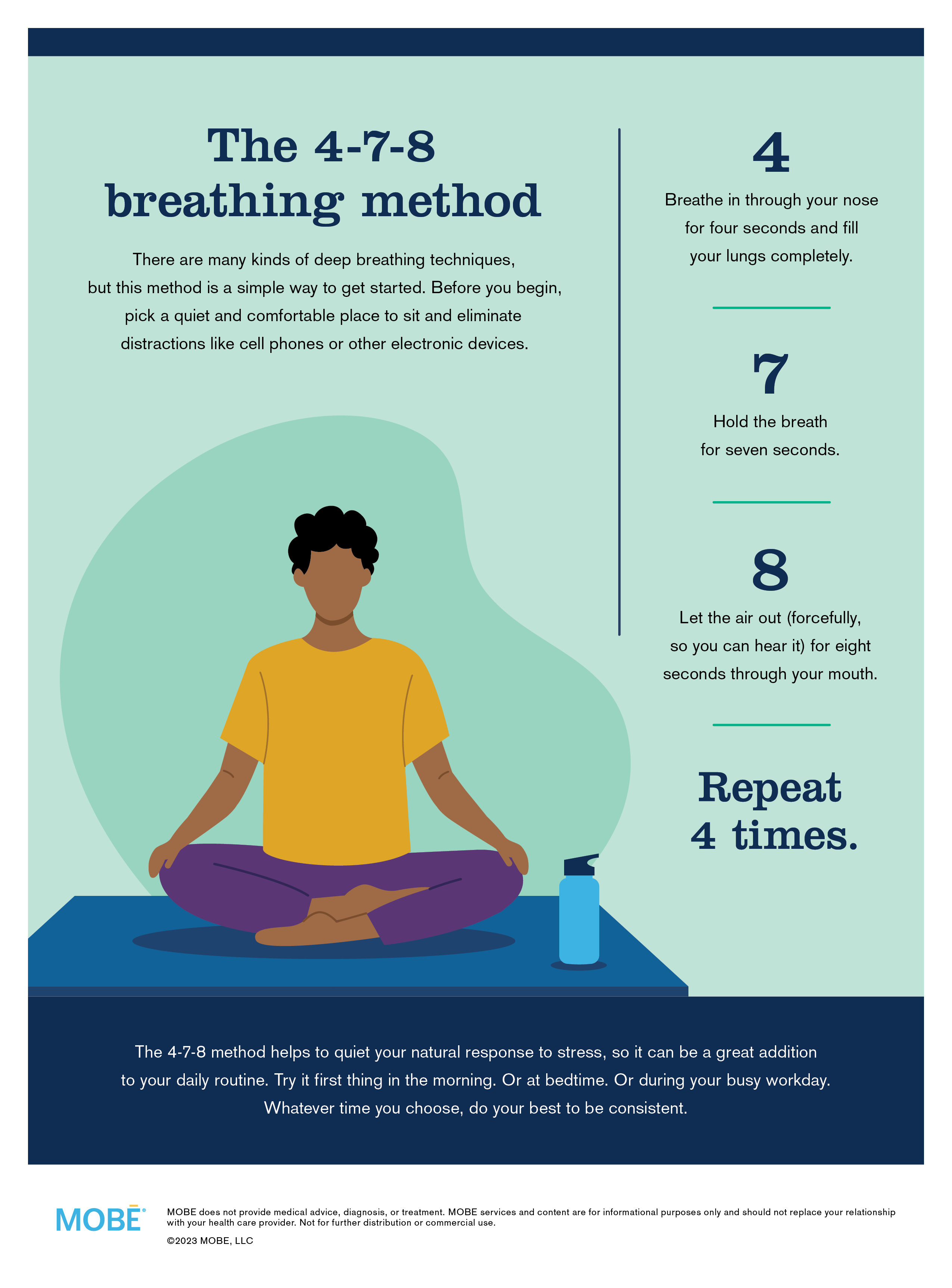
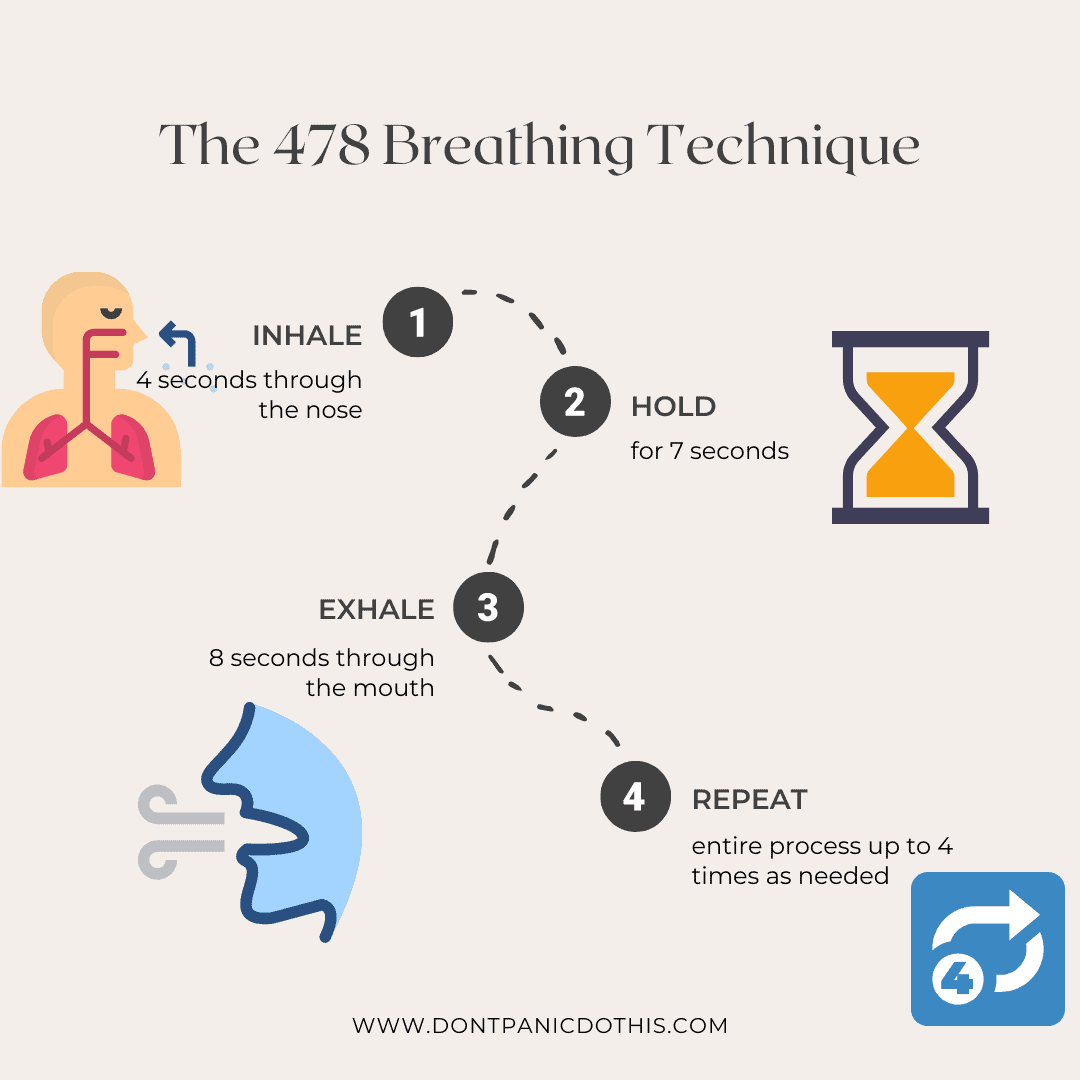
- Focusing on Your Breath: Bring your attention to your breath, noticing the sensation of the air entering and leaving your nostrils.
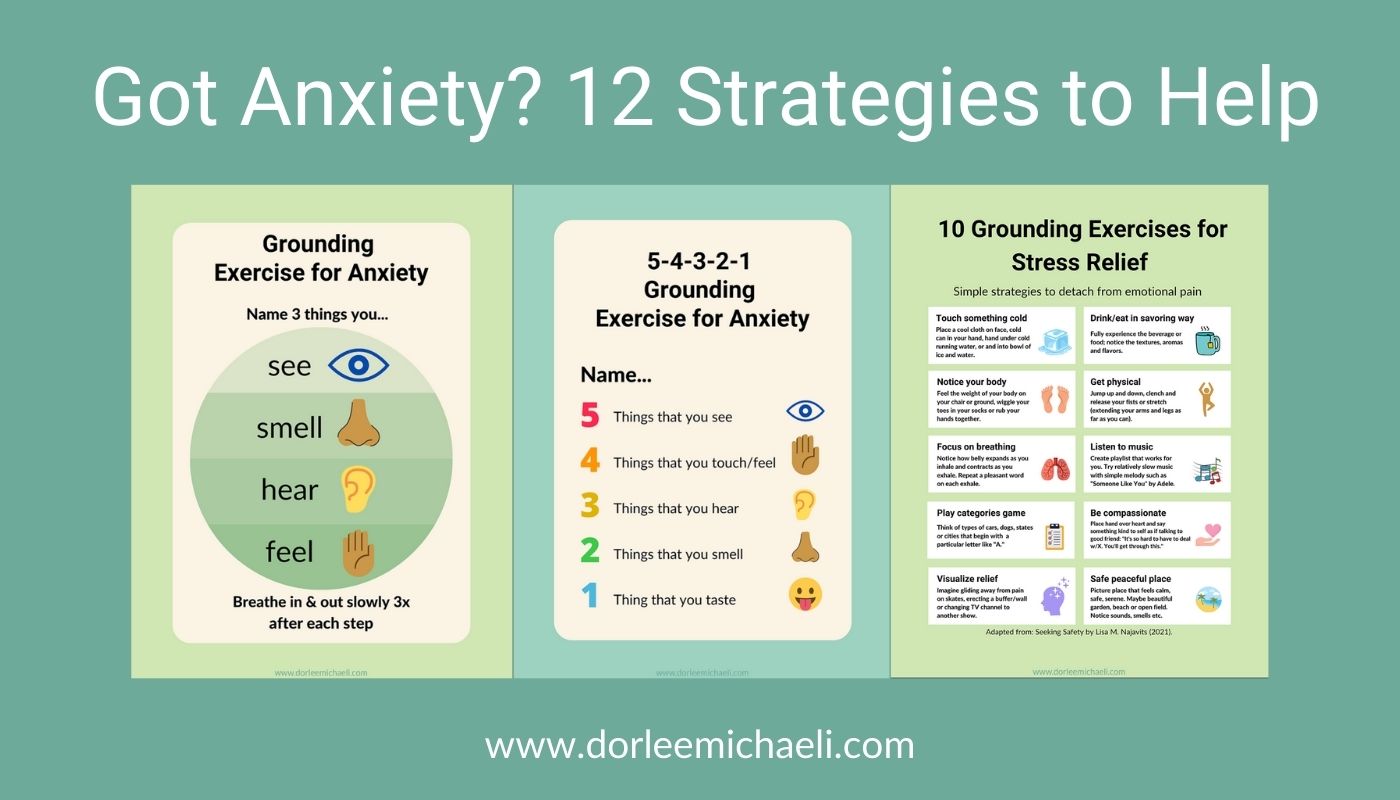
- Imagining a Peaceful Place: Imagine yourself in a peaceful, calming environment, such as a beach or a forest.
- Practicing Gratitude: Reflect on the things you're grateful for, no matter how small they may seem.
- Body Scan: Bring your attention to different parts of your body, releasing any tension or discomfort as you go.
Conclusion
Breaking the anxiety-sleep cycle requires a combination of relaxation techniques, sleep hygiene tips, and mindfulness practices. By incorporating these techniques into your daily routine, you can regain control over your sleep and anxiety. Remember, it's essential to be patient and compassionate with yourself as you work through these techniques. With time and practice, you can develop the skills and strategies needed to overcome insomnia and anxiety.
Insomnia Fast Techniques for Anxiety: Additional Resources
For additional resources and support, consider the following:
- Headspace: A mindfulness and meditation app that offers guided sessions and tracks your progress.
- Cognitive Behavioral Therapy for Insomnia (CBT-I): A non-pharmacological treatment approach that can help you address underlying sleep habits and anxiety.
- Consult a Healthcare Professional: If you're struggling with insomnia and anxiety, consult a healthcare professional for personalized guidance and support.
/how-to-get-better-sleep-5094084-regular-FINAL-2c371001cada4ad391f6de53fc6053c9.png "8 Ways To Calm Anxiety at Night | Project Healthy Minds")