Protecting Your Financial Information: A Must in Today's Digital Age
In today's digital world, most of our personal and financial information exists somewhere online. While this can make managing our financial lives much easier and more efficient, it also places us at risk for financial fraud and identity theft. That's why it's vital to take steps to keep your personal and financial situation secure.
Why Protecting Your Financial Information is Crucial
Financial fraud and identity theft can have severe consequences, including financial loss, damaged credit, and emotional distress. In fact, according to recent statistics, identity theft affects millions of people worldwide, with financial losses totaling in the billions. Therefore, it's essential to understand the importance of protecting your financial information to safeguard your financial well-being.
How Financial Institutions Protect Your Information
Financial institutions have an obligation to safeguard your personal and financial information. They have robust security measures in place, including encryption, firewalls, and intrusion detection systems. However, while financial institutions play a significant role in protecting your information, you also have an important role to play in ensuring its security.
Ways to Protect Your Financial Information
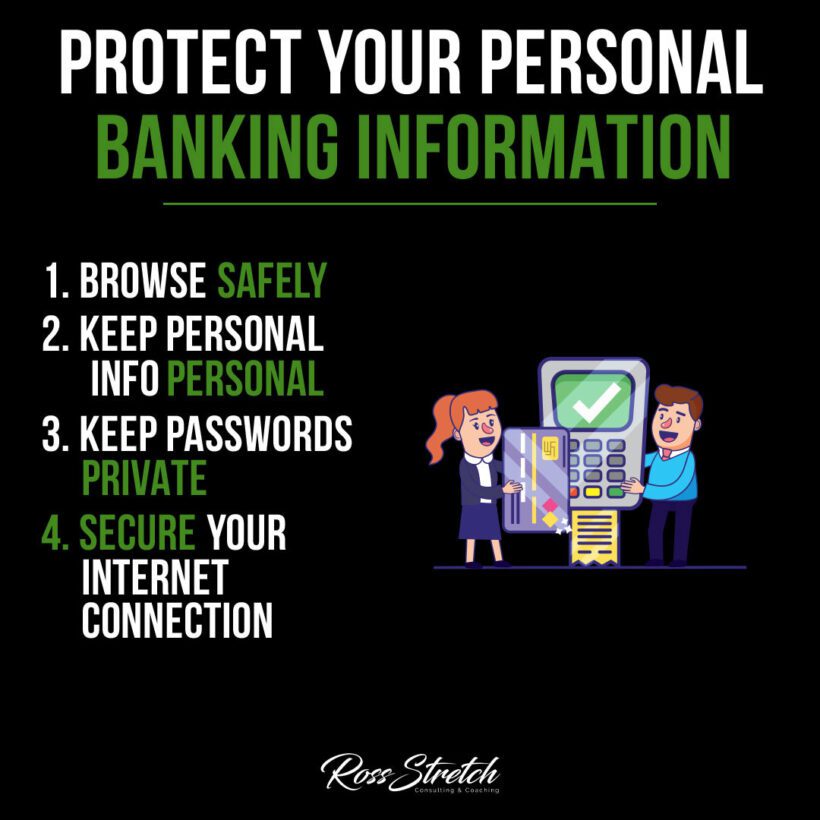
- Be cautious when connecting to public Wi-Fi networks. Avoid accessing sensitive information or making financial transactions over public Wi-Fi, as it can be easily hacked into.
- Use strong passwords. Create unique and complex passwords for all your online accounts, and avoid using the same password for multiple accounts.
- Monitor your financial accounts regularly. Set up account alerts for all transactions and review your statements frequently for unauthorized charges or unusual and suspicious activity.
- Use secure payment methods. When shopping online, ensure the website is secure (look for "https" in the URL) and avoid saving payment information on websites.
- Keep your software up to date. Ensure your operating system, browser, and other software are updated with the latest security patches and updates.
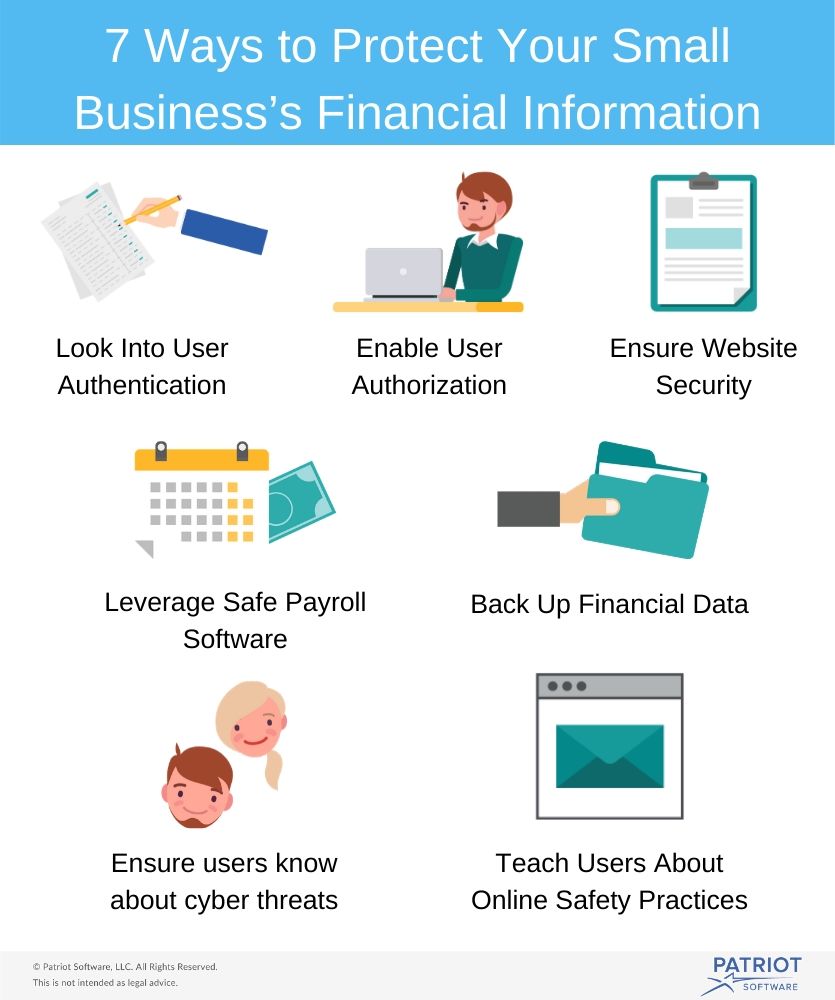
- Use two-factor authentication. Enable multifactor authentication on all financial accounts to add an additional layer of security.
- Shred sensitive documents. Dispose of sensitive documents, such as tax forms and bank statements, by shredding them to prevent identity theft.
- Be wary of emails and text messages. Avoid responding to or clicking on suspicious emails or text messages, as they can be phishing attempts to trick you into giving away sensitive information.
Why Consistency is Key
Protecting your financial information requires consistency. Set reminders to check your IRS transcript, enable two-factor authentication on all financial accounts, review your credit regularly, and file early each season. Consistency will help you stay on top of your financial situation and ensure your information remains secure.
Conclusion
Protecting your financial information is a crucial step in maintaining your financial well-being. By understanding the importance of protecting your financial information and taking the necessary steps, you can safeguard your personal and financial situation from financial fraud and identity theft. Remember, protecting your financial information requires consistency and vigilance, but it's worth the effort to ensure your financial freedom and security.