Blue Light and Productivity: What You Need to Know
In today's digital age, it's hard to imagine a world without artificial lighting. The widespread use of LED lights and screens has become an integral part of our daily lives, both at home and in the workplace. However, this exposure to blue light, a key component of artificial lighting, has both positive and negative effects on our bodies and minds.
What is Blue Light?
Blue light, also known as high-energy visible (HEV) light, is a type of electromagnetic radiation with a shorter wavelength and higher energy than other types of visible light. It is emitted by digital devices such as smartphones, computers, and televisions, as well as by LED light bulbs.
The Impact of Blue Light on Productivity
Research has shown that exposure to blue light can have both positive and negative effects on productivity. On the one hand, blue light has been linked to increased alertness and cognitive performance. Studies have reported that exposure to blue light can improve reaction times, attention, and working memory in office and shift work environments.
On the other hand, prolonged exposure to blue light has been linked to eye strain, headaches, and fatigue, which can ultimately decrease productivity. The American Academy of Ophthalmology estimates that 75% of Americans experience digital eye strain, which can lead to reduced focus and attention, and decreased productivity.
Why Does Blue Light Affect Productivity?
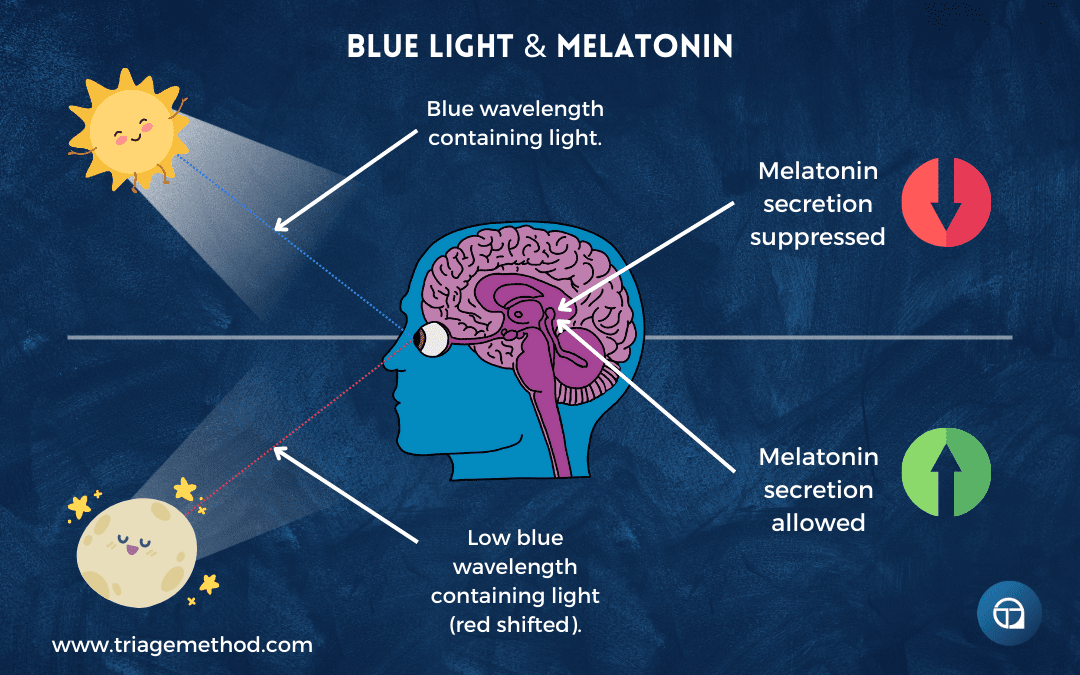
One reason blue light affects productivity is by impacting our circadian rhythm. The light emitted by digital devices suppresses the production of melatonin, the hormone that regulates our sleep-wake cycle. This can lead to fatigue, decreased focus, and reduced productivity, especially during night shifts or in environments with excessive blue light exposure.
Strategies to Balance Blue Light and Productivity
Fortunately, there are several strategies that can help mitigate the negative effects of blue light on productivity:
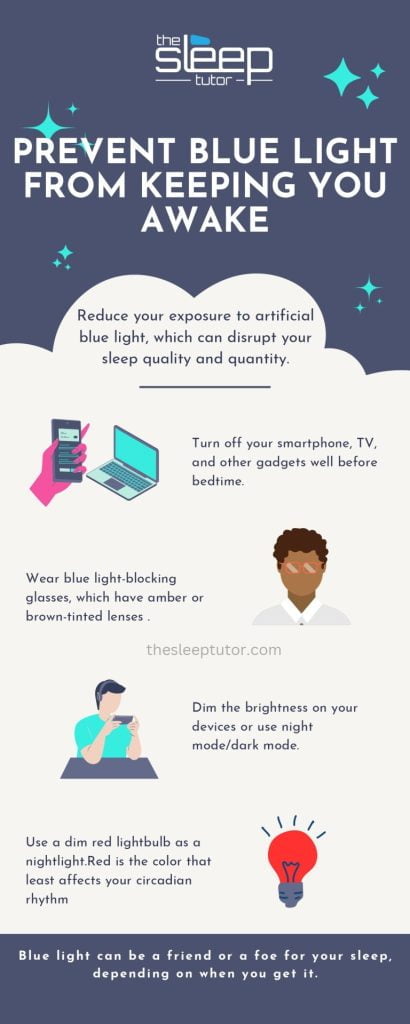
- Use blue light filtering glasses or software to reduce exposure to blue light.
- Establish a consistent sleep schedule and create a bedtime routine to minimize exposure to screens before bed.
- Position computer monitors and televisions at a distance to reduce glare and eye strain.
- Take regular breaks to stretch and rest their eyes.
- Consider using LED light bulbs that emit minimal blue light, such as those with a color temperature below 2700K.
Conclusion
Blue light is a double-edged sword when it comes to productivity. While it can improve alertness and cognitive performance, prolonged exposure can lead to eye strain, headaches, and fatigue. By understanding the impact of blue light on productivity and implementing strategies to balance exposure, individuals and organizations can mitigate its negative effects and enhance overall well-being.