Protecting Your Social Media Accounts from Scammers
Social media platforms have become a breeding ground for scammers, who use these online platforms to deceive users and steal their money and information. As a social media user, it's essential to be aware of the risks and take necessary steps to protect your accounts from scammers.
The Risks of Social Media Scams
Social media platforms are treasure chests of personal information, which scammers grasp onto to create believable schemes and exploit vulnerabilities. Your profile can reveal your interests, location, workplace, and social circle. By piecing together this information, scammers can craft personalized attacks that are hard to detect.
Top 10 Ways to Prevent Social Media Scams
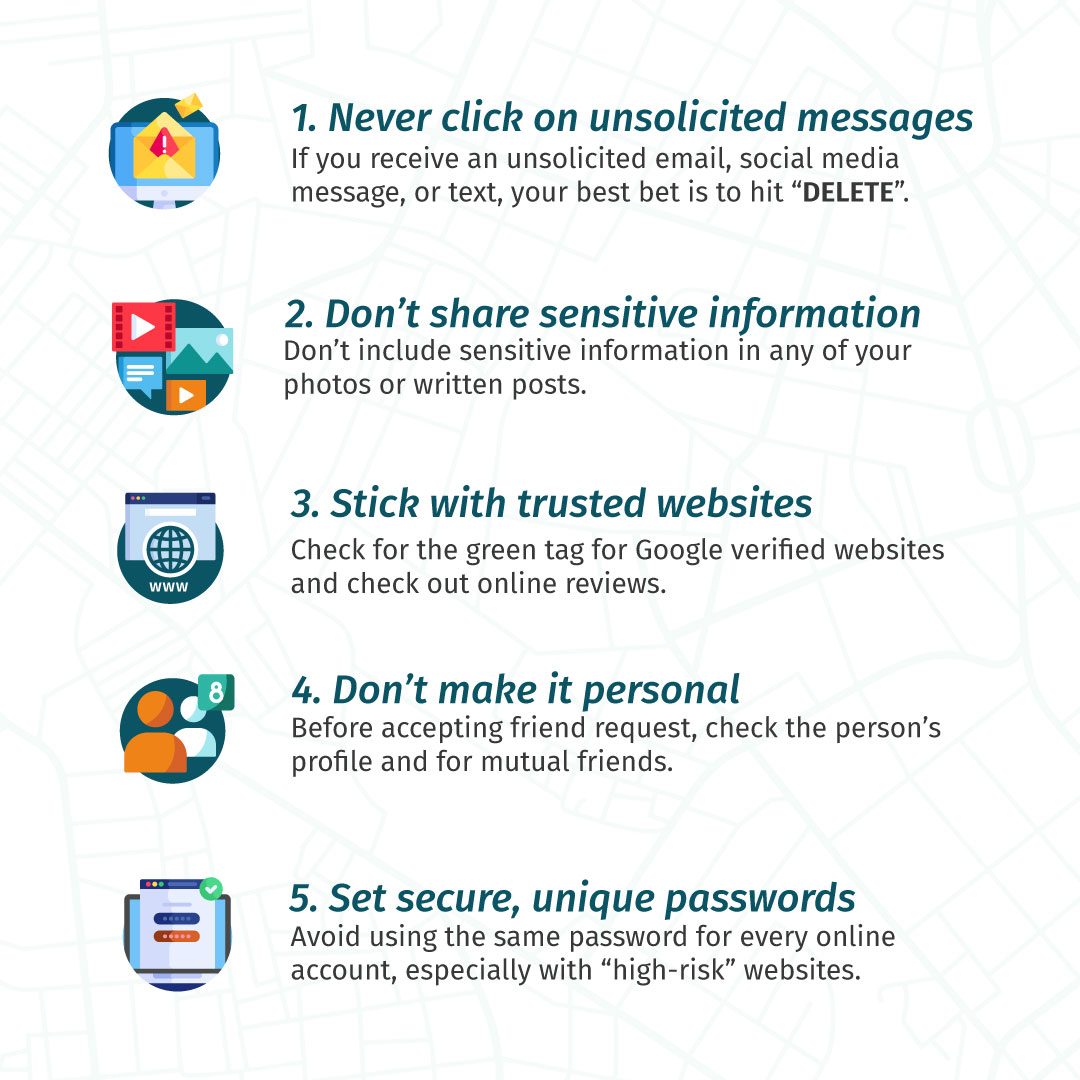
- Approach unsolicited messages with caution. Scammers often lure victims by sending unsolicited messages.
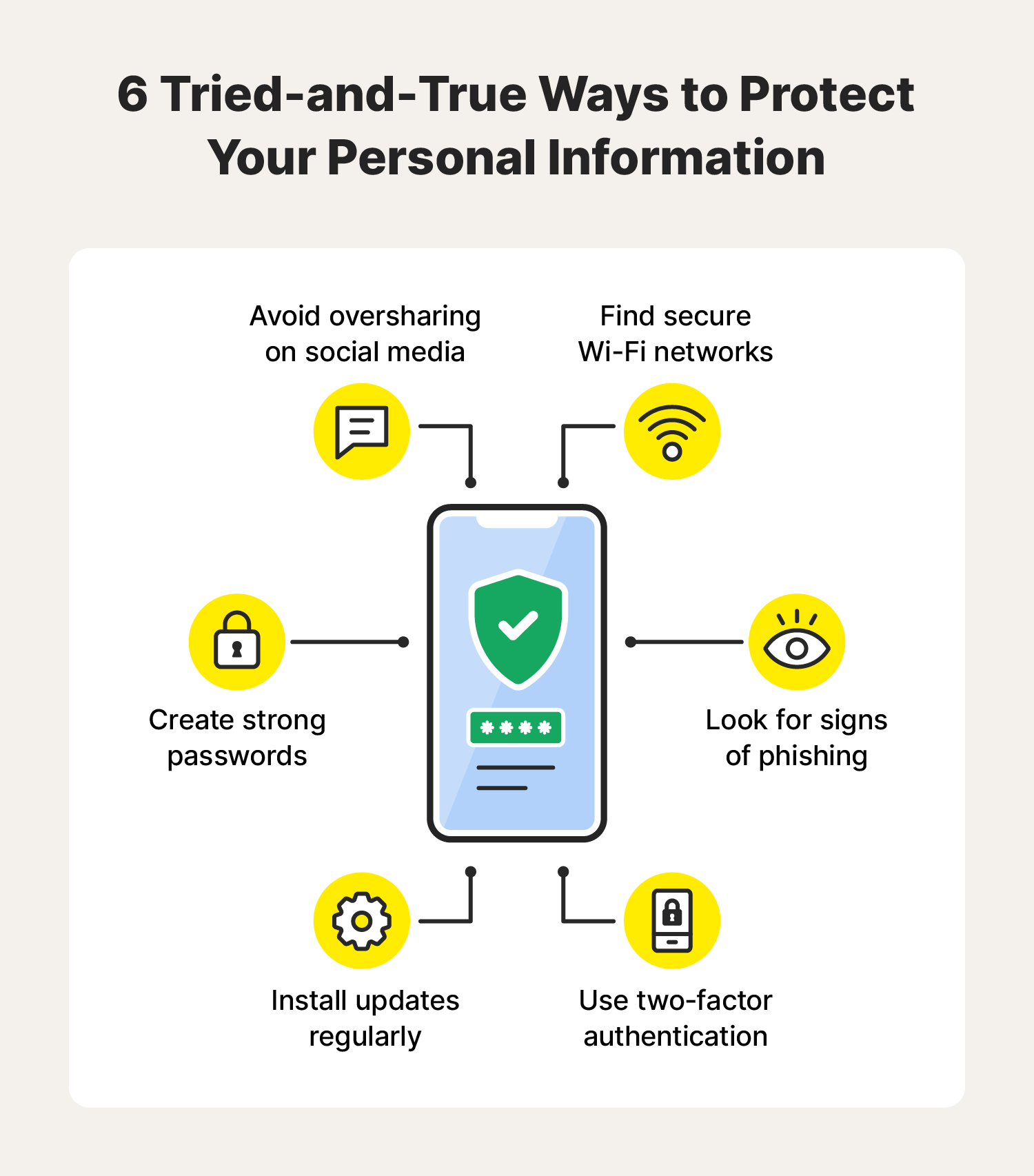
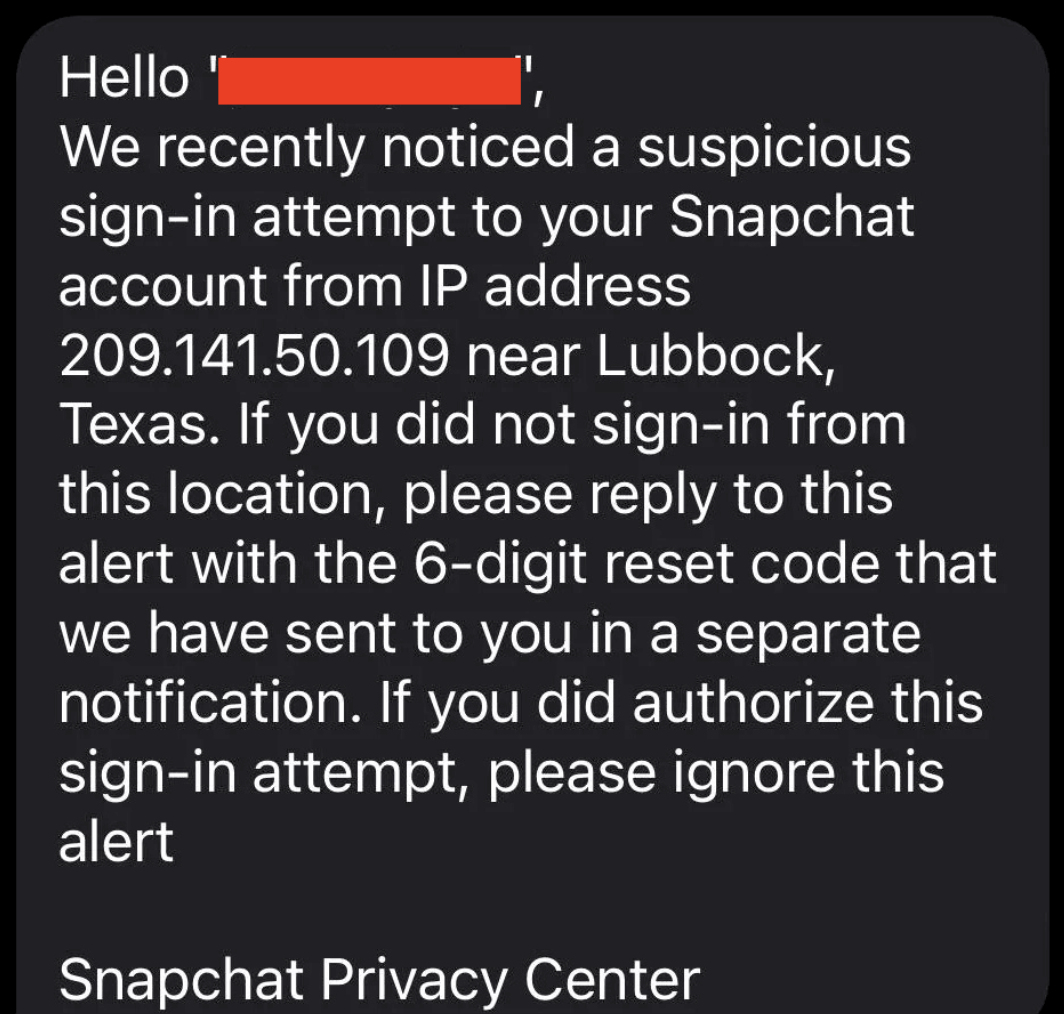
- Be wary of phishing scams. Scammers use email or text messages to try to steal your passwords, account numbers, or Social Security numbers.
- Social media scams are often targeted at your interests, location, workplace, and social circle. Be cautious when sharing personal information online.
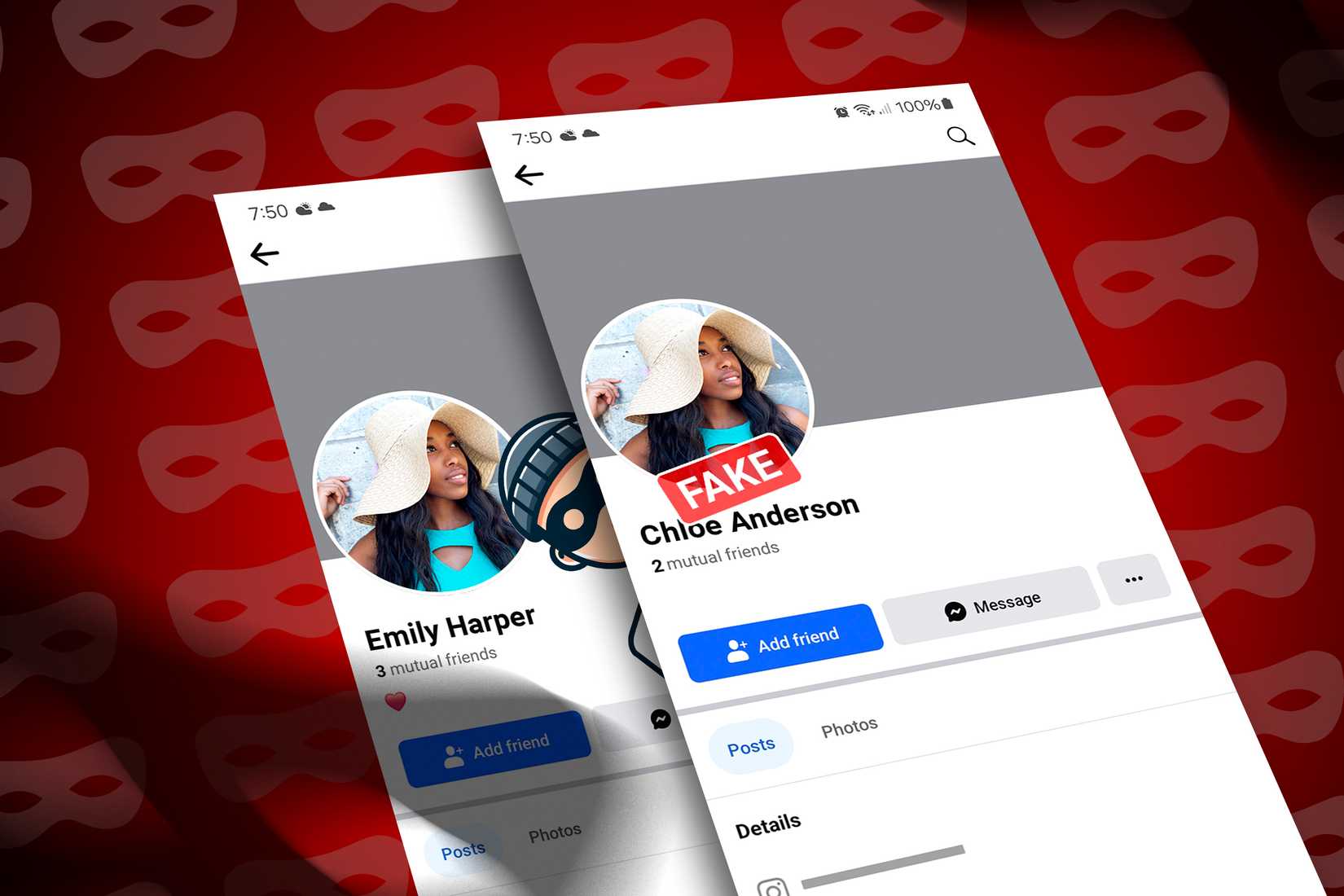
- Verify the authenticity of a message before responding. Scammers may create fake profiles that look like real businesses or individuals.
- Use strong passwords and keep them confidential. Avoid sharing your passwords with others.
- Monitor your account activity regularly. Report any suspicious activity to the social media platform.
- Use two-factor authentication (2FA) to add an extra layer of security to your account.
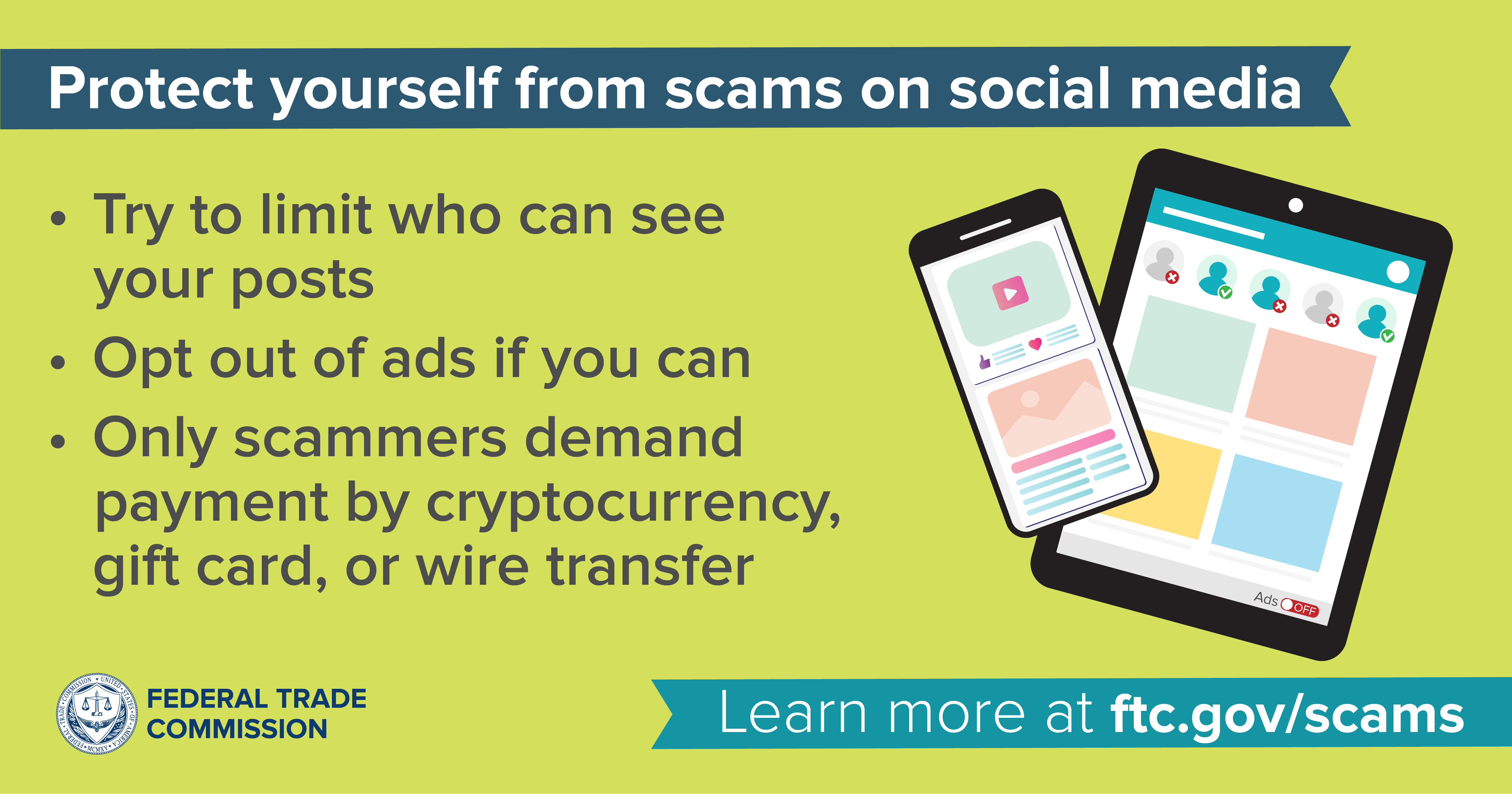
- Keep your social media accounts private. Set your profiles to private and remove your location and contact information.
- Don't click on suspicious links or download attachments from unknown sources.
- Report suspicious social media accounts to the platform and to the authorities if necessary.
How to Protect Your Social Media Accounts
To protect your social media accounts from scammers, follow these steps:
- Report suspicious activity to the social media platform.
- Use strong passwords and keep them confidential.
- Monitor your account activity regularly.
- Use two-factor authentication (2FA) to add an extra layer of security to your account.
- Keep your social media accounts private.
- Don't click on suspicious links or download attachments from unknown sources.
- Verify the authenticity of a message before responding.
- Use a secure browser and keep your browser up to date.
- Use a VPN to secure your internet connection.
- Report suspicious social media accounts to the platform and to the authorities if necessary.
What to Do If You're a Victim of a Social Media Scam
If you're a victim of a social media scam, report it to the social media platform and to the authorities if necessary. You can also report the scam to the Federal Trade Commission (FTC) or your local consumer protection agency.
Conclusion
Social media scams are a real threat to your identity, finances, and personal security. By following the steps outlined above, you can protect your social media accounts from scammers and stay safe online.
Remember, it's always better to be safe than sorry. If you're unsure about a message or a link, it's best to err on the side of caution and avoid it. By taking these simple steps, you can protect yourself from social media scams and enjoy the benefits of social media while staying safe online.