The Dangers of Multitasking: Why Trying to Do It All Can Harm Your Health and Productivity
Have you ever found yourself checking your phone for notifications, responding to emails, and reviewing a report all at the same time? If so, you're not alone. Multitasking has become a common practice in today's fast-paced world, with many of us believing that it's a necessary skill to be competitive. However, research suggests that multitasking can have devastating effects on our cognitive abilities, memory, and overall well-being.
What is Multitasking, Really?
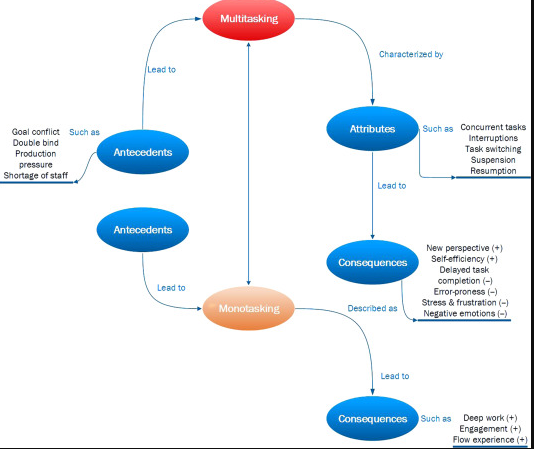
Multitasking is often misunderstood as the ability to do multiple tasks simultaneously. However, research reveals that our brains are not designed to handle multiple tasks at once. Instead, our brains rapidly switch focus between tasks, leading to cognitive overload and decreased productivity.
Why Multitasking is Bad for Your Brain
- Increased memory lapses**: When we multitask, we divide our attention among multiple tasks, making it difficult for our brains to consolidate memories and increase the likelihood of memory lapses.
- Decreased productivity**: Constantly switching between tasks slows us down and reduces efficiency, leading to an increase in errors and deadlines missed.
- Reduced creativity**: Multitasking restricts our ability to focus on our imagination and create new ideas, stunting creativity and innovation.
- Higher stress levels**: Multitasking leads to increased mental fatigue, stress, and anxiety, making it difficult to maintain a healthy work-life balance.
The Hidden Dangers of Multitasking
Despite the obvious drawbacks, many of us continue to engage in multitasking, unaware of the long-term implications. Research suggests that chronic multitasking can lead to:
- Brain hyperactivity**: Prolonged exposure to multitasking can alter brain function, leading to brain hyperactivity and decreased cognitive abilities.
- Long-term cognitive decline**: Regular multitasking can weaken attention control, lower emotional intelligence, and even lead to a decline in cognitive abilities.
- Depression and anxiety**: Studies link multitasking to a higher risk of depression, anxiety, and other mental health concerns.

Breaking the Habit of Multitasking
So, how can we break the habit of multitasking and mitigate its negative effects? Here are some actionable strategies to improve your focus and productivity:
- Focus on one task**: Prioritize your tasks and complete one at a time to minimize distractions.
- Use the Pomodoro Technique**: Work in focused, 25-minute increments, followed by a 5-minute break, to maintain productivity and reduce burnout.
- Group similar tasks**: Bundle related tasks to reduce task switching and enhance efficiency.
- Practice mindfulness**: Regular mindfulness exercises can help improve attention control, reduce stress, and boost overall well-being.
Conclusion: The Benefits of Avoiding Multitasking
By understanding the dangers of multitasking and implementing the strategies mentioned above, we can mitigate the negative impact on our cognitive abilities, memory, and overall health. This shift in focus can lead to increased productivity, creativity, and reduced stress, empowering us to lead healthier, more connected lives.
Final Thoughts: Harnessing the Power of Focus
As we continue to navigate the digital age, it's essential to acknowledge the limitations of multitasking and the multitude of advantages of focusing on one task at a time. By harnessing the power of focus, we can unlock our full potential, work more efficiently, and lead healthier, more successful lives.