Understanding Short Attention Span Causes and Solutions for Better Focus
With the constant bombardment of information available to us daily, it's no wonder that many individuals are struggling with short attention spans. In this fast-paced world, it's easy to get distracted and lose focus. However, understanding the causes of short attention span and implementing strategies to improve it can greatly benefit our personal and professional lives.
Causes of Short Attention Span
There are several factors that contribute to a short attention span, including:
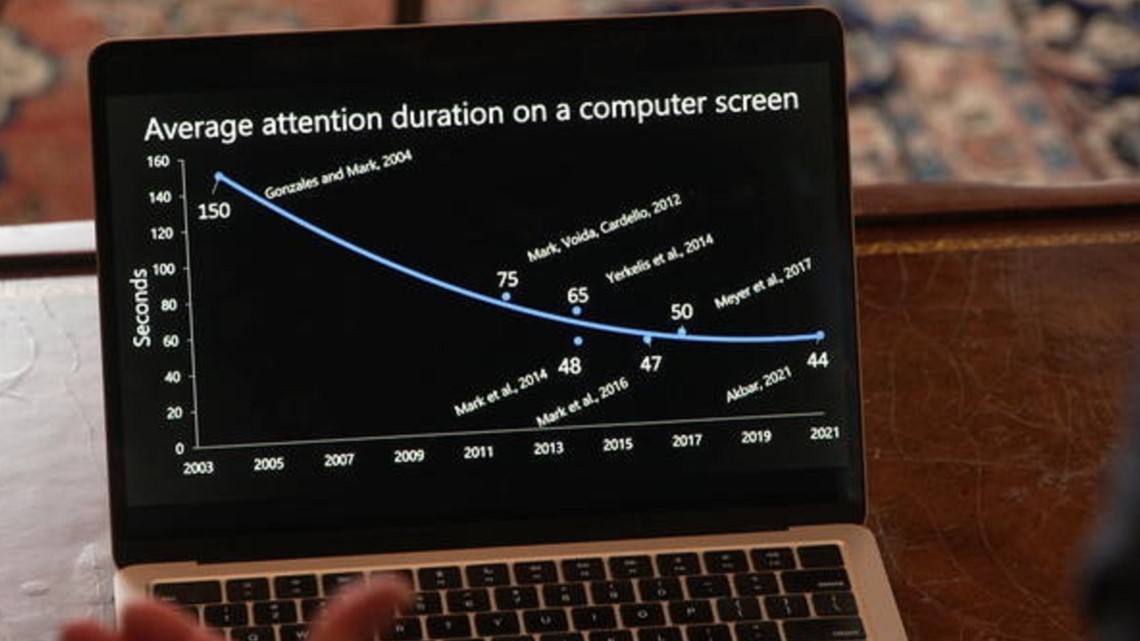
- Excessive screen time: Constantly being bombarded with notifications, emails, and social media updates can lead to a short attention span.
- Lack of sleep: Poor sleep quality and duration can significantly impact attention and focus.
- High-stress levels: Chronic stress can make it challenging to concentrate and maintain focus.
- Information overload: The vast amount of information available to us can be overwhelming, leading to a short attention span.
- Genetic predisposition: Some individuals may be born with a short attention span due to genetic factors.
- Neurological conditions: Certain conditions, such as ADHD and dementia, can cause a short attention span.
- Medication side effects: Certain medications can affect attention and focus.
- Substance abuse: Substance abuse can impair attention and reduce focus.
- Poor diet and nutrition: A diet lacking essential nutrients can affect cognitive function and attention.
Signs of a Short Attention Span
Recognizing the signs of a short attention span can help individuals take steps to address the issue. Some common signs include:
- Difficulty concentrating and paying attention
- Struggling to complete tasks and projects
- Feeling easily distracted and restless
- Impulsivity and acting without thinking
- Difficulty following instructions and remembering instructions
- Struggling to stay focused during conversations and meetings
Solutions to Improve Short Attention Span
Fortunately, there are several strategies that can help improve a short attention span:
- Practice mindfulness and meditation to improve focus and reduce stress
- Exercise regularly to improve cognitive function and reduce stress
- Get enough sleep to ensure proper rest and relaxation
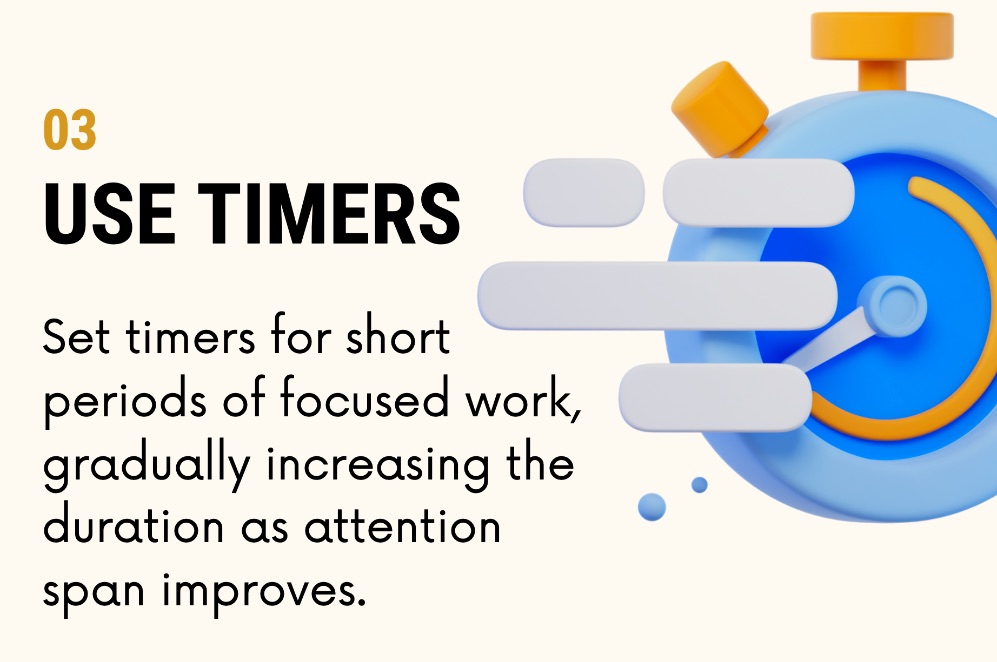
- Limit screen time and take regular breaks to reduce digital distractions
- Prioritize a healthy diet and nutrition to support cognitive function
- Seek professional help if struggling with a neurological condition or substance abuse
- Practice time management and organization skills to stay focused and on track
- Engage in activities that challenge the brain and promote cognitive flexibility, such as puzzles and learning new skills
Conclusion
Understanding the causes of short attention span and implementing strategies to improve it can greatly benefit our personal and professional lives. By recognizing the signs of a short attention span and taking steps to address the issue, individuals can improve their focus, concentration, and productivity. Remember, it's never too late to make changes and improve your attention span.