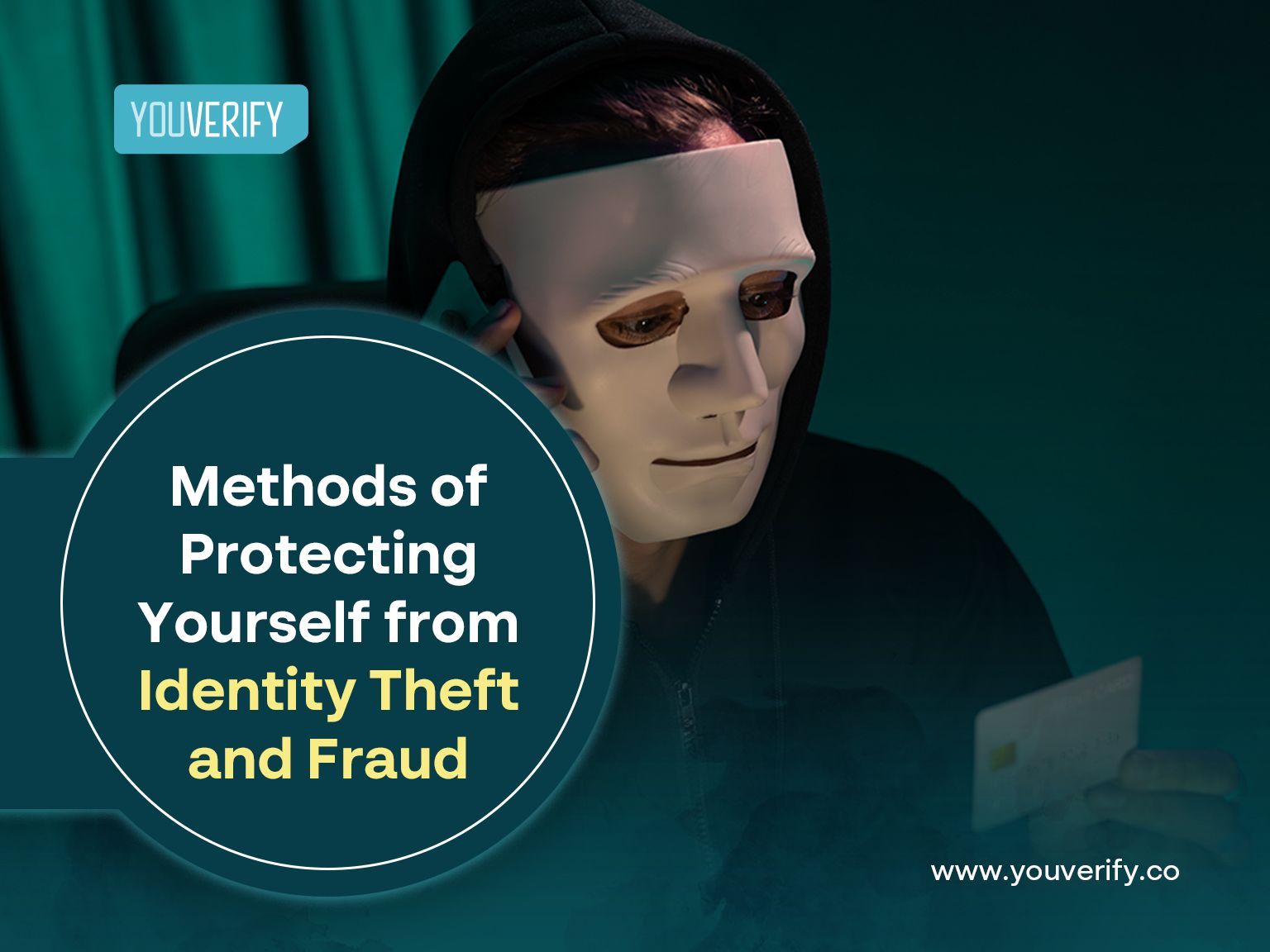
Protecting Your Personal Identity in Public Places: Tips and Tricks
With the rise of technology and the increasing use of public Wi-Fi networks, protecting your personal identity in public places has become a significant concern. Your personal information is valuable, and it's essential to take necessary precautions to safeguard it. In this article, we will discuss the importance of protecting your personal identity and provide tips on how to do so.
Why Protect Your Personal Identity?
Protecting your personal identity in public places is crucial because it can help prevent identity theft, financial loss, and other forms of cyber attacks. Your personal information, such as your name, birthdate, and social security number, is a treasure trove for hackers and scammers. If they manage to get their hands on it, they can use it to commit crimes and cause significant financial and emotional harm to you.
How to Protect Your Personal Identity in Public Places
Here are some tips on how to protect your personal identity in public places:
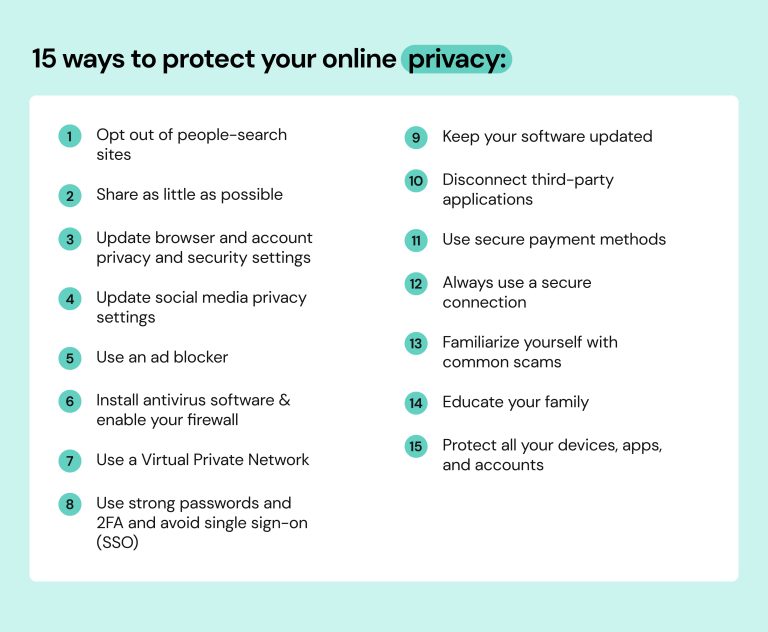
- Be Cautious of Public Wi-Fi Networks: Public Wi-Fi networks, such as those found in coffee shops, malls, and airports, can be convenient but are often unsecured. Avoid using public Wi-Fi networks for sensitive transactions, such as online banking or shopping.
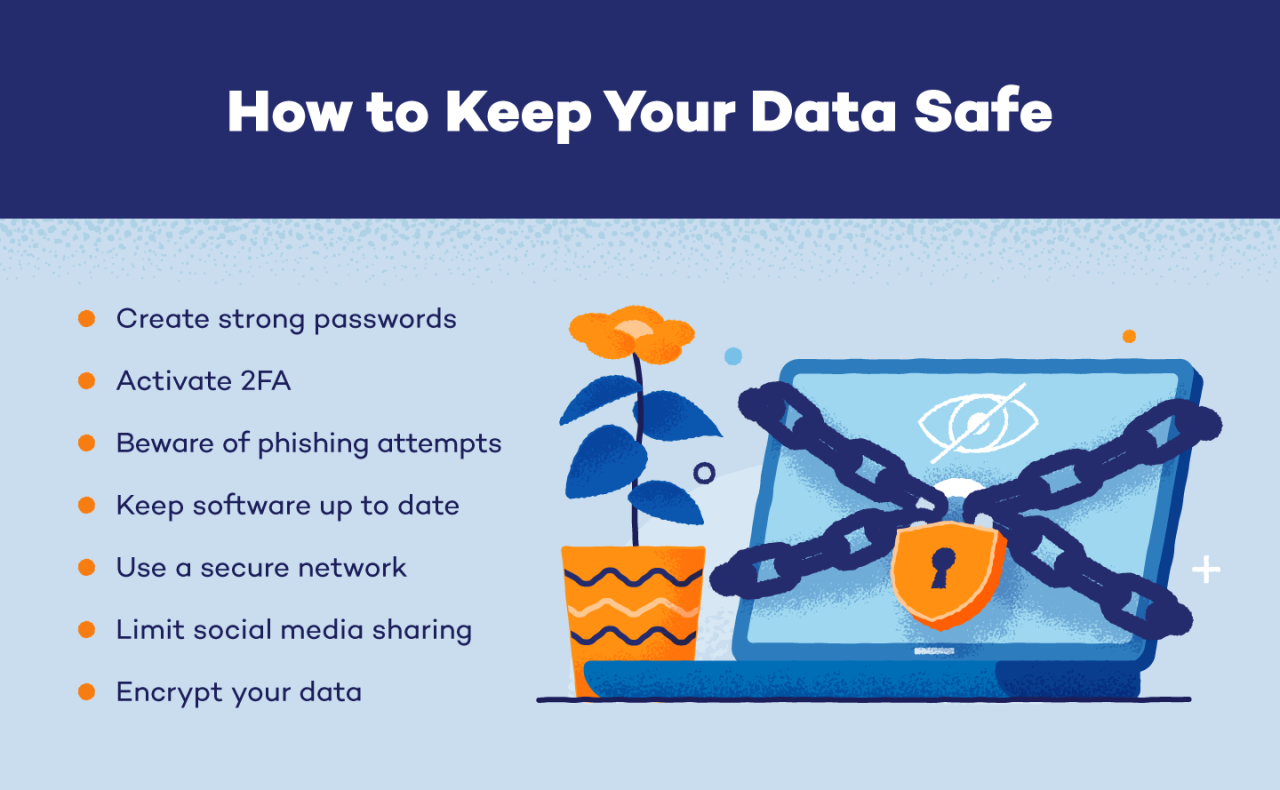
- Use a Virtual Private Network (VPN): A VPN can help encrypt your internet traffic, making it more difficult for hackers to intercept your data.
- Keep Your Devices and Software Up-to-Date: Regularly update your devices and software to ensure you have the latest security patches and features.
- Use Strong Passwords and Authentication Methods: Use strong, unique passwords for each account and consider using two-factor authentication to add an extra layer of security.
- Monitor Your Accounts and Credit Reports: Regularly check your bank and credit card statements for any suspicious activity, and monitor your credit reports for signs of identity theft.
- Be Wary of Phishing Scams: Be cautious of email or phone scams that ask for your personal information, such as your Social Security number or account information.
- Use a Secure Search Engine: Consider using a secure search engine, such as DuckDuckGo, which doesn't track your search history or location.
- Don't Share Personal Information with Strangers: Don't share your personal information with strangers, including your address, phone number, or email address.
- Use a Credit Monitoring Service: Consider using a credit monitoring service, such as LifeLock or IdentityGuard, to monitor your credit reports and alert you to any suspicious activity.
Conclusion
Protecting your personal identity in public places is crucial in today's digital age. By following these tips, you can help safeguard your personal information and prevent identity theft and financial loss. Remember, it's always better to be safe than sorry, so take the necessary precautions to protect your personal identity.
Additional Resources
Here are some additional resources to help you protect your personal identity:
- EPIC (Electronic Privacy Information Center): EPIC advocates for increased public privacy and the roll-back of advanced surveillance technologies on the public.
- Identity Awareness, Protection, and Management (IAPM) Guide: The IAPM Guide is a comprehensive resource to help you protect your privacy and secure your identity data online.
- Smart Credit: Smart Credit provides credit monitoring, identity theft protection, and tools to improve your credit score and manage finances effectively.
- Pyramid Global Hospitality: Pyramid Global Hospitality offers identity theft protection plans and resources to help you protect your personal identity.