Ransomware Protection For Remote Workers: A Multi-Layered Approach
Securing remote workers from ransomware requires a multi-layered approach that combines employee education, strong access controls, endpoint protection, and proactive cybersecurity practices. In today's digital landscape, remote work has become the new norm, and with it, the risk of ransomware attacks has increased exponentially.
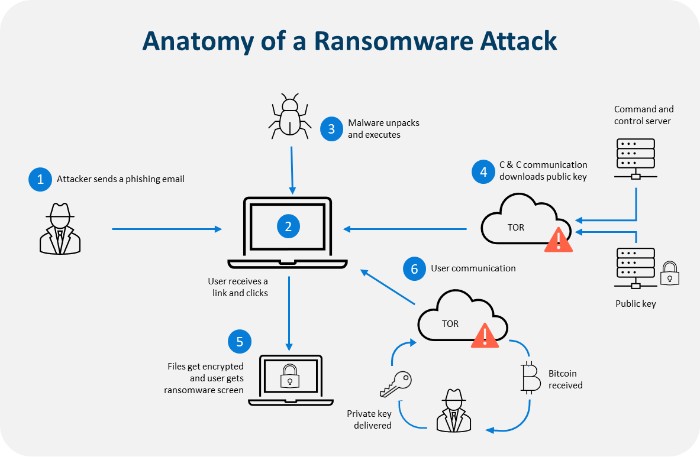
The Anatomy of a Ransomware Attack
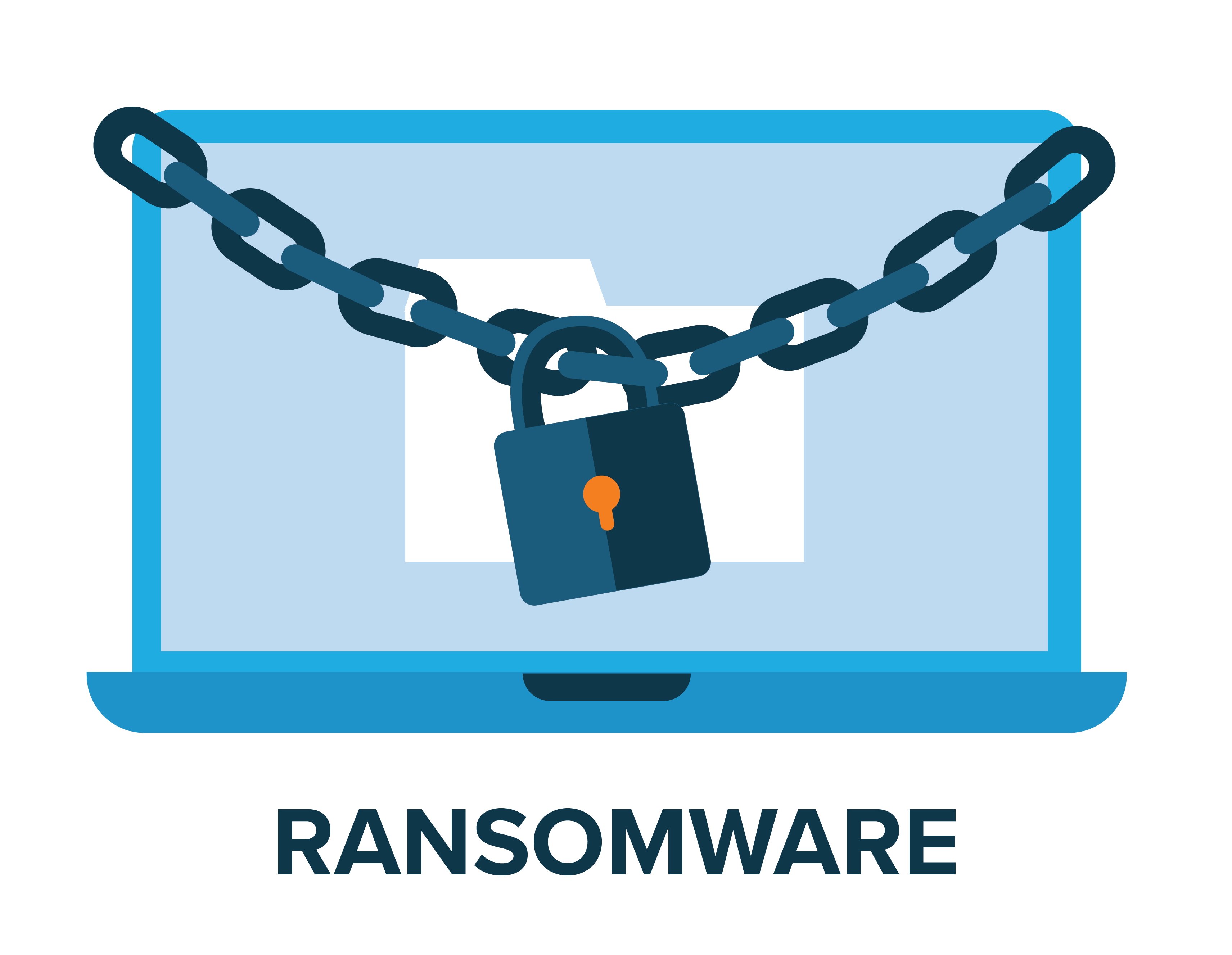
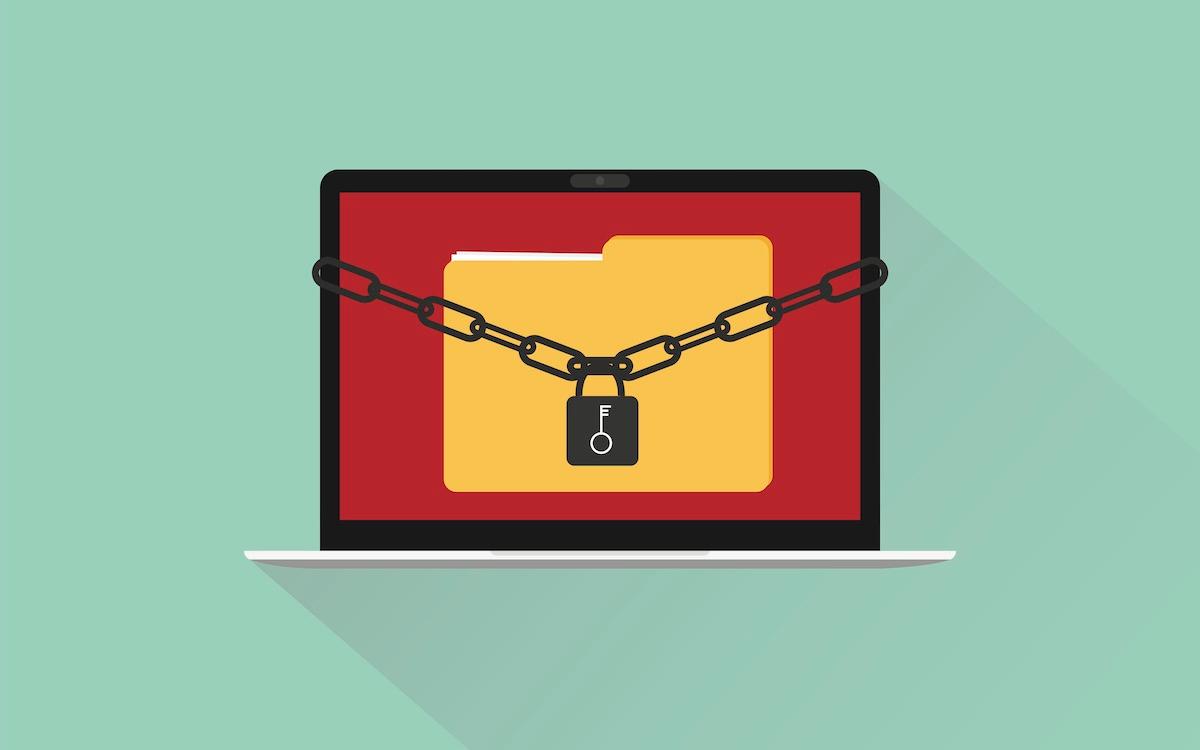
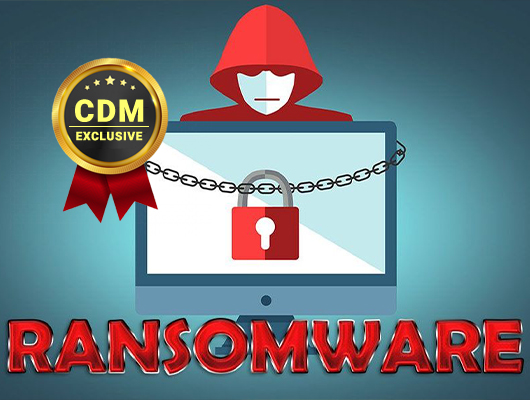
Ransomware attacks pose a significant threat to remote workers and enterprise companies alike. These attacks typically begin with a phishing email or a malicious download, which infects the remote worker's device with ransomware. The malware then encrypts the files, demanding a ransom in exchange for the decryption key. If the ransom is not paid, the files are lost forever, resulting in significant financial and reputational losses.
The Risks of Remote Work
Remote work has fundamentally changed the way ransomware operators attack organizations. With the rise of remote work, the corporate perimeter is no longer the only point of vulnerability. Remote workers' home networks and personal devices have become the new attack vector for ransomware operators. According to a recent survey, 96% of ransomware incidents now involve data theft, making it essential for organizations to prioritize ransomware protection for remote workers.
Best Practices for Ransomware Protection For Remote Workers

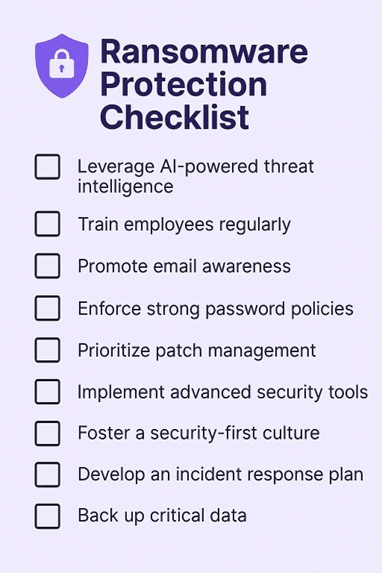
- Employee Education**: Educate remote workers on the risks of ransomware and the importance of cybersecurity best practices, such as using strong passwords, enabling two-factor authentication, and avoiding suspicious emails and downloads.
- Strong Access Controls**: Implement robust access controls, including multi-factor authentication, to prevent unauthorized access to remote workers' devices and data.
- Endpoint Protection**: Utilize endpoint protection software that includes features such as antivirus, anti-malware, and firewall protection to prevent ransomware attacks.
- Backup Procedures**: Establish backup procedures to ensure that remote workers' data is regularly backed up and can be restored in the event of a ransomware attack.
- VPN and Remote Access**: Use virtual private networks (VPNs) and remote access solutions to secure remote workers' connections to the organization's network.
Advanced Network Services for Ransomware Protection
Advanced network services, such as next-generation firewalls and intrusion detection and prevention systems, can provide an additional layer of protection against ransomware attacks. These services can detect and block malicious traffic, preventing ransomware operators from gaining access to remote workers' devices and data.
Conclusion
Ransomware protection for remote workers requires a multi-layered approach that combines employee education, strong access controls, endpoint protection, and proactive cybersecurity practices. By prioritizing ransomware protection, organizations can create a safe and resilient remote work environment that fosters productivity without compromising security. It is essential for organizations to stay vigilant and adapt to the evolving threat landscape to protect their remote workers and data from ransomware attacks.