When Does Phubbing Become an Addiction?
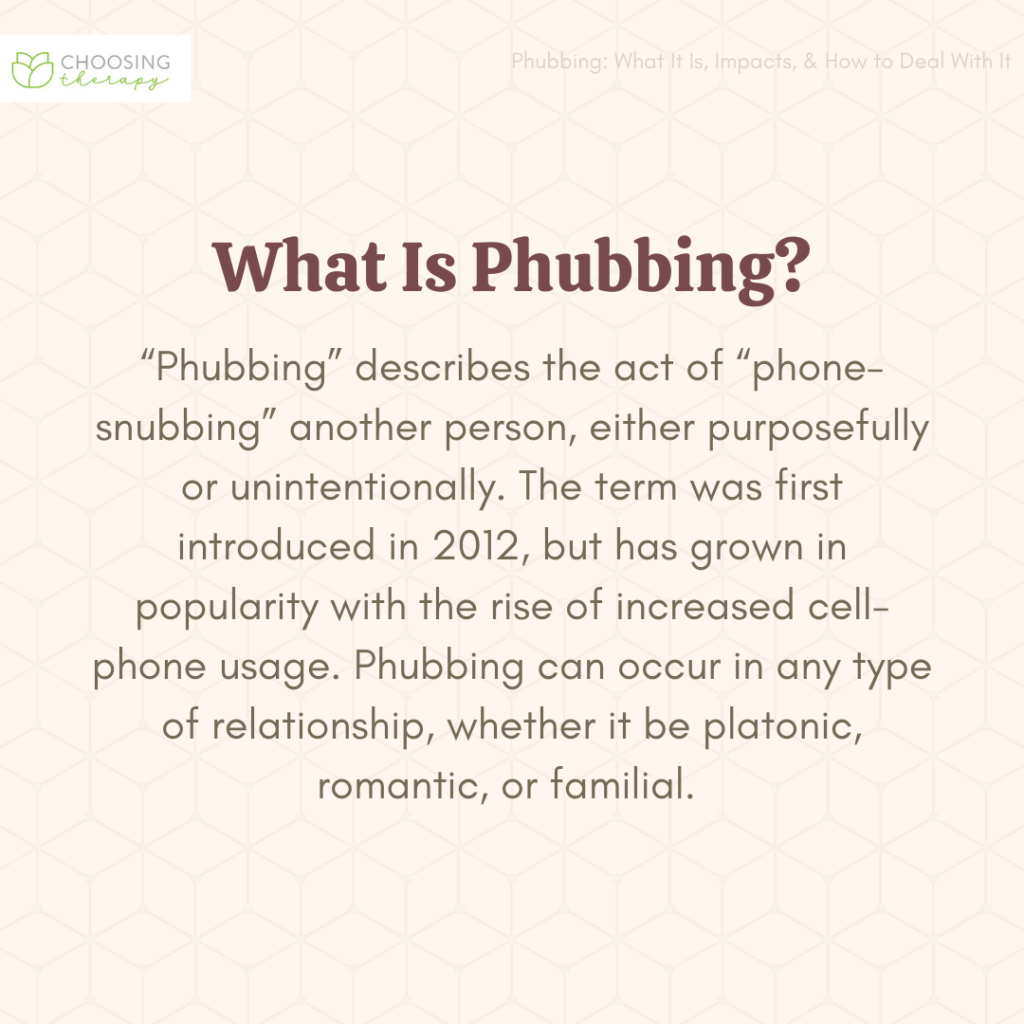
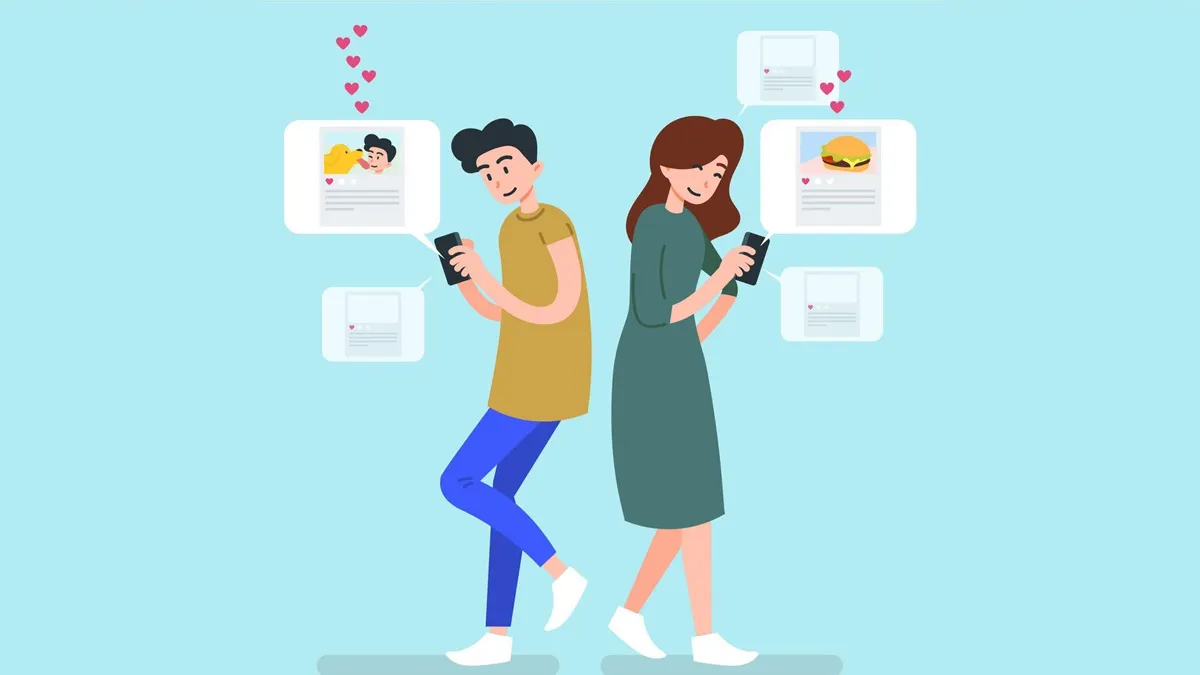
In today's digital age, we are constantly connected to our smartphones, and the phenomenon of phubbing has become increasingly prevalent. Phubbing, or phone snubbing, refers to the act of ignoring someone in a social interaction by focusing on one's phone instead. While it may seem harmless, phubbing can have negative consequences on our relationships, mental health, and overall well-being.
The Dangers of Phubbing
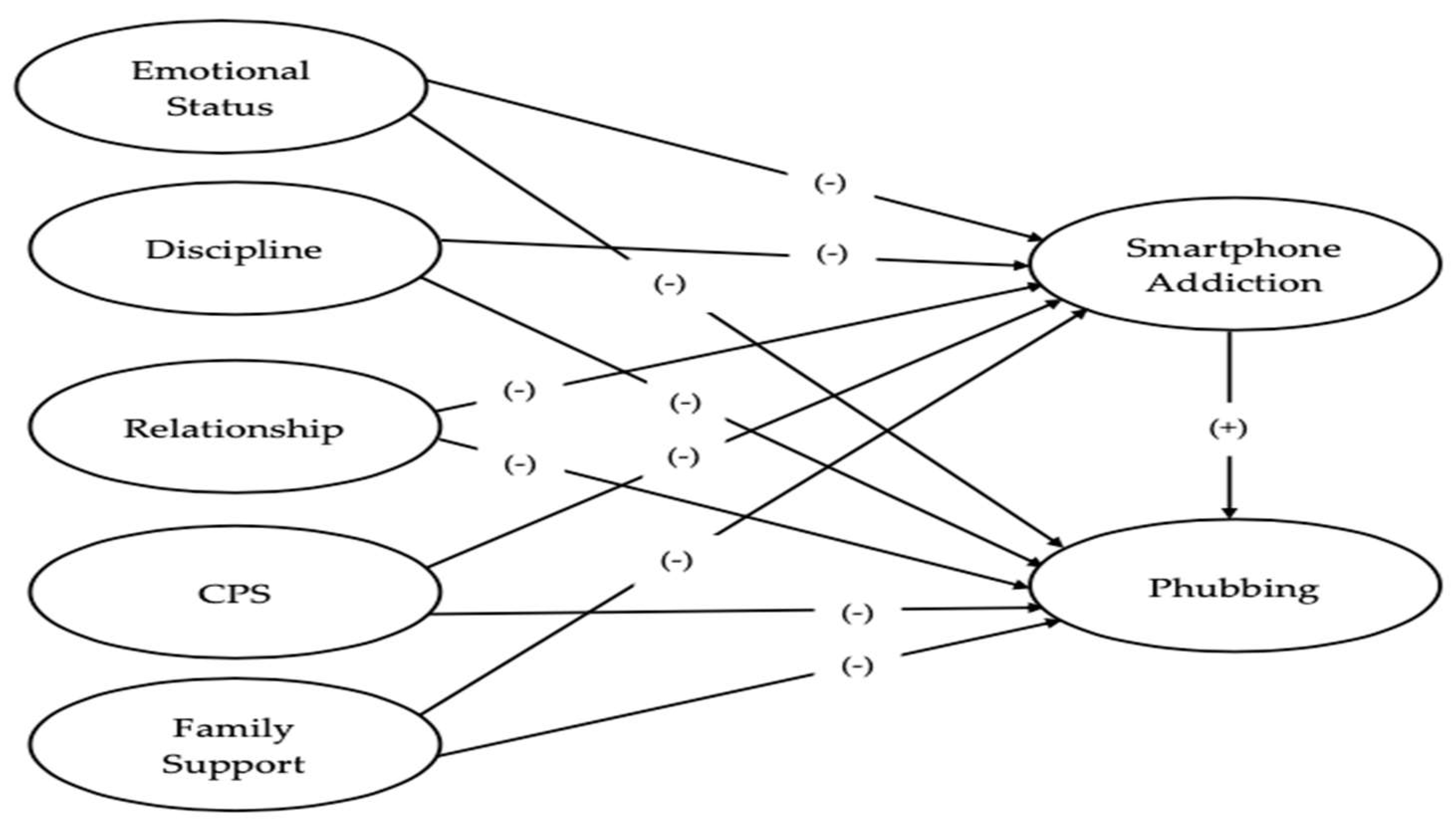
Phubbing is not just a minor annoyance, but a symptom of a deeper issue - addiction. According to recent studies, people who engage in excessive phone use are more likely to experience feelings of loneliness, anxiety, and depression. Phubbing can also lead to a breakdown in meaningful communication, causing relationships to suffer. In this article, we'll explore the signs of phubbing addiction and provide practical tips on how to stop this habit.
Signs of Phubbing Addiction
So, how do you know if you or someone you know is struggling with phubbing addiction? Here are some common signs:
- Frequent checking of phone during social interactions
- Difficulty putting phone away during conversations
- Increased irritability or anxiety when phone is not available
- Continued phone use despite negative consequences on relationships or mental health
- Inability to control phone use or resist the urge to check phone constantly
Risk Factors for Phubbing Addiction
Research has identified several risk factors for phubbing addiction, including:

- Excessive smartphone use
- Fear of missing out (FOMO)
- Low self-control
- Internet addiction
- Poor mental health (e.g., anxiety, depression)
Understanding the Psychology of Phubbing
Phubbing is not just a social issue, but also a psychological one. People tend to reach for their phones during moments of boredom, stress, or emotional discomfort as a way of regulating feelings. This can lead to a pattern of habitual phone use, even when it's not necessary. Understanding the psychological drivers of phubbing can help individuals develop strategies to break the habit.
Breaking the Phubbing Habit
So, how can you stop phubbing and develop healthier habits? Here are some tips:
- Set boundaries: Designate phone-free times and places
- Practice self-awareness: Recognize when you're checking phone out of habit
- Engage in activities that promote mindfulness: Meditate, exercise, or engage in hobbies
- Communicate with others: Share concerns about phubbing with friends and family
- Seek support: Consider therapy or support groups for phone addiction
Conclusion
Phubbing is a complex issue that requires a multifaceted approach. By understanding the signs and risk factors of phubbing addiction, we can develop strategies to break the habit and promote healthier phone use. Remember, it's not just about the phone - it's about how we use it, and how it affects our relationships and mental health.