Prevent Identity Theft Online: A Comprehensive Guide
Identity theft is a growing concern in today's digital age. With the increasing number of online transactions and cyber threats, it's essential to be proactive in protecting your personal information. In this article, we'll delve into the world of identity theft, its warning signs, and provide you with valuable tips on how to prevent it from happening to you.
What is Identity Theft?
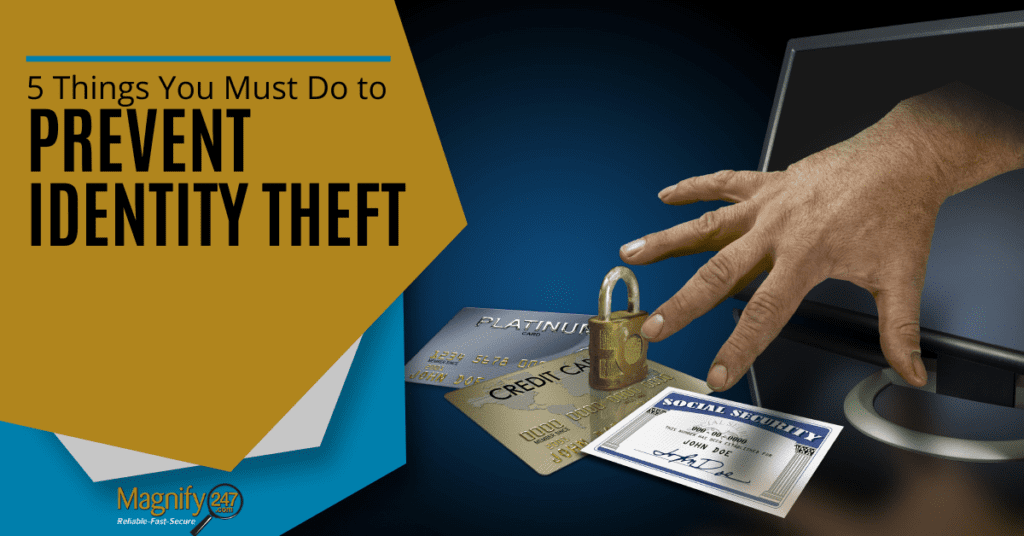
Identity theft occurs when someone illegally uses your personal information to commit fraud. This can include using your Social Security number, credit card number, or other sensitive information without your permission. Identity thieves can drain your bank account, ruin your credit, and even block access to your health benefits and tax refund.
Warning Signs of Identity Theft
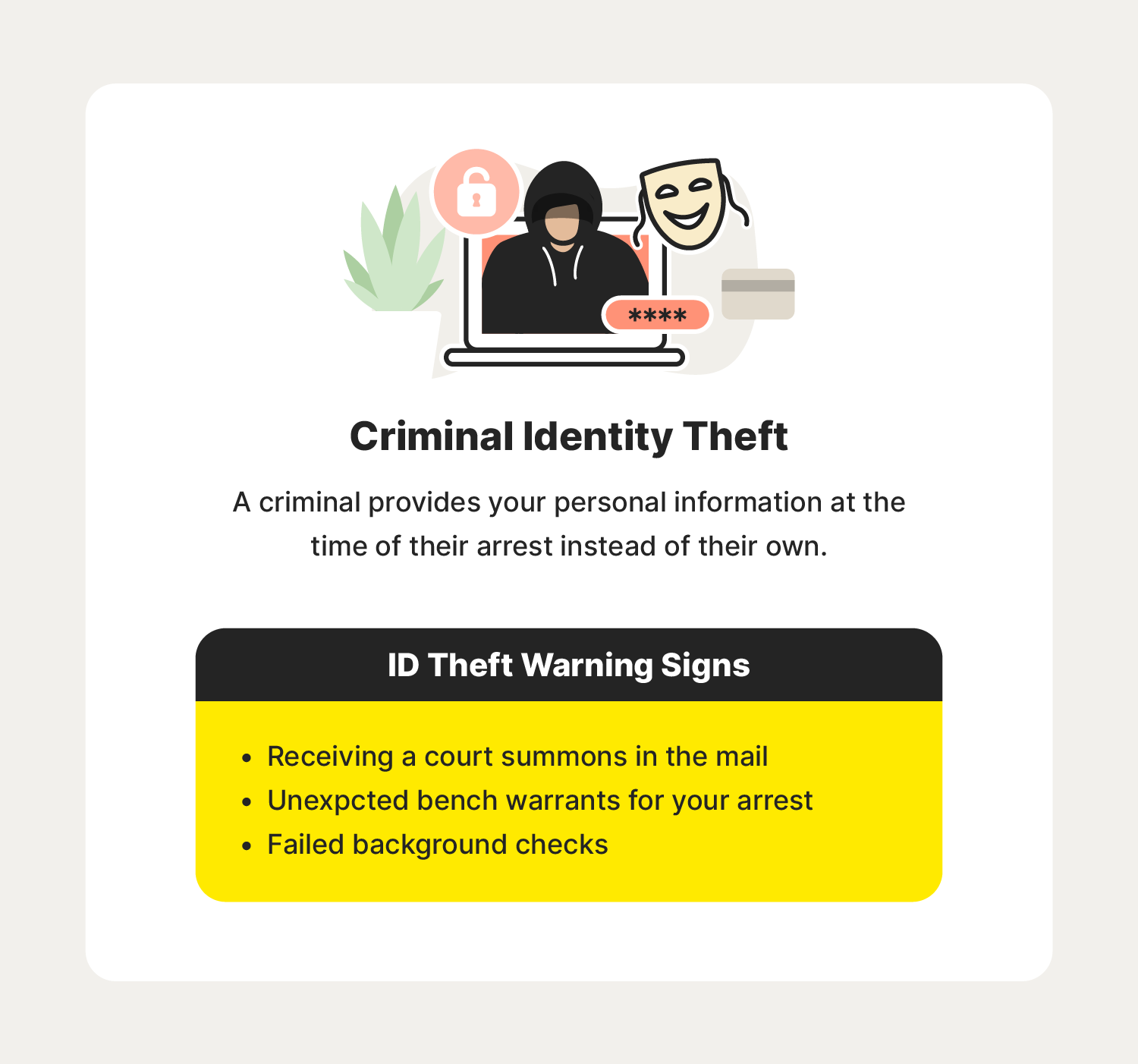
Recognizing the warning signs of identity theft is crucial in preventing it from happening to you. Some common warning signs include:
- Unexplained charges on your credit card statement
- Missing mail or unfamiliar bills
- Unknown transactions on your bank statement
- Rejection of loan or credit applications
- Collection agency calls for debts you don't owe
Steps to Prevent Identity Theft Online
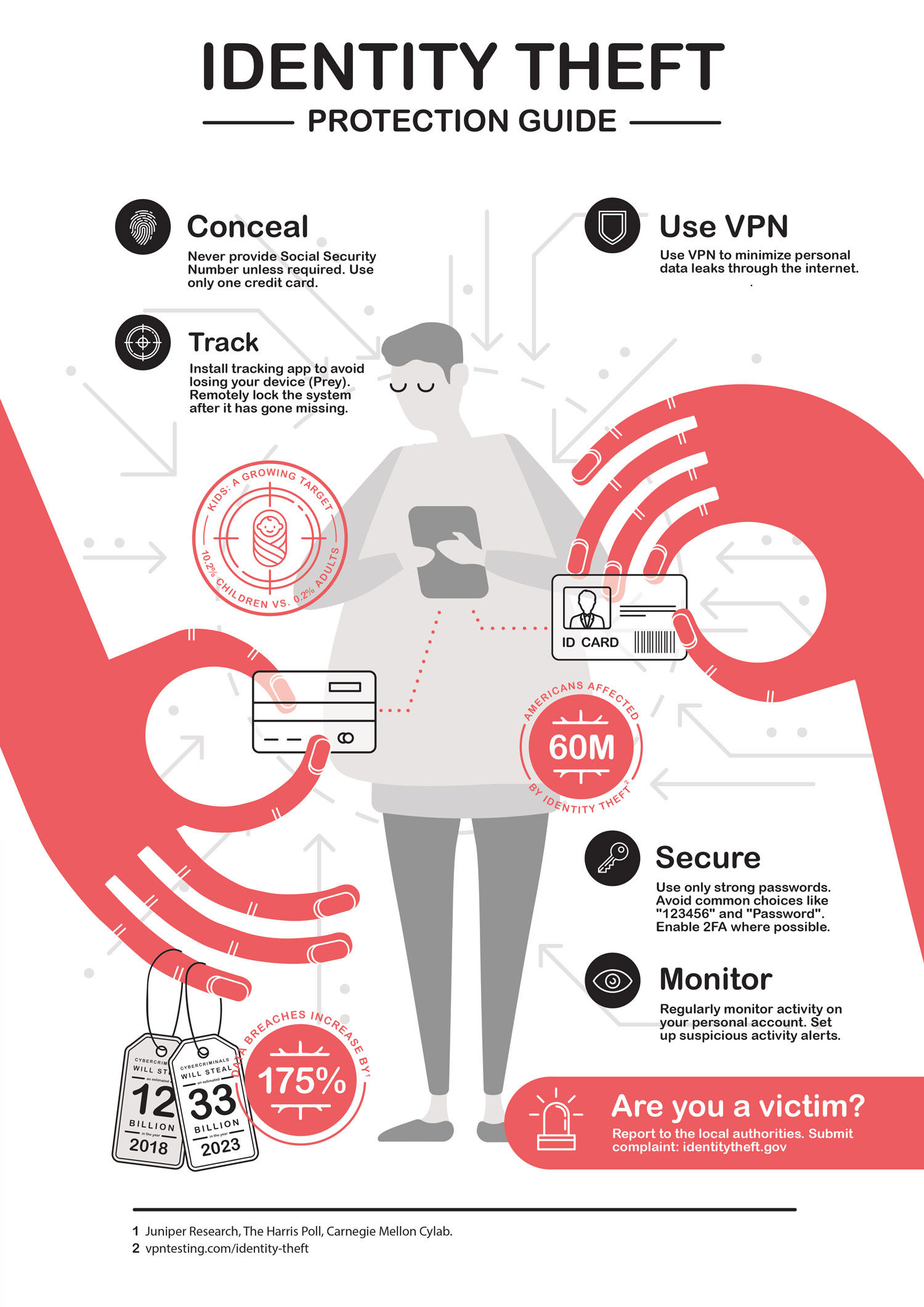
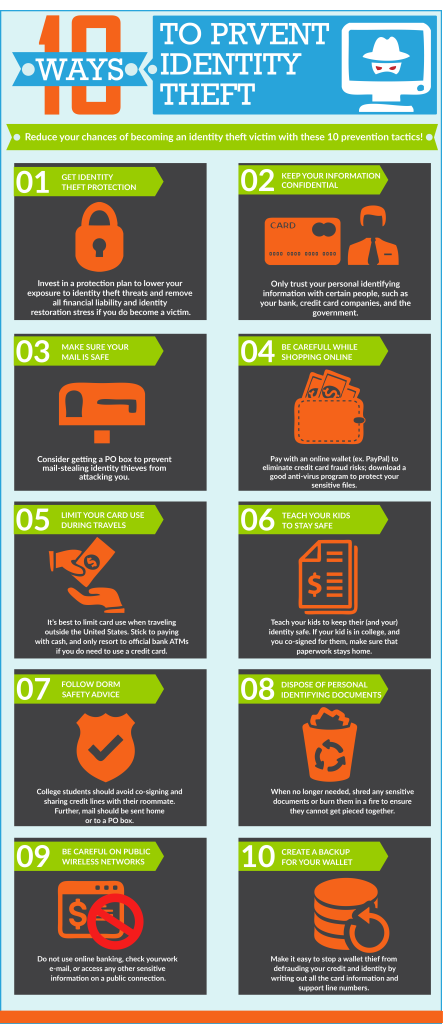
Preventing identity theft is a collective effort that requires your attention and caution. Here are 11 tips to help you reduce your risk of identity theft:
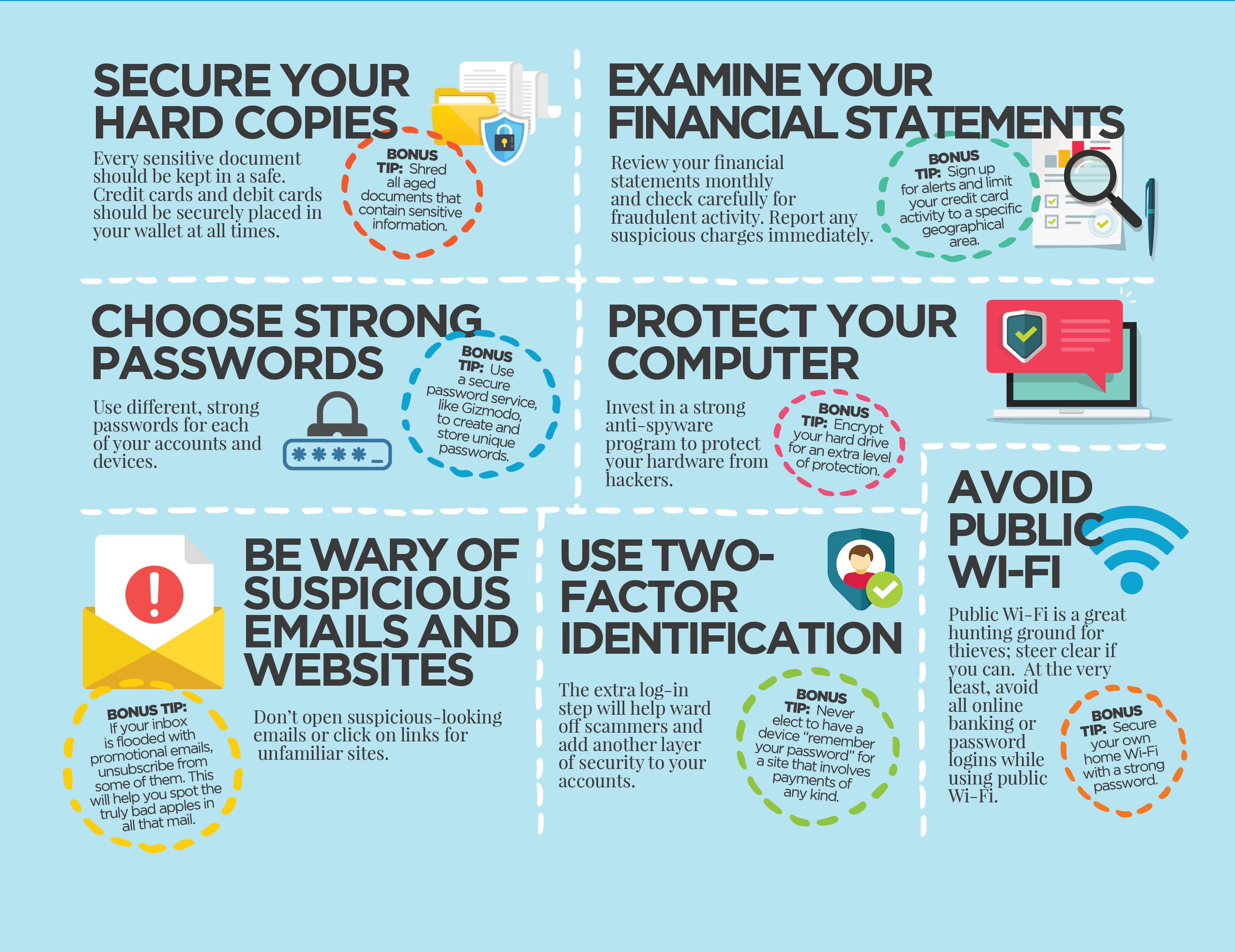
- Freeze your credit reports: This will prevent identity thieves from opening new accounts in your name.
- Monitor your accounts: Regularly check your bank and credit card statements for any suspicious activity.
- Use strong passwords: Create complex and unique passwords for all your online accounts.
- Enable two-factor authentication: This adds an extra layer of security to your online accounts.
- Shred sensitive documents: Dispose of sensitive documents properly to prevent identity thieves from getting their hands on them.
- Be cautious with online transactions: Make sure to review your online transactions carefully before finalizing them.
- Use a VPN: A virtual private network (VPN) helps protect your internet traffic from being intercepted by identity thieves.
- Keep your software up-to-date: Regularly update your operating system, browser, and other software to ensure you have the latest security patches.
- Use a password manager: A password manager helps you generate and store unique and complex passwords for all your online accounts.
- Check your credit report: Regularly review your credit report to ensure it's accurate and up-to-date.
- Use a secure search engine: Some search engines prioritize providing secure search results and have built-in features to protect your online identity.
Report Identity Theft
If you're a victim of identity theft, it's essential to report it to the proper authorities. Here are the steps to follow:
- File a report with the Federal Trade Commission (FTC)
- Notify the credit bureaus: You can submit a dispute form to all three credit bureaus (Equifax, Experian, and TransUnion)
- Inform your bank and credit card companies
- Report the incident to the Identity Theft Assumption and Deterrence Act (ITADA)
Conclusion
Preventing identity theft is a collective effort that requires your attention and caution. By following these 11 tips and being aware of the warning signs of identity theft, you can significantly reduce your risk of becoming a victim. Remember, protecting your online identity is a year-round effort that requires your vigilance and proactive approach.
Additional Resources
For more information on identity theft prevention and reporting, visit the following resources:
- IdentityTheft.gov: The federal government's one-stop resource for identity theft victims
- FTC.gov: The official website of the Federal Trade Commission (FTC)
- ITRC.org: The Identity Theft Resource Center (ITRC) provides guidance and support for identity theft victims