Sleep Disorders: A Growing Concern for Mental and Physical Health
Sleep disorders are a group of conditions that affect the normal sleep patterns of an individual. These disorders can have a significant impact on a person's quality of life, leading to impaired physical and mental health. In this article, we will explore the different types of sleep disorders, their symptoms, causes, diagnosis, and treatment options.What are Sleep Disorders?
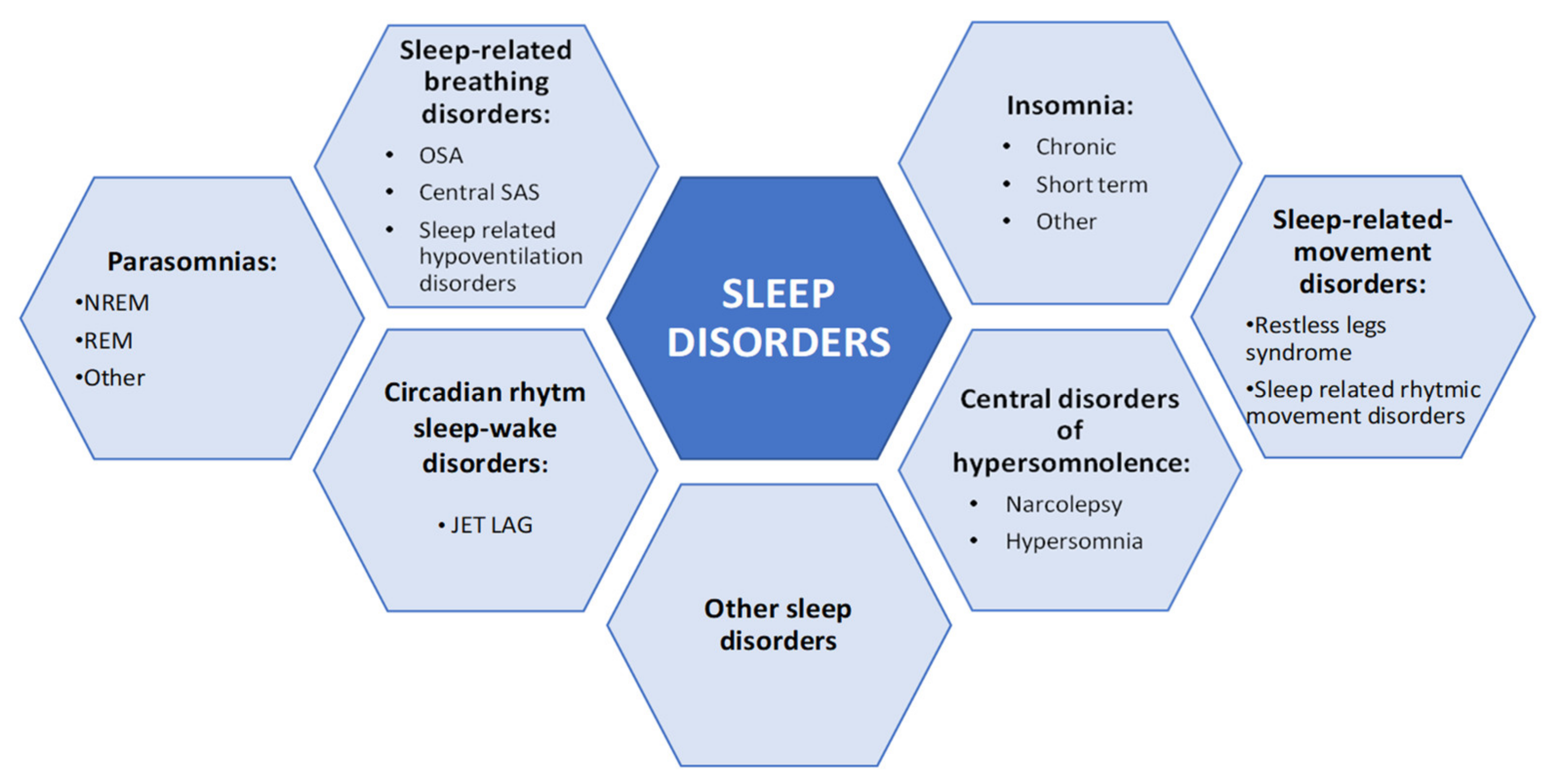
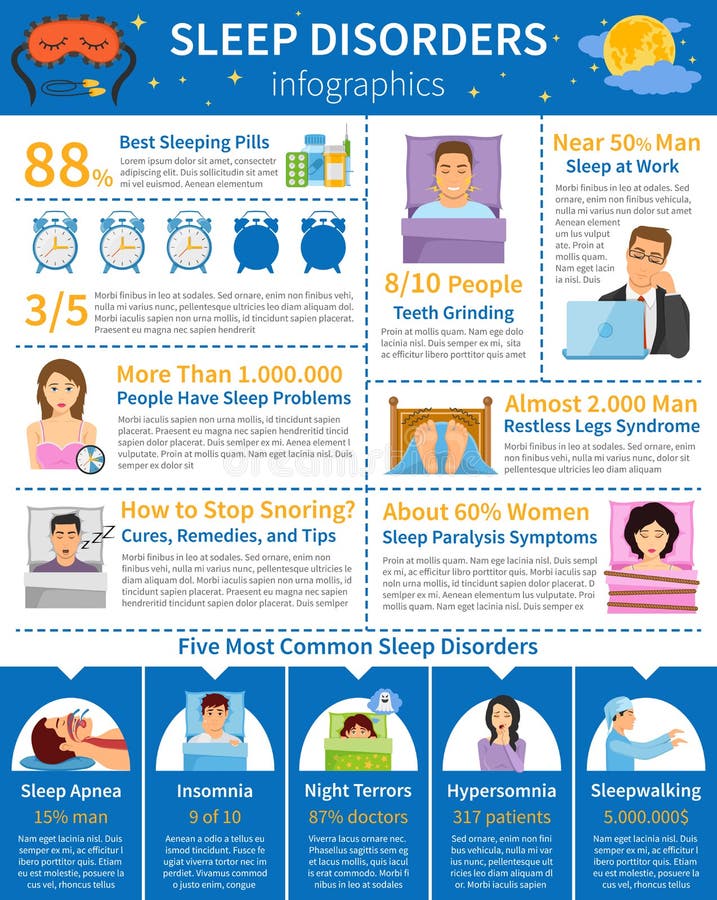
Sleep disorders, as mentioned earlier, are conditions that disrupt normal sleep patterns. They can be acute or chronic and affect people of all ages. According to the National Sleep Foundation, sleep disorders are one of the most common clinical problems encountered, affecting over 80 types of sleep disorders. These disorders can be categorized into two main groups: dyssomnias and parasomnias.Types of Sleep Disorders
Dyssomnias
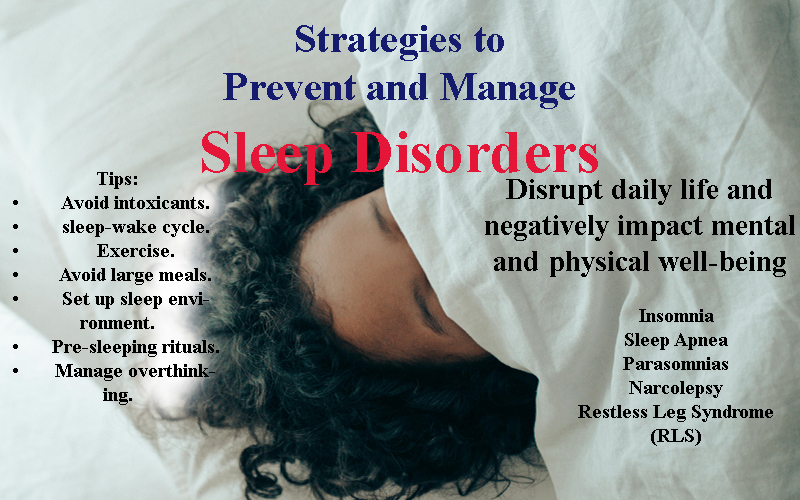
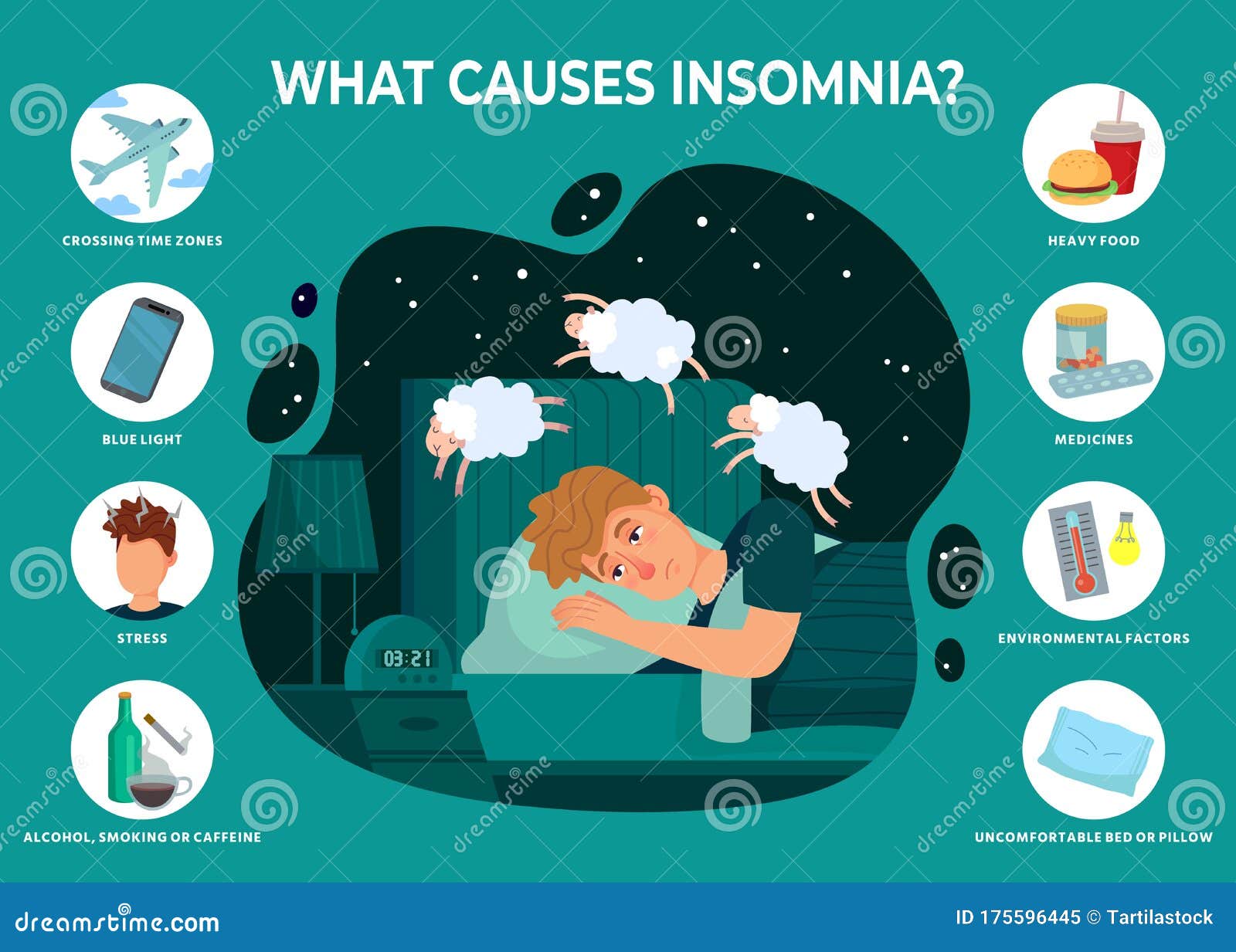
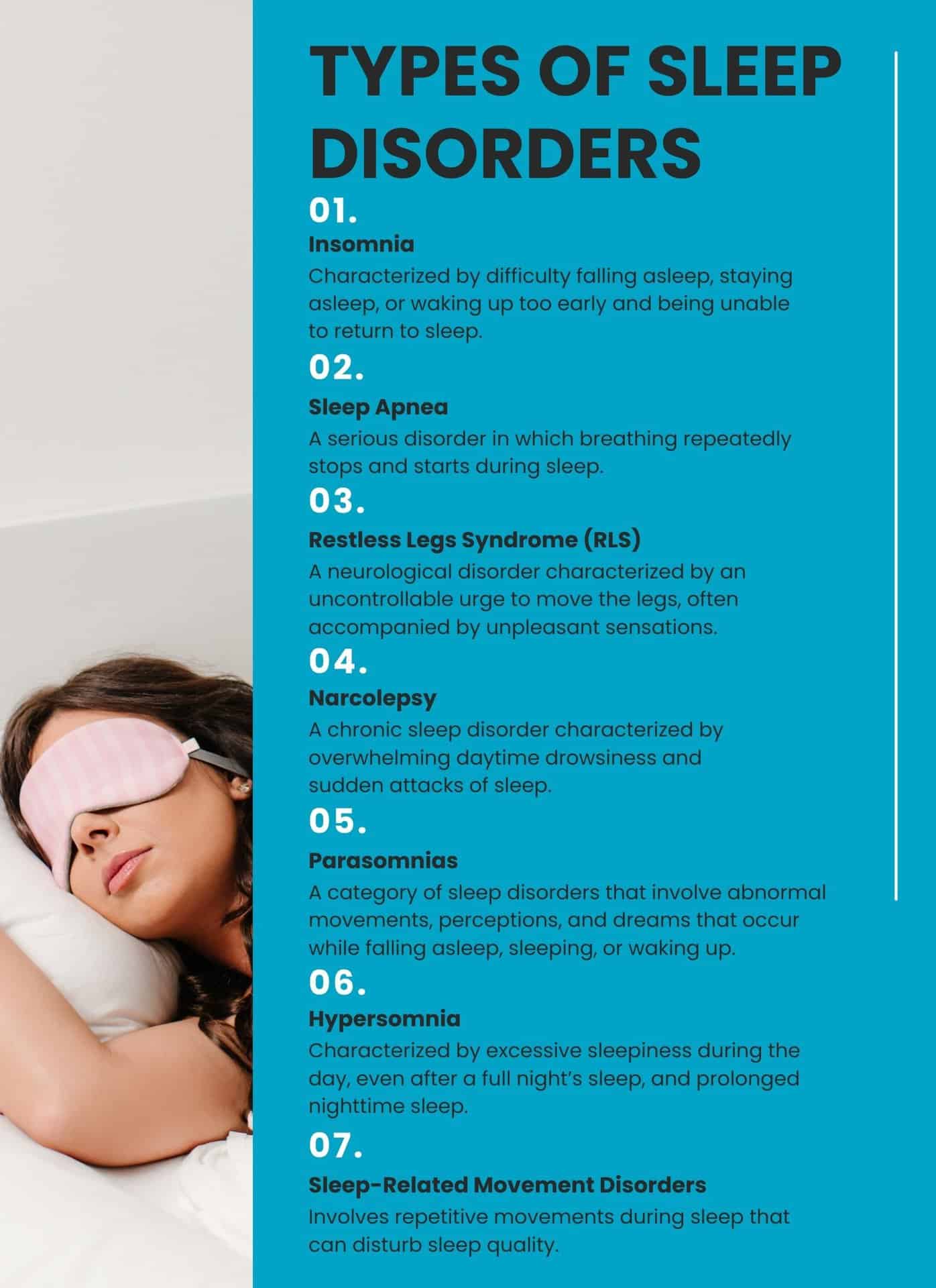
Dyssomnias are sleep disorders that affect the amount or quality of sleep. Some of the most common types of dyssomnias include:- Insomnia: characterized by difficulty initiating or maintaining sleep, leading to daytime fatigue and impaired functioning.
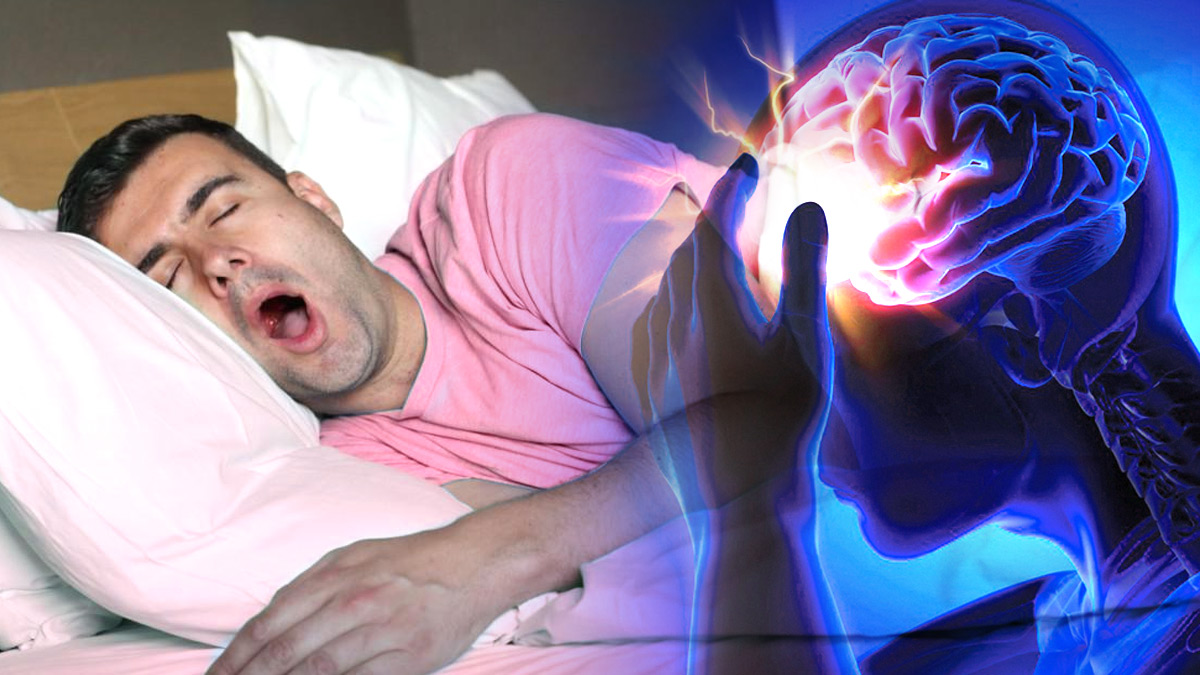
- Sleep Apnea: a condition that causes a person to stop breathing for short periods during sleep, leading to poor sleep quality and potential daytime fatigue.
- Narcolepsy: a neurological disorder that affects the brain's ability to regulate sleep-wake cycles, leading to excessive daytime sleepiness.
Parasomnias
Parasomnias are sleep disorders that involve abnormal movements or behaviors during sleep. Some common types of parasomnias include:- Sleep Terrors: characterized by screaming, thrashing, or other abnormal behaviors during sleep.
- Sleep Walking: a condition in which a person gets out of bed and walks around during sleep, often without remembering the event.
Causes and Risk Factors
- Genetics: some sleep disorders have a genetic component and can be inherited from parents.
- Age: sleep disorders can affect people of all ages, but they are more common among older adults.
- Medical conditions: certain medical conditions such as sleep apnea, diabetes, and sleep disorders like restless leg syndrome can increase the risk of developing sleep disorders.
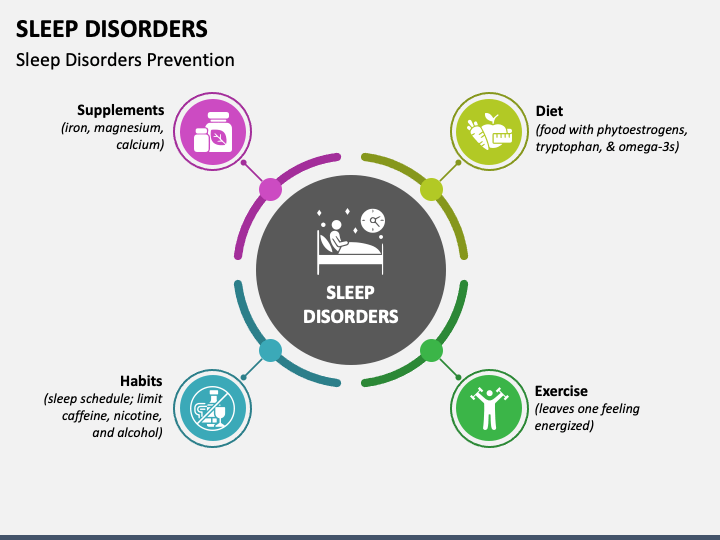
- Behavioral factors: poor sleep habits, such as irregular sleep schedules, caffeine and nicotine consumption, and lack of exercise, can also contribute to sleep disorders.
Diagnosis and Treatment
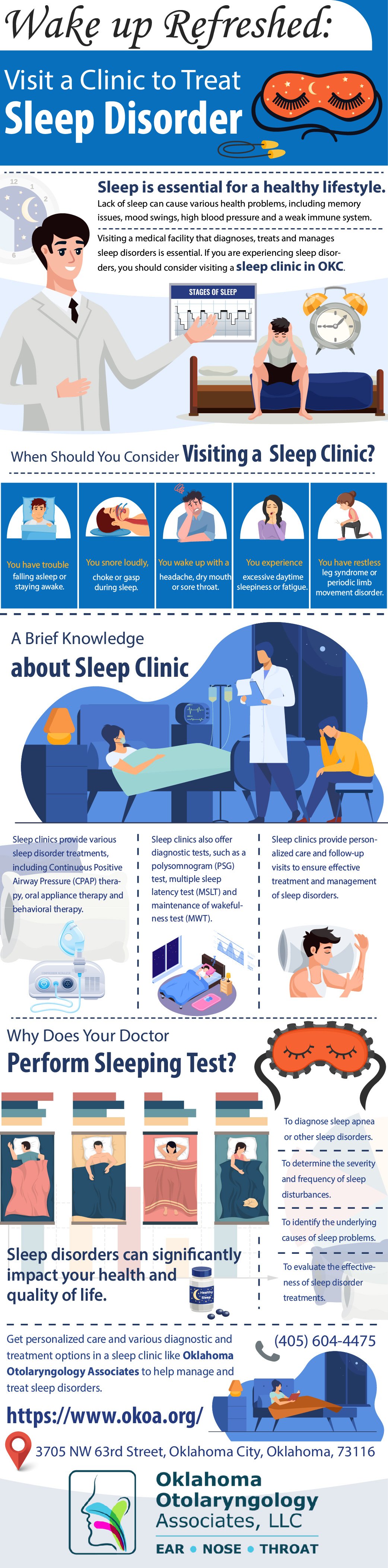
Diagnosing sleep disorders involves a comprehensive evaluation of a person's medical history, physical examination, and sleep patterns. Treatment options vary depending on the type of sleep disorder and can include:- Behavioral therapies: such as cognitive-behavioral therapy for insomnia (CBT-I) and sleep restriction therapy.
- Medications: to help regulate sleep-wake cycles and improve sleep quality.
- Device therapy: such as continuous positive airway pressure (CPAP) therapy for sleep apnea.
Prevention
Preventing sleep disorders is essential to maintain good physical and mental health. Here are some tips to help prevent sleep disorders:- Establish a consistent sleep schedule.
- Practice good sleep hygiene.
- Exercise regularly.
- Avoid caffeine and nicotine before bedtime.