Overcoming Phone Obsession with Self-Compassion: A Journey to Digital Balance
Are you tired of feeling like your phone is controlling your life? Do you struggle to fill the void of boredom or anxiety without reaching for your device? You're not alone. Phone obsession is a modern-day epidemic that affects millions of people worldwide. However, there's hope. By cultivating self-compassion and understanding the underlying factors that drive phone addiction, you can break free from the cycle of obsession and reclaim your digital life.
The Dangers of Phone Addiction
Phone addiction is a serious issue that affects not only our mental health but also our relationships, productivity, and overall well-being. According to recent studies, excessive phone use can lead to depression, anxiety, decreased attention span, and even physical health problems. It's no wonder that many of us feel trapped in a cycle of compulsive phone use.
So, How Can We Break the Cycle?
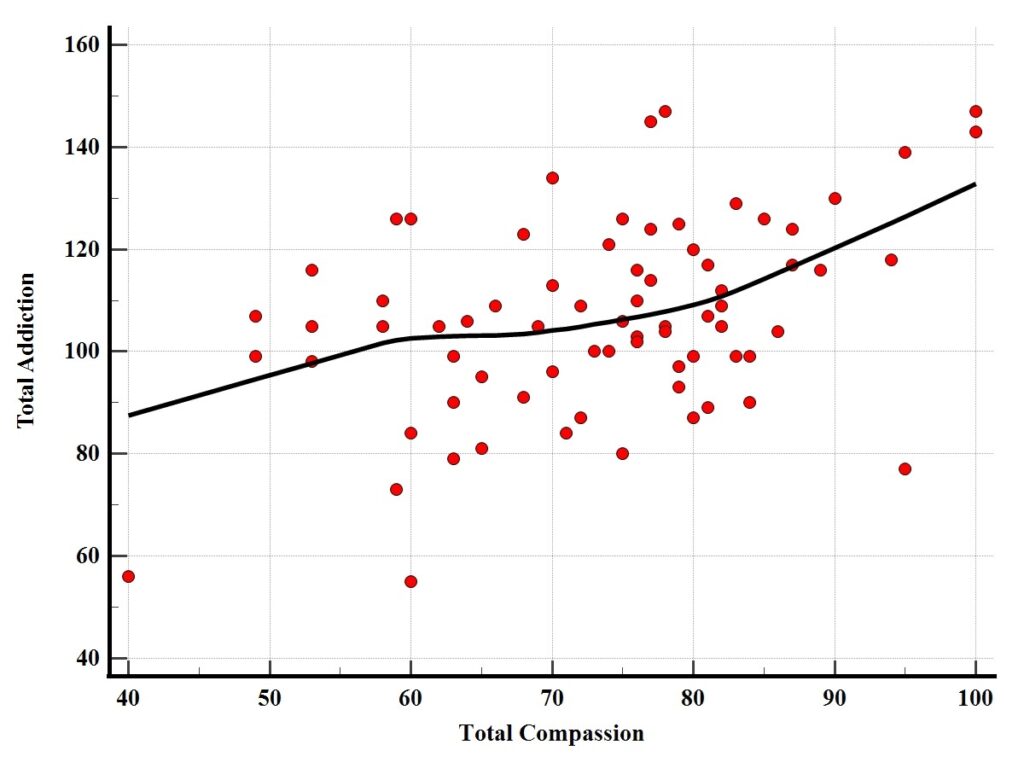
Overcoming phone obsession starts with acknowledging the underlying drivers of our behavior. Research suggests that self-compassion plays a crucial role in reducing phone addiction. When we cultivate self-compassion, we become more aware of our thoughts, emotions, and behaviors. We develop a kinder and more understanding attitude towards ourselves, which enables us to make healthier choices.
What is Self-Compassion?
Self-compassion is the practice of treating ourselves with kindness, understanding, and acceptance. It's about recognizing that we're human, and it's okay to make mistakes. When we practice self-compassion, we develop a greater sense of self-awareness, which helps us to:
- Recognize our phone use patterns
- Understand our emotional triggers
- Develop healthier coping mechanisms
5 Strategies to Overcome Phone Obsession with Self-Compassion
Here are five practical strategies to help you cultivate self-compassion and overcome phone obsession:
1. Practice Mindfulness Meditation

Mindfulness meditation is a powerful tool for developing self-awareness and self-compassion. By paying attention to your breath, body, and emotions, you can become more aware of your phone use patterns and develop a greater sense of control over your behavior.
2. Set Boundaries with Technology
Establishing boundaries around your phone use is essential for cultivating self-compassion. Set specific times for phone use, and avoid using your phone before bedtime or during meals. This will help you develop a healthier relationship with technology and reduce your phone's grip on your life.
3. Engage in Offline Activities
Engaging in offline activities is a great way to cultivate self-compassion and break the cycle of phone obsession. Try reading a book, taking a walk, or practicing yoga. These activities will help you develop a greater sense of self-awareness and reduce your reliance on technology.
4. Practice Self-Forgiveness
Self-forgiveness is an essential aspect of self-compassion. When you slip up and reach for your phone excessively, practice self-forgiveness. Acknowledge your mistake, and gently remind yourself that it's okay to make errors. This will help you develop a kinder and more understanding attitude towards yourself.
5. Seek Support
Seeking support from friends, family, or a therapist is a powerful way to cultivate self-compassion. Sharing your struggles with phone obsession with others can help you develop a greater sense of awareness and accountability. Don't be afraid to reach out for help – it's a sign of strength, not weakness.
Conclusion
Overcoming phone obsession requires a holistic approach that combines self-awareness, self-compassion, and intentional behavior change. By cultivating self-compassion and understanding the underlying drivers of our behavior, we can break the cycle of phone addiction and reclaim our digital lives. Remember, you are not alone in this journey. By practicing self-compassion and seeking support, you can develop a healthier relationship with technology and live a more balanced life.