How to Get a Job in the Court Stenography Industry: A Comprehensive Guide
Introduction
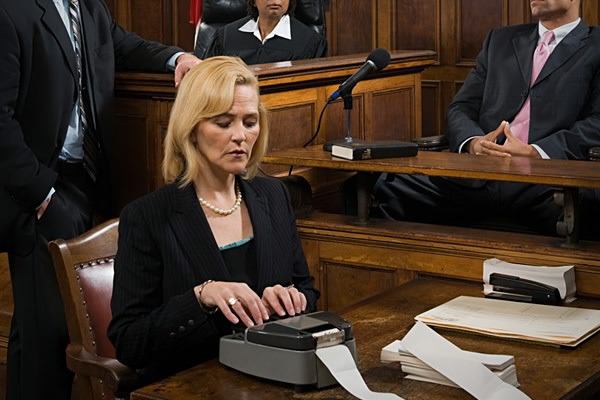
Are you interested in a career in the court stenography industry? As a court reporter or stenographer, you will play a vital role in the legal process, capturing every word spoken during court proceedings and creating accurate transcripts. In this article, we'll guide you through the steps to become a court stenographer and explore the job opportunities available in this exciting field.Understanding the Job Description and Responsibilities of a Stenographer
A stenographer's primary responsibility is to take dictation in shorthand of correspondence, reports, and other related material. They may also operate a typewriter to transcribe dictated material. To become a stenographer, you typically need an associate's degree and 2-4 years of experience in the field or a related area. A stenographer's salary can range from $24,000 to $94,000 per year, depending on the location and level of experience.What is Stenography?
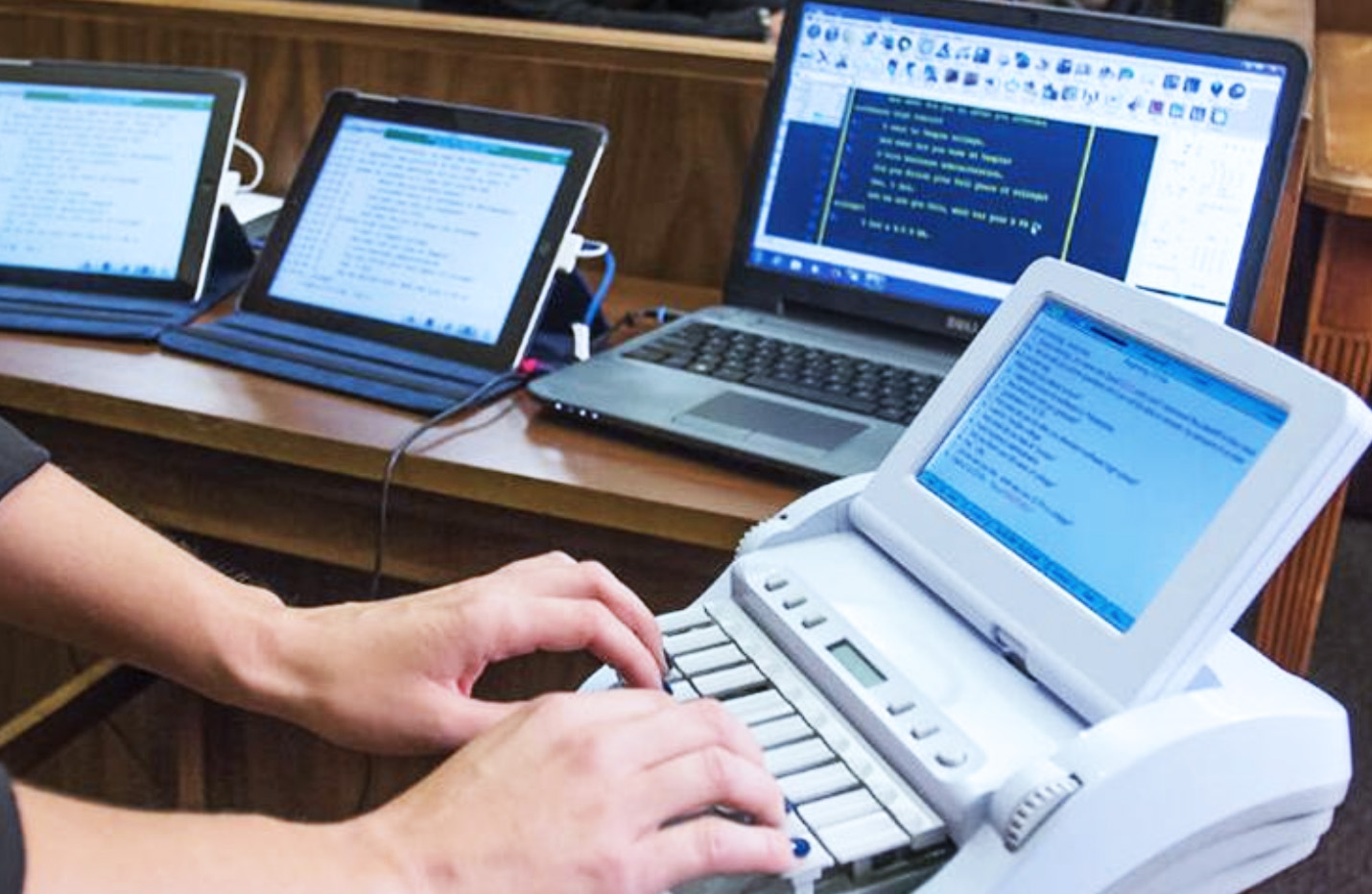
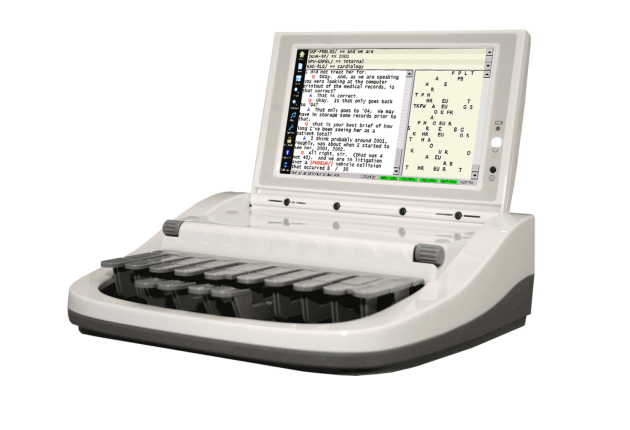
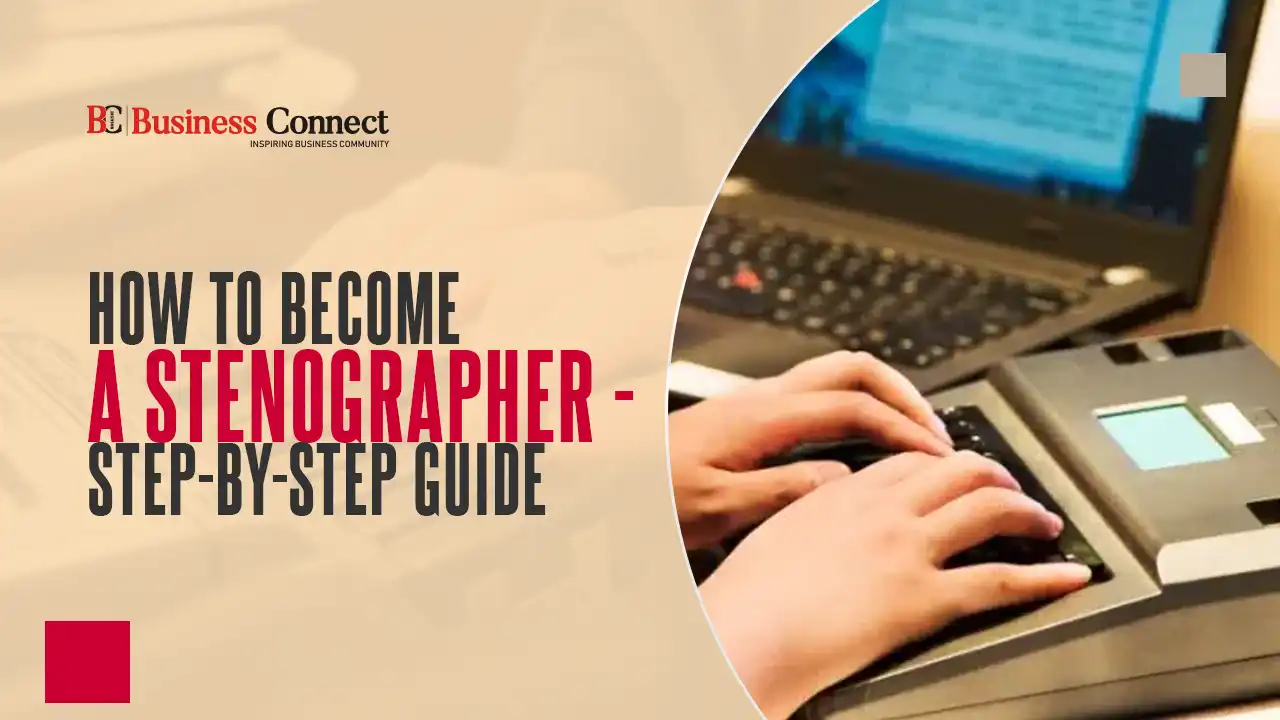
Stenography is the process of recording spoken words using a stenotype machine or phonetic shorthand system. Stenographers use a specialized machine that allows them to type quickly and accurately, often at rates of up to 250 words per minute. This skill requires a great deal of practice, patience, and dedication, but it can be a extremely rewarding profession for those who are passionate about language and the legal system.Step-by-Step Guide to Becoming a Court Reporter or Stenographer
If you're interested in becoming a court reporter or stenographer, here are the steps to follow: -- Complete a stenography course or training program to learn the basics of stenography and phonetic shorthand.
- Gain experience by interning or working as a transcriptionist or stenographer assistant.
- Join professional organizations, such as the National Court Reporters Association (NCRA), to stay up-to-date on industry developments and best practices.
- Pursue certification, such as the Registered Professional Reporter (RPR) certification, to demonstrate your expertise and commitment to the profession.
- Network and build relationships with experienced stenographers and court reporters to learn about job opportunities and best practices.
- Consider earning a bachelor's degree in a related field, such as education or communications, to enhance your job prospects and salary potential.

Job Opportunities in the Court Stenography Industry
There are many job opportunities available in the court stenography industry, from working as a court reporter or stenographer to becoming a lead reporter, supervisor, or manager. Some stenographers may choose to start their own businesses, offering captioning, CART, scoping, and editing services. According to the Bureau of Labor Statistics, the demand for court reporters and stenographers is expected to grow 10% by 2028.Conclusion
Becoming a court reporter or stenographer requires dedication, hard work, and a passion for language and the legal system. By following the steps outlined in this article, you can pursue a rewarding and challenging career in the court stenography industry. Whether you're interested in working in a courtroom, as an independent contractor, or as an entrepreneur, there are many opportunities available for those who are willing to put in the time and effort to learn and develop their skills.Further Resources
For more information on the court stenography industry and how to get a job in the field, check out the following resources: -- U.S. Legal Support: A leading provider of litigation support services and court reporting
- NCRA: The National Court Reporters Association, providing education, resources, and advocacy for court reporters and stenographers
- S Simply Hired: A job search platform with thousands of court reporter and stenographer job listings
- Indeed: A job search platform with hundreds of court reporter and stenographer job listings, as well as a wealth of information on salaries, job descriptions, and industry trends