Addiction to New Gadgets: Understanding the Consequences and Finding Solutions
In today's digital age, it's easy to become addicted to new gadgets. With the constant release of shiny new phones, laptops, and other electronic devices, it's no wonder that millions of people around the world are struggling with an addiction to technology.
The Dangers of Addiction to New Gadgets
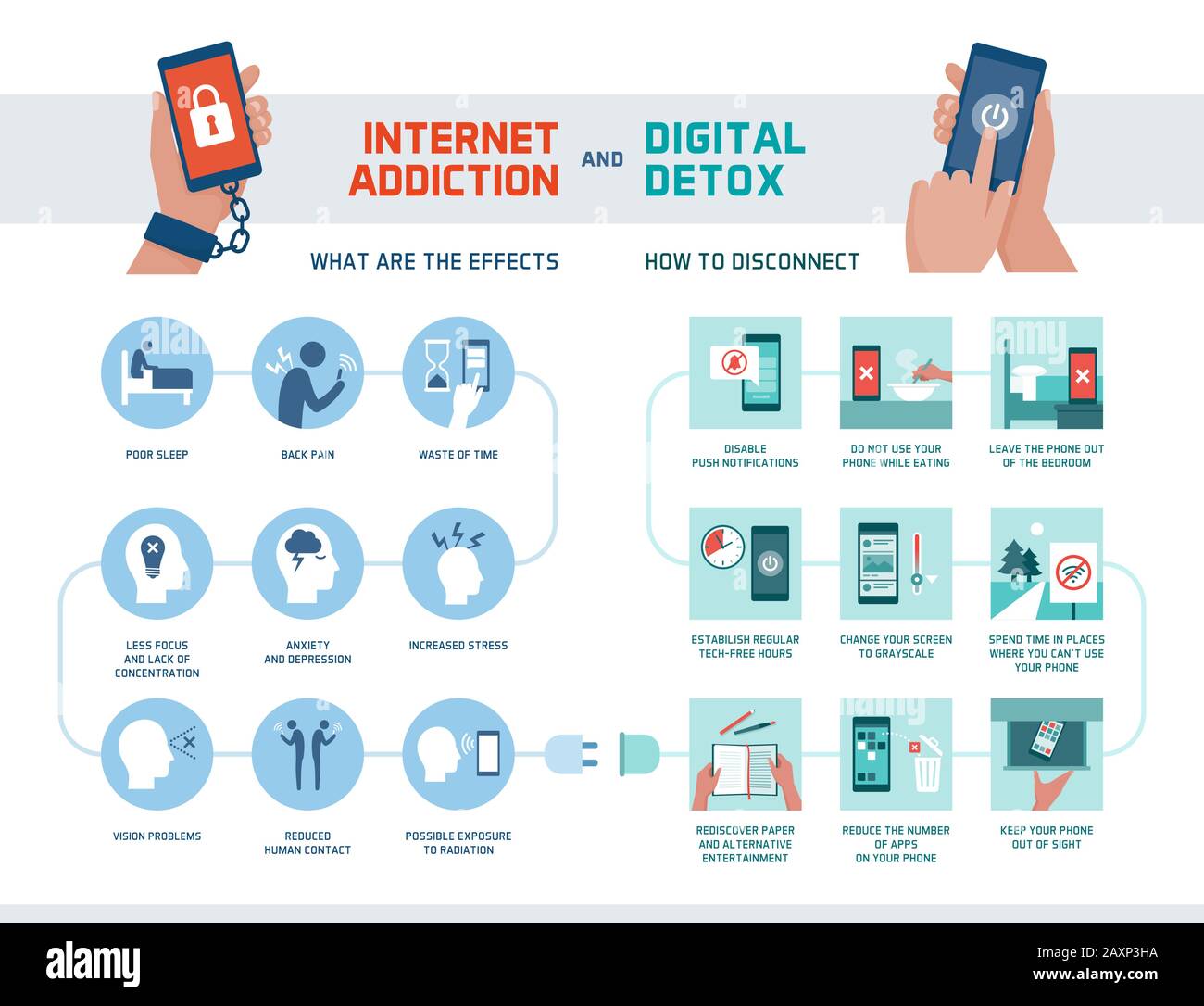
Technology addiction, also known as gadget addiction, is a serious issue that can have negative consequences on our mental and physical health, relationships, and daily lives. Research has shown that excessive use of electronic devices can lead to a range of problems, including social isolation, decreased attention span, and increased stress levels.
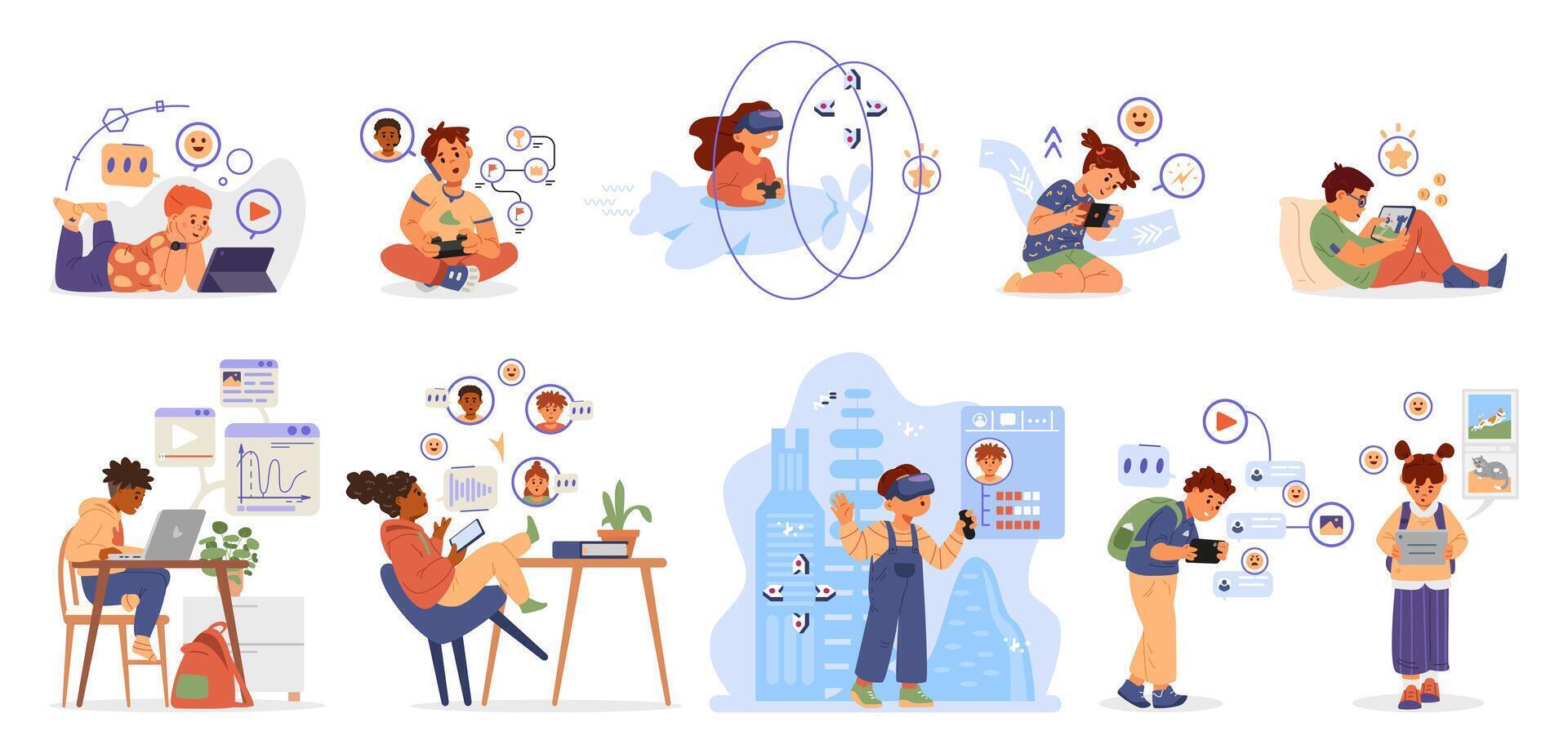
- Children and teenagers are particularly vulnerable to gadget addiction, with studies showing that excessive screen time can have a negative impact on their cognitive and emotional development.
- Adults are also at risk, with technology addiction potentially leading to problems such as decreased productivity, increased anxiety, and decreased relationships.
- The constant availability of new gadgets and features can trigger dopamine bursts, exploit social rewards, and fill emotional or time gaps, making it difficult to break the cycle of addiction.
The Causes of Addiction to New Gadgets
So, why do people become addicted to new gadgets? The answer is complex, but research suggests that a combination of factors contribute to technology addiction, including:
- Genetics: Some people may be more prone to addiction due to their genetic makeup.
- Stress: Using technology as a coping mechanism for stress and anxiety can lead to addiction.
- Sleep loss: Lack of sleep can increase the risk of addiction to technology.
- Anxiety and depression: People struggling with mental health issues may turn to technology as a way to cope.
- Availability: The constant availability of new gadgets and features can trigger addiction.
Breaking the Cycle of Addiction

So, how can we break the cycle of addiction to new gadgets? Here are some strategies that may help:
- Set limits: Establishing boundaries around technology use can help prevent addiction.
- Seek support: Talking to a therapist or joining a support group can provide a safe space to discuss technology addiction.
- Find alternative coping mechanisms: Engaging in physical activity, practicing mindfulness, or pursuing hobbies can help reduce the need for technology as a coping mechanism.
- Use technology wisely: Utilizing tools and apps that promote healthy technology use, such as website blockers or phone lockers, can help reduce addiction.
Conclusion
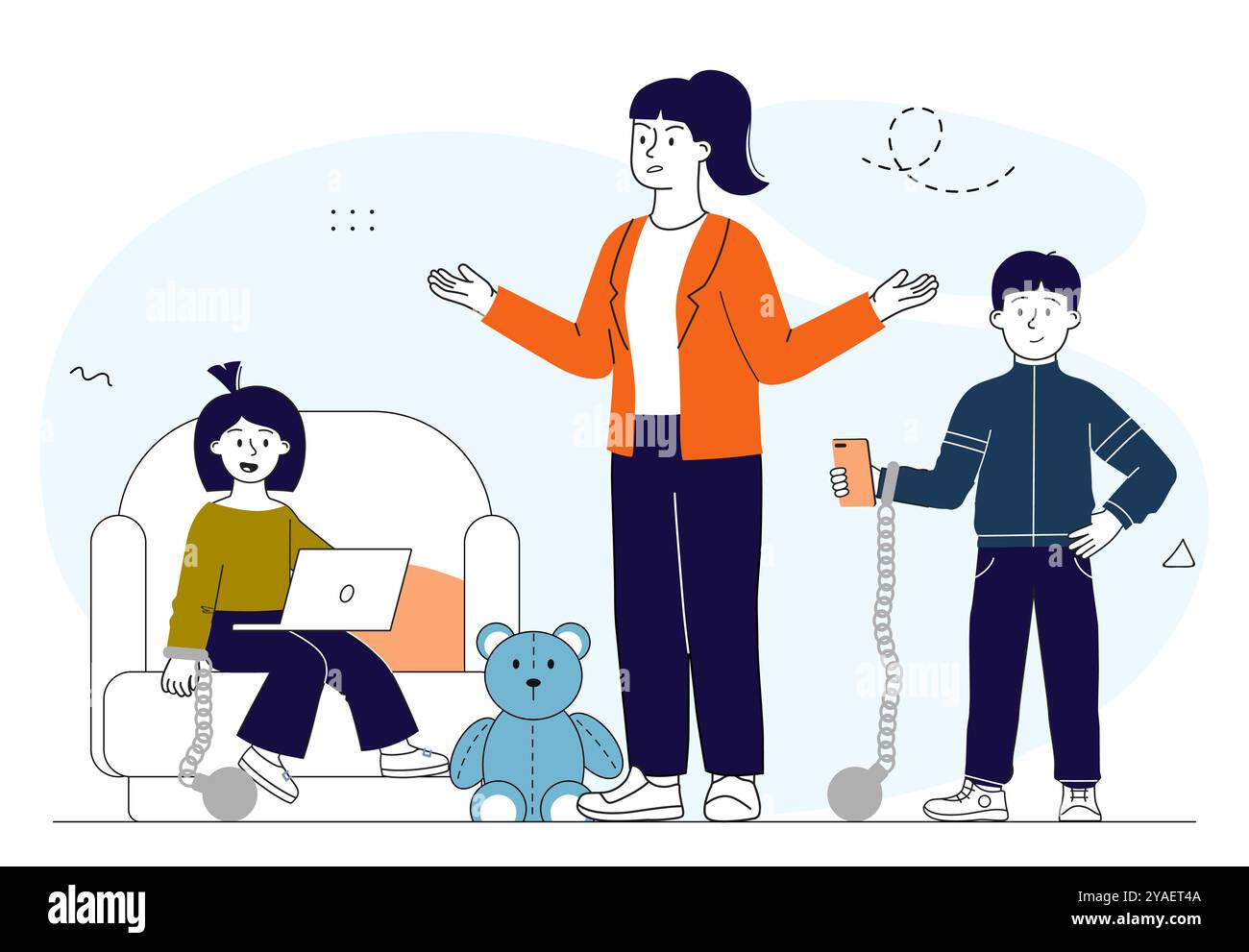
Addiction to new gadgets is a serious issue that can have negative consequences on our lives. By understanding the causes and effects of technology addiction, we can take steps to break the cycle and promote healthier digital habits. Whether you're a parent concerned about your child's gadget addiction or an individual struggling with your own technology addiction, there is hope for recovery and a healthier relationship with technology.
Resources
For more information on technology addiction and recovery, consider the following resources:
- Eureka Health: Offers confidential screening and support for technology addiction.
- Brick: A phone locker app that helps you focus and live intentionally.
- NPR: Provides news and information on technology addiction and digital health.
- Shutterstock: Offers a range of images and resources on technology addiction and digital health.