Online Password Security for Individuals: A Comprehensive Guide
With the increasing number of online accounts and services we use every day, maintaining strong password security has become a top priority for individuals. A single weak password can compromise all your online accounts, leading to identity theft, financial losses, and other serious consequences. In this article, we will discuss the importance of online password security for individuals and provide a detailed guide on how to set up strong passwords, use password managers, passkeys, and multi-factor authentication (MFA) to protect your online identity.
The Risks of Weak Passwords
Weak passwords are the easiest way for hackers to gain access to your online accounts. According to a study, 69% of Americans report being overwhelmed by the number of passwords they need to keep track of, leading to the use of weak or reused passwords. This is a recipe for disaster, as a single weak password can compromise all your online accounts. In addition, weak passwords can also lead to phishing attacks, where hackers use social engineering tactics to trick you into revealing your password or other sensitive information.
Types of Password-Related Threats
- Phishing attacks: Hackers use social engineering tactics to trick you into revealing your password or other sensitive information.
- Password cracking: Hackers use specialized software to guess or crack your password.
- Password reuse: Using the same password across multiple accounts, making it easier for hackers to gain access to all your accounts.
- Password guessing: Hackers try to guess your password by using common patterns or by using information they have gathered about you.
Setting Up Strong Passwords
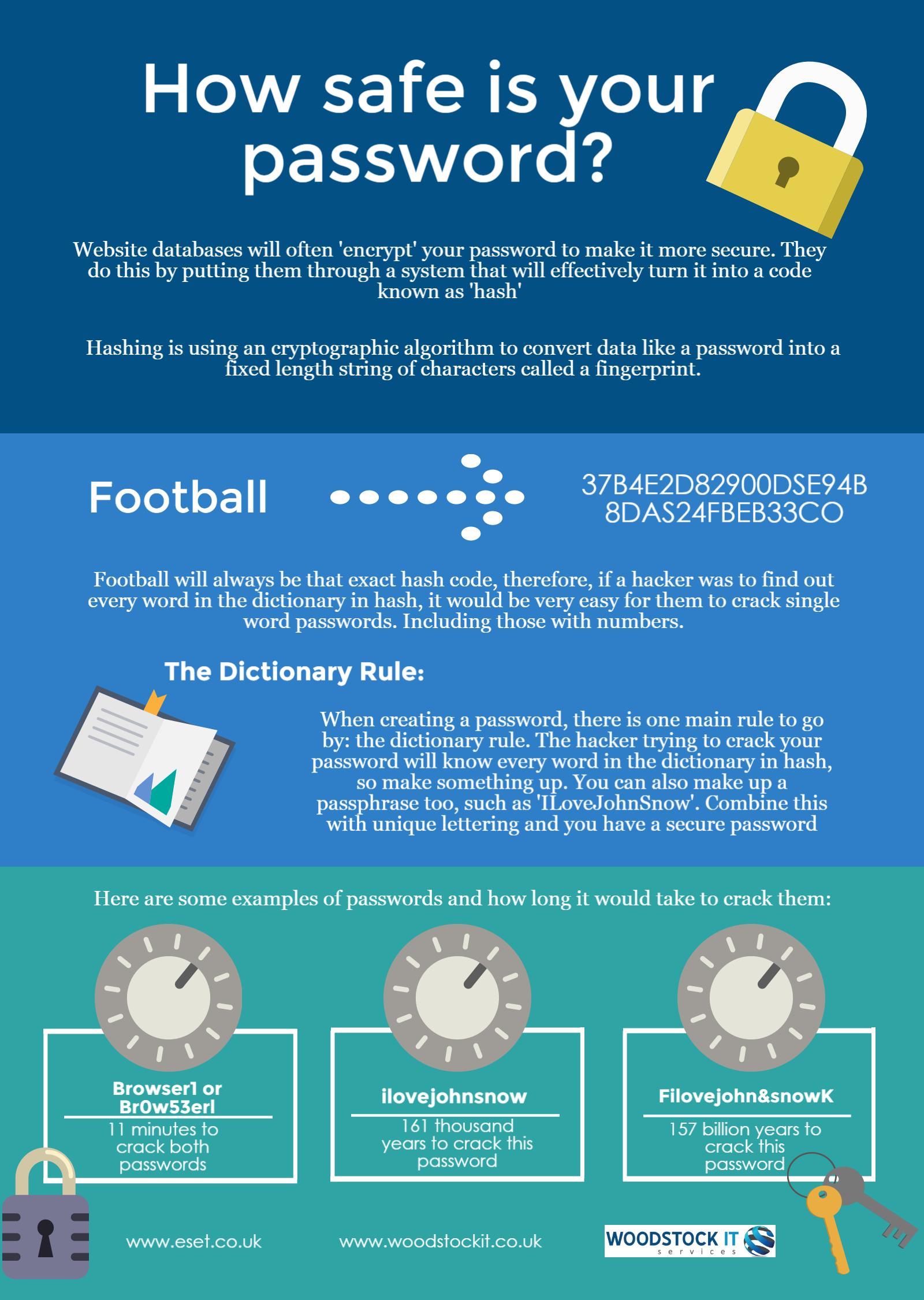
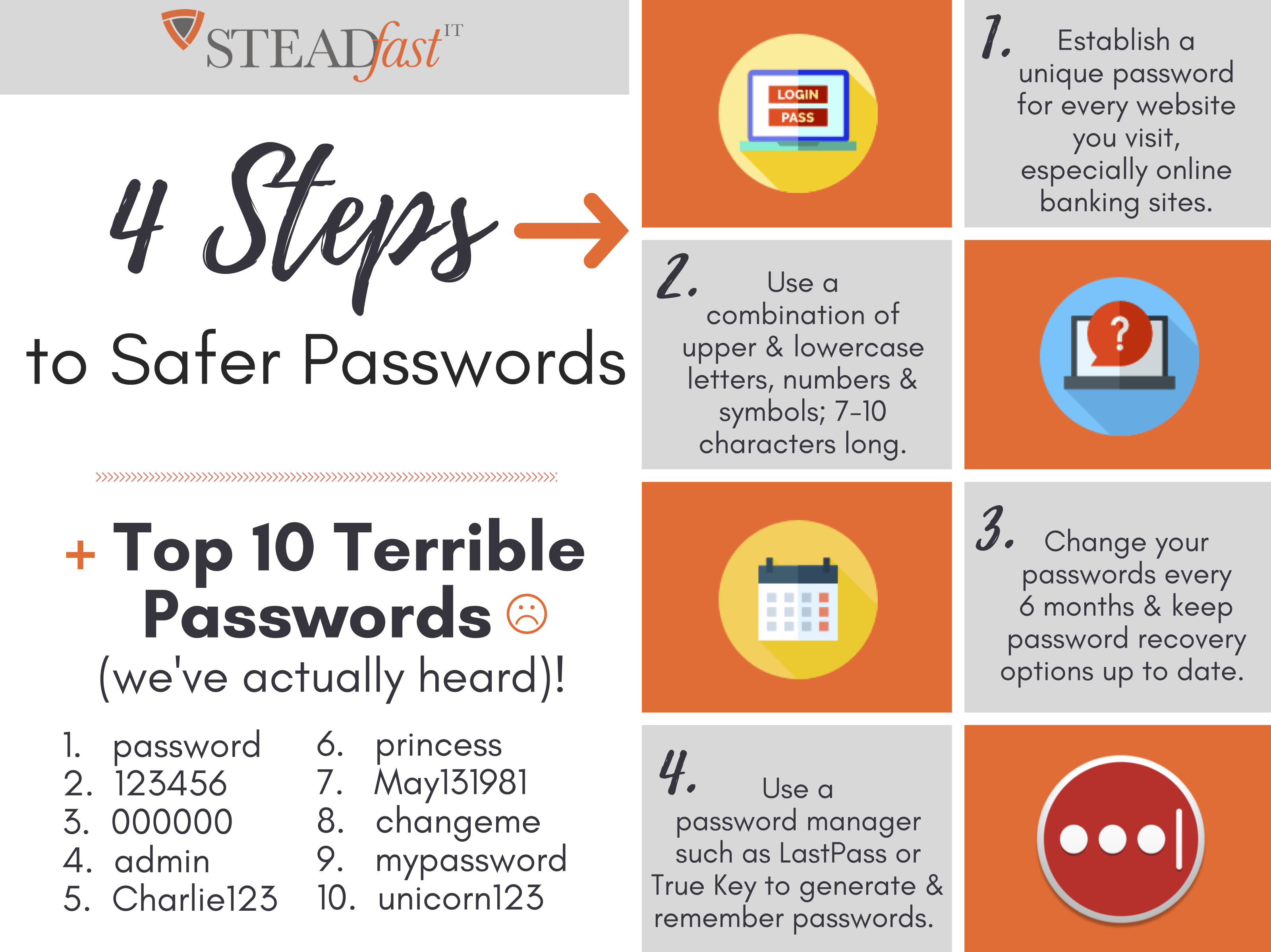
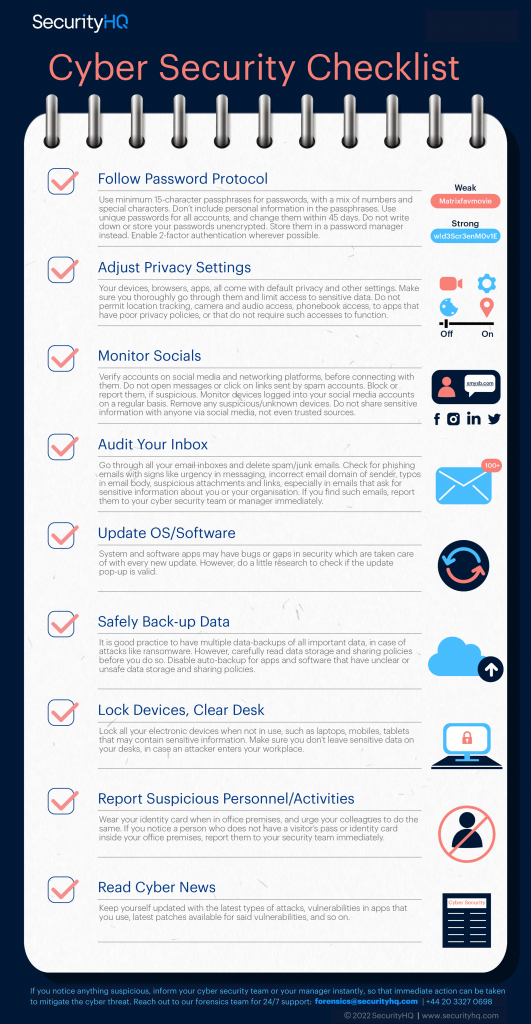
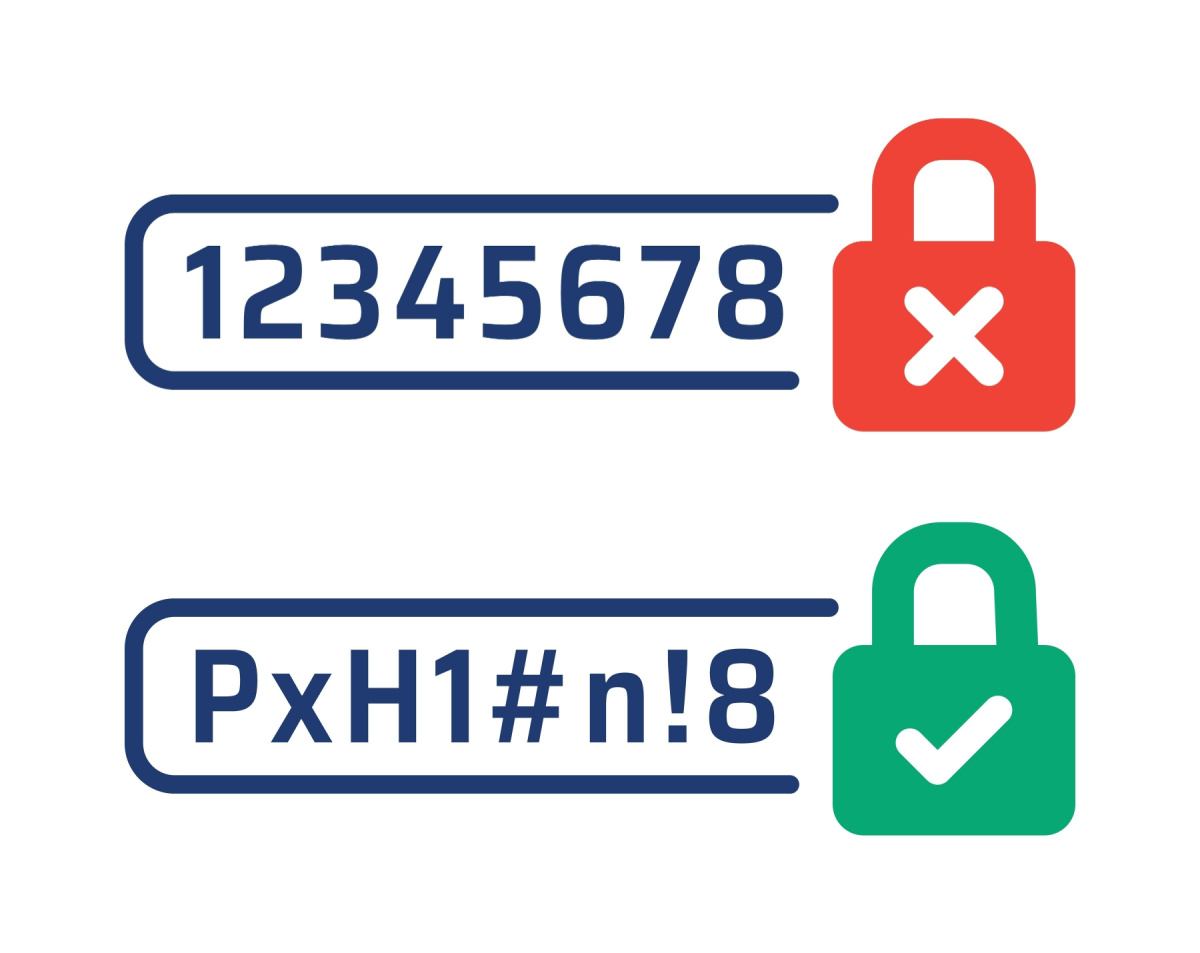
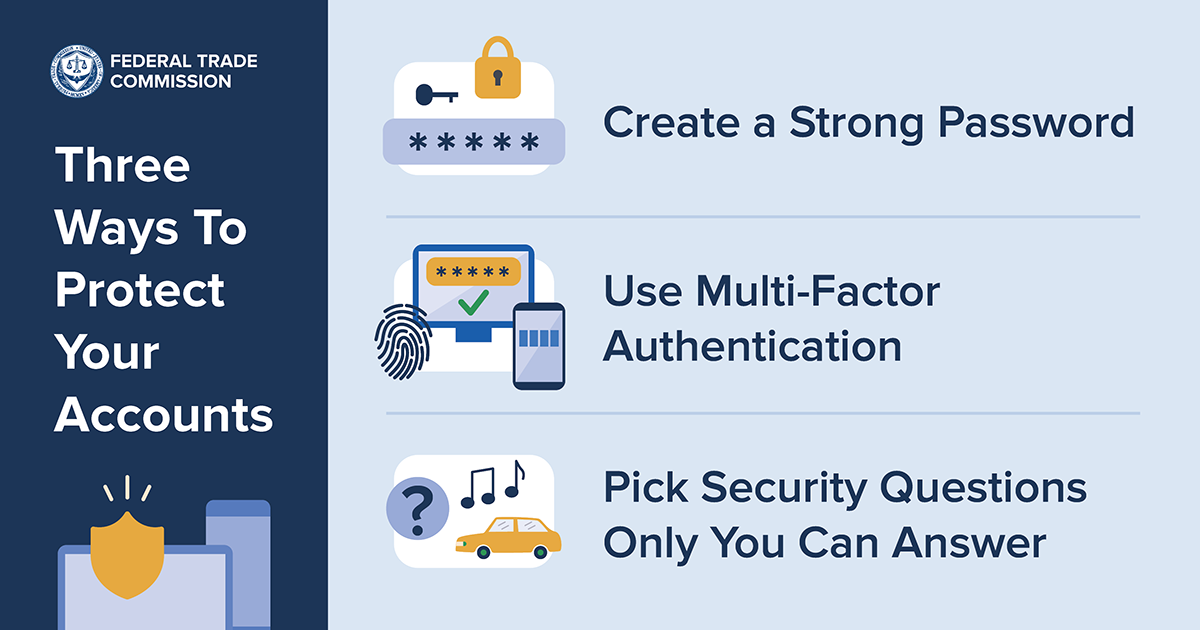
Setting up strong passwords is the first step in maintaining online password security. A strong password should be:
- Long: At least 12 characters long.
- Complex: Include a mix of uppercase and lowercase letters, numbers, and special characters.
- Unique: Use a different password for each online account.
- Unpredictable: Avoid using common patterns or words that can be easily guessed.
Password Managers: The Best Way to Manage Your Passwords
Password managers are software programs that generate, store, and fill in your passwords for you. They are the best way to manage your passwords, as they can:
- Generate strong passwords: Password managers can generate complex and unique passwords for each online account.
- Store passwords securely: Password managers store your passwords securely, using encryption and other security measures.
- Fill in passwords: Password managers can fill in your passwords for you, making it easier to log in to your online accounts.
- Alert you to password breaches: Password managers can alert you to potential data breaches and password leaks.
Passkeys: The Future of Password Security
Passkeys are a new type of authentication method that uses public key cryptography to authenticate users. They are more secure than traditional passwords and offer several benefits, including:
- Improved security: Passkeys are more secure than traditional passwords, as they use public key cryptography.
- Convenience: Passkeys can be used on multiple devices, making it easier to log in to your online accounts.
- Reduced password fatigue: Passkeys can reduce password fatigue, as you don't need to remember multiple passwords.
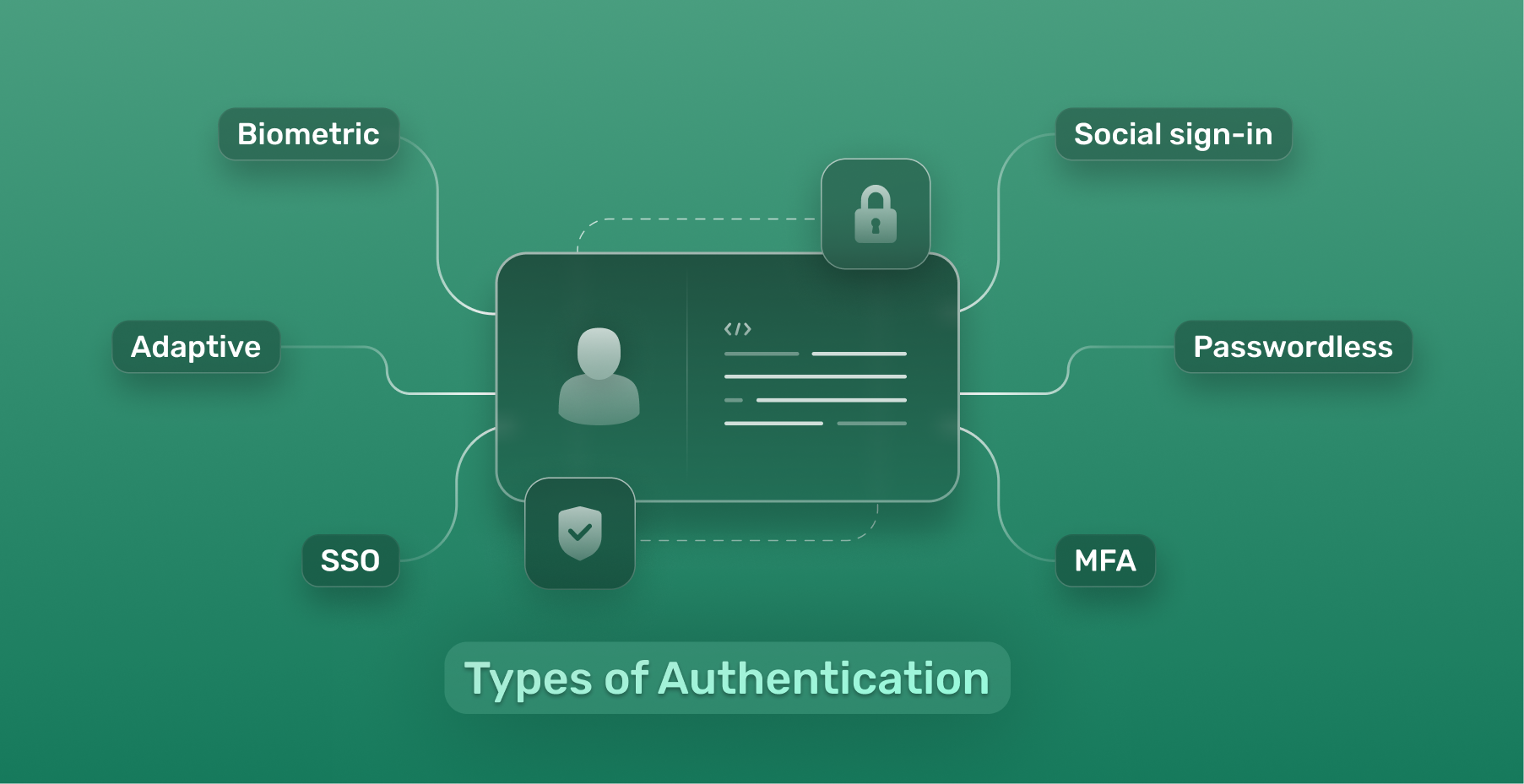
Multifactor Authentication (MFA): An Additional Layer of Security
MFA is an additional layer of security that requires you to provide two or more forms of verification to access your online accounts. This can include:
- Password: You enter your password to access your online account.
- Biometric data: You use biometric data, such as a fingerprint or facial recognition, to authenticate.
- Passkey: You use a passkey to authenticate.
- One-time code: You receive a one-time code sent to your phone or email to authenticate.
Conclusion
Maintaining online password security is crucial in today's digital age. By setting up strong passwords, using password managers, passkeys, and MFA, you can protect your online identity and prevent identity theft, financial losses, and other serious consequences. Remember, a single weak password can compromise all your online accounts, so take the necessary steps to secure your online password security today.