Effects of Information Overload: Understanding the Digital Age's Silent Killer
Are you drowning in a sea of information? Do you feel like your mind is numbed by the constant influx of data, and your productivity and focus are suffering as a result? You're not alone. The phenomenon of information overload is a growing concern in the digital age, affecting millions of people worldwide. In this article, we'll delve into the effects of information overload, its underlying causes, and provide valuable strategies for managing it.
What is Information Overload?
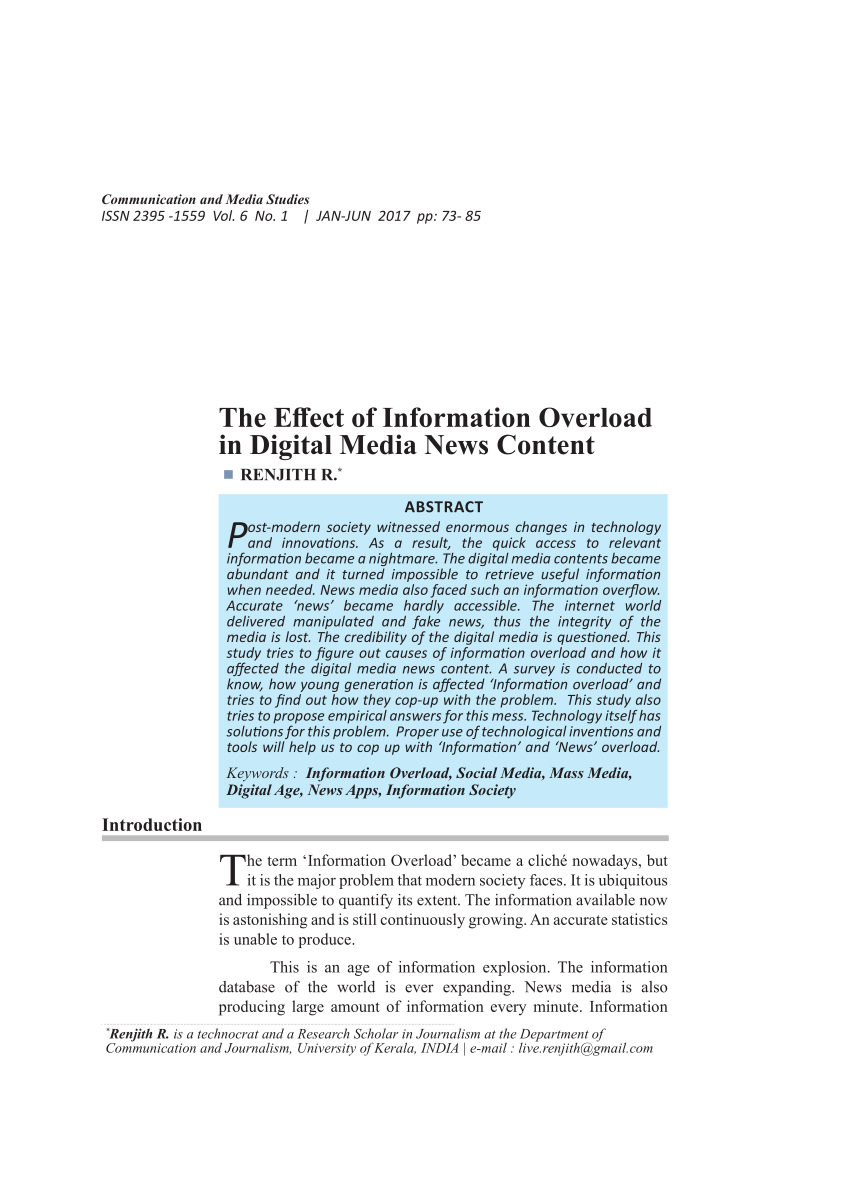
Information overload, also known as infobesity or infoxication, refers to the state in which an individual is exposed to more information than they can effectively process, manage, or use. This condition is characterized by the overwhelming amount of available data, making it difficult to make decisions, think critically, and maintain a clear mind.
The Effects of Information Overload
Information overload has far-reaching consequences that can impact every aspect of our lives. Some of the common effects include:
Physical Effects
- Headaches and eye strain from prolonged screen time
- Fatigue and decreased energy levels due to mental exhaustion
- Back and neck pain from poor posture while working or gaming
Emotional and Psychological Effects
- Increased stress and anxiety levels
- Mood swings and irritability due to frustration and overwhelm
- Depression and decreased self-esteem
Social Effects
- Social isolation and disconnection from friends and family
- Strained relationships due to distractions and lack of attention
- Decreased productivity and work performance
Causes of Information Overload

Information overload is a complex issue with multiple factors contributing to its occurrence. Some of the primary causes include:
- Excessive social media use and online browsing
- Constant notifications and interruptions from emails, texts, and apps
- Inadequate time management and prioritization skills
- Exposure to misinformation and biased sources
Strategies for Managing Information Overload
Fortunately, there are many effective strategies for mitigating the effects of information overload:
- Set realistic goals and priorities for information consumption
- Use tools and apps to filter and block unwanted notifications
- Establish a regular self-care routine, including exercise and meditation
- Practice mindfulness and focus on a single task at a time
- Take breaks and engage in activities that promote relaxation and calmness
Conclusion
Information overload is a pervasive issue that requires attention and action. By understanding its effects and causes, we can develop effective strategies for managing it. Remember, you have the power to take control of your digital life and maintain a healthy balance between information consumption and personal well-being. Start taking steps today to mitigate the effects of information overload and reclaim your mental clarity and productivity.
References:
Simon, H. (1971). Designing organizations for an information-rich world. In Management Science, 18(5), 457-474.
Michailidis, Y., & Koutsoumanis, A. (2019). The impact of digital technologies on mental health. Journal of Mental Health, 28(3), 253-264.
Rotenberg, E. L., & Greenfield, P. M. (2016). The effects of screen time on cognitive and motor skills in young children. Child Development, 87(4), 1211-1220.