How to Avoid Email Phishing Scams: A Comprehensive Guide
Phishing scams are a significant threat to online safety, with scammers using increasingly sophisticated tactics to trick victims into revealing sensitive information. In this guide, we will delve into the world of email phishing scams, highlighting the signs, symptoms, and prevention methods to help you avoid falling prey to these tactics.
What is Email Phishing?
Phishing is a type of cyberattack where scammers use email or text messages to trick victims into revealing personal information, such as passwords, account numbers, or Social Security numbers. These details can be used to access your email, bank, or other accounts or sold to other scammers.
Types of Email Phishing Scams
- Bank Phishing: Scammers send emails claiming to be from your bank, requesting sensitive information or payment to resolve a supposedly urgent issue.
- Security Phishing: Scammers pose as IT departments or security companies, asking for login credentials or other sensitive information to resolve a security issue.
- Charity Phishing: Scammers target vulnerable individuals by pretending to be from reputable charities, asking for donations or sensitive information.
- Infecting Phishing: Scammers send emails containing malware, which, when opened, can compromise the victim's device or data.
Recognizing Email Phishing Scams
Warning Signs:
Be cautious of emails with:
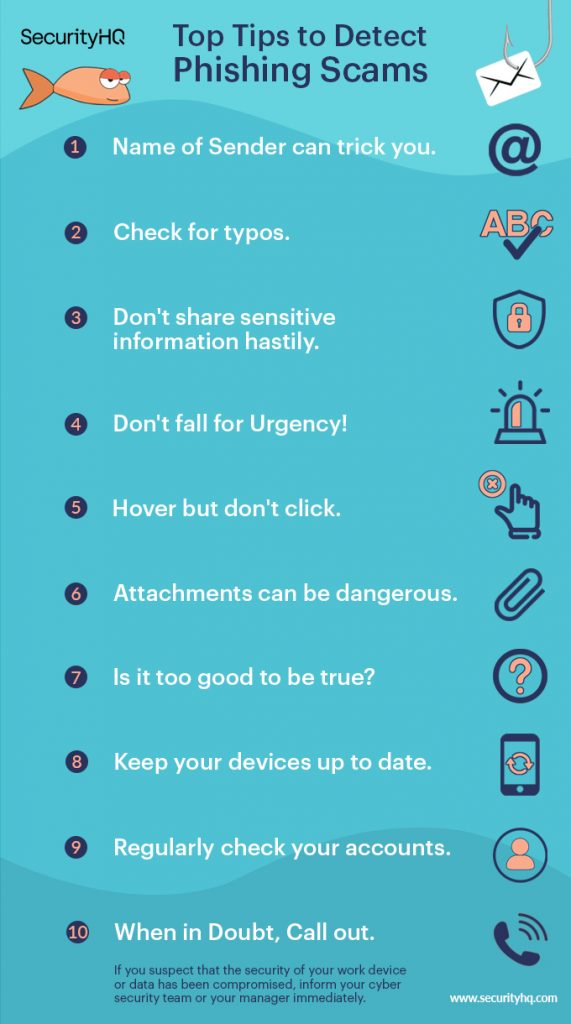
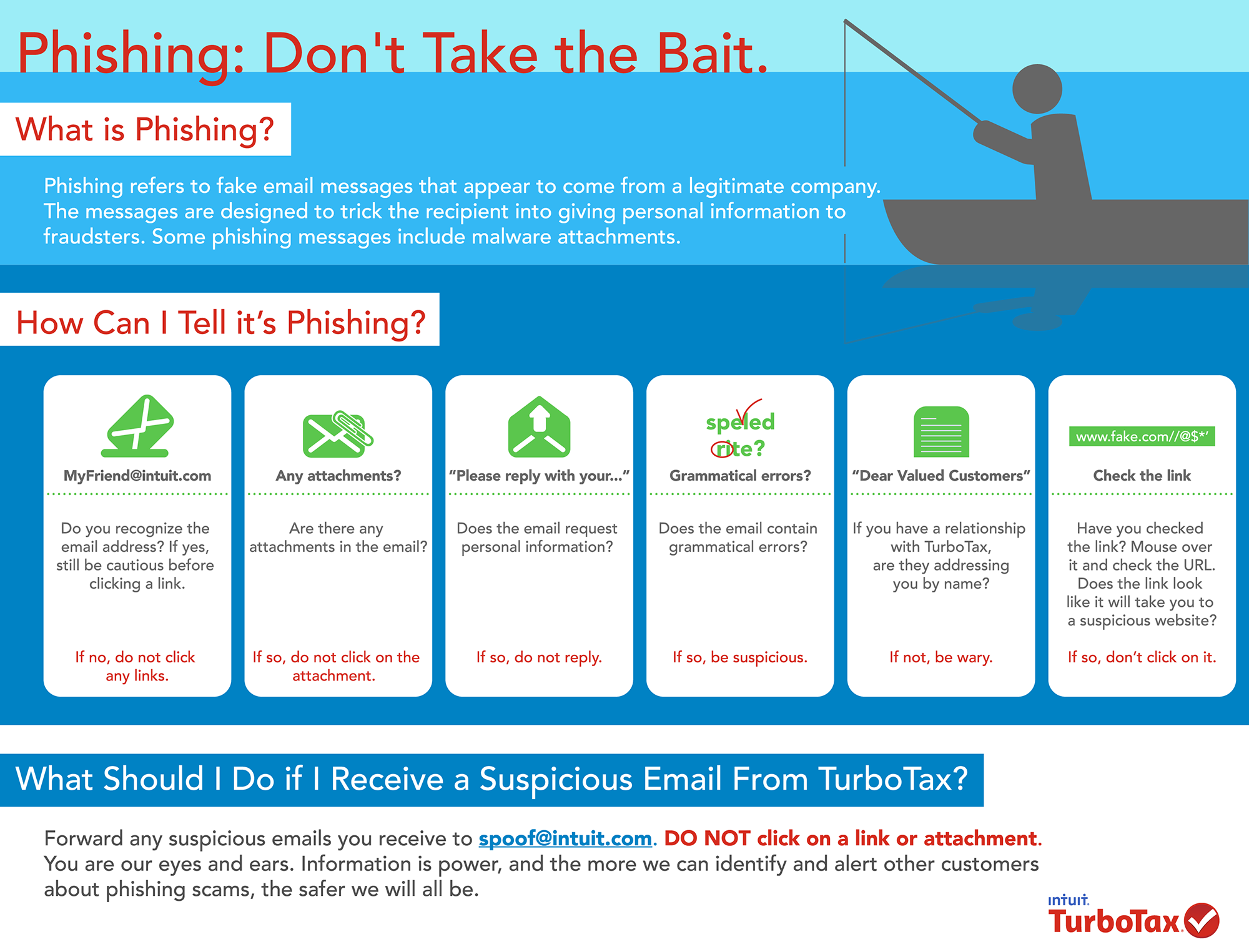
- Urgent messages: Scammers often try to create a sense of urgency, claiming that failure to act will result in severe consequences.
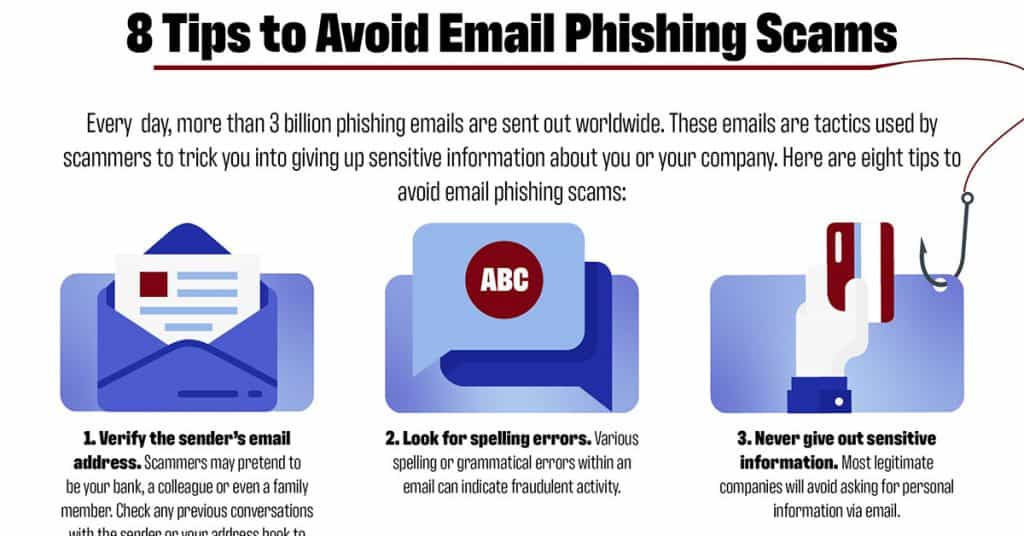
- Misspelled words or grammar errors: Legitimate companies rarely make mistakes in emails.
- Spelling typos or red flags: Sensitive information is often exposed in the subject line or body of the email.
Common Tactics:
Scammers use various tactics to make their emails appear legitimate:
- Similar logos and branding: Scammers often use near-duplicate logos or branding to deceive victims.
- Fake sense of familiarity: Scammers claim to know the victim or reference recent events to make the email seem real.
- Missing or added information: The slightest changes can make you question the authenticity of the email.
How to Avoid Email Phishing Scams
Prevention Methods:
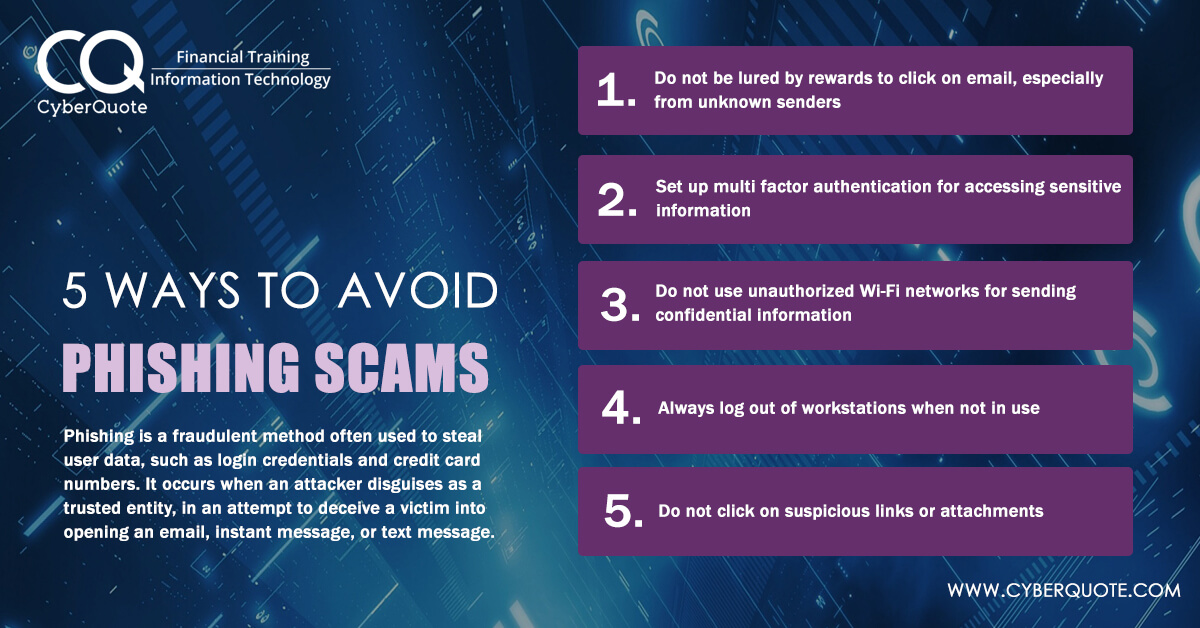
Protect yourself by:
- Verifying sender authenticity: Ensure the email is from a known and trusted sender.
- Being cautious of urgent messages: Take your time to evaluate the email's legitimacy.
- Checking for grammar and spelling mistakes: Legitimate companies rarely make errors in emails.
- Not providing sensitive information: Never share personal or financial information via email or text.
Scams in Progress:
Some current scams to watch out for include:
- Washington State Department of Motor Vehicles scam: A fake email claiming you have a traffic ticket and must pay to avoid penalties.
- PayPal scam: Fake invoices and emails from PayPal, asking for sensitive information.
- Dropbox scam: Emails and text messages asking for sensitive information to access Dropbox accounts.
Conclusion
With millions of phishing attacks happening daily, it is crucial to be aware of these tactics and take necessary precautions. By following our guide, you will better understand how to recognize, report, and prevent email phishing scams, protecting yourself from becoming a victim.