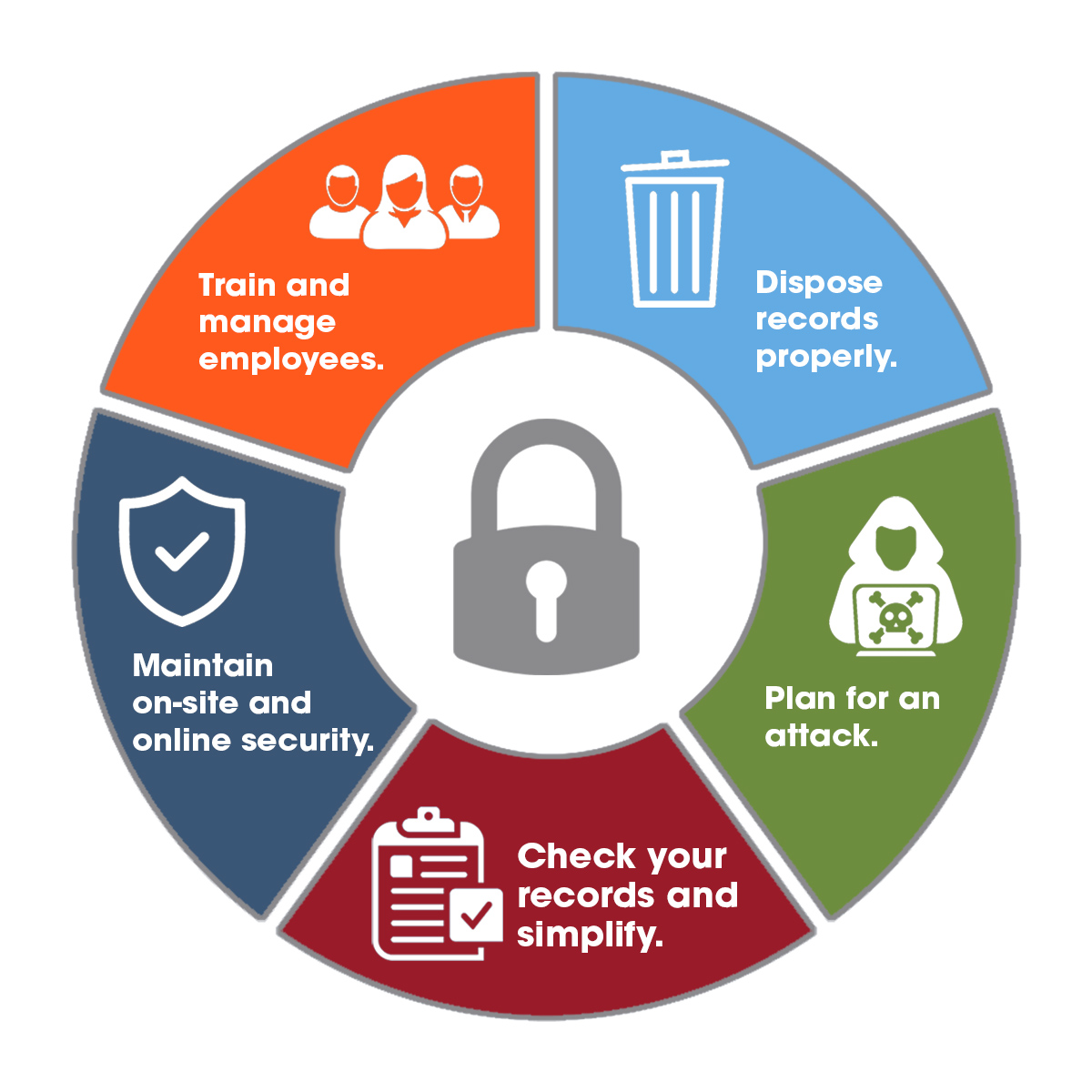
Online Identity Protection Tips: Safeguarding Your Personal Data in the Digital Age
In today's digital landscape, protecting your online identity has become a top priority. Identity theft can lead to a range of consequences, from financial losses to compromised personal information and even harm to your credit score. To stay ahead of cyber threats and safeguard your identity, we've put together a comprehensive guide with actionable online identity protection tips that will help you shield your personal data from potential risks.
The Consequences of Identity Theft
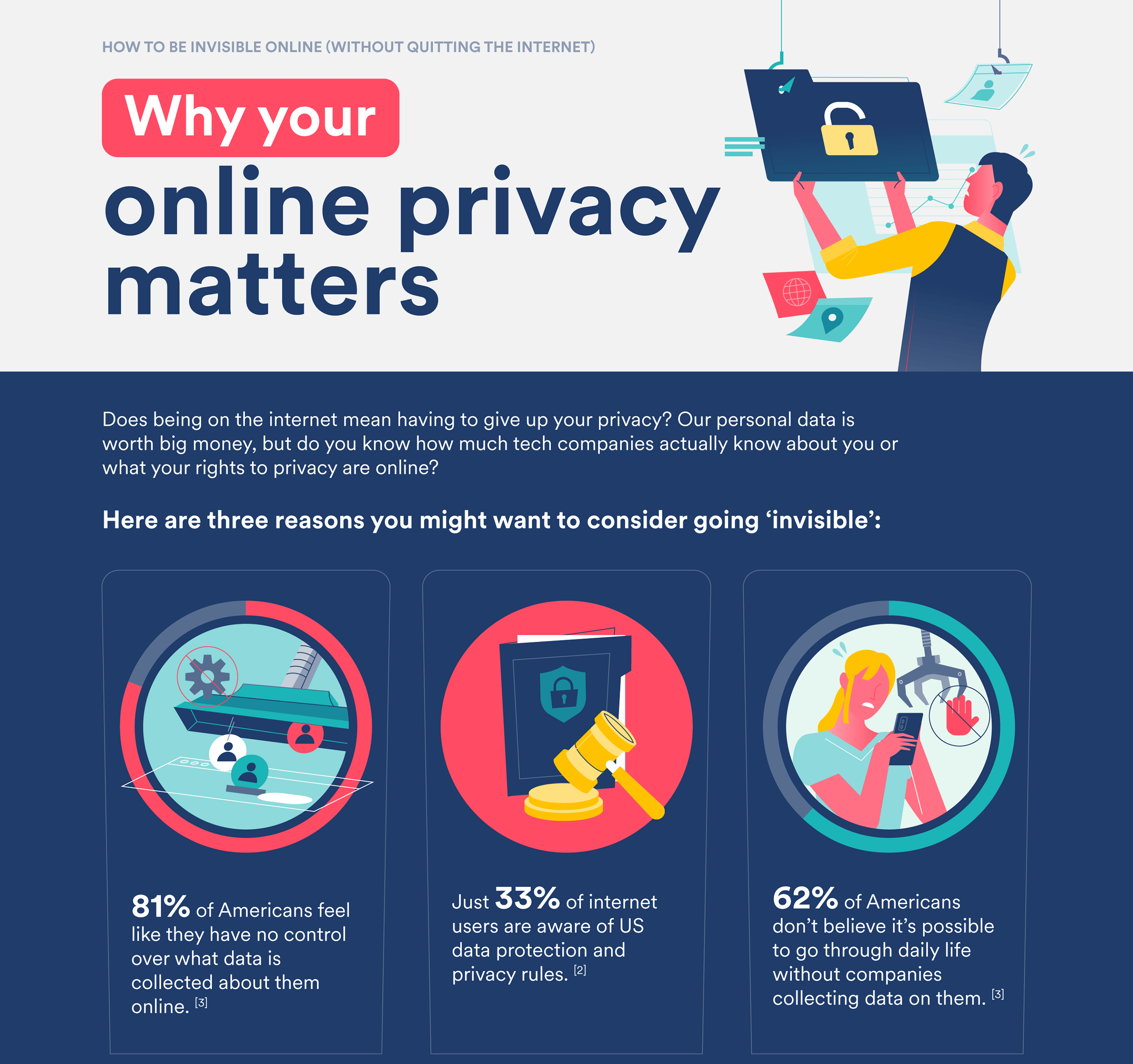
Identity theft can be a devastating experience, leaving you vulnerable to financial losses, compromised credit, and even damage to your online reputation. According to recent statistics, online identity theft has become a growing concern, with thousands of people falling victim to cyber attacks each year. It's essential to understand the importance of online identity protection and take proactive measures to safeguard your personal information.
Online Identity Protection Tips
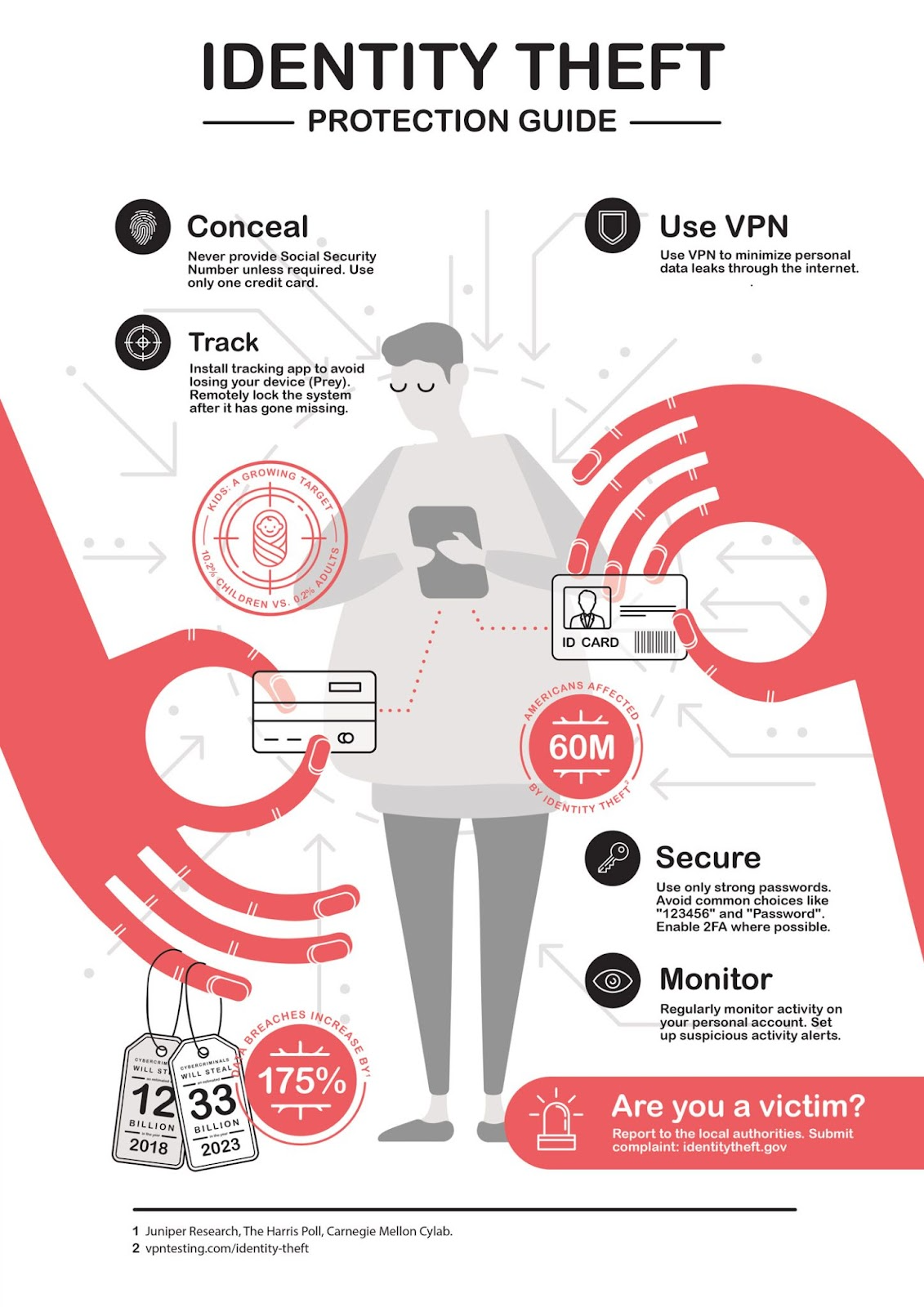
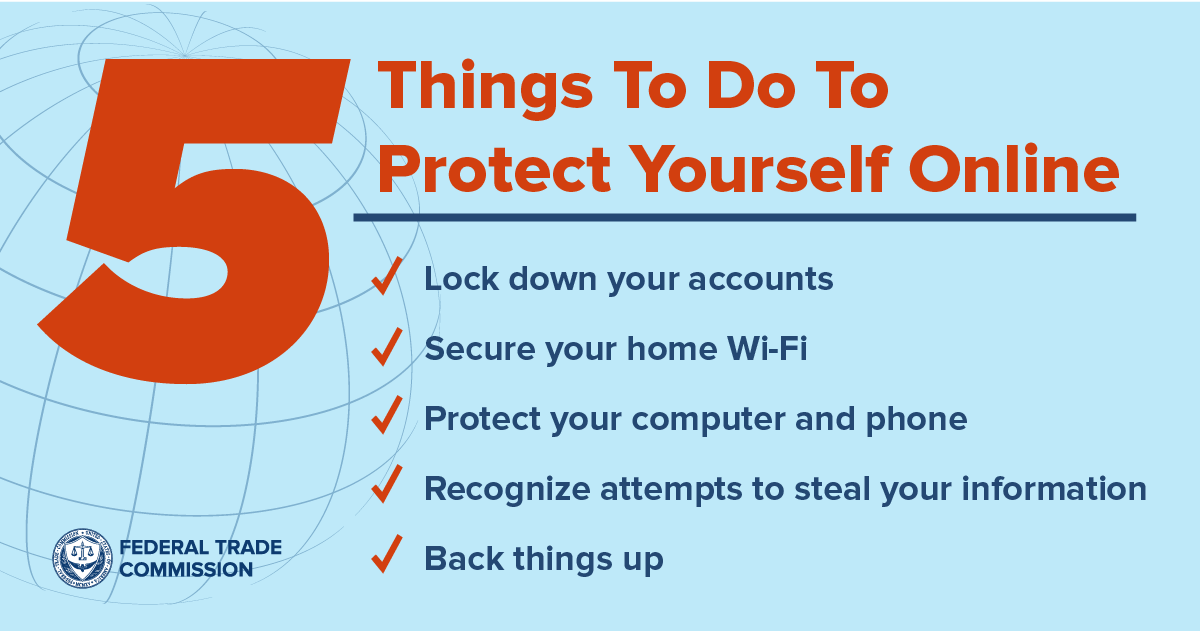
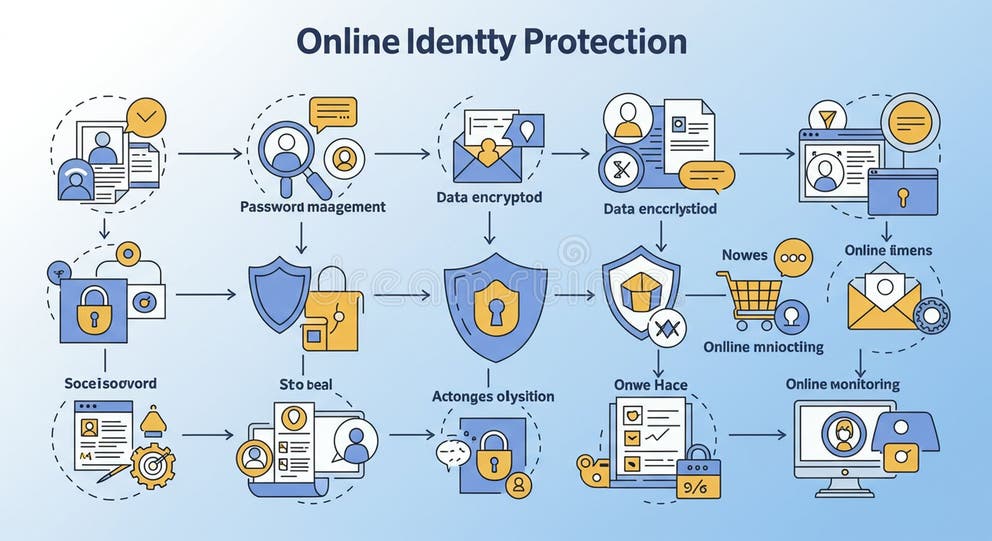
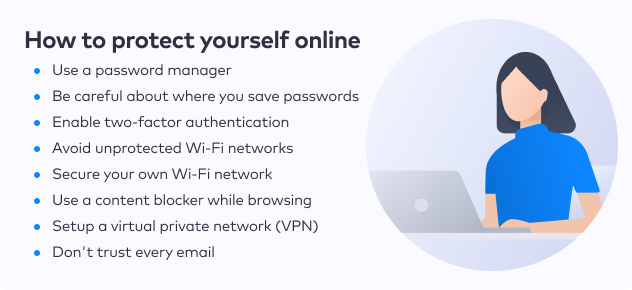
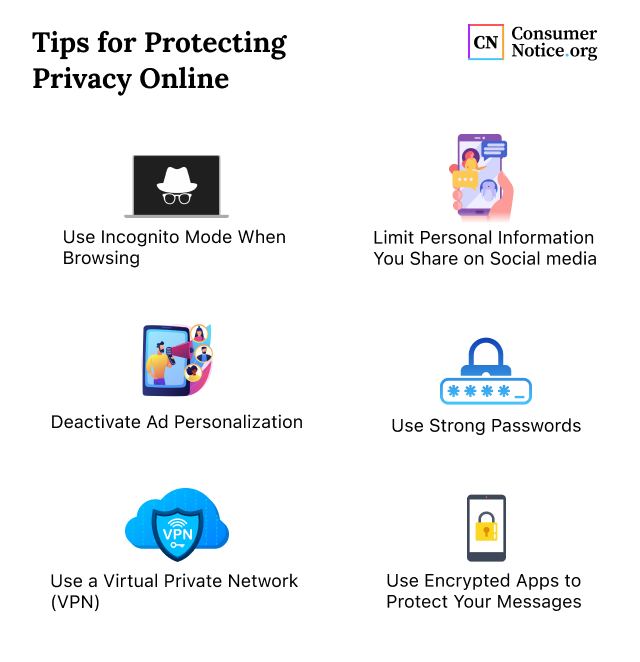
Implementing robust online identity protection measures can significantly reduce the risk of identity theft. Here are some essential online identity protection tips to keep your personal data secure:
- 1. Monitor Your Credit Reports: Regularly check your credit reports to detect any suspicious activity or inaccuracies. You can request a free credit report from each of the three major credit bureaus (Experian, TransUnion, and Equifax) once a year.
- 2. Use Strong Passwords and Password Managers: Use complex and unique passwords for all your online accounts, and consider using a password manager to securely store and generate passwords.
- 3. Enable Two-Factor Authentication (2FA): Activate 2FA on your online accounts to add an extra layer of security and prevent unauthorized access.
- 4. Be Cautious with Public Wi-Fi: Avoid using public Wi-Fi for sensitive transactions or accessing personal information, as hackers can intercept your data on public networks.
- 5. Keep Your Software Up-to-Date: Regularly update your operating system, browser, and apps to ensure you have the latest security patches and features.
- 6. Be Wary of Phishing Scams: Be cautious of unsolicited emails, texts, or messages that request personal information or try to trick you into revealing sensitive data.
- 7. Shred Sensitive Documents: Physical documents containing personal information, such as bank statements or identification documents, should be shredded or securely stored to prevent unauthorized access.
- 8. Use a VPN: Consider using a virtual private network (VPN) to encrypt your internet traffic and protect your data when using public Wi-Fi or accessing sensitive information online.
- 9. Back Up Your Data: Regularly back up your sensitive data to a secure location, such as an external hard drive or cloud storage service, to ensure you have a copy in case of a data breach.
- 10. Be Cautious of Social Media: Be mindful of your social media presence and avoid sharing sensitive information or using public forums to discuss personal matters.
Additional Resources for Identity Protection
For more information on online identity protection, we recommend checking out the following resources:
- IdentityTheft.gov: A government-backed website providing guidance and resources for identity theft victims.
- FTC.gov: The official website of the Federal Trade Commission, which offers tips and resources for online identity protection and consumer protection laws.
- CISA.gov: A website provided by the Cybersecurity and Infrastructure Security Agency, offering cybersecurity best practices and resources for individuals and organizations.
- Webroot.com: A website offering comprehensive security solutions and resources for online identity protection and cybersecurity.
Conclusion
Online identity protection is a collective responsibility that requires proactive measures to safeguard your personal data. By implementing these online identity protection tips and staying informed, you can significantly reduce the risk of identity theft and ensure a secure online experience. Remember to regularly review and update your security measures to stay ahead of emerging threats and ensure your digital identity remains secure.