The Ultimate Guide to Wi-Fi Network Type: Choosing the Right One for Your Needs
Are you aware that there are different types of Wi-Fi networks tailored to meet various needs and requirements? From home use to large-scale business networks, understanding the different types of Wi-Fi networks is crucial to selecting the right one for your specific needs. This comprehensive guide will walk you through the various types of Wi-Fi networks, their features, speed, and compatibility, enabling you to make an informed decision when it comes to your Wi-Fi setup.
Wi-Fi Network Standards: A Brief Overview
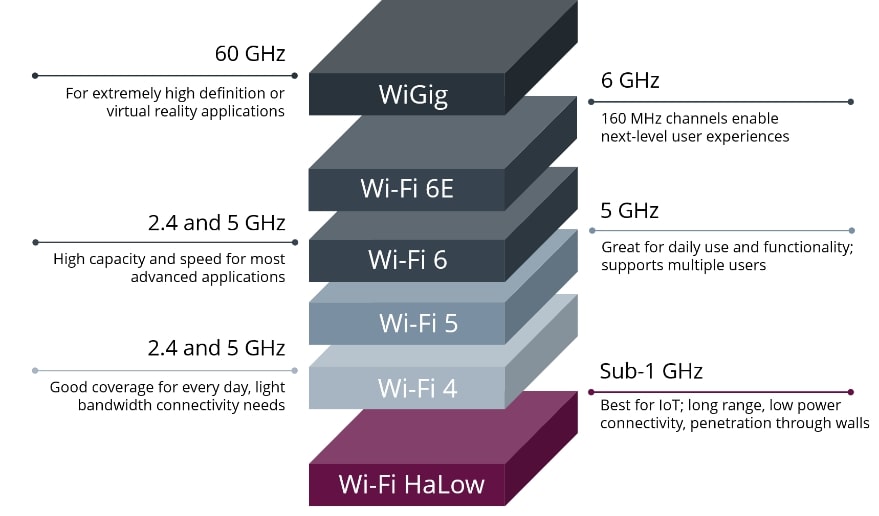
The Wi-Fi network standards are identified by the 802.11 code, and they have undergone several revisions over the years. Some of the most common Wi-Fi network standards include 802.11ac, 802.11n, 802.11g, and 802.11b. Each standard offers unique features, speeds, and compatibility, making them suitable for specific use cases.
- 802.11ac: Also known as Wi-Fi 5, this standard offers speeds of up to 1.9 Gbps and is widely used for home and office networks.
- 802.11n: Also known as Wi-Fi 4, this standard offers speeds of up to 600 Mbps and is commonly used for older devices.
- 802.11g: This standard offers speeds of up to 54 Mbps and is typically used for legacy devices.
- 802.11b: This standard offers speeds of up to 11 Mbps and is considered an older standard.
Wi-Fi Network Types: An Overview
Wi-Fi networks come in various types, each designed to meet specific needs and requirements. Some of the most common types of Wi-Fi networks include:
- Wi-Fi 6 (802.11ax): This is the latest Wi-Fi network standard, offering speeds of up to 9.6 Gbps and is designed for high-density networks.
- Wi-Fi 5 (802.11ac): This standard offers speeds of up to 1.9 Gbps and is widely used for home and office networks.
- Wi-Fi 4 (802.11n): This standard offers speeds of up to 600 Mbps and is commonly used for older devices.
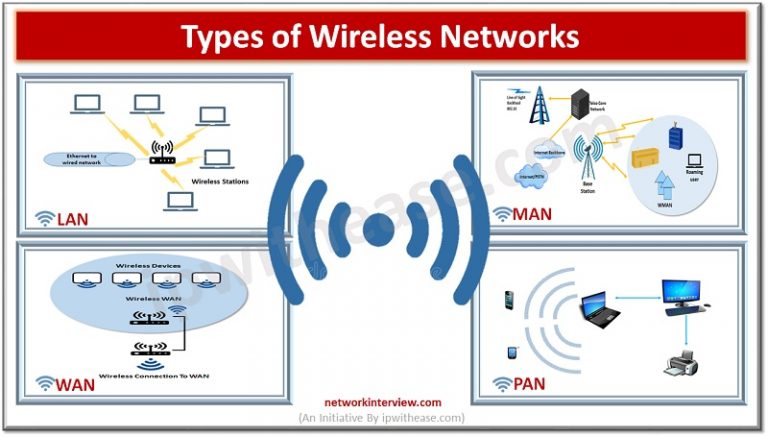
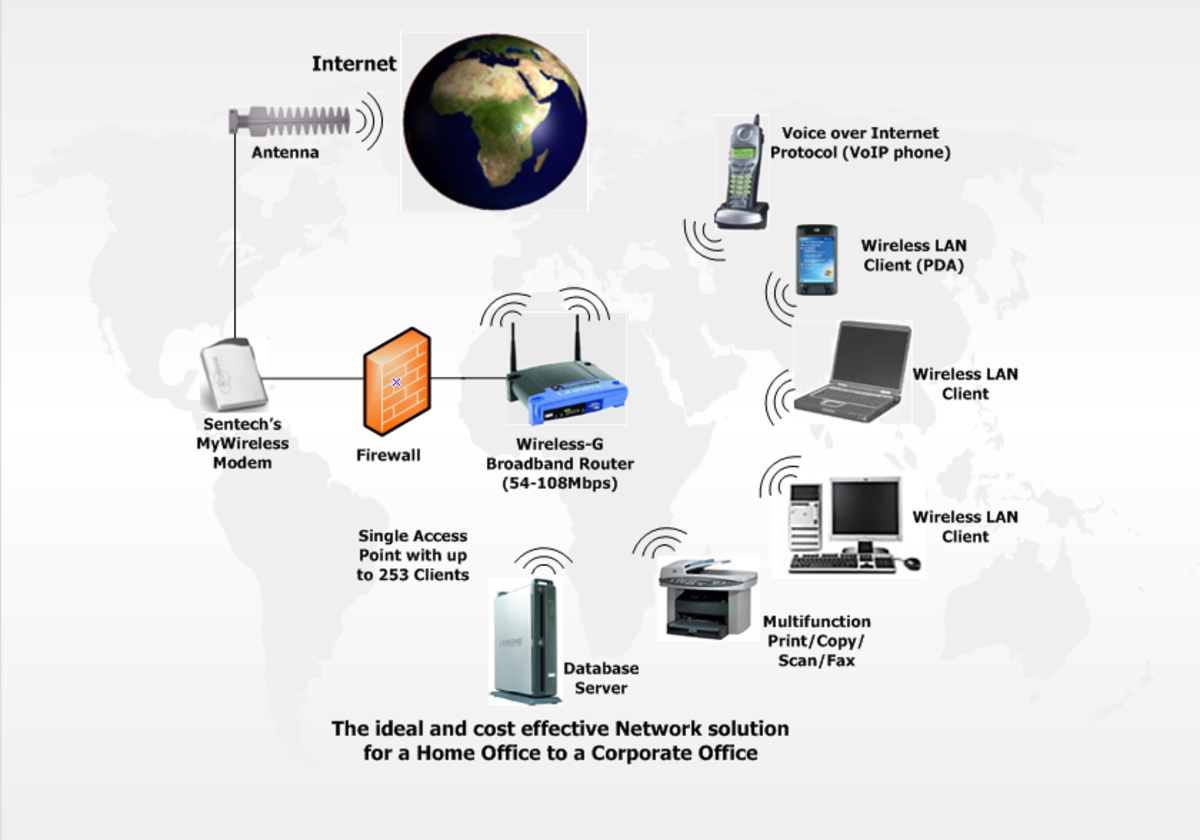
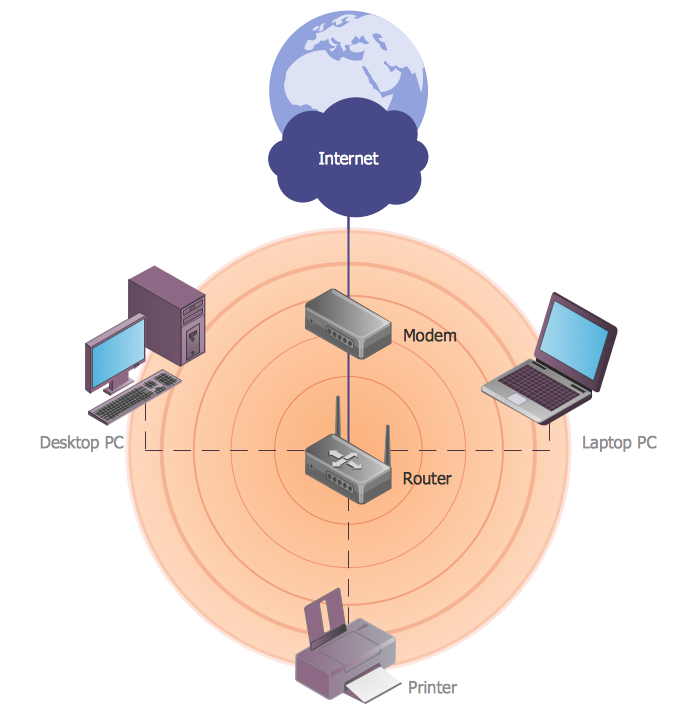
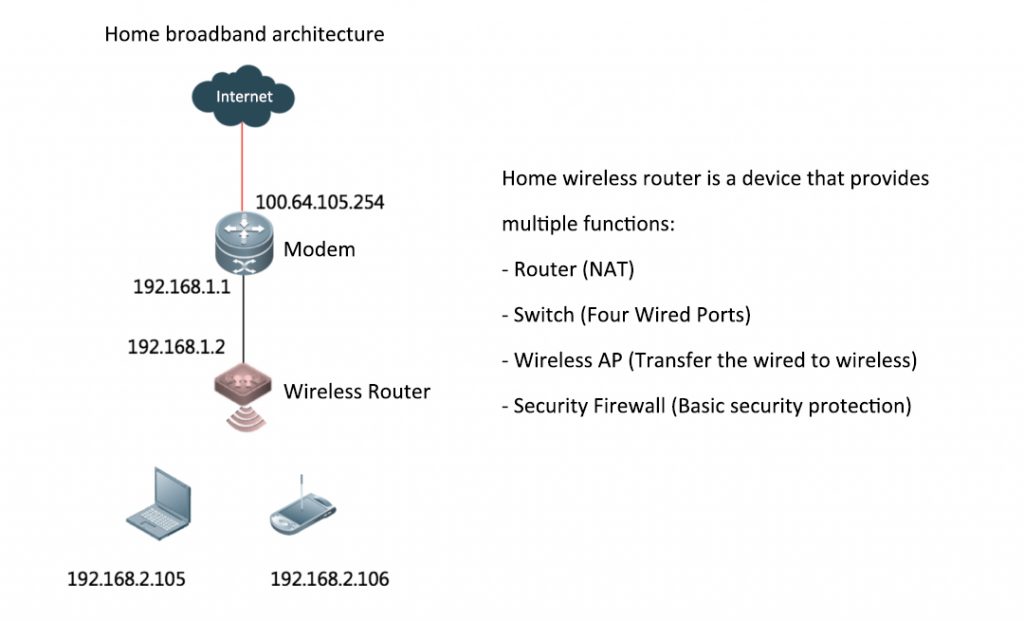
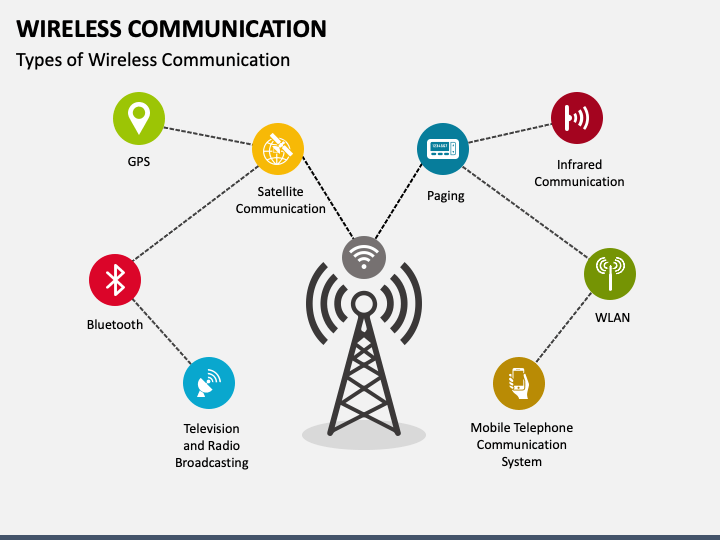
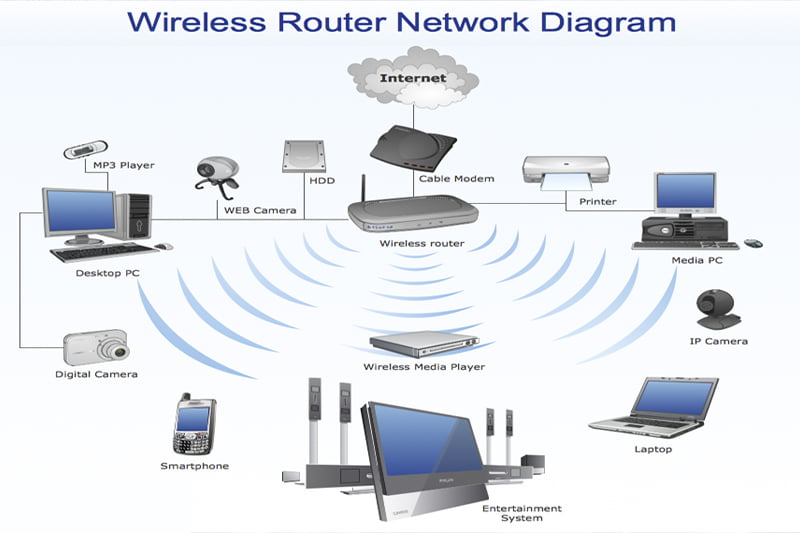
- Wireless LANs (WLANs): These networks are designed for local area connectivity and are typically used for home and office networks.
- Wireless MANs (WMANs): These networks are designed for metropolitan area connectivity and are typically used for city-wide networks.
- Wireless PANs (WPANs): These networks are designed for personal area connectivity and are typically used for device-to-device connectivity.
- Wireless WANs (WWANs): These networks are designed for wide area connectivity and are typically used for large-scale business networks.

How to Choose the Right Wi-Fi Network Type
Choosing the right Wi-Fi network type depends on your specific needs and requirements. Consider the following factors:
- Speed and Performance: Select a Wi-Fi network standard that offers the required speed and performance for your devices.
- Device Compatibility: Ensure that the selected Wi-Fi network standard is compatible with your devices.
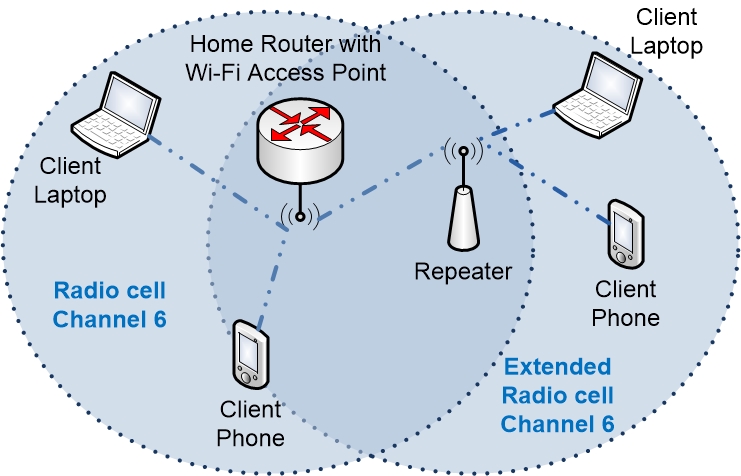
- Range and Coverage: Select a Wi-Fi network type that offers the required range and coverage for your home or office.
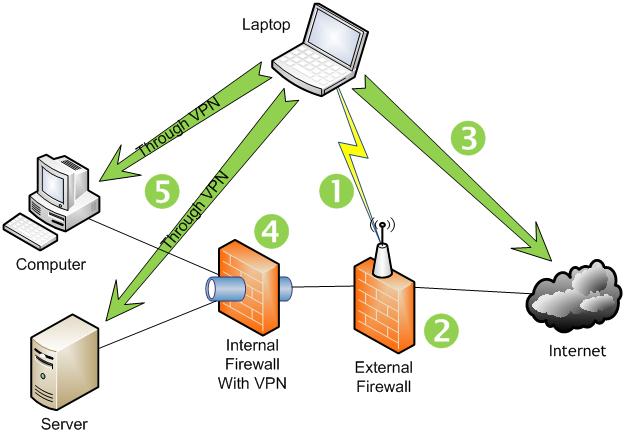
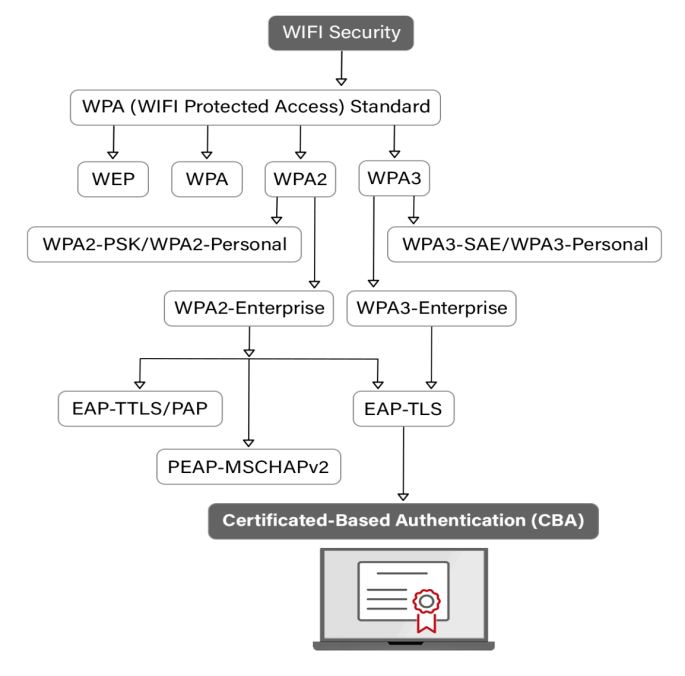
- Security: Choose a Wi-Fi network type that offers robust security features to protect your data and devices.
Conclusion
With the numerous types of Wi-Fi networks available, selecting the right one can be a daunting task. By understanding the different Wi-Fi network standards, types, and features, you can make an informed decision that meets your specific needs and requirements. Remember to consider factors such as speed, device compatibility, range, and security when choosing the right Wi-Fi network type for your home or office.
Final Thoughts
Wi-Fi networks have evolved significantly over the years, offering a range of standards, types, and features to meet specific needs and requirements. By staying informed about the latest Wi-Fi network technologies and trends, you can ensure that your network remains secure, fast, and reliable. Don't settle for a Wi-Fi network that doesn't meet your needs – choose the right one today!