How to Learn Python Testing: A Comprehensive Guide
Python is one of the most popular programming languages, widely used in software testing due to its rich libraries and powerful testing frameworks. From writing simple unit tests to automating complex web applications, Python offers everything needed for effective and reliable testing.
Overview of Python Testing
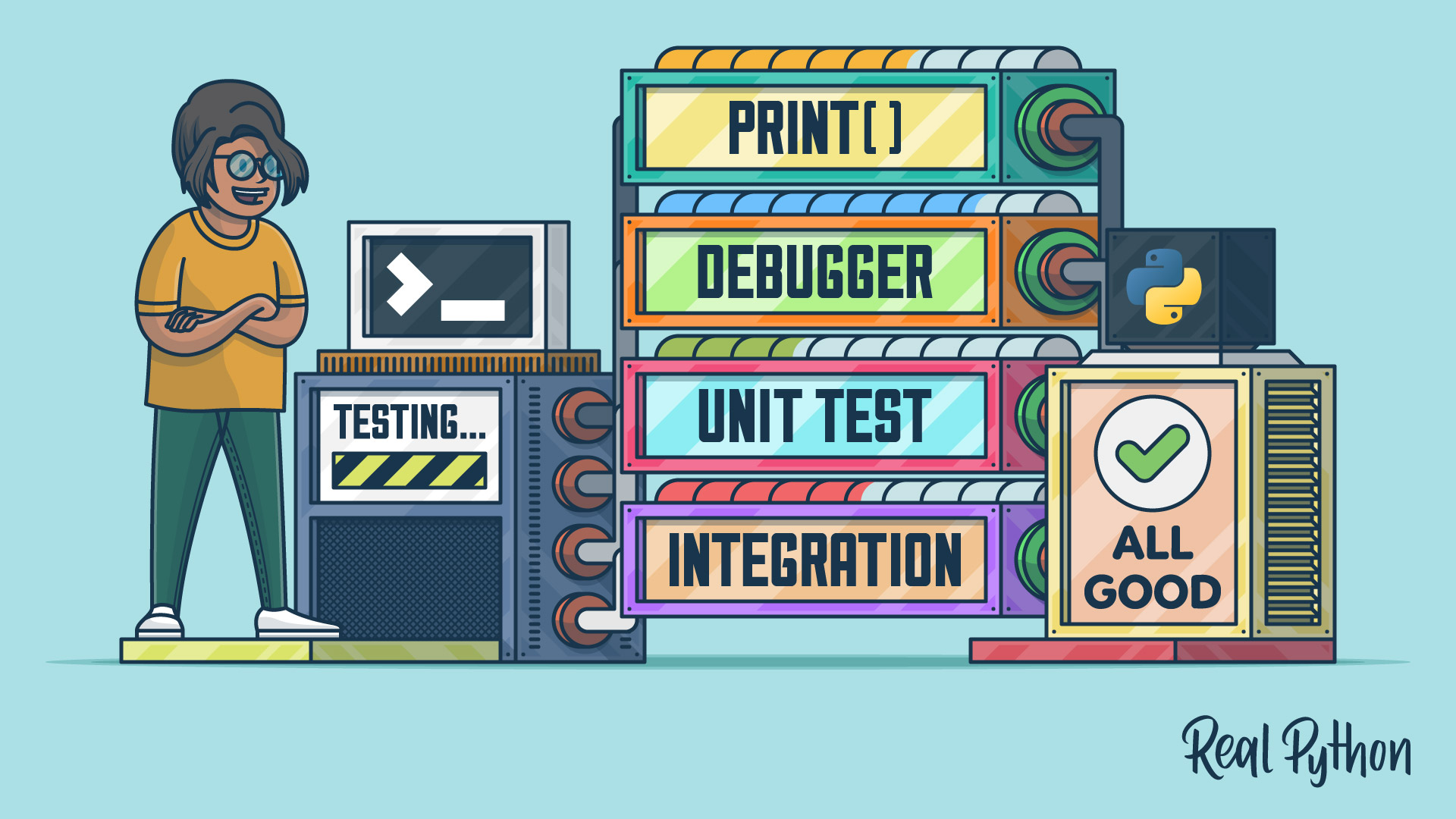
Python testing is a crucial step in the software development process, ensuring that the code is correct, reliable, and maintainable. Understanding the fundamentals of software testing is essential for any aspiring software tester or developer.
- Why tests are important in software development
- The different types of tests (unit, integration, E2E)
- The testing pyramid and how it applies to Python testing
- The FIRST principles for quality tests
Getting Started with Python Testing
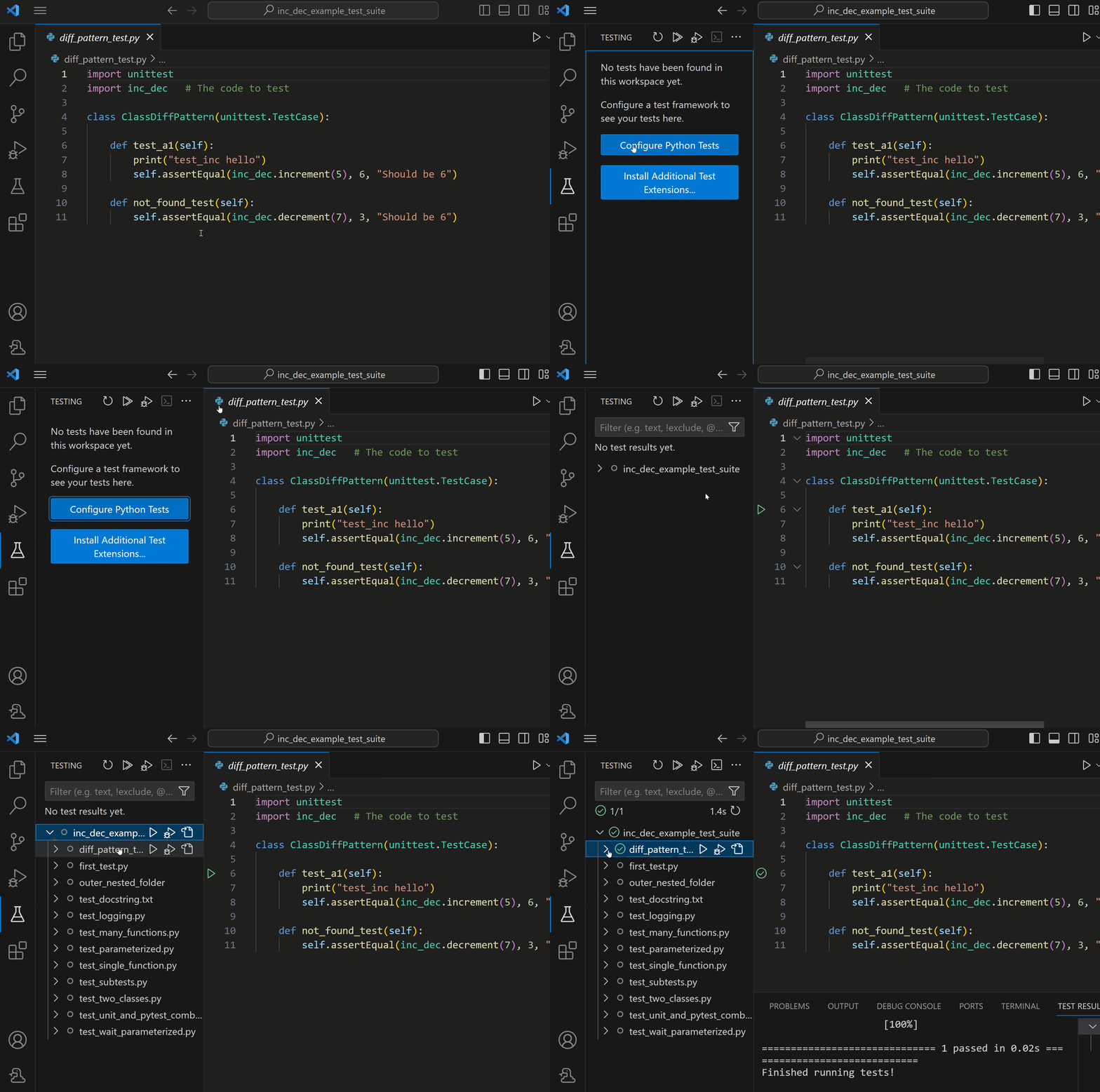
Getting started with testing in Python can be overwhelming. Python's standard library offers some utilities and helpers to write tests, but it has some drawbacks that might make it difficult. Pytest is one of the most popular testing tools and frameworks for Python.
Pytest can help with highly complex testing scenarios, but it doesn't force its capabilities when creating tests. You can write simple tests using Pytest, making it an excellent choice for beginners.
Writing Unit Tests with Python
The very simple answer is: write tests! Python testing basics involve creating unit tests to check if the program or a data pipeline works as expected before it goes to production.
- Learn the basics of creating tests in Python
- Meet four types of software testing methods
- Create your own tests to check if the program or a data pipeline works as expected

Testing Frameworks and Libraries
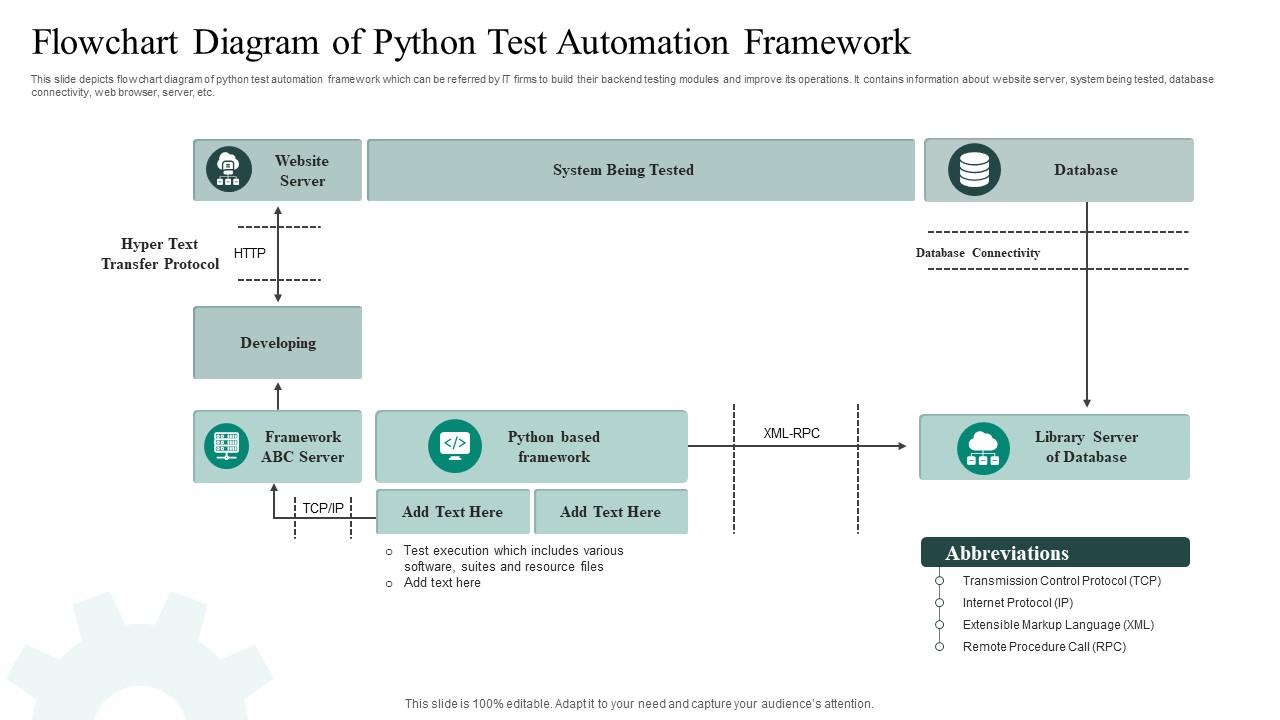
Python offers several testing frameworks and libraries, including Unittest, Pytest, and Behave. Each has its strengths and weaknesses, and choosing the right one depends on your specific testing needs.
- Unittest: A built-in testing framework for Python
- Pytest: A popular testing framework for Python
- Behave: A BDD (Behavior-Driven Development) testing framework for Python
Real-World Examples and Best Practices
To become proficient in Python testing, practice is essential. Real-world examples and best practices can help you understand how to apply testing concepts to real-world scenarios.
- Read the official documentation for Python testing frameworks and libraries
- Practice writing unit tests and integration tests with Python
- Learn from open-source projects and online tutorials
Conclusion
Learning Python testing requires practice, patience, and persistence. With this comprehensive guide, you'll have a solid understanding of the basics of software testing and how to apply them in real-world scenarios using Python.
Remember, testing is an essential step in software development, ensuring that the code is correct, reliable, and maintainable. By mastering Python testing, you'll be able to write high-quality code and identify bugs early in the development process.
Start your Python testing journey today and become a proficient software tester or developer!



![Getting Started With Testing in Python: A Complete Guide [2026]](https://data-flair.training/blogs/wp-content/uploads/sites/2/2018/08/1-16.png "Getting Started With Testing in Python: A Complete Guide [2026]")