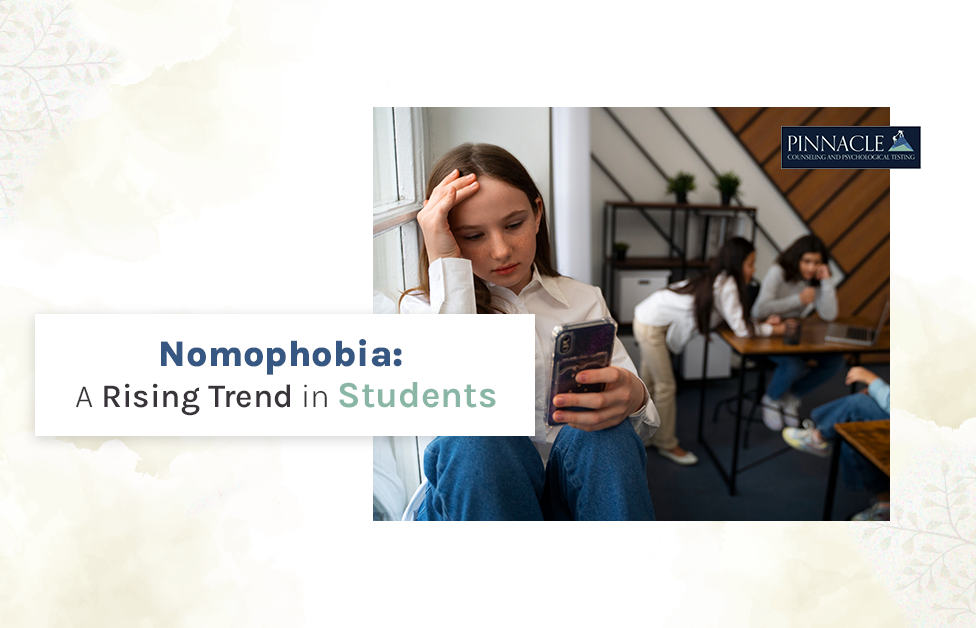
Coping with Nomophobia in College Students: Understanding the Issue and Finding Solutions
Nomophobia, or the fear of being without a mobile phone, has become a growing concern in today's world, particularly among college students. The widespread use of smartphones has created a sense of dependency among young adults, leading to increased anxiety and discomfort when they are unable to access their devices. In this article, we will delve into the topic of nomophobia in college students, exploring its prevalence, effects on mental health, and potential solutions for coping with this modern age phobia.
Prevalence of Nomophobia in College Students
Research suggests that nomophobia is a prevalent issue among university students worldwide. Studies have found that between 42.6% and 98% of undergraduate students experience nomophobia, with the prevalence being even higher in some countries. This alarming rate highlights the need for immediate attention and intervention to address this mental health concern.
- A study among 537 Turkish college students reported that 42.6% of young adults had nomophobia.
- A cross-sectional survey among university students in Oman found that 98% of participants experienced nomophobia.
Effects of Nomophobia on Mental Health
Nomophobia can have a significant impact on a student's mental health, leading to increased anxiety, stress, and decreased self-esteem. The constant need to be connected to their device can create a sense of FOMO (fear of missing out), causing students to feel left out or disconnected from their peers. Additionally, nomophobia can lead to sleep deprivation, as students may find it difficult to disconnect from their devices before bedtime.
Solutions for Coping with Nomophobia

While nomophobia can be a challenging issue to overcome, there are several strategies that college students can employ to manage their nomophobia. Here are a few suggestions:
- Set boundaries and limits:** Establish specific times for checking your phone and stick to those limits. This can help you avoid the constant need to check your device and reduce feelings of anxiety.
- Find alternative ways to cope with boredom:** Engage in activities that bring you joy and help you relax, such as reading, meditation, or exercise.
- Use phone-limiting apps:** Consider using apps that help track and limit your phone usage, such as Freedom, SelfControl, or Moment.
- Practice self-compassion:** Be kind to yourself when you slip up and remember that it's okay to struggle with nomophobia.
- Prioritize face-to-face interactions:** Make an effort to connect with friends and family in person, rather than solely relying on digital communication.
Conclusion
Nomophobia in college students is a pressing issue that requires immediate attention. By understanding the prevalence, effects, and solutions to nomophobia, students can take steps to manage their nomophobia and maintain a healthy balance between their device use and mental well-being. By prioritizing self-care, setting boundaries, and finding alternative ways to cope with boredom, students can overcome nomophobia and lead a more productive and fulfilling college experience.
Final Thoughts
As college students continue to navigate the complexities of modern life, it is essential to acknowledge the significance of nomophobia and its impact on mental health. By discussing and addressing this issue, we can work towards creating a more supportive and healthy environment for all students. Whether you're struggling with nomophobia or simply looking for ways to maintain a healthy balance between technology and relationships, remember that you're not alone and that there are resources available to help.