Understanding Attention Span and Learning Styles
As educators and parents, it's essential to grasp the intricate relationship between attention span and learning styles. Attention span refers to the amount of time an individual can concentrate and focus on a task, while learning styles encompass the various ways individuals process and retain information. In this article, we will delve into the complexities of attention span and learning styles, highlighting the importance of understanding these dynamics to optimize learning outcomes.
What is Attention Span?
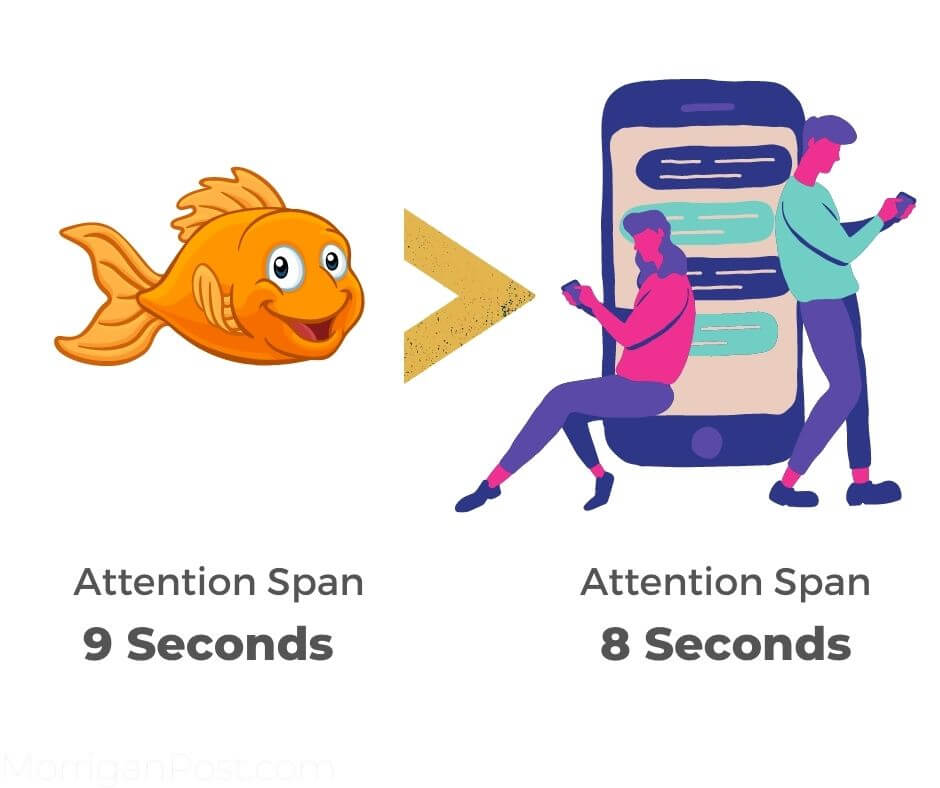
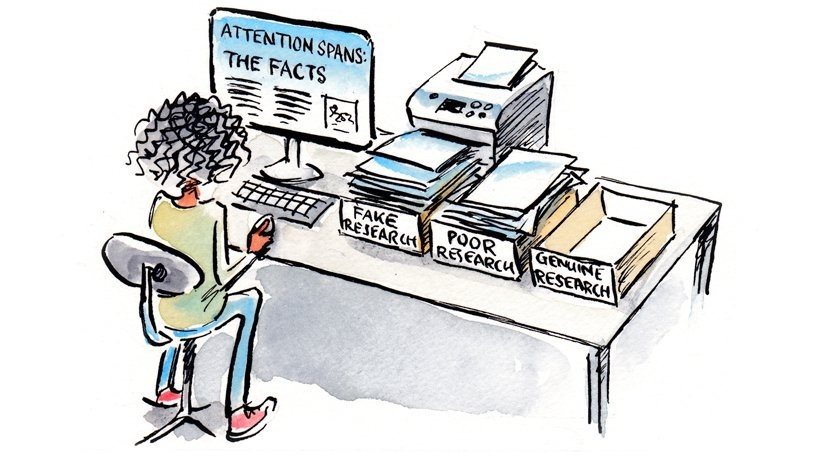
Attention span is a cognitive function that enables individuals to selectively focus on relevant stimuli while filtering out distractions. Research suggests that attention span has decreased significantly in recent years, with some studies indicating that individuals may lose concentration after as little as eight seconds.
Factors Influencing Attention Span
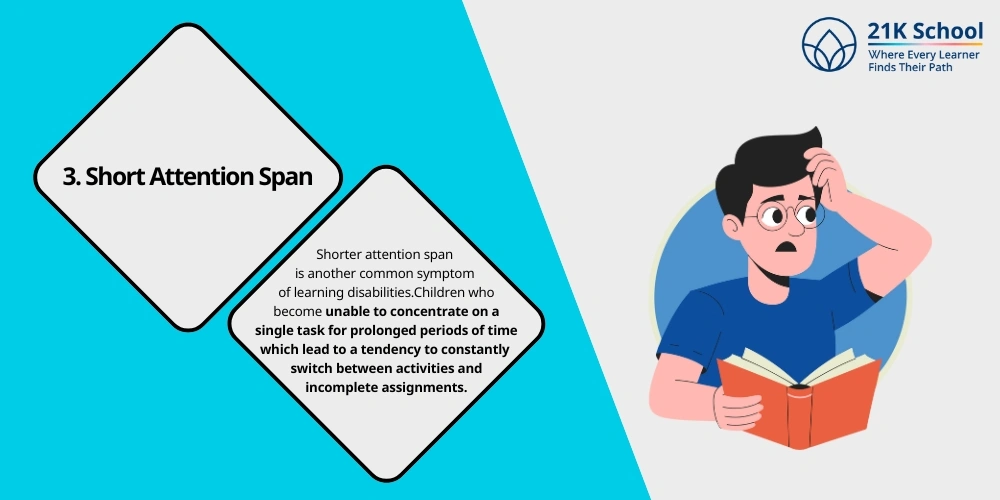
Several factors contribute to declining attention spans, including:
- Increased access to technology and social media
- The rise of multitasking and digital distractions
- Changes in teaching methods and learning environments
- Individual differences in cognitive abilities and learning styles
Learning Styles: A Key to Understanding Attention Span
Learning styles are critical to understanding attention span, as they dictate how individuals process and retain information. There are three primary learning styles:
-
Visual Learners
Visual learners absorb information best through images, diagrams, and videos. They tend to have a higher attention span when presented with visually engaging materials.
-
Auditory Learners
Auditory learners learn more effectively through sound, music, and discussions. They often have a shorter attention span when faced with written materials.
-
Kinesthetic Learners
Kinesthetic learners absorb information best through hands-on activities, tactile experiences, and real-world applications. They tend to have a higher attention span when engaged in hands-on learning.

Teaching Strategies for Increasing Attention Span
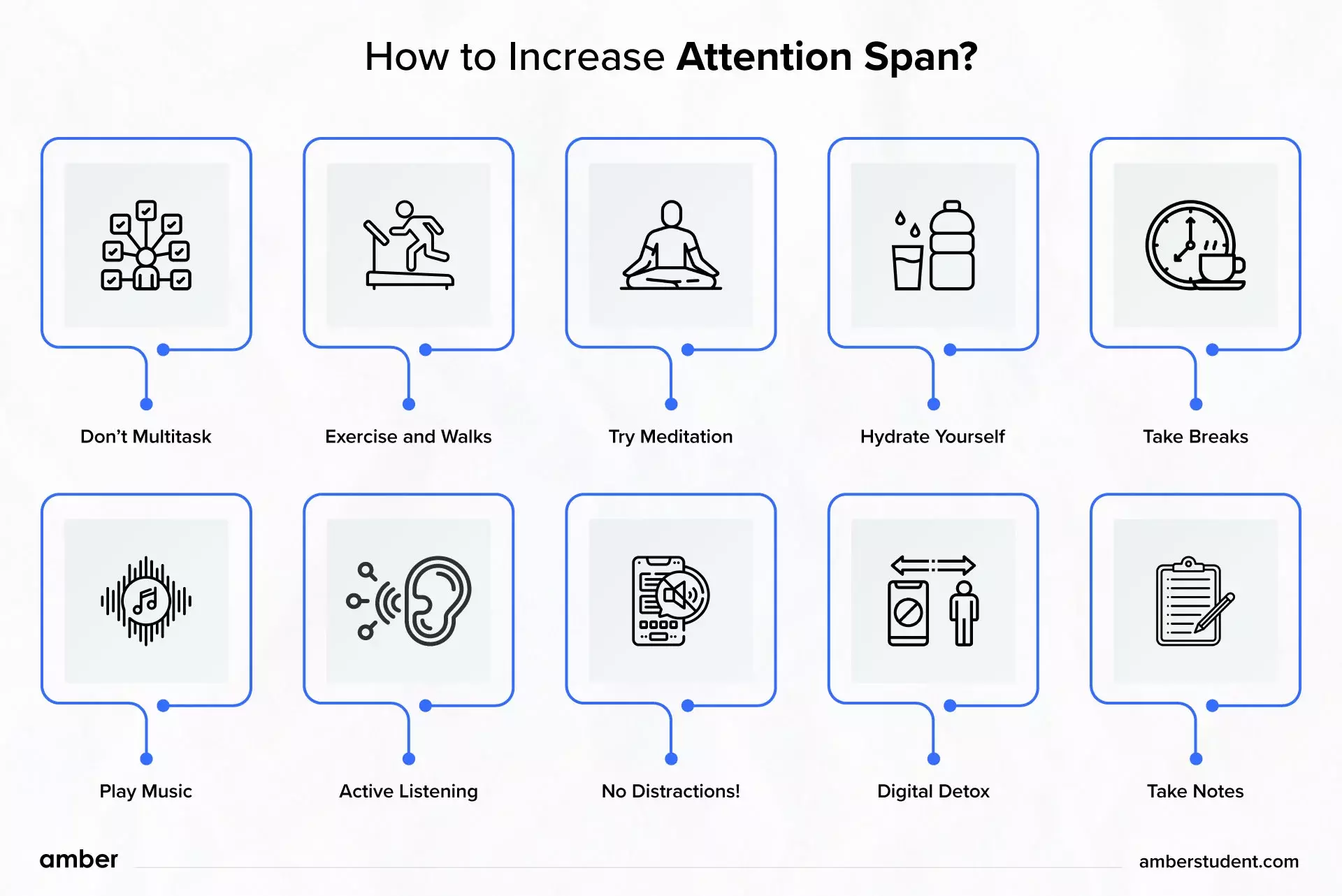
Effective teaching strategies can significantly boost attention span and learning outcomes. Some strategies include:
- Active learning methods, such as group discussions and hands-on activities
- Multimodal instruction, which incorporates various learning styles
- Structured breaks, allowing students to recharge and refocus
- Technology integration, specifically designed to enhance engagement and focus
Real-World Applications and Examples
Several real-world applications and examples illustrate the importance of understanding attention span and learning styles:
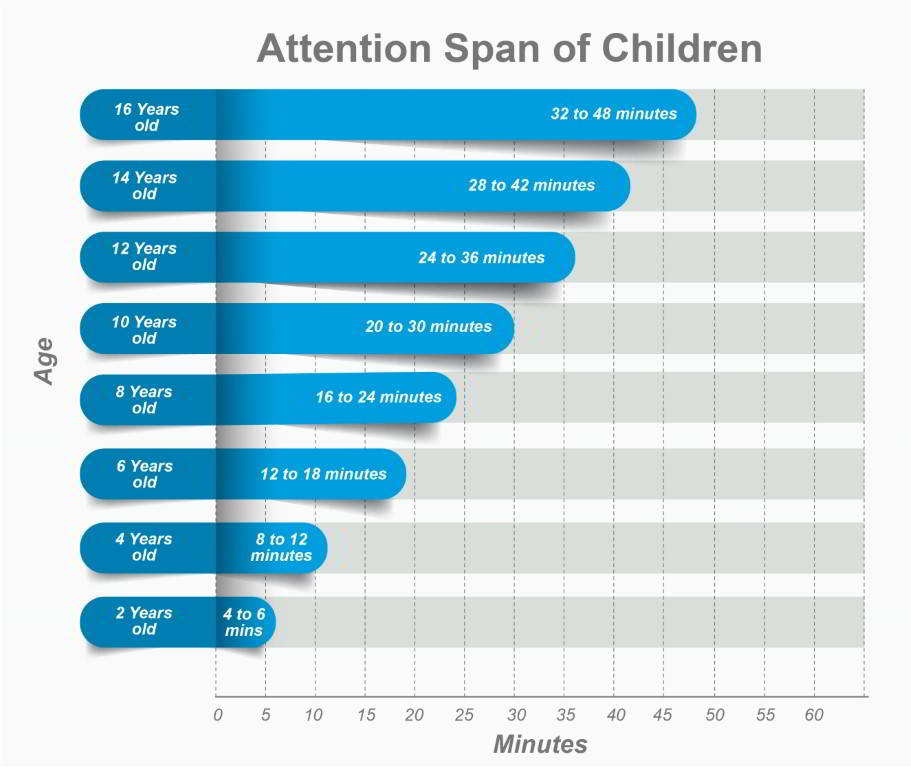
- The Blue Wave youth program separates classes by age group to accommodate changing learning styles and attention spans.
- Research studies, such as those conducted by Microsoft Corp., demonstrate the decreasing attention span in individuals.
- Online learning platforms, such as LifterLMS, offer flexible and interactive learning options to suit individual attention spans.
Conclusion
Understanding attention span and learning styles is crucial for effective learning and teaching. By recognizing the dynamic relationship between these factors and adapting teaching methods to accommodate individual differences, educators and parents can optimize learning outcomes and support students in achieving their full potential.