The Alarming Prevalence of the Fear of Losing Phone or Data
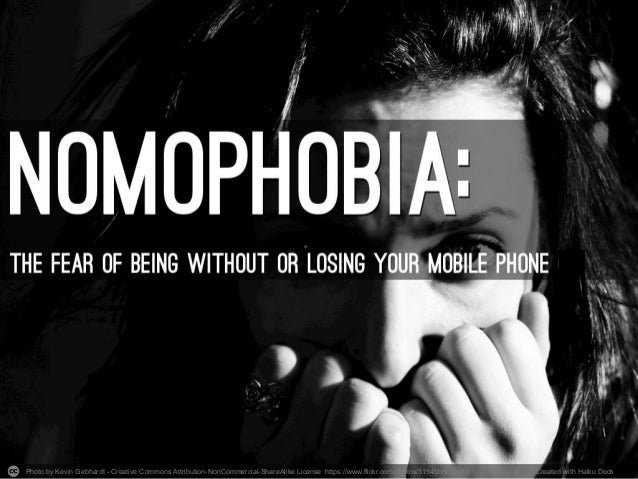
With the advent of smartphones, our lives have become deeply intertwined with technology. Our phones serve as a lifeline, providing instant access to information, communication, and a sense of connection with the world. However, this convenience has also given rise to a pervasive anxiety disorder known as nomophobia - the fear of losing phone or data.
What is Nomophobia?
Nomophobia is a term that has become increasingly relevant in today's digitized world. It describes an individual's intense fear of being without their mobile phone or unable to access its services. This irrational phobia has gained significant attention in recent years, with many expert excessiveingly relying on their phones for everyday activities.
The Psychological Impact of Nomophobia
Nomophobia can have a profound impact on mental health, leading to anxiety, depression, and even panic attacks. Research has identified four components of nomophobia, which include:
- Not being able to communicate with people
- Loss of connectedness in general
- Not being able to access information instantly
- Distress about losing the functional benefits of one's phone (GPS, payments, photos)
Causes of Nomophobia
Several factors contribute to the development of nomophobia, including:
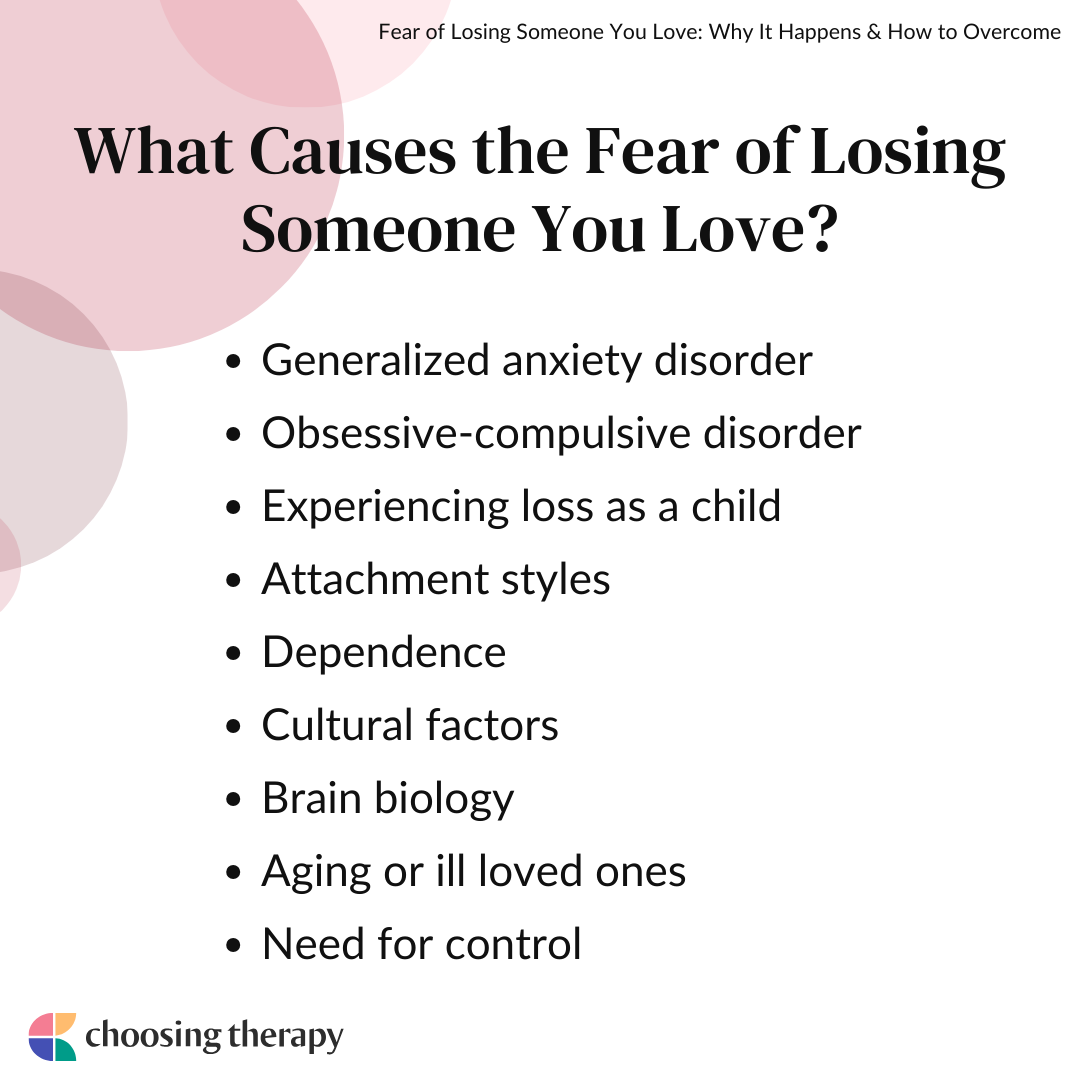
- Loss of control and separation anxiety
- Fear of missing out (FOMO) due to the constant stream of information on social media
- Dependence on phones for communication, navigation, and access to information
- Uncertainty and anxiety about losing irreplaceable memories, sensitive data, or the ability to connect with loved ones
Symptoms of Nomophobia
People experiencing nomophobia may exhibit symptoms such as:
- Excessive worry and anxiety about losing their phone or data
- Irrational fear of being without their phone or internet access
- Physical symptoms such as palpitations, sweating, and trembling
- OCD-like behaviors, such as compulsively checking their phone or constantly searching for it
Managing Nomophobia
While nomophobia is a legitimate concern, there are ways to manage this anxiety and regain control over our lives. Strategies include:
- Setting boundaries and limits on phone use
- Practicing mindfulness and relaxation techniques
- Seeking support from friends, family, or mental health professionals
- Using tools and apps to track and limit phone use
Conclusion
Nomophobia is a real and legitimate anxiety disorder that can have far-reaching consequences for mental health. By acknowledging the causes and symptoms of nomophobia, we can take steps to mitigate its effects and live more mindful and balanced lives in a world that increasingly relies on technology. Remember, it's essential to prioritize mental health and reclaim control over our lives, just as we experience in the battle of certainty, as evidenced by the accumulation of historical resolution data and negative readings.