Information Overload in the Business World: A Growing Concern
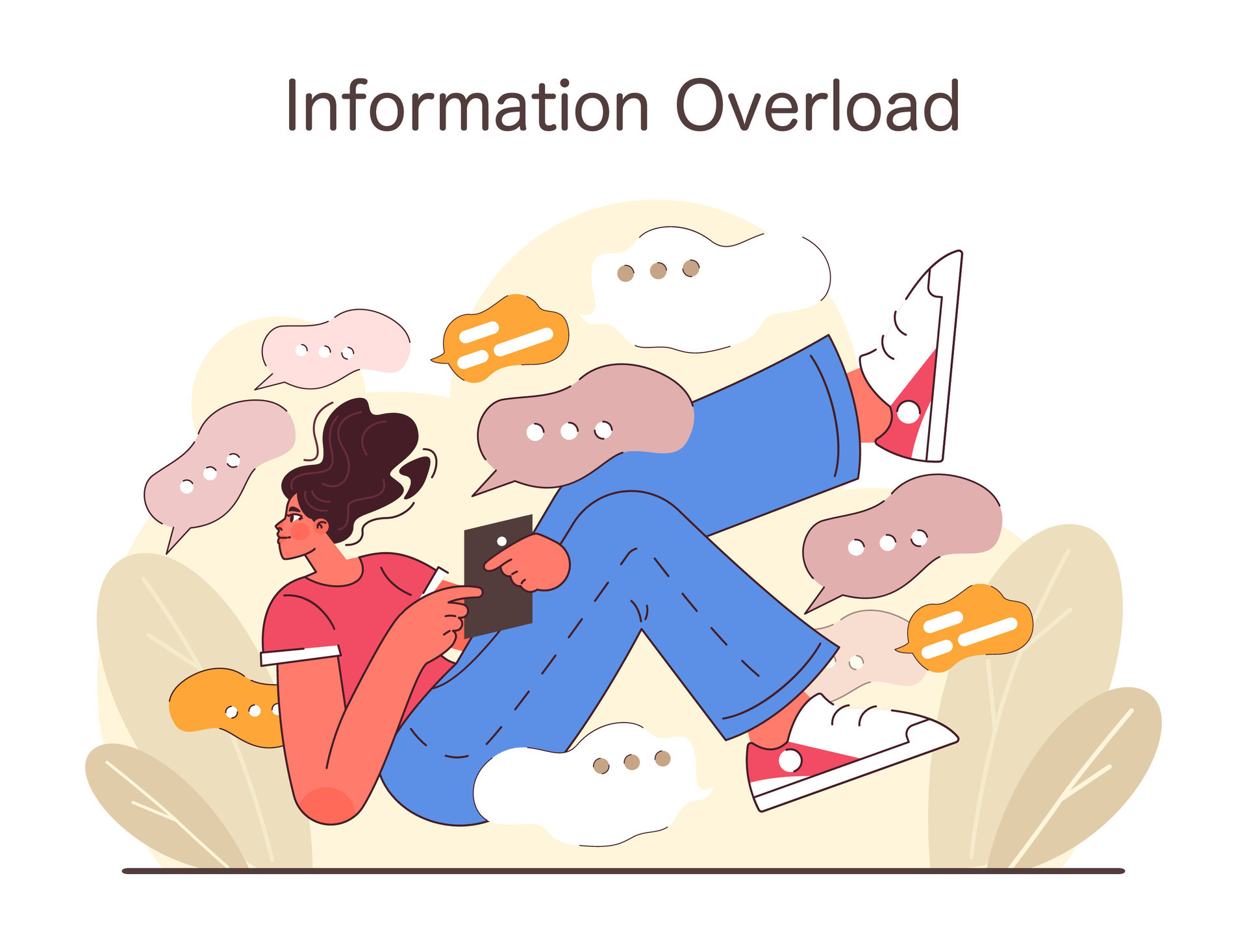
The exponential growth of digital information has led to a pervasive problem of information overload, affecting decision-making, productivity, and well-being in the business world. In this article, we will review the existing literature on the various effects of information overload, its underlying causes, and strategies for managing it.
Causes of Information Overload in the Business World
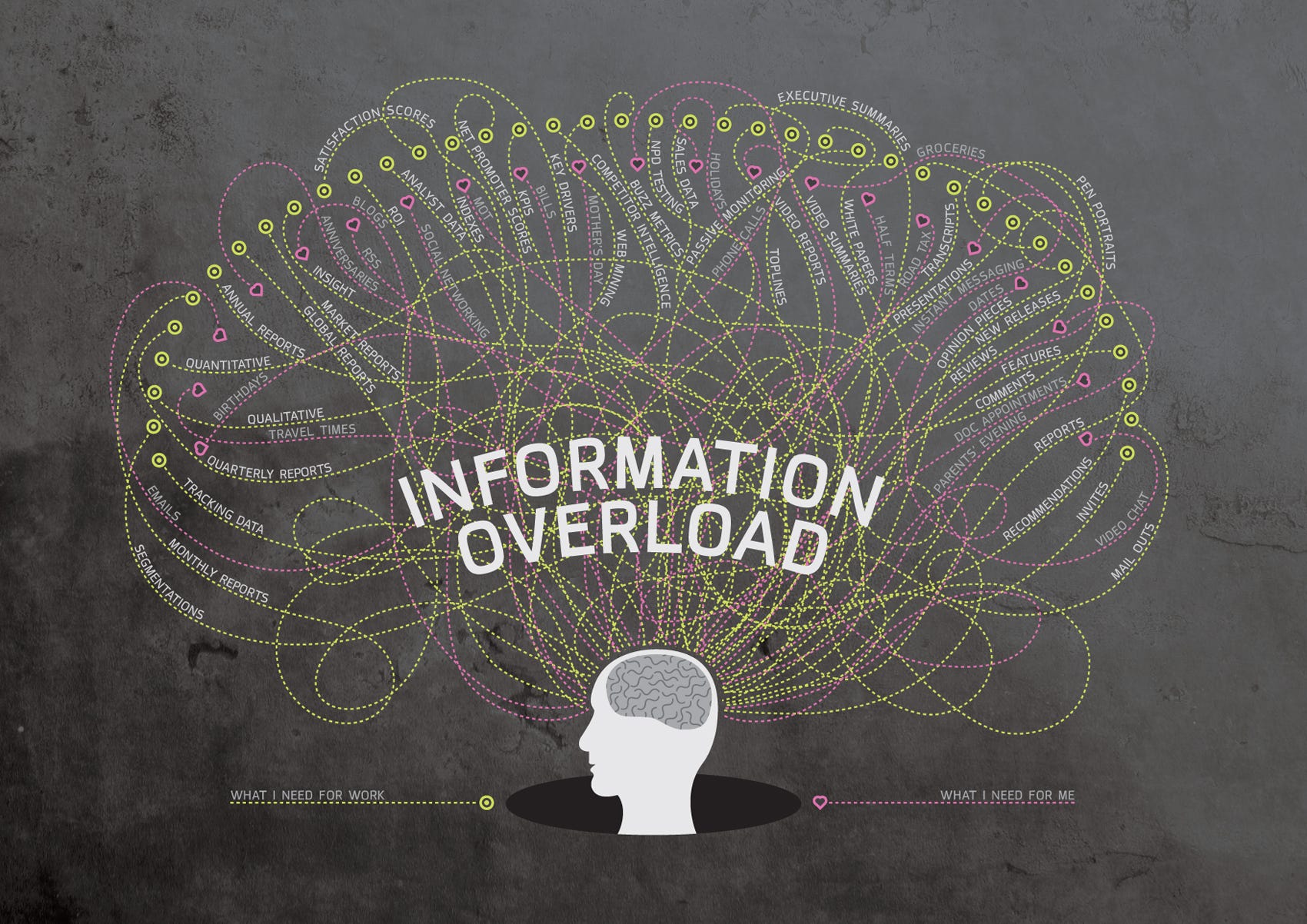
- Exponential Growth of Digital Information: The increasing amount of digital data, communication, and social media has led to an overwhelming amount of information in the business world.
- Proliferation of Digital Communication Tools: Emails, instant messaging, social media, and news feeds constantly push new information, causing employees to feel overwhelmed.
- Vast Amount of Data Available: The internet and digital archives provide access to an unprecedented volume of information, making it difficult for employees to stay on top of it all.
Effects of Information Overload in the Business World
- Reduced Productivity: Employees spend more time filtering information and less time on core tasks, leading to reduced productivity and subpar performance.
- Stress and Anxiety: The sheer amount of information to process can cause stress and anxiety, leading to burnout and decreased employee satisfaction.
Strategies for Managing Information Overload in the Business World
- Structuring Processes: Implementing a structured approach to managing information can help employees prioritize tasks and focus on essential information.
- Modeling and Contextualizing Information: Employees can use tools and techniques to model and contextualize information, making it easier to understand and process.
- Conscious Choice of Information: Employees can learn to consciously choose what information to prioritize and what can be ignored, reducing the feeling of overwhelm.
Preventing and Remedying Information Overload in the Business World
Gross explained that information overload is likely to occur when the quantity of information available exceeds one's capacity to process it, thus reducing the quality of decisions to be made.
Today, businesses can use technology and strategies to manage information overload, prevent it from occurring, and remedy its effects. Implementing effective data management tools and strategies can reduce information overload and improve productivity, decision-making, and employee well-being.
Conclusion
Information overload is a growing concern in the business world, affecting decision-making, productivity, and well-being. By understanding the causes of information overload, its effects, and strategies for managing it, businesses can take steps to mitigate its impact and improve their operations. With the right approach, businesses can regain control over information and make informed decisions.