Dopamine Loops in Meditation: Unlocking a Deeper State of Mind
In the vast world of neuroscience, the concept of Dopamine Loops in Meditation has gained significant attention in recent years. Dopamine, often referred to as the "feel-good" neurotransmitter, plays a crucial role in our brain's reward and pleasure centers, regulating our mood, motivation, and focus. But what exactly is a dopamine loop, and how does it relate to meditation?
What are Dopamine Loops?
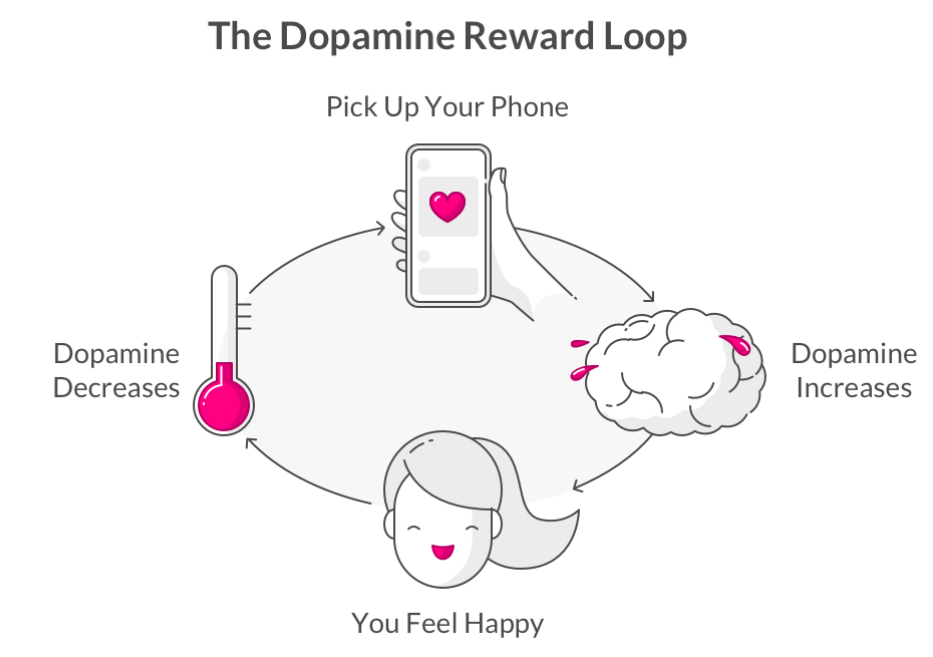
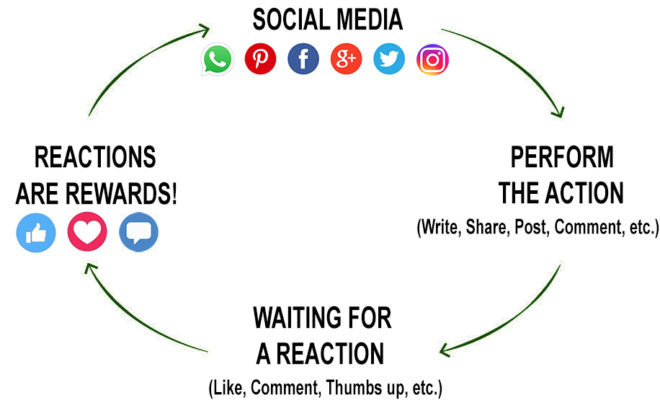
Dopamine Loops refer to the self-perpetuating cycles of seeking instant gratification, which can be fueled by various activities such as social media, food, or even meditation. These loops create a feedback mechanism that reinforces behaviors and can lead to addiction, overstimulation, and burnout. Research suggests that dopamine is released in response to novel or rewarding stimuli, creating a temporary feeling of pleasure or happiness.
The Role of Dopamine in Meditation
Interestingly, meditation has been shown to increase dopamine levels in the brain, leading to feelings of calmness and happiness. A 2024 study found that meditation increased endogenous dopamine release in the ventral striatum during Yoga Nidra meditation. This is significant, as it suggests that meditation can be a safe and healthy way to increase dopamine levels without the negative consequences associated with external stimuli.
Breaking Free from Dopamine Loops in Meditation
So, how can we break free from dopamine loops and tap into the deeper state of mind that meditation offers? The key lies in cultivating mindfulness and awareness, allowing us to recognize when we're getting caught in cycles of seeking instant gratification. By practicing mindfulness and intentionally directing our attention, we can begin to let go of dopamine's addictive hold and experience a profound sense of calm and inner peace.

Dopamine Loops in Daily Life
But dopamine loops aren't limited to meditation; they shape our daily habits, from social media scrolling to work burnout. Understanding the science behind dopamine and its role in behavior can help us develop practical strategies to break unhealthy cycles and cultivate a more balanced life. By recognizing when we're getting caught in dopamine loops and taking steps to interrupt them, we can begin to live more intentionally and authentically.
Conclusion
Dopamine Loops in Meditation offer a powerful framework for understanding the complex interplay between our brain's reward system and our behavior. By recognizing the mechanisms behind dopamine loops and incorporating mindful practices into our daily lives, we can break free from the cycles of seeking instant gratification and experience a deeper state of calm and inner peace.
Key Takeaways
- Dopamine Loops are self-perpetuating cycles of seeking instant gratification, fueled by external stimuli or internal drives.
- Meditation has been shown to increase dopamine levels in the brain, leading to feelings of calmness and happiness.
- Cultivating mindfulness and awareness can help us break free from dopamine loops and experience a deeper state of mind.
- Practicing mindfulness and intentionally directing our attention can help us develop a more balanced and intentional life.