Understanding Age-Related Anxiety
Anxiety is a common mental health condition that affects millions of people worldwide, including older adults. While experiencing anxiety is a part of life, age-related anxiety can be a distinct and challenging issue for many seniors.
Age-related anxiety is a type of anxiety disorder that occurs as people age. It can be caused by various factors, including age-related changes, health issues, and life transitions. As people get older, they may experience anxiety due to concerns about their health, finances, relationships, or inability to perform daily tasks.
Common Types of Anxiety Disorders in Older Adults
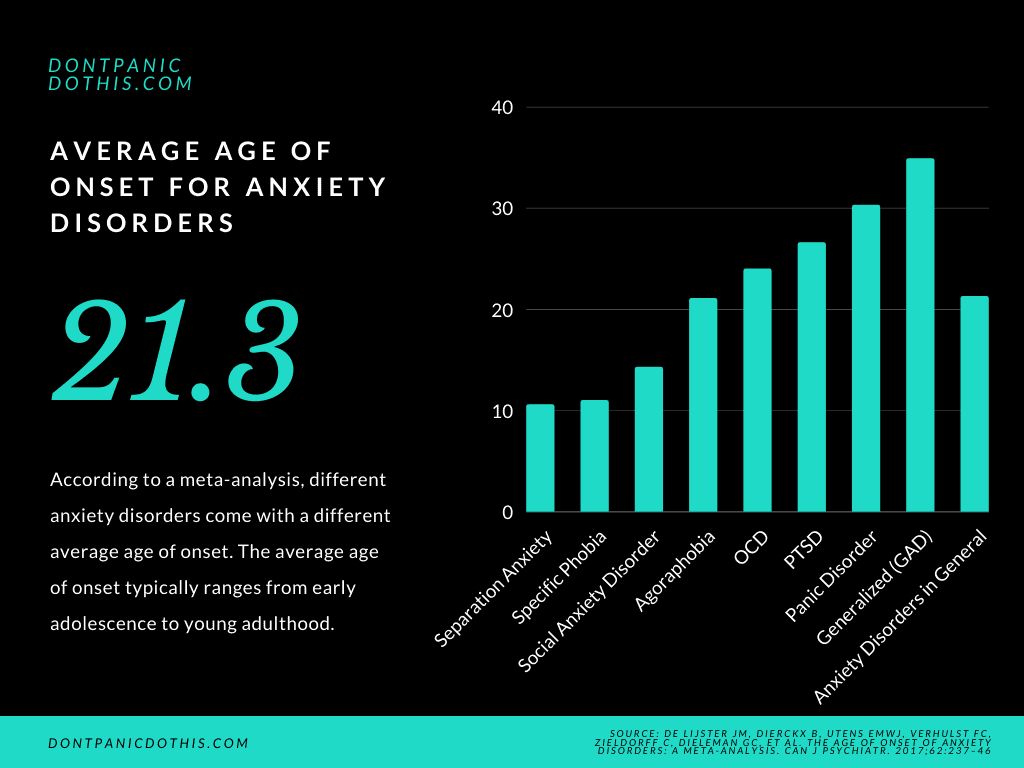
- Generalized Anxiety Disorder (GAD): Characterized by excessive and persistent worry about daily life events
- Specific Phobias: Fear of specific objects, situations, or activities
- Social Anxiety Disorder: Fear of social situations, being judged, and evaluated
- Agoraphobia: Fear of being in public places or situations
- Separation Anxiety Disorder: Fear of separation from family members, friends, or a loved one
- Selective Mutism: Inability to speak in certain situations or to specific people
Causes and Risk Factors of Age-Related Anxiety
Several factors contribute to age-related anxiety, including:
- Age-related changes: Changes in physical health, hormones, and brain chemistry
- Health issues: Chronic illnesses, pain, and disability
- Life transitions: Retirement, loss of a partner, or significant life events
- Genetics: Family history of anxiety disorders
- Environmental factors: Social isolation, loneliness, and stress
Consequences of Untreated Age-Related Anxiety
Untreated age-related anxiety can lead to:
- Worsening mental health symptoms
- Decreased quality of life
- Physical health problems
- Increased risk of cognitive decline and dementia
Diagnosis and Treatment of Age-Related Anxiety
Diagnosing age-related anxiety requires a thorough assessment by a mental health professional, including:
- Interviews and questionnaires
- Cognitive and behavioral assessments
- Physical examinations
- Imaging tests (e.g., brain scans)
Treatment options for age-related anxiety include:
- Therapy (e.g., cognitive-behavioral therapy, psychodynamic therapy)
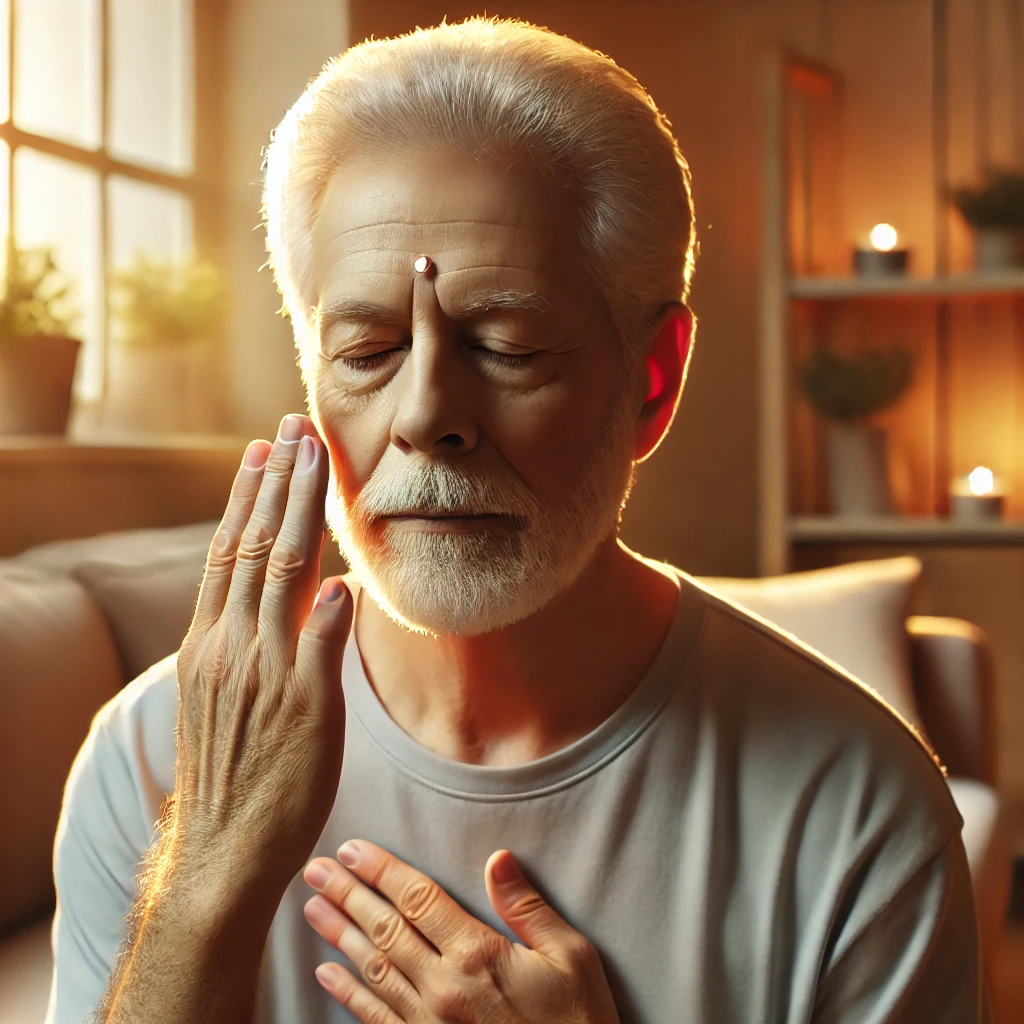
- Mtional health iss Meditation and relaxation techniques
- Medications (e.g., antidepressants, anti-anxiety medications)
Expert Insights on Age-Related Anxiety
According to Dr. Sonja Rosen, chief of Cedars-Sinai's Geriatric Program, "Anxiety disorders are the most common mental health condition in older adults, but just one-third of older patients with an anxiety disorder receive treatment."
Conclusion
Age-related anxiety is a common and treatable condition that affects many older adults. Early diagnosis and treatment can improve symptoms, quality of life, and overall mental and physical health. If you or a loved one is experiencing age-related anxiety, seek professional help to start your journey towards relief and recovery.