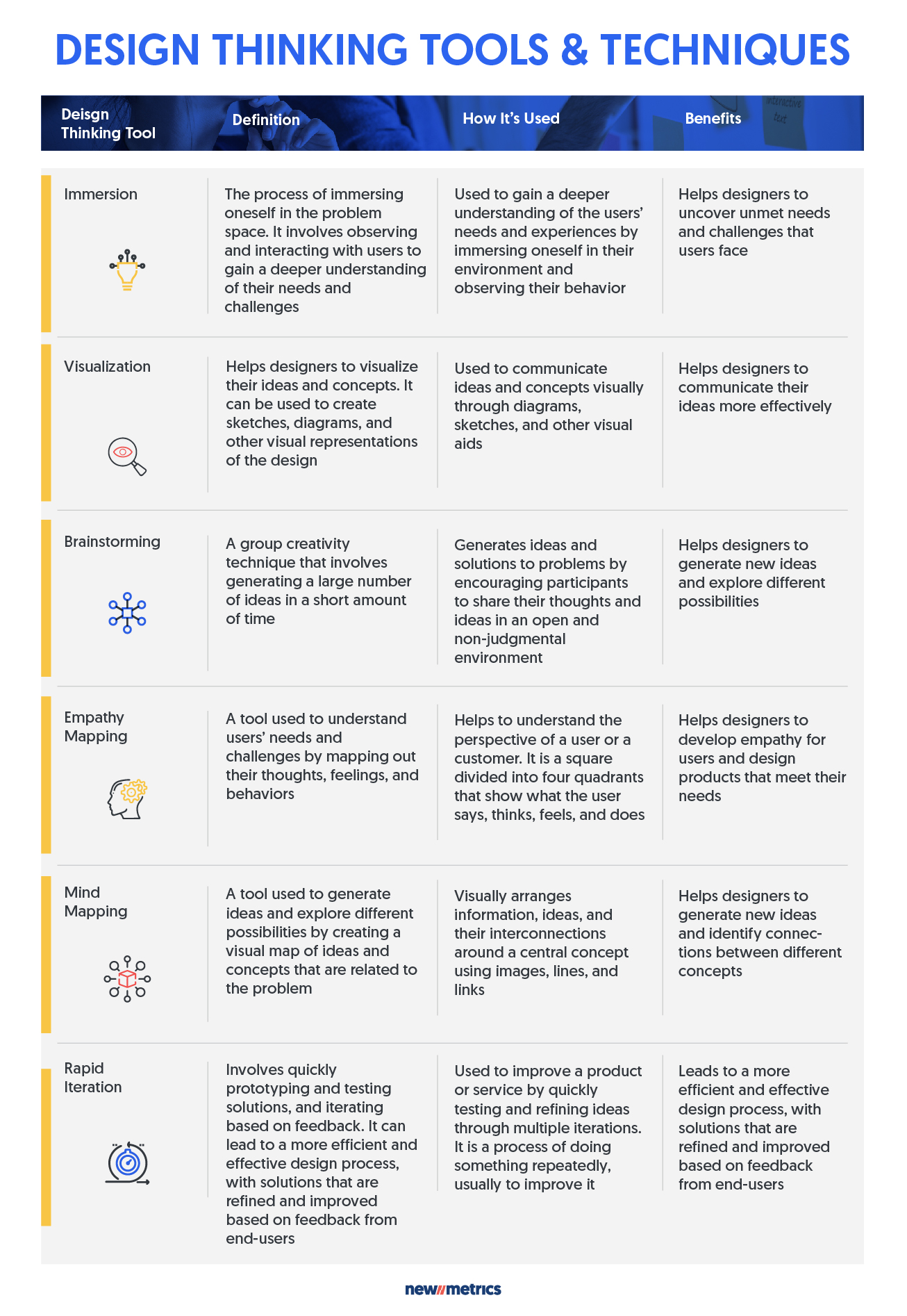
Mastering the Power of Design Thinking Principles: A Comprehensive Guide
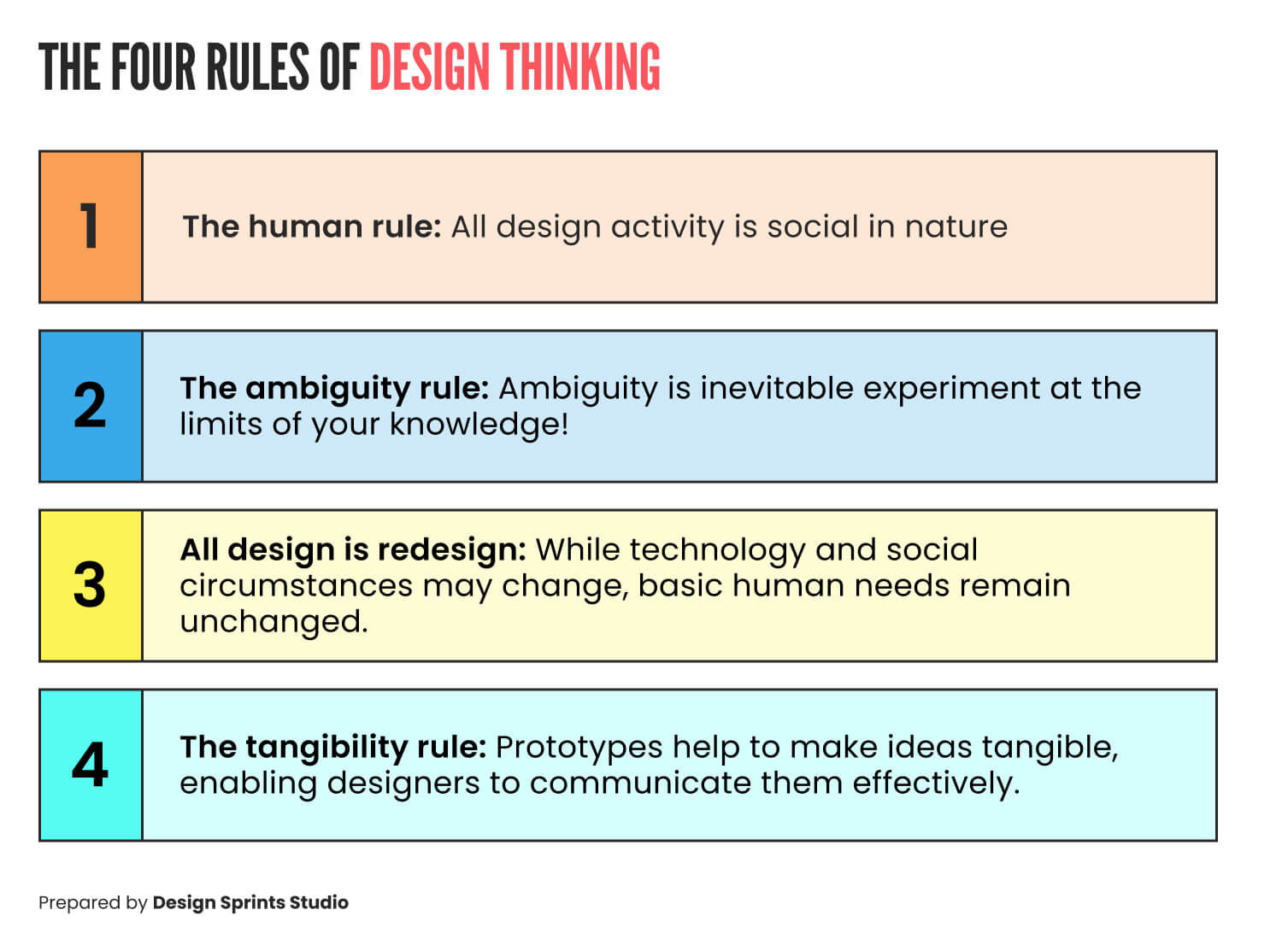
Design thinking is a powerful approach to problem-solving and innovation that has been disrupting conventions in various industries for years. By adopting this human-centered mindset, individuals and organizations can unlock creative solutions that meet the needs of their customers and users. In this article, we'll delve into the core design thinking principles and explore how they can be applied in various contexts.
The Fundamentals of Design Thinking
Design thinking is an iterative and non-linear process that involves activities such as context analysis, user testing, problem finding and framing, ideation and solution generating, creative thinking, sketching and drawing, prototyping, and evaluating. The core features of design thinking include the abilities to deal with different types of design problems, especially ill-defined and 'wicked' problems, and to create innovative solutions that address the needs of users and customers.
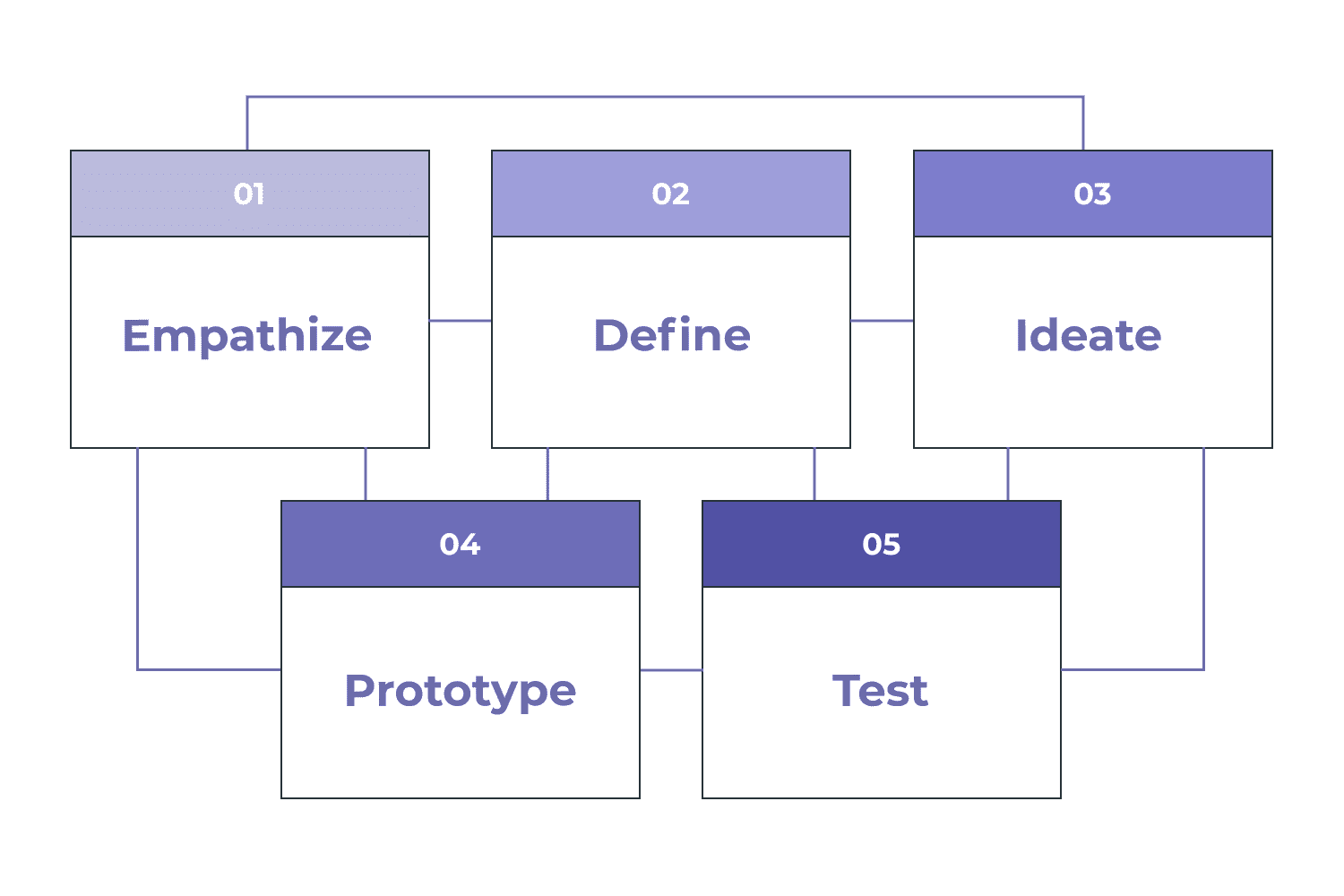
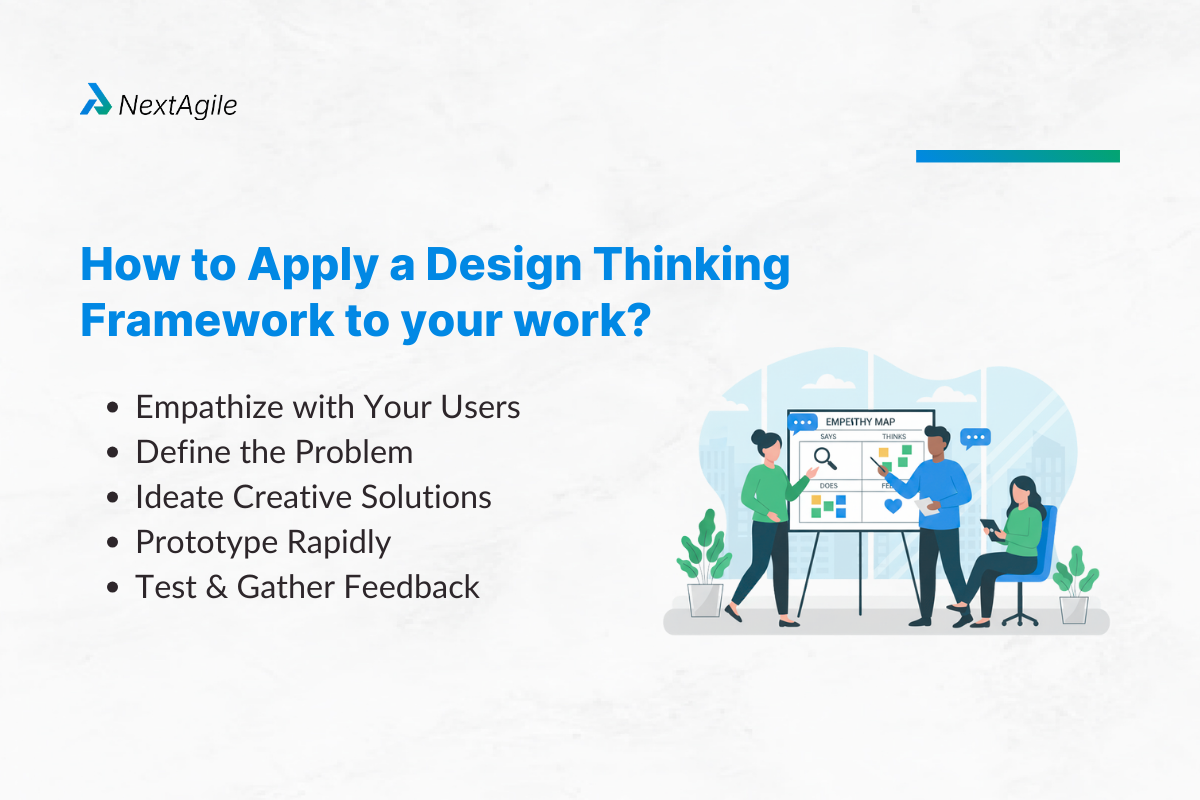
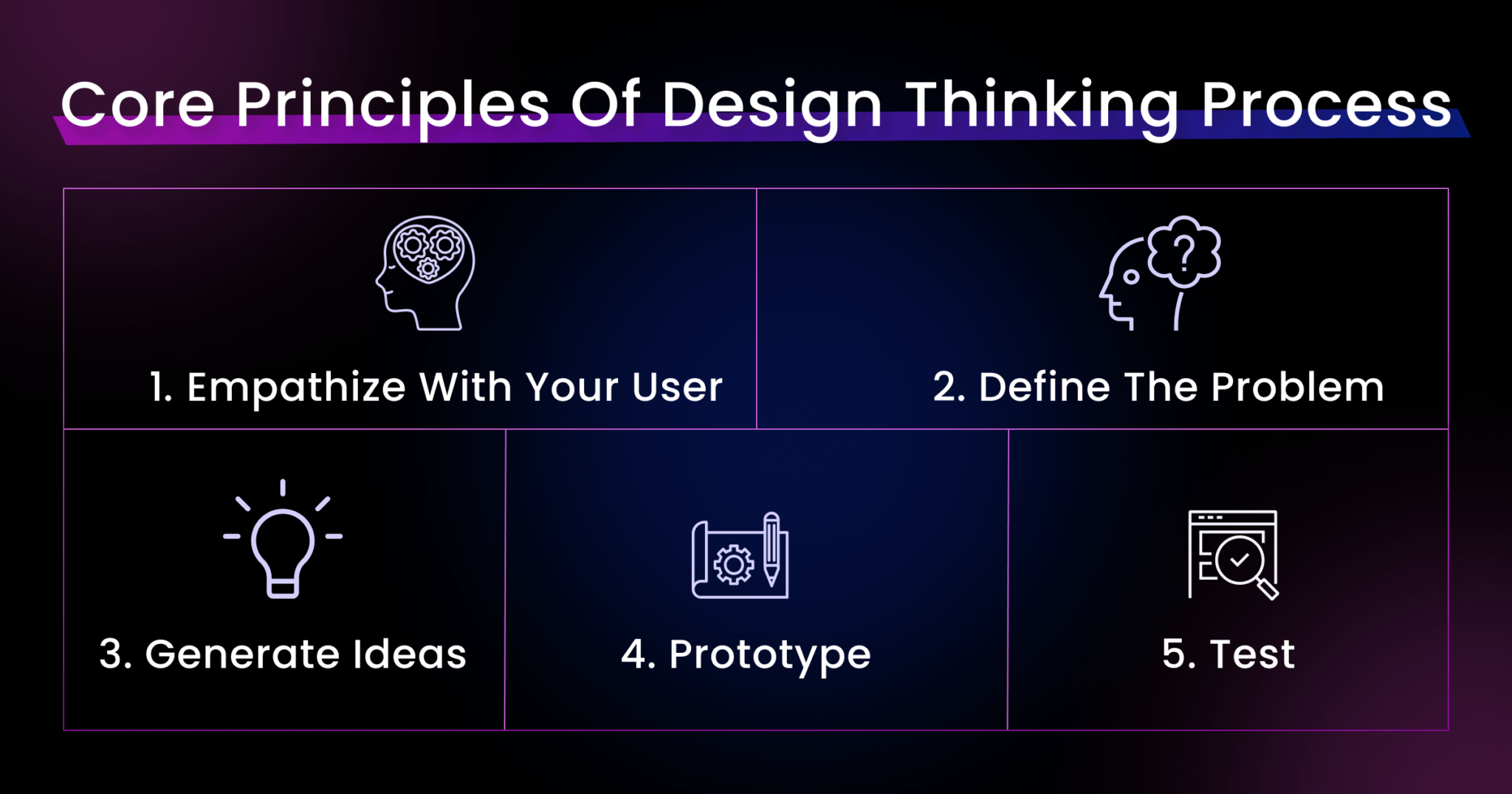
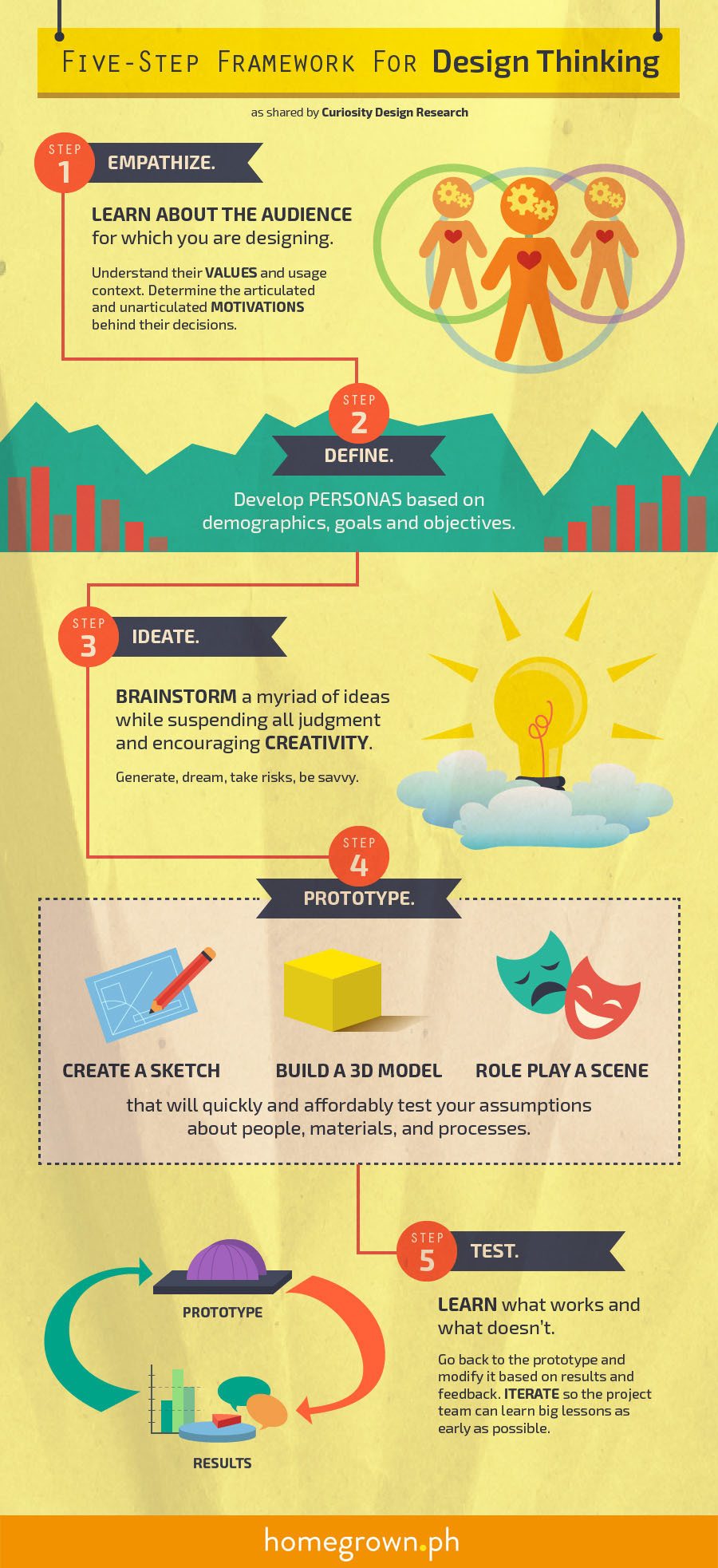
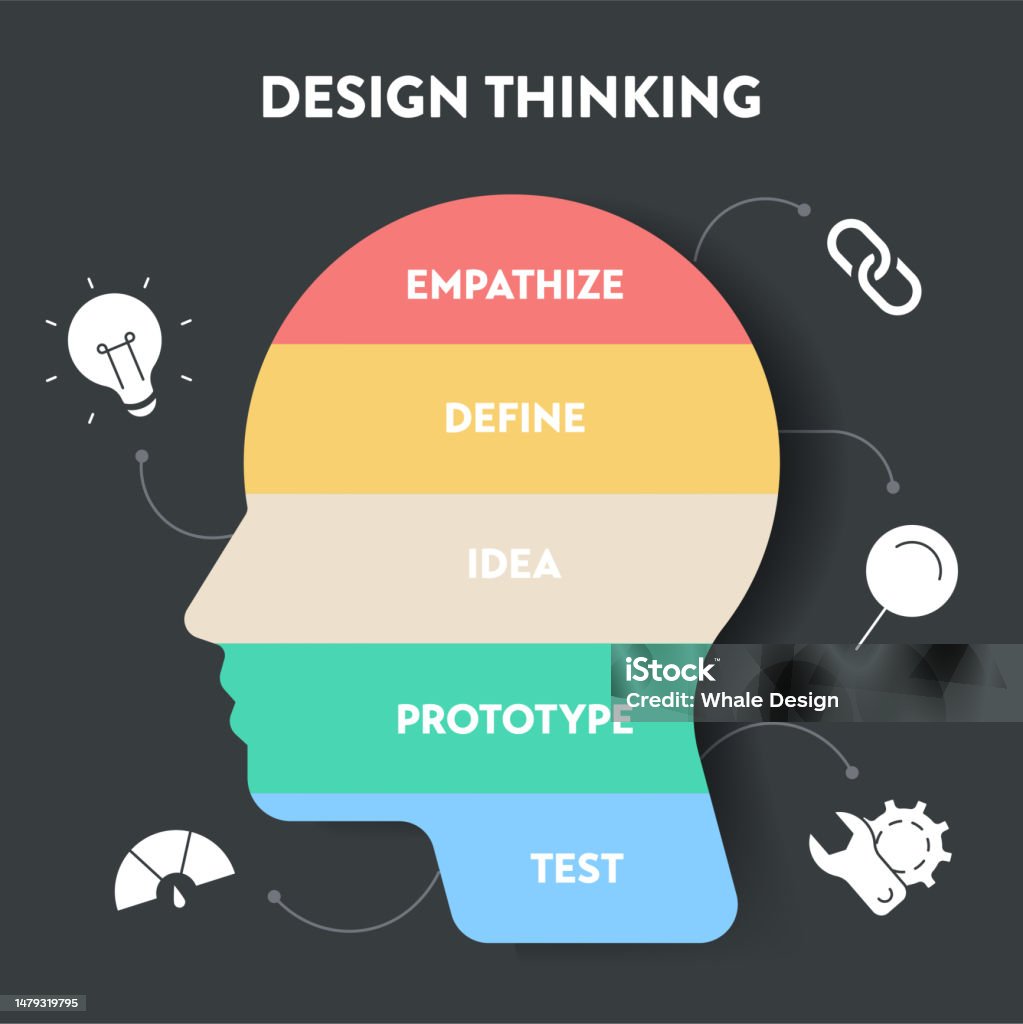
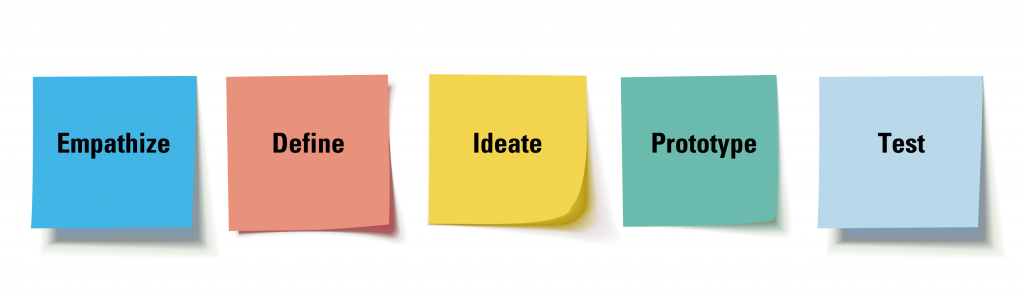
5 Core Design Thinking Principles
- Empathy**: Design thinking starts with a deep understanding of the user's needs, feelings, and behaviors. This principle involves putting the user at the center of the design process and creating solutions that meet their needs and expectations.
- Define**: Once empathy is established, designers need to define the problem they are trying to solve. This involves identifying the key factors that contribute to the problem and creating a clear understanding of the user's needs.
- Ideate**: This stage involves generating ideas and solutions that meet the user's needs. It requires a free-flowing and creative approach to problem-solving.
- Prototype**: Ideas are turned into tangible prototypes that can be tested and refined. This stage involves creating a minimal viable product (MVP) that can be tested with users.
- Test**: The final stage involves testing the prototype with real users and refining the solution based on the feedback received.
Applying Design Thinking Principles in Real-World Contexts
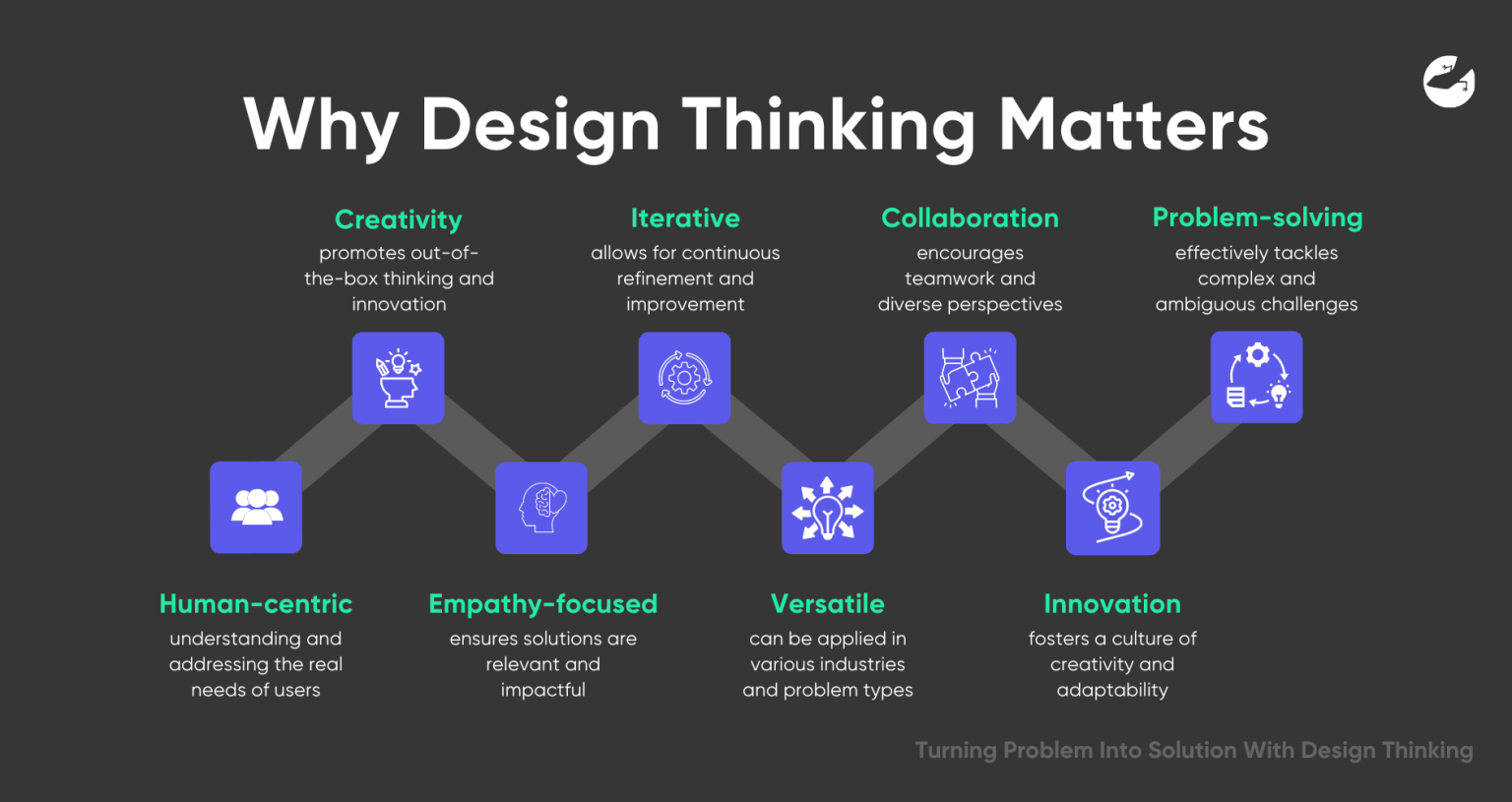
Design thinking principles can be applied in various contexts, from product design and development to strategic planning and innovation. By understanding the core principles of design thinking, organizations can create solutions that meet the needs of their customers and users, resulting in increased satisfaction, loyalty, and revenue.
Design Thinking in Business and Innovation

Design thinking has become a business hype over the past few years, with many companies adopting this approach to innovation and problem-solving. The design thinking principles have been applied in various industries, from technology and finance to healthcare and education.
Conclusion
Design thinking is a powerful approach to problem-solving and innovation that has the potential to revolutionize the way we design and develop solutions. By applying the core design thinking principles, individuals and organizations can create solutions that meet the needs of their customers and users, resulting in increased satisfaction, loyalty, and revenue. As we conclude, we invite any questions you may have regarding the principles and applications of design thinking.
Resources
For those interested in learning more about design thinking, there are numerous resources available online, including:
- Creately's guide to design thinking principles
- IDEO's design thinking resources
- Figma's design thinking guide
By applying the design thinking principles, you can unlock creative solutions that meet the needs of your customers and users. Whether you're a seasoned designer or just starting your design journey, understanding the core principles of design thinking can make all the difference in creating innovative and user-centered solutions.




.png "Texperia: A Design Thinking-Driven Techno-Cultural ... - LinkedIn")