Understanding Phone Addiction and Nomophobia
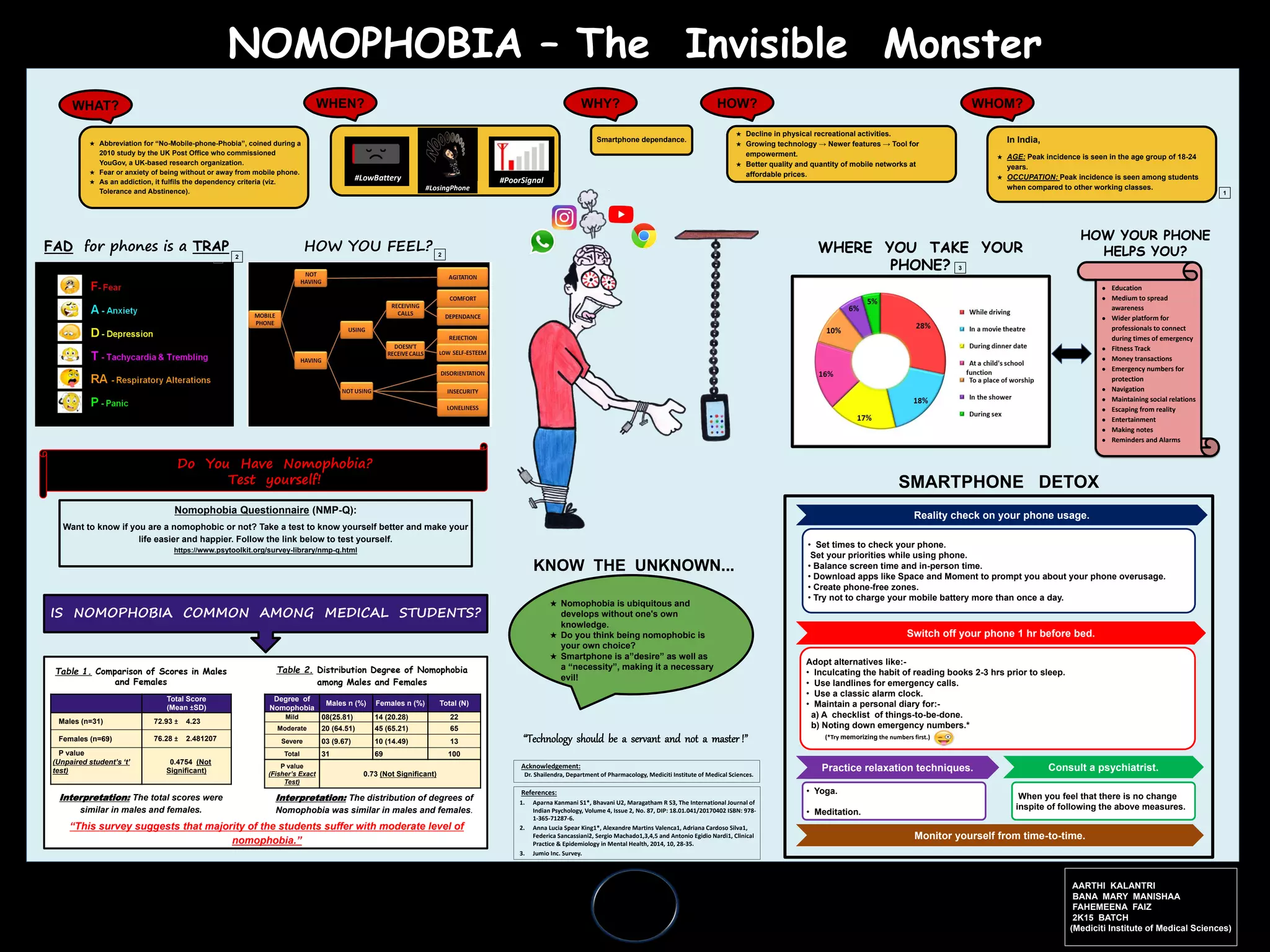
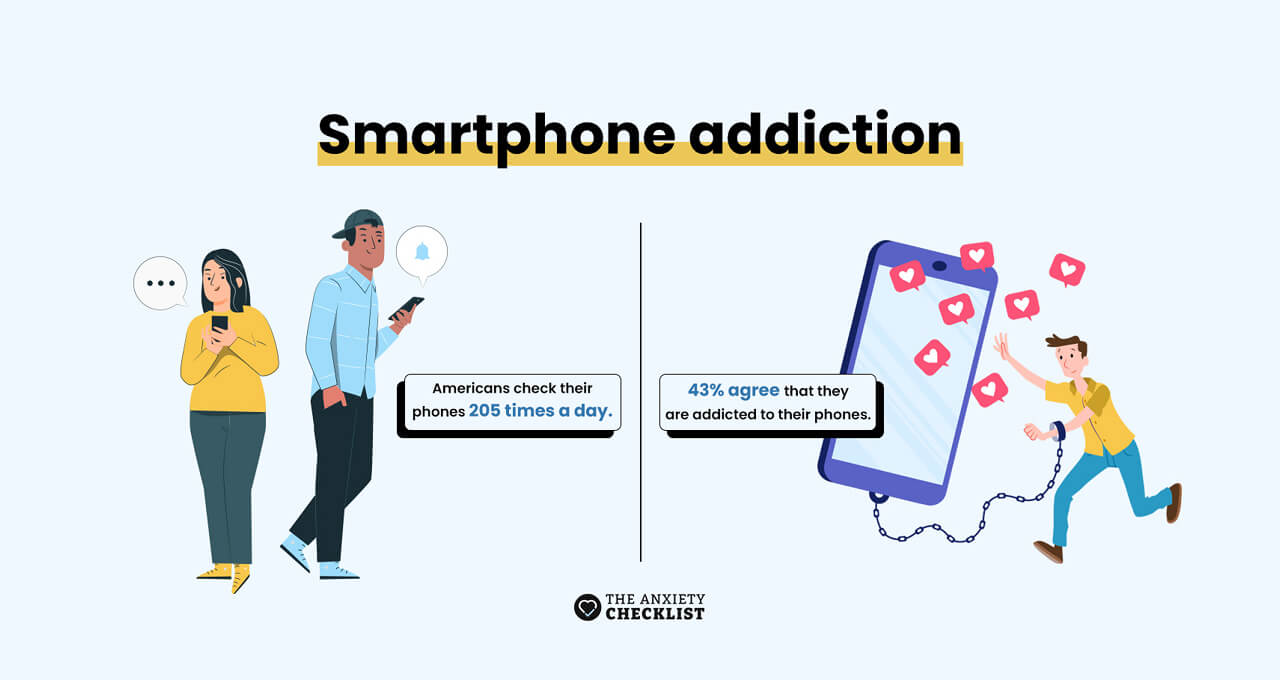
Phone addiction, a state of socio-psychological illness, refers to an excessive use of mobile phones that causes negative health risks and harmful psychological effects. This condition shares similarities with other behavioral addictions such as internet or gaming addiction, where users lose control over their usage and prioritize phone use over other activities, leading to withdrawal symptoms. At the core of phone addiction lies nomophobia, a fear of lack of access to a mobile phone, which is a growing concern in today's digital age.
What is Nomophobia?
Nomophobia, which originated from the phrase "no mobile phone phobia," refers to the worry or fear that individuals experience when they are without their mobile phone or are unable to use it. The term was first coined in 2008, and it is considered a modern type of phobia. This fear is a result of the individual's increasing reliance on their mobile phone, leading to feelings of anxiety, agitation, and disorientation when they are unable to use it.
Causes of Nomophobia
- Increase in anxiety, poor self-esteem, insecure attachment, or emotional instability
- Need for comfort and connection provided by mobile phones
- Overuse of mobile phones as a result of addiction
- Feeling disconnected or isolated from others and the world
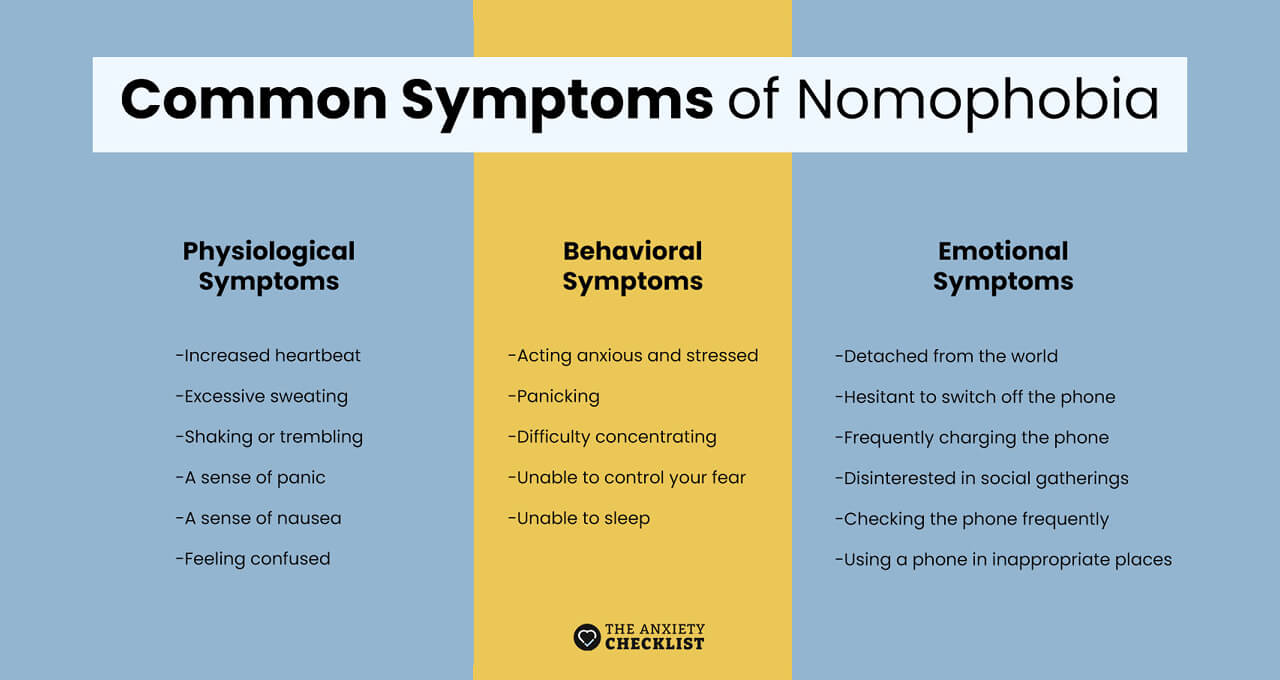
Symptoms of Nomophobia
- Anxiety when separated from one's phone
- Constant checking for notifications
- Physical symptoms like increased heart rate when unable to use the phone
- Withdrawal symptoms when unable to use the phone
- Prioritizing phone use over other activities and responsibilities
Understanding Phone Addiction and Nomophobia: A Systematic Review
This review aims to examine the current literature focused on nomophobia, including its prevalence, causes, and effects in educational settings. The study sought to explore the relationship between nomophobia and distraction addiction, as well as its impact on users' wellbeing.
Overcoming Nomophobia
Overcoming nomophobia requires a holistic approach, considering both the psychological and practical aspects of phone addiction. This can involve setting boundaries, engaging in stress-reducing activities, and implementing strategies to manage screen time.
Conclusion
Understanding phone addiction and nomophobia is crucial in today's digital age. As individuals increasingly rely on their mobile phones, it is essential to recognize the signs and symptoms of phone addiction and nomophobia, taking steps to overcome them. By doing so, we can promote healthier digital habits and reduce the negative effects of phone addiction and nomophobia on our mental health and wellbeing.
References
- Yildirim, C., & Correia, A. P. (2015). Nomophobia: The fear of being without one's mobile phone.
- Shaffer, H. J., & Hall, M. N. (2002). The impact of internet and cell phone addiction on daily life: A systematic review.
- Kim, J., LaRose, R., & Peng, W. (2011). Loneliness as the cause and the result of mobile phone addiction.