Protecting Your Bank Account from Data Theft: A Comprehensive Guide
Banks and financial institutions hold a significant amount of personal and financial information, making them a prime target for cybercriminals. In 2022 alone, the FBI logged over 800,000 cybercrime-related complaints, accounting for losses of over $10 billion dollars. Therefore, it's essential to safeguard your bank account and protect your financial data to prevent devastating financial loss from identity theft. In this article, we'll discuss the importance of protecting your bank account from data theft, common fraud tactics, and essential security measures to secure your finances.
Why Cybercriminals Target Bank Accounts
Cybercriminals target bank accounts for various reasons, including transferring money, making purchases, opening new credit accounts, or collecting enough personal data to commit additional forms of identity theft. They may use phishing scams, malware, or other tactics to gain unauthorized access to your account.
Common Fraud Tactics
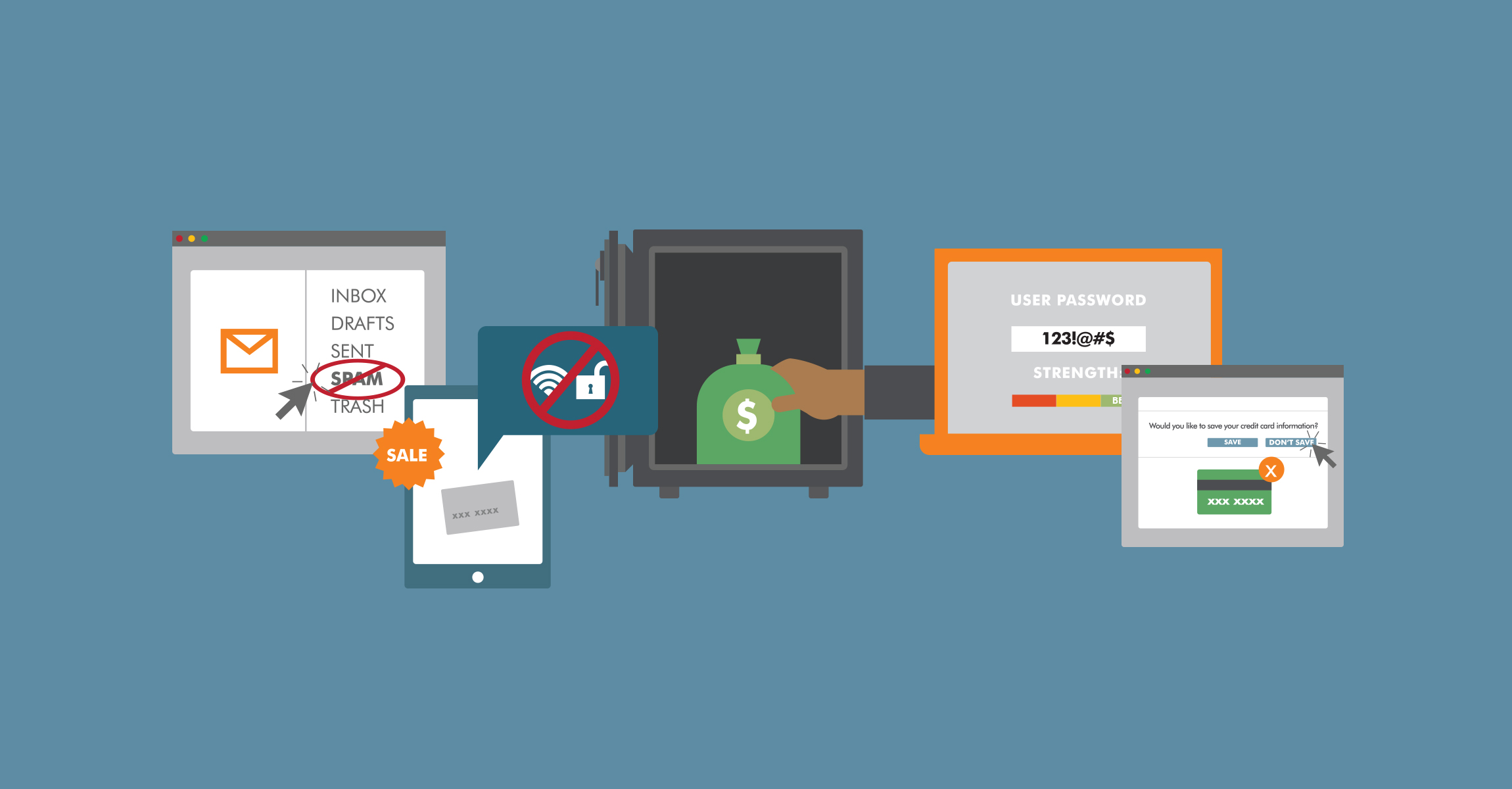
- Phishing Scams: Scammers use email or text messages to try to steal your passwords, account numbers, or Social Security numbers. If they get that information, they could get access to your email, bank, or other accounts, or sell your information to other scammers.
- Malware: Malware is software designed to harm or exploit a computer system. It can be used to steal personal data, such as login credentials or financial information.
- Data Breaches: A data breach occurs when an unauthorized party accesses sensitive data, such as credit card numbers or Social Security numbers.
Essential Security Measures
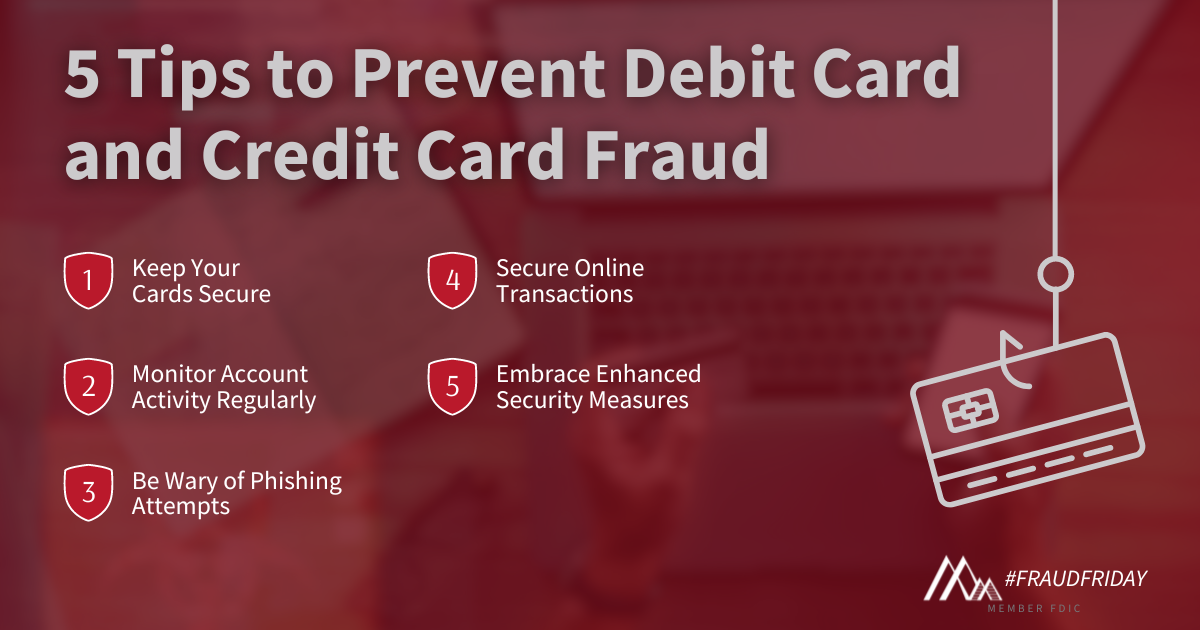
To protect your bank account from data theft, follow these essential security measures:
.B09AVv7U.jpeg)
- Strong Passwords: Use a strong and unique password for each of your accounts, and avoid using easily guessable information such as your name or birthdate.
- Transaction Alerts: Set up transaction alerts to notify you of any suspicious activity on your account.
- Two-Factor Authentication (2FA): Enable 2FA to add an extra layer of security to your account access.
- Regularly Monitor Your Account: Regularly review your account activity to detect any suspicious transactions or unauthorized access.
- Use a Reputable Identity Protection Service: Consider using a reputable identity protection service to monitor your credit report and detect any potential identity theft.
What to Do if Your Information Was Lost or Stolen
If you believe your information has been lost or stolen, follow these steps:
- Report the Incident: Immediately report the incident to your bank or financial institution.
- Change Your Passwords: Change your passwords for all affected accounts.
- Monitor Your Credit Report: Regularly review your credit report to detect any potential identity theft.
- Consider a Credit Freeze: Consider placing a credit freeze on your credit report to prevent any new accounts from being opened in your name.
Conclusion
Protecting your bank account from data theft is a crucial step in maintaining a healthy financial life. By understanding common fraud tactics and implementing essential security measures, you can significantly reduce the risk of identity theft and financial loss. Remember to regularly monitor your account activity, use strong passwords, and consider using a reputable identity protection service to safeguard your financial information.