The Risks of Hyperconnectivity in Everyday Life
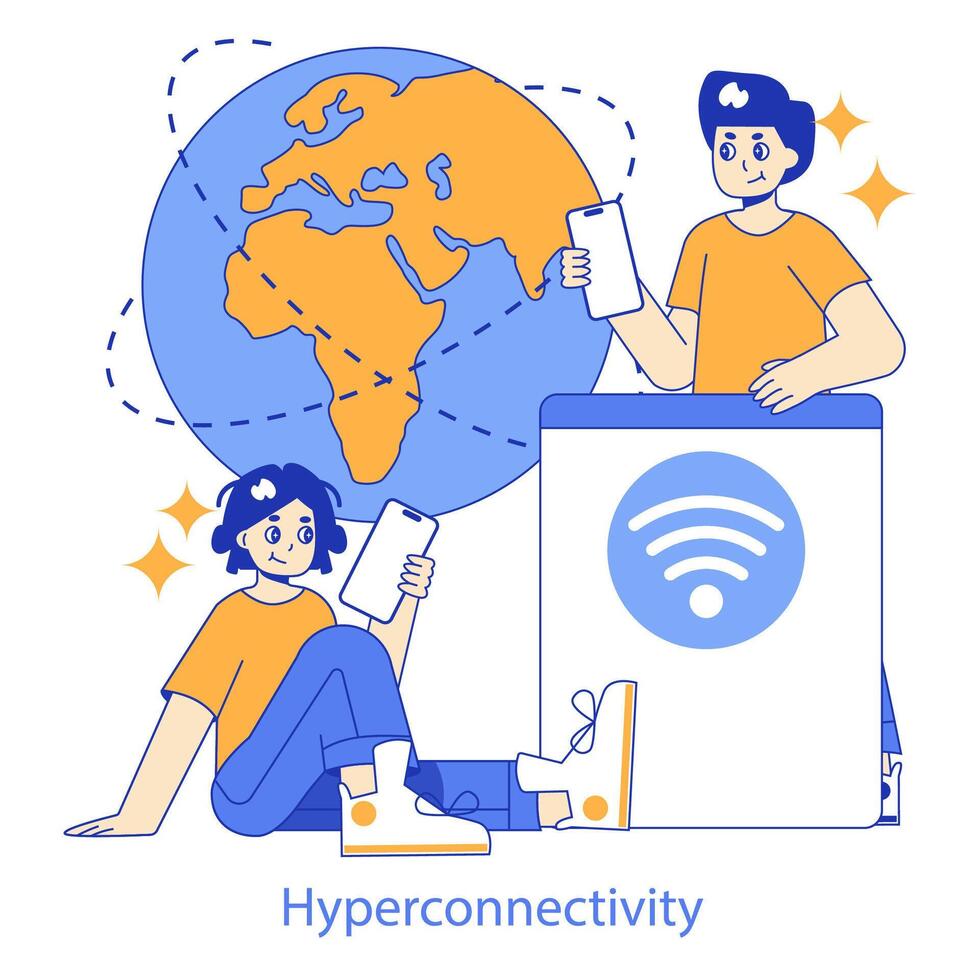
As we navigate the digital landscape of the 21st century, it is increasingly difficult to imagine a life without constant connectivity. The rapid advancement of information and communication technologies has led to a state of hyperconnectivity, where individuals are constantly linked to each other, information, and entertainment 24/7. While this has brought numerous benefits, such as improved collaboration and access to information, there are also several risks associated with hyperconnectivity that need to be acknowledged and addressed.
The Psychological Effects of Hyperconnectivity
Studies have shown that excessive screen time, a direct result of hyperconnectivity, is a growing concern in modern society. Excessive screen time contributes to increased sedentary behavior, potential hazards to physical health, and overall well-being. The constant stream of information and social media updates can also lead to anxiety, depression, and feelings of loneliness, even in times of high social interaction.
The consequences of hyperconnectivity can manifest in different ways. Digital fatigue, for instance, can lead to burnout, reduced productivity, and decreased job satisfaction. Furthermore, the digital tools that were meant to connect us have now become a source of captivity, particularly during times of exceptional stress, such as the COVID-19 pandemic.
The Risks of Digital Overload
One of the primary risks associated with hyperconnectivity is the overload of digital information. In an ecology of digital connectivity, self-objectification has become a normalized and mundane aspect of everyday life. This privatization of personal interactions and experiences can lead to feelings of isolation and disconnection, despite being in constant contact with others.

Moreover, the theft of information assets and the intentional disruption of online processes pose significant risks to individuals and organizations alike. Nearly two-thirds of companies across sectors and regions describe cyberattacks as a significant issue that could have major strategic implications.
Managing Hyperconnectivity
Given the multifaceted nature of hyperconnectivity, a balanced approach is necessary to mitigate its negative effects. This involves leveraging the benefits of digital connectivity while being aware of its impact on cognitive and mental health.
- Developing a framework for understanding the causes of emotional distress in a hyperconnected world
- Creating alternative and engaging lifestyles to moderate digital usage
- Slowing down the passage of time, enabling mental relaxation and restoration
- Promoting mindfulness and cultivating digital habits
Conclusion
Ultimately, understanding the risks of hyperconnectivity requires a multifaceted understanding of its many dimensions. As we navigate the ever-evolving digital landscape, it is crucial to recognize the potential hazards associated with hyperconnectivity and create practical strategies to manage its effects. By taking a proactive approach to hyperconnectivity, we can harness its benefits while preserving our mental and emotional well-being.




:max_bytes(150000):strip_icc()/methods-handling-risk-quick-guide.asp_final-c386ed66ca654c3f8d6d14db0818183b.jpg "Hyperconnectivity: Find your balance and limit its impact on your daily ...")