Practicing Mindfulness: A Guide to Cultivating Awareness and Wellbeing
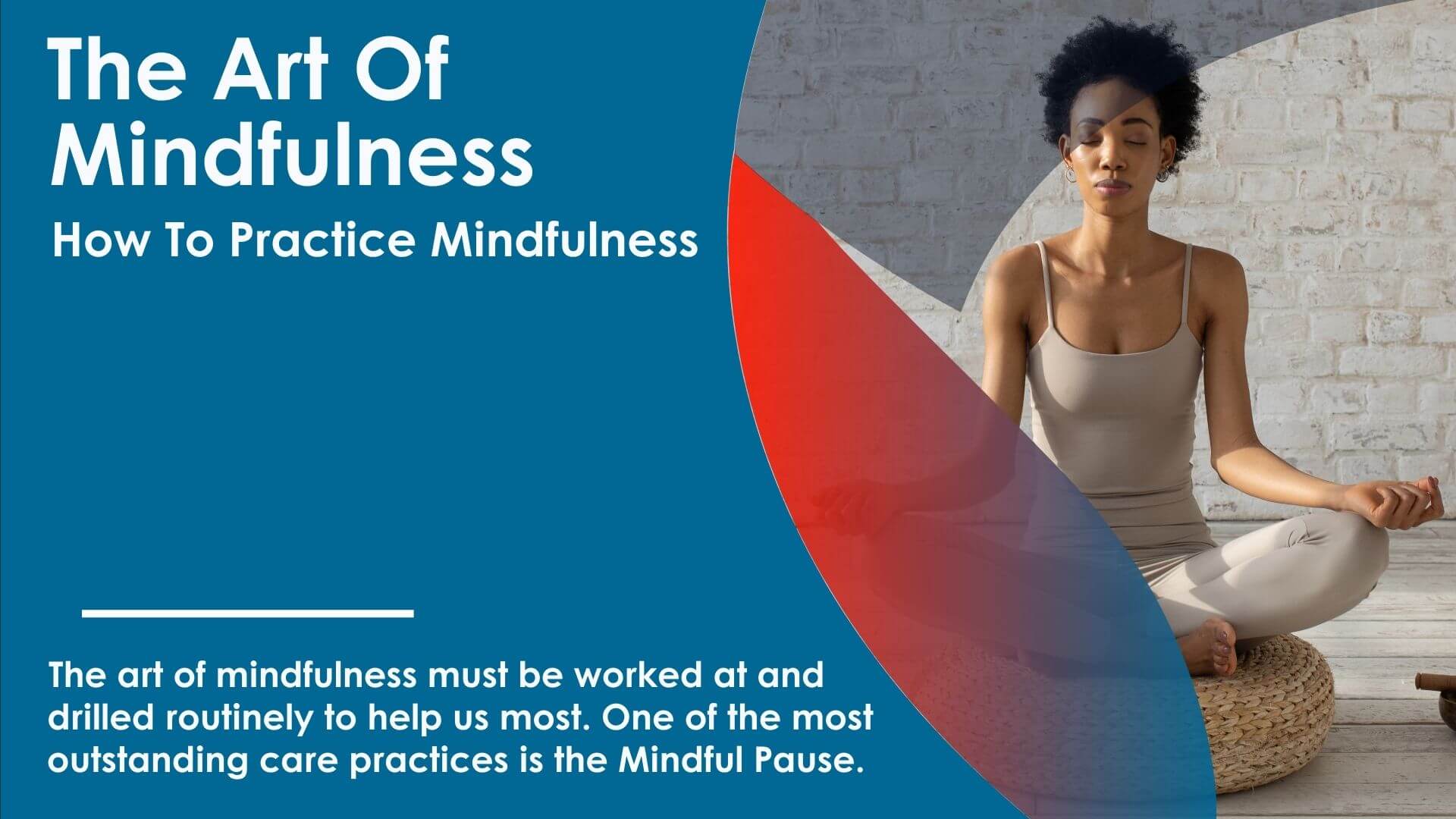
Learning how to practice mindfulness in your daily life can be a transformative experience. By cultivating mindfulness, you can reduce stress, improve focus, and enhance your overall wellbeing. In this article, we'll explore the concept of mindfulness, its benefits, and provide practical exercises and strategies to help you get started.
What is Mindfulness?
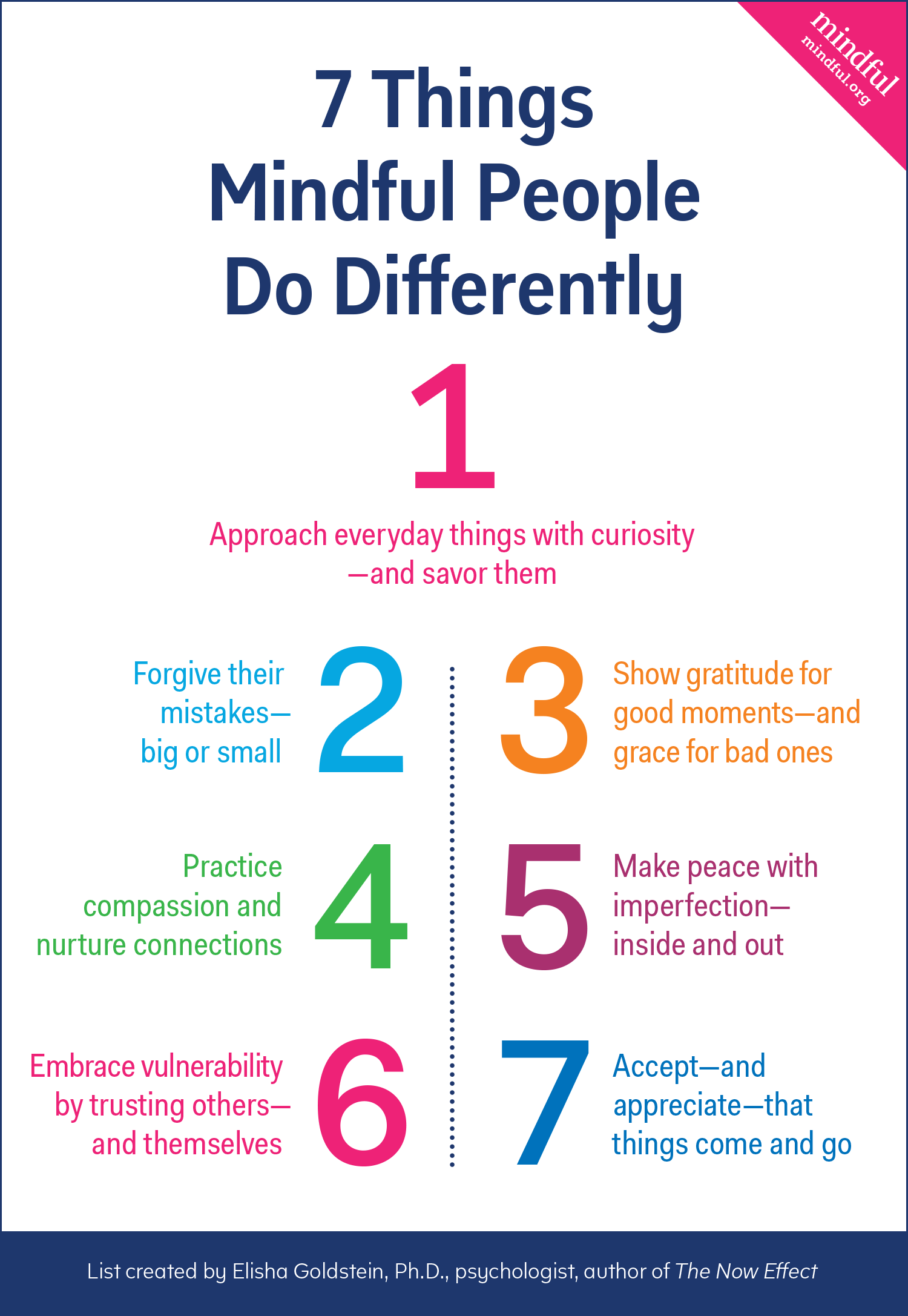
Mindfulness is a state of being present and fully engaged in the current moment, while letting go of distractions and judgments. It's a way of paying attention to your thoughts, feelings, body sensations, and surroundings without getting caught up in them. By being mindful, you can develop a greater awareness of your experiences and respond to situations more skillfully.
Benefits of Mindfulness
Research has shown that mindfulness can have a positive impact on both mental and physical health. Some benefits of mindfulness include:
- Reduced stress and anxiety
- Improved focus and concentration
- Enhanced emotional regulation
- Better sleep quality
- Increased self-awareness and self-acceptance
How to Practice Mindfulness
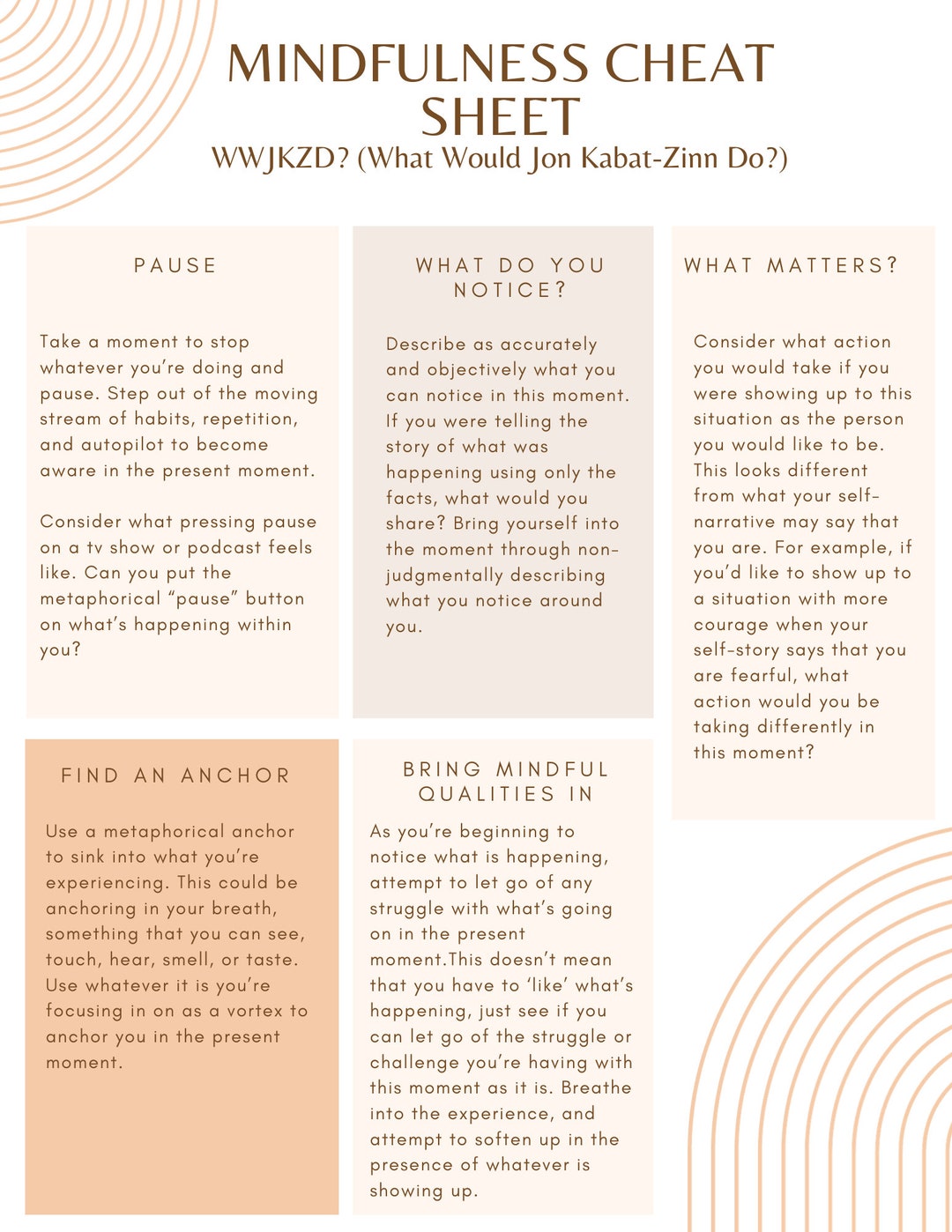
Practicing mindfulness can be as simple as taking a few deep breaths or paying attention to your surroundings. Here are some practical exercises to help you get started:

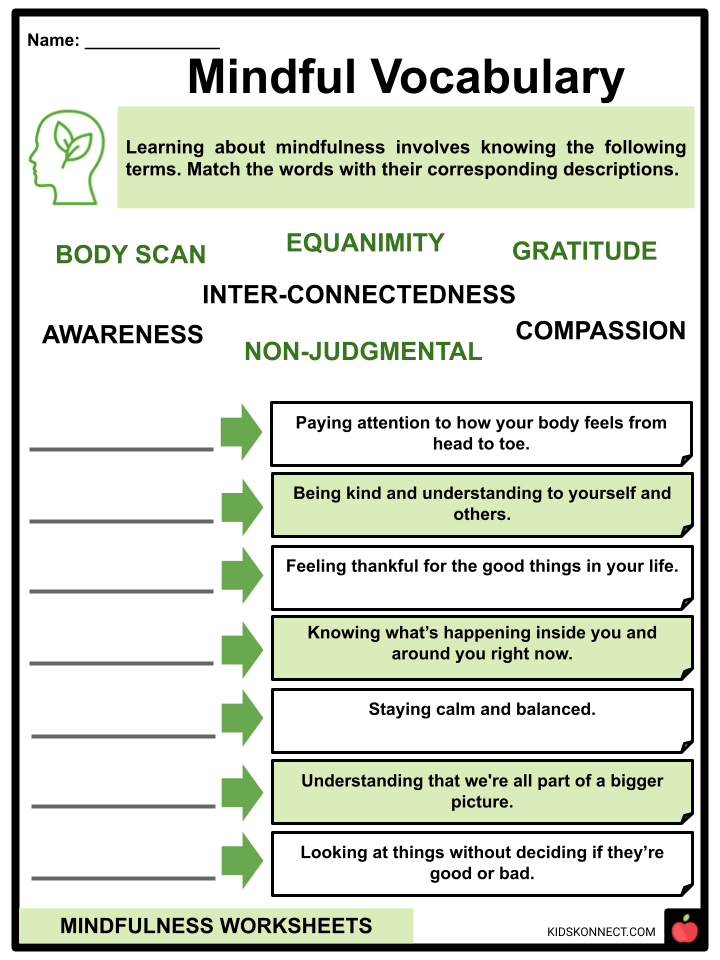
- Body Scan: Lie down or sit comfortably and bring your attention to different parts of your body, starting from your toes and moving up to the top of your head.
- Mindful Breathing: Focus on your breath, feeling the sensation of the air entering and leaving your nostrils. When your mind wanders, gently bring it back to your breath.
- Walking Meditation: Pay attention to your feet touching the ground, the sensation of each step, and the movement of your body as you walk.
- Mindful Listening: Focus on the sounds around you, noticing the different frequencies and volumes without judgment.
Creating a Mindfulness Practice
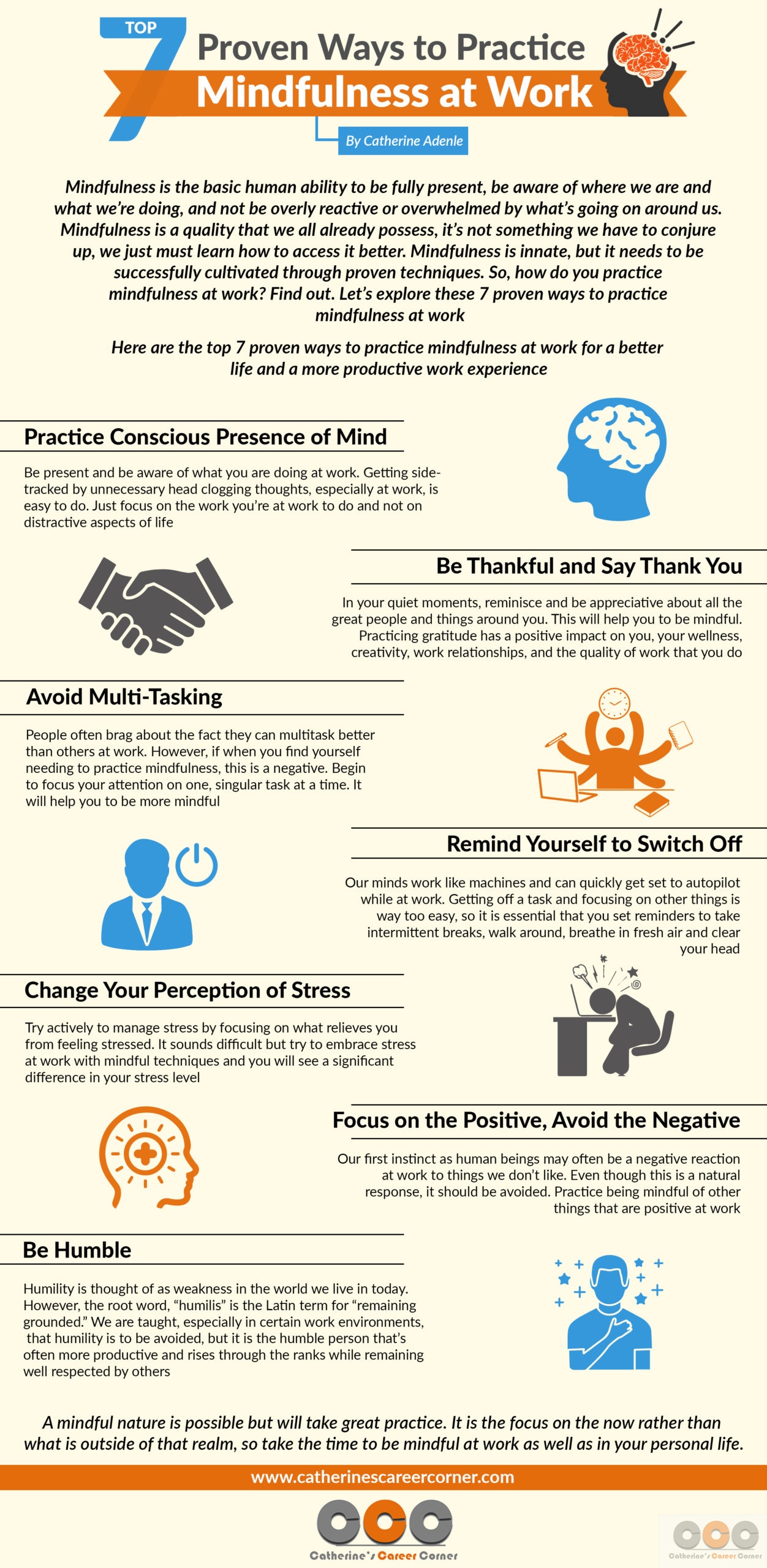
Establishing a regular mindfulness practice can be as simple as setting aside a few minutes each day to focus on your breath or body scan. You can also incorporate mindfulness into your daily activities, such as eating or showering, by paying attention to the sensations and experiences in the present moment.
Tips for Mindfulness Practice
Here are some additional tips to help you cultivate mindfulness in your daily life:
- Start small: Begin with short periods of mindfulness practice and gradually increase the duration.
- Be consistent: Aim to practice mindfulness at the same time each day to establish a habit.
- Be patient: Mindfulness is a skill that takes time to develop, so be patient with yourself and don't get discouraged if your mind wanders.
- Use reminders: Place sticky notes or reminders on your phone to remind you to practice mindfulness throughout the day.
Conclusion
Practicing mindfulness is a journey that requires patience, kindness, and compassion. By incorporating mindfulness into your daily life, you can develop greater awareness, reduce stress, and improve your overall well-being. Remember, mindfulness is not just a practice, but a way of living that can bring you greater fulfillment and joy. So, take a deep breath, start with small steps, and embark on this transformative journey of mindfulness.