Morning Sleepiness: Understanding the Causes and Solutions
Do you often wake up in the morning feeling tired and groggy, despite getting a full night's sleep? You're not alone. Morning sleepiness is a common phenomenon that affects millions of people worldwide. In this article, we'll delve into the causes of morning sleepiness, explore the underlying reasons, and provide practical tips to help you overcome it.
What is Morning Sleepiness?
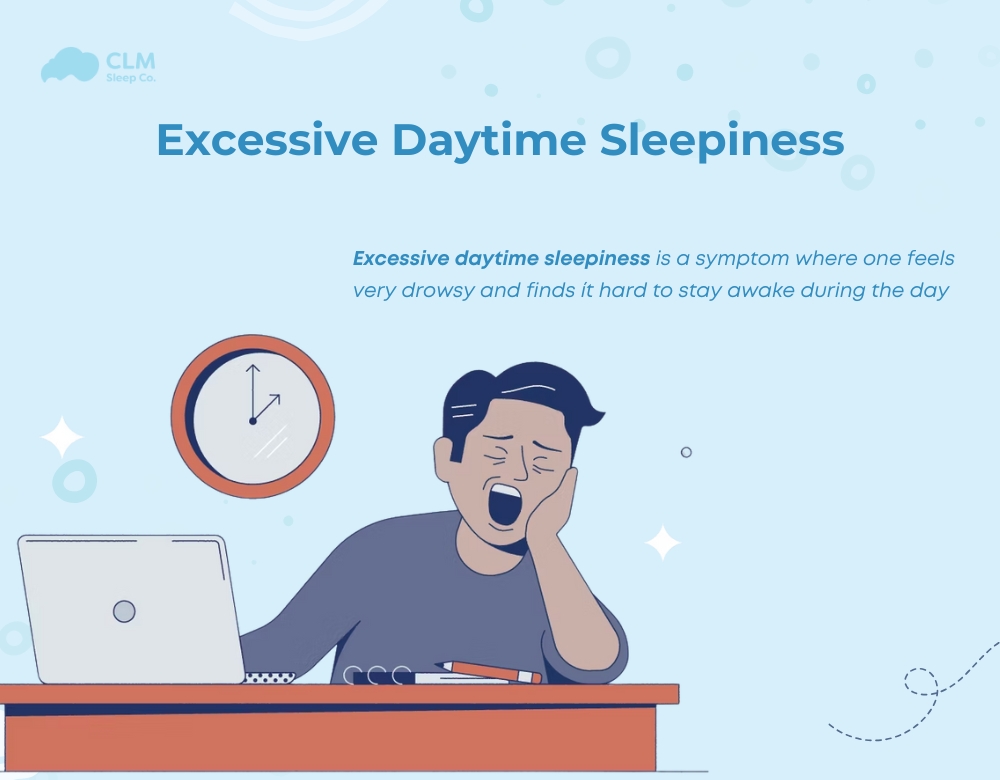
Morning sleepiness, also known as excessive daytime sleepiness (EDS), is a condition characterized by an overwhelming feeling of tiredness and drowsiness during the daytime, often when waking up in the morning. It can affect anyone, regardless of age, sex, or sleep habits, but is more common in people with sleep disorders, chronic health conditions, or medications that affect sleep.
Causes of Morning Sleepiness
While sleeping too little or getting poor quality sleep can contribute to morning sleepiness, there are many other underlying causes. Some of the most common reasons include:
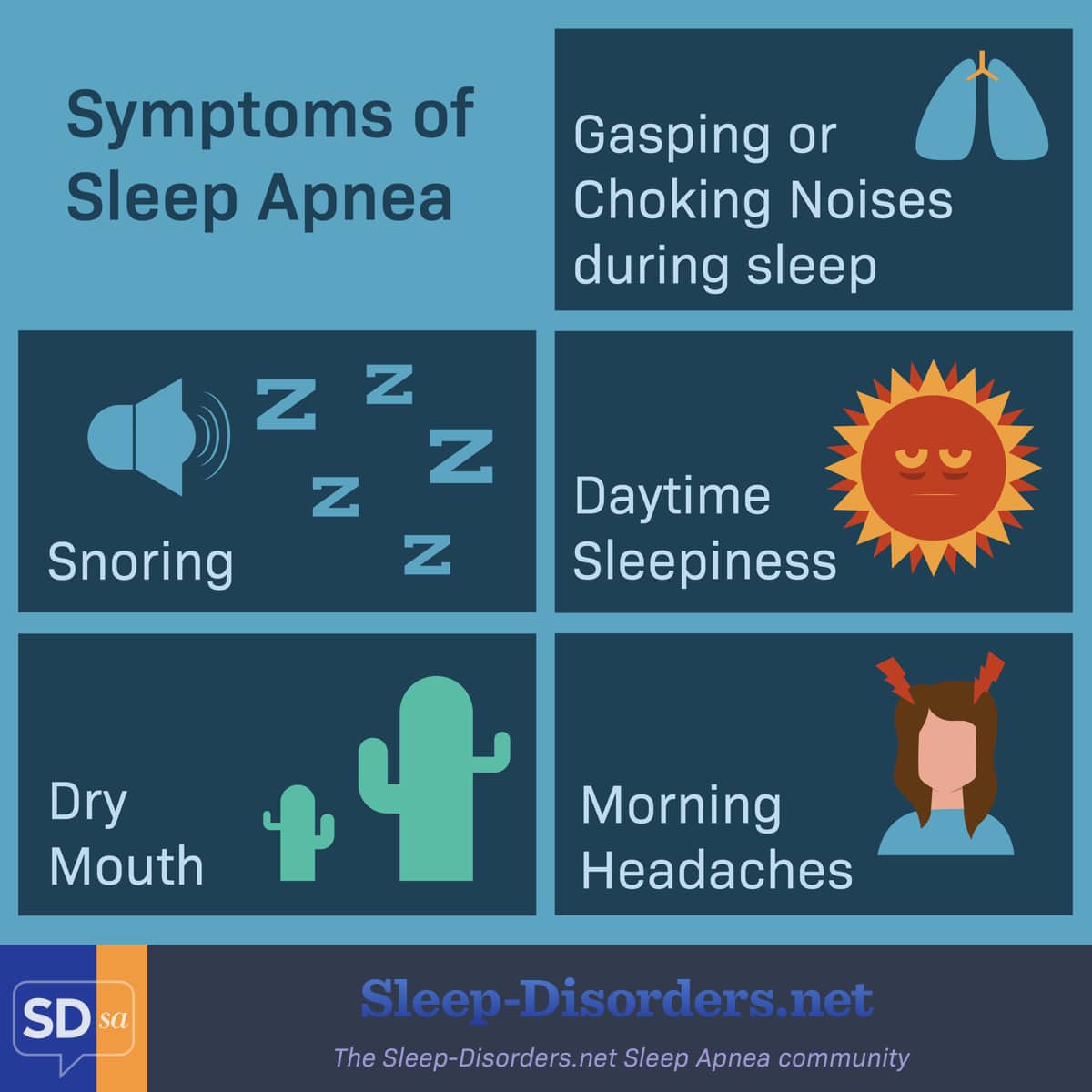
- Sleep Disorders: Sleep apnea, narcolepsy, and restless leg syndrome can lead to excessive daytime sleepiness.
- Medications and Substance Abuse: Certain medications, such as sedatives, antidepressants, and blood pressure medications, can cause morning sleepiness.
- Chronic Health Conditions: Diabetes, hypertension, and cardiovascular disease can disrupt sleep patterns and lead to morning sleepiness.
- Mental Health Conditions: Depression, anxiety, and stress can make it difficult to fall asleep or stay asleep, causing morning sleepiness.
- Lifestyle Factors: Poor sleep hygiene, irregular sleep schedules, and inadequate physical activity can contribute to morning sleepiness.
- Environmental Factors: Exposure to bright lights, loud noises, or extreme temperatures can disrupt sleep and lead to morning sleepiness.

Practical Tips to Overcome Morning Sleepiness
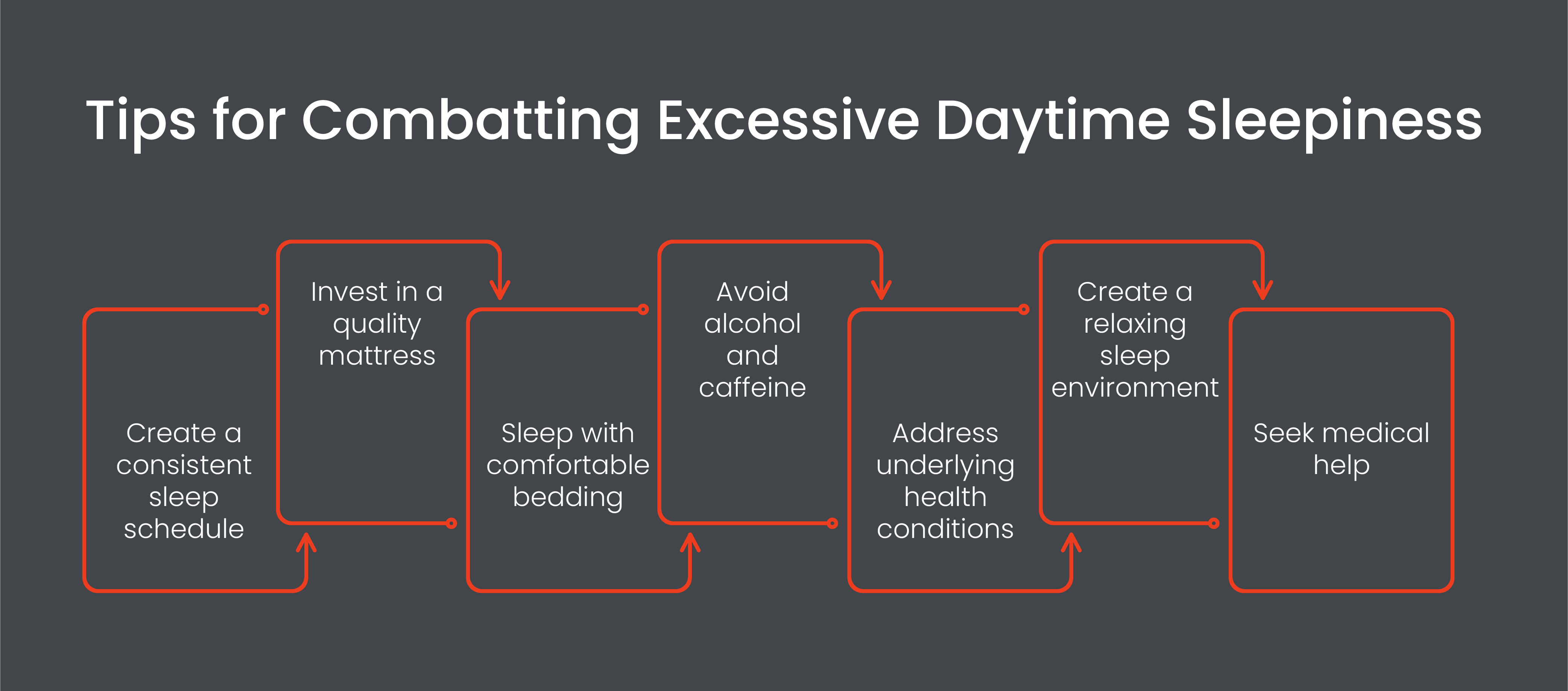
While it's essential to address the underlying causes of morning sleepiness, there are some practical tips to help you feel more alert and energized in the morning:
- Establish a Consistent Sleep Schedule: Go to bed and wake up at the same time every day, including weekends.
- Improve Sleep Quality: Create a sleep-conducive environment, avoid caffeine and electronics before bedtime, and engage in relaxing activities before sleep.
- Exercise Regularly: Engage in physical activity, such as walking or yoga, to help regulate your circadian rhythms and improve sleep quality.
- Get Morning Sunlight Exposure: Exposure to natural light in the morning helps regulate your internal clock and can help you feel more alert.
- Practice Relaxation Techniques: Engage in activities that help you relax, such as meditation, deep breathing, or progressive muscle relaxation.
- Limit Naps: Take short naps earlier in the day, but avoid napping close to bedtime, as it can disrupt your ability to sleep.
Conclusion
Morning sleepiness can be a challenging and frustrating condition, but it's essential to address the underlying causes. By understanding the causes of morning sleepiness, implementing practical tips, and making lifestyle changes, you can overcome it and start your day feeling more energized and focused. If you're struggling with persistent morning sleepiness, consult with a healthcare professional to rule out underlying sleep disorders or other health conditions.