Preventing Malware from Executing on Windows 7:
As a user of Windows 7, you're aware that the operating system has reached its end-of-life and no longer receives security patches. This makes it an attractive target for malware creators who seek to exploit vulnerabilities in the system. In this article, we'll explore ways to prevent malware from executing on Windows 7 and keep your PC safe from potential threats.
Why Prevention is Key
Malware can be devastating to your PC, causing data loss, system crashes, and potentially leading to identity theft. The cost of removing malware can be significant, not to mention the time and effort required to recover from an infection. By taking proactive steps to prevent malware from executing on Windows 7, you can minimize the risks associated with these threats and keep your PC running smoothly.
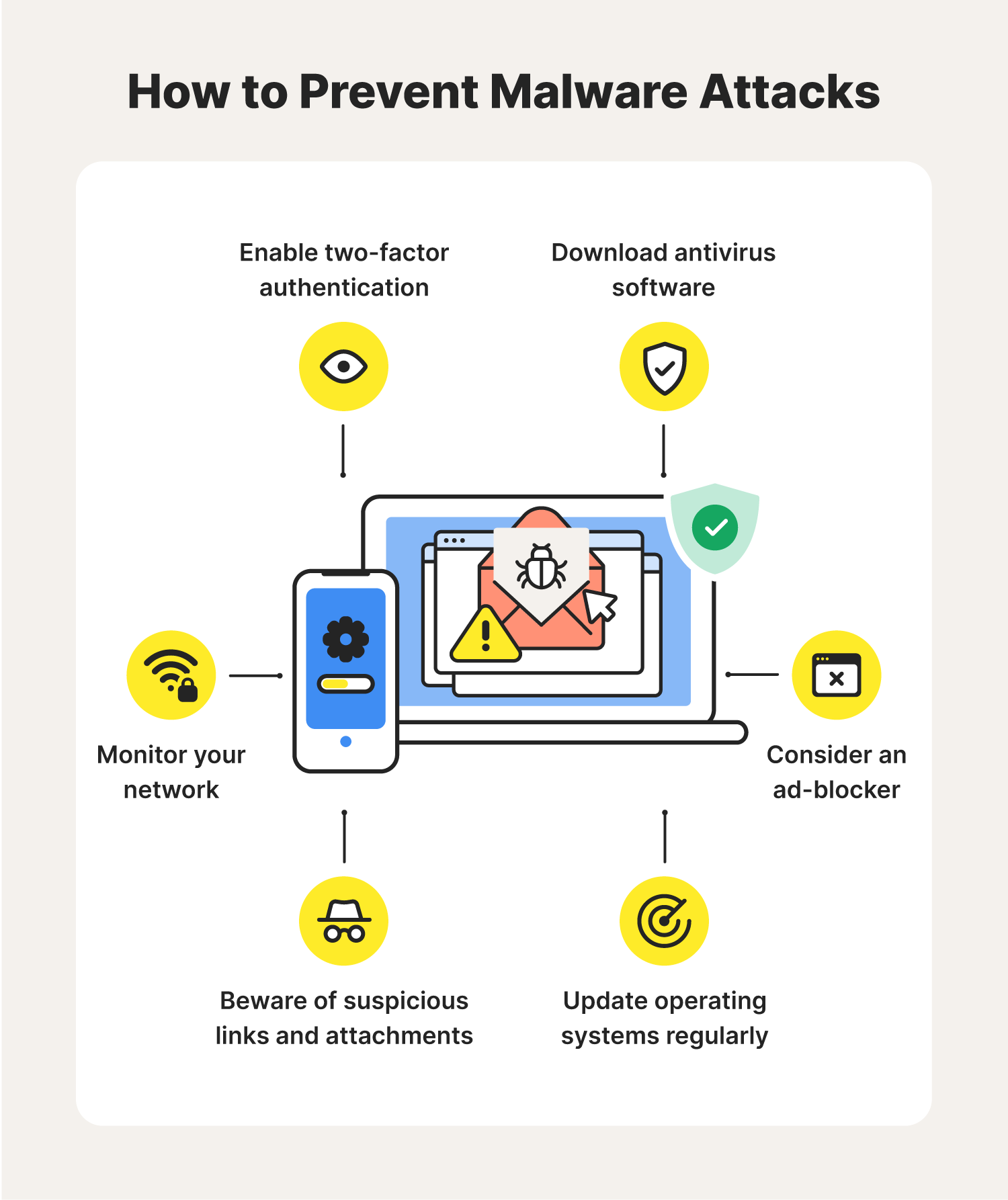
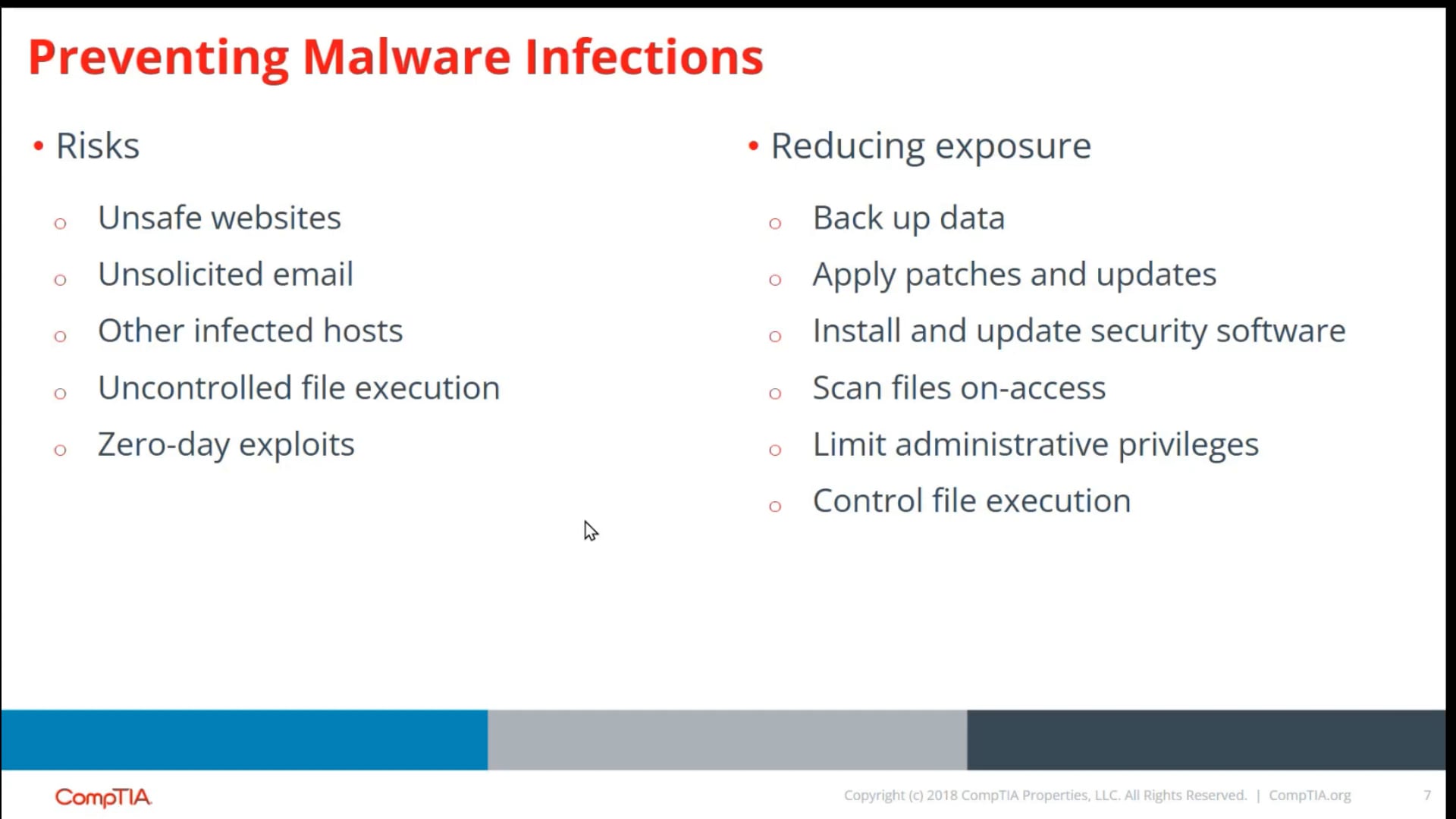
Update Your Antivirus Software
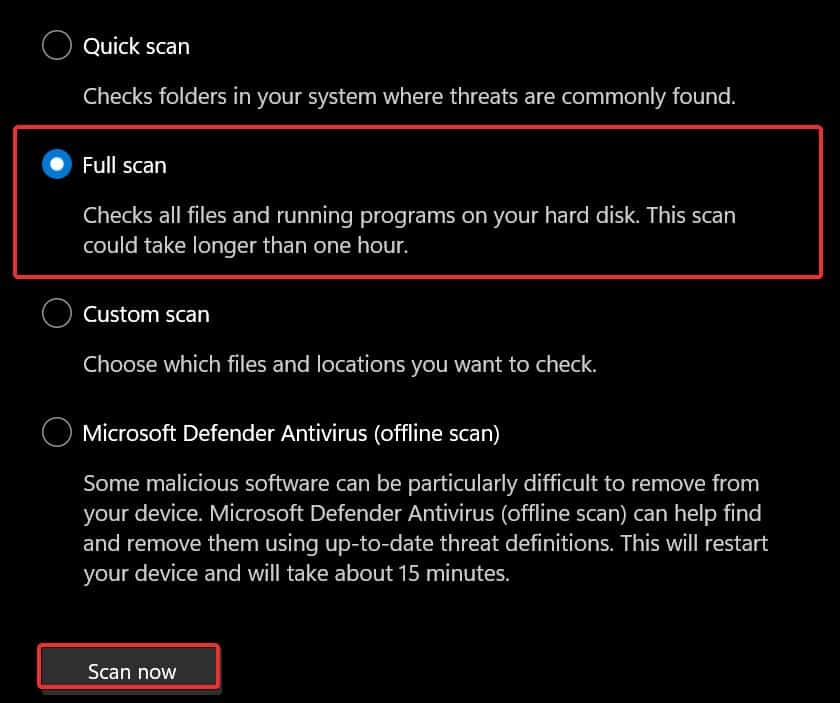
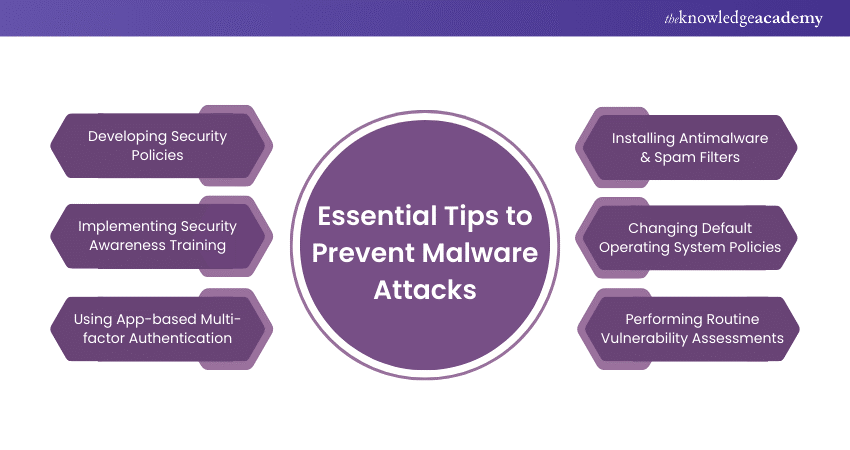
First and foremost, ensure you're running up-to-date antivirus software on your Windows 7 PC. While the operating system itself is no longer supported, your antivirus software should continue to receive updates. This will provide an additional layer of protection against known malware threats. Consider upgrading to a third-party antivirus solution if your current software is outdated or no longer compatible with Windows 7.
- Run regular scans to detect and remove malware
- Enable real-time protection to block malware in real-time
- Consider using a security suite that includes additional features like firewall protection and anti-ransomware capabilities
Be Cautious with Email and Attachments
Phishing emails and malicious attachments are common vectors for malware distribution. Be cautious when opening links or attachments from unknown sources, and avoid clicking on suspicious emails or pop-ups that prompt you to download software or provide sensitive information.
- Verify the sender's email address and look for spelling or grammatical errors
- Avoid clicking on links or downloading attachments from unknown sources
- Use a reputable email client or service that provides built-in spam filtering and malware detection
Use a Firewall and Whitelist Trusted Programs
Enabling the Windows Firewall on your Windows 7 PC can help block unauthorized access to your system and prevent malware from executing. Additionally, consider whitelisting trusted programs to ensure that only authorized applications can run on your PC.
- Enable the Windows Firewall to block incoming and outgoing connections
- Configure the firewall to allow specific programs and services to communicate
- Create a whitelist of trusted programs to prevent unknown applications from running
Use Strong Passwords and Enable Two-Factor Authentication
Weak passwords and lack of two-factor authentication (2FA) can provide an entry point for malware creators. Use strong, unique passwords for all accounts, and consider enabling 2FA whenever possible. This will add an additional layer of security to your PC and prevent unauthorized access.
- Use a password manager to generate and store strong, unique passwords
- Enable 2FA for all accounts, including email, banking, and social media
- Regularly update your passwords to ensure that old credentials are not compromised
Keep Your PC Up-to-Date with the Latest Patches
While Windows 7 is no longer supported, you can still keep your PC up-to-date with the latest patches. This will help fix known vulnerabilities and prevent exploitation by malware creators.
- Download and install the latest service packs and hotfixes for Windows 7
- Use a third-party patching tool to ensure you receive updates for known vulnerabilities
- Regularly scan your PC for outdated software and operating system components
Use a Virtual Machine or Sandbox
A virtual machine or sandbox can provide a safe environment for testing suspicious files or programs. This will prevent malware from executing on your main system and minimize the risks associated with infection.
- Download and install a virtual machine or sandbox software
- Test suspicious files or programs in the virtual environment
- Use a reputable antivirus solution to scan the virtual environment for malware