Take a Screenshot on Mac with Timestamp: A Step-by-Step Guide
If you're a Mac user, you've probably taken a screenshot or two (or hundred) to capture a moment, save an image, or document a technical issue. But did you know that you can take a screenshot on Mac with a timestamp, making it easier to track and manage your screenshots? In this article, we'll show you how to take a screenshot on Mac with a timestamp and provide you with alternative methods for capturing images without third-party apps.
Method 1: Take a Screenshot with Timestamp
By default, when you take a screenshot on Mac, the image is saved with a default filename, such as "ScreenShot[date] at [time].png." However, if you're using macOS Mojave (10.14) or later, you might notice that the timestamp is appended to the filename. To take a screenshot with a timestamp, follow these steps:
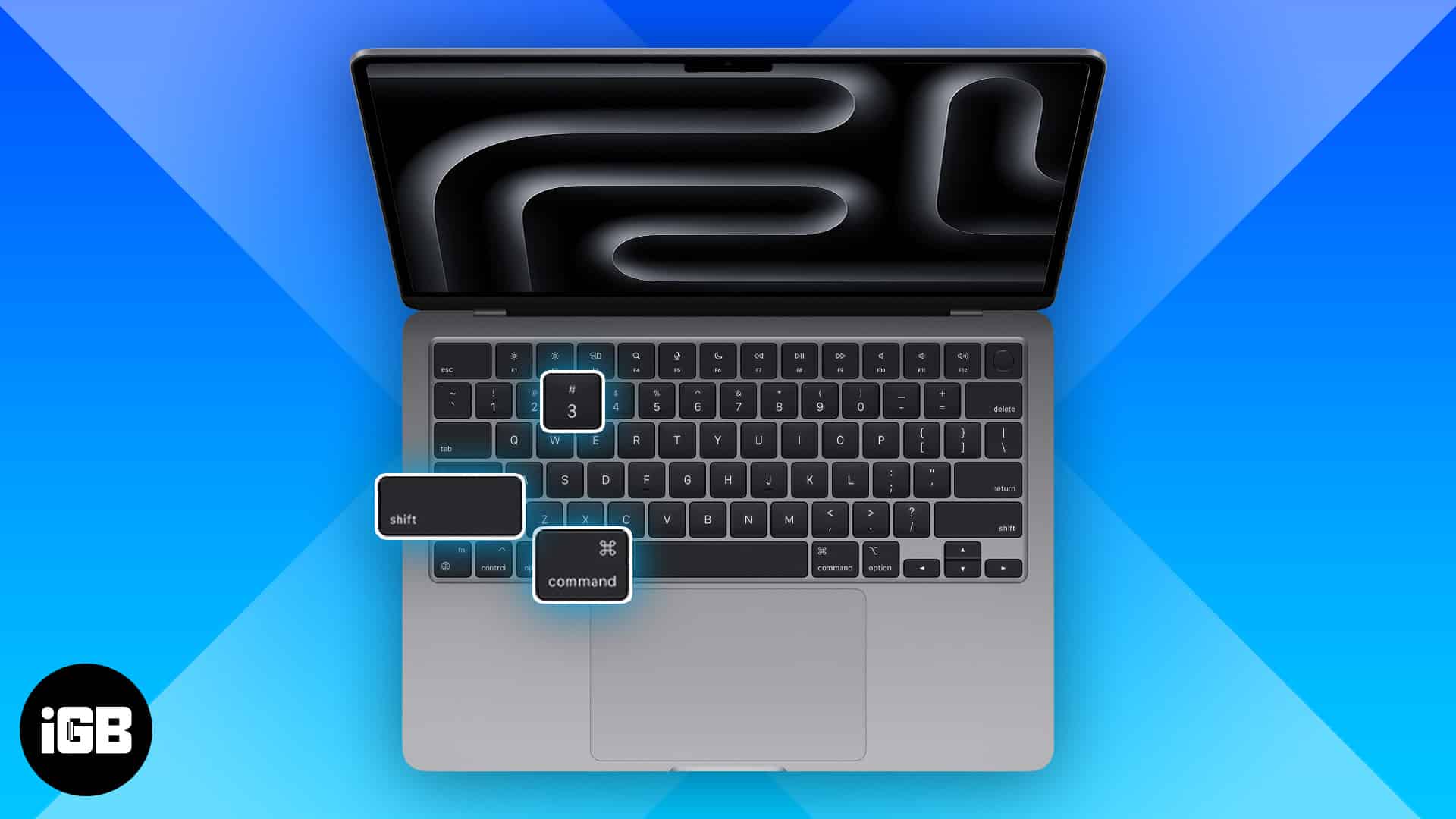
- Press the Shift, Command, and 3 keys at the same time to capture the entire screen.
- Release the keys when the screenshot is captured.
- Check your desktop for the screenshot. It should have a timestamp in the filename.
Why Does macOS Add Timestamp to Screenshot File Names?
The reason macOS adds a timestamp to screenshot file names is to provide a unique identifier for each screenshot. This makes it easier to track and manage your screenshots, especially when you take multiple screenshots in a short period.
Alternative Methods for Taking Screenshots on Mac
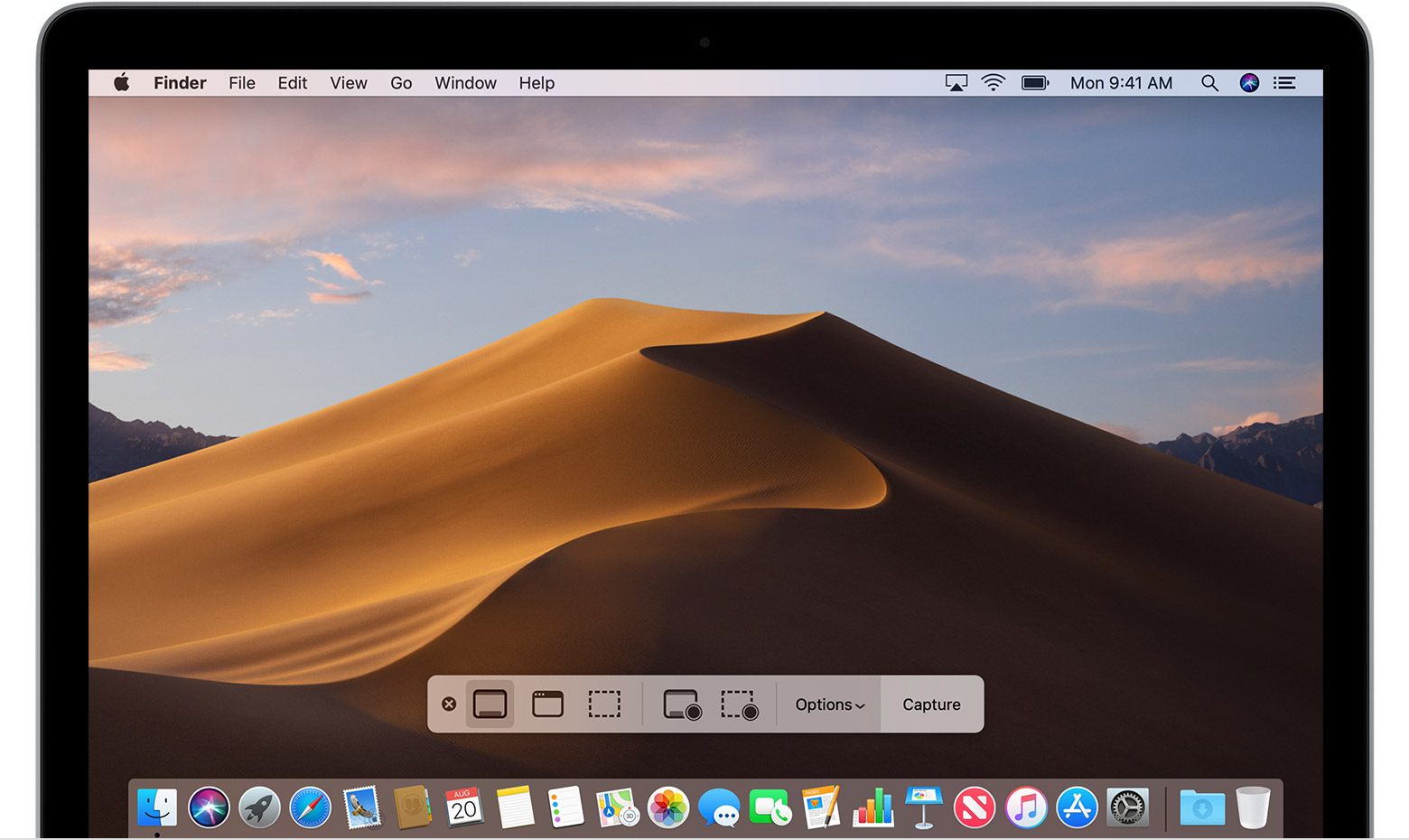
While the Shift, Command, and 3 keys are the default screenshot shortcut, you can also use other methods to capture images on your Mac. For example, you can take a screenshot of a window or menu by pressing Shift, Command, and 4, followed by Space, and then clicking on the window or menu. Alternatively, you can use the Screenshot app, which provides a panel of tools for easily taking screenshots and screen recordings.
Remove Timestamp from Screenshot File Names (Optional)
If you prefer not to have a timestamp in your screenshot file names, you can remove it by following these steps:
- Open the Terminal app on your Mac.
- Copy and paste the following command: `defaults write com.apple.screencapture include-date -bool false`
- Press Enter to execute the command.
- Restart the Screenshot app or wait for the changes to take effect.
Conclusion
Taking a screenshot on Mac with a timestamp is a simple and effective way to capture images and track your screenshots. By following the steps outlined in this article, you can easily take a screenshot with a timestamp and manage your screenshots like a pro. Plus, you'll learn some alternative methods for taking screenshots on Mac without third-party apps.
Additional Tips and Resources
For more information on taking screenshots on Mac, check out the following resources:
- Take a screenshot on your Mac from Apple Support.
- How to take a screenshot on Mac from MacPaw.
- How to take a screenshot on Mac from Setapp.