Understanding Media Deprivation: A Path to a Healthier Relationship with Media
In today's digital age, it's easy to get sucked into the vortex of social media, television, and other forms of media. We spend countless hours scrolling through our feeds, watching our favorite shows, and listening to podcasts. But what happens when we take a step back and deprive ourselves of this media? The concept of media deprivation, or "media deprivation week," has gained popularity in recent years as a way to detox from the constant stream of information and reconnect with ourselves and the world around us.
The Benefits of Media Deprivation
Media deprivation can have a profound impact on our mental and emotional well-being. By removing ourselves from the constant barrage of stimuli, we can quiet the mind, reduce stress and anxiety, and increase our focus and creativity. In a study published in the Journal of Adolescent Health, researchers found that adolescents who participated in a media deprivation program showed significant improvements in their mental health, including reduced symptoms of depression and anxiety.
- Improved mental health: Media deprivation has been shown to reduce symptoms of depression and anxiety in both adolescents and adults.
- Increased focus and creativity: By removing ourselves from the constant stream of information, we can quiet the mind and increase our focus and creativity.
- Reduced stress and anxiety: Media deprivation can help to reduce stress and anxiety by giving us a break from the constant stimuli of modern life.
- Improved relationships: By removing ourselves from the virtual world, we can focus on building meaningful relationships with the people in our lives.
What is Media Deprivation?
Media deprivation is the act of depriving oneself of all forms of media for a period of time, typically ranging from a few days to a week. This can include everything from social media and television to reading and online browsing. The idea behind media deprivation is to give ourselves a break from the constant stream of information and to focus on our inner lives.
How to Practice Media Deprivation

Practicing media deprivation is easier than you might think. Here are a few tips to get you started:
- Set a goal:** Decide how long you want to practice media deprivation for and set a goal. This can be as short as a day or as long as a week.
- Remove distractions:** Remove all forms of media from your home, including television, computers, and smartphones.
- Find alternative activities:** Replace media consumption with alternative activities such as reading, exercise, or spending time with friends and family.
- Be consistent:** Stick to your goal and avoid giving in to the temptation to check your phone or watch TV.
The Challenges of Media Deprivation
While media deprivation can have many benefits, it can also be challenging. Here are a few common challenges that people face when practicing media deprivation:
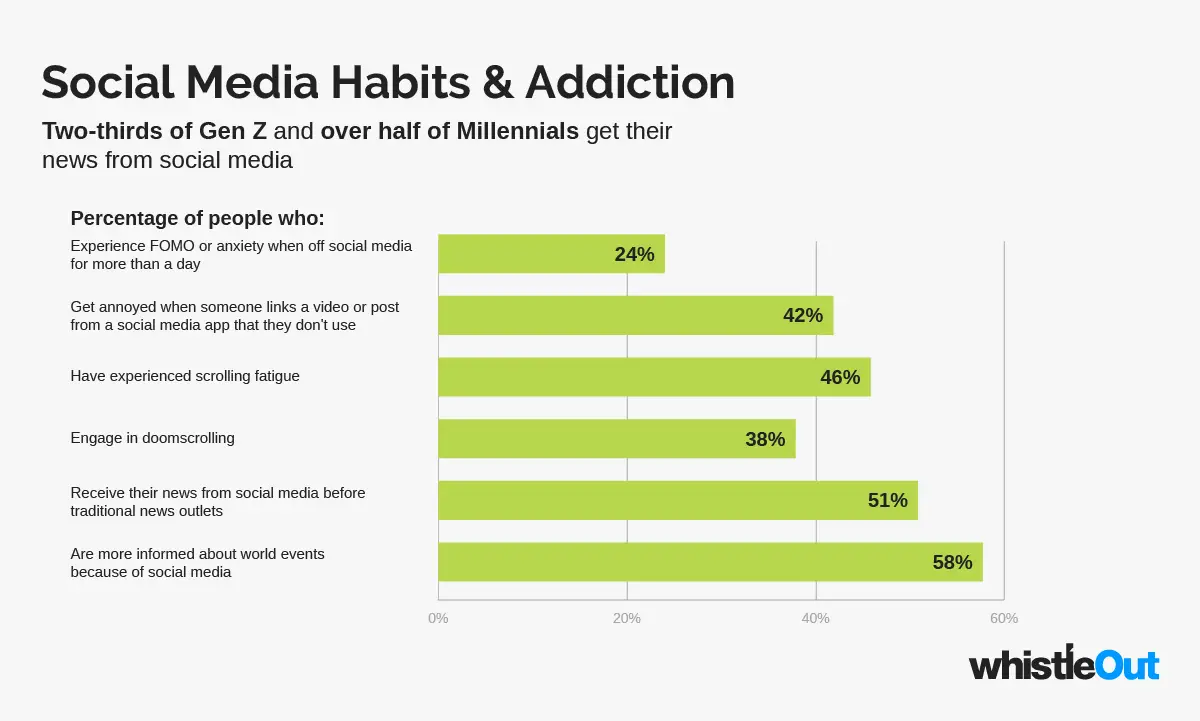
- FOMO (Fear of Missing Out):** Many people feel anxious about missing out on important events or news while they are practicing media deprivation.
- Boredom:** Without the constant stream of entertainment, people may feel bored or restless.
- Withdrawal:** Some people may experience withdrawal symptoms, such as headaches or irritability, when they remove themselves from the constant stream of media.
Conclusion
Media deprivation is a powerful tool for improving our mental and emotional well-being. By removing ourselves from the constant stream of information, we can quiet the mind, reduce stress and anxiety, and increase our focus and creativity. While it can be challenging, the benefits of media deprivation make it well worth the effort. So why not give it a try? Set a goal, remove distractions, and find alternative activities to focus on your inner life.