How to Overcome Information Overload: A Comprehensive Guide
Information overload is a common phenomenon in today's digital age, where we're constantly bombarded with a vast amount of information from various sources. This can lead to feelings of stress, anxiety, and overwhelm, ultimately affecting our productivity and well-being.
What is Information Overload?
Information overload occurs when we're exposed to more information than our brains can realistically process. It's not just about the volume of content; it's also about the relentless pace, emotional intensity, and the feeling that we must stay constantly updated or risk missing something critical.
Causes of Information Overload
- Excessive use of social media and online platforms
- Overwhelming amount of emails, messages, and notifications
- Constant stream of news, updates, and trends
- Insufficient information management and organization
- Difficulty in filtering and prioritizing important information
Effects of Information Overload
Information overload can have severe consequences on our mental and physical health, including:
- Stress and anxiety
- Decreased productivity
- Reduced focus and concentration
- Increased burnout and fatigue
- Difficulty in making decisions and consuming information effectively
Strategies to Overcome Information Overload
Luckily, there are several ways to combat information overload and regain control over our lives:
1. Prioritize and Focus on Important Information
Identify the most critical information and prioritize it accordingly. Use tools like email filters, news aggregators, and social media management apps to streamline your information consumption.
2. Develop a Personal Information Management System
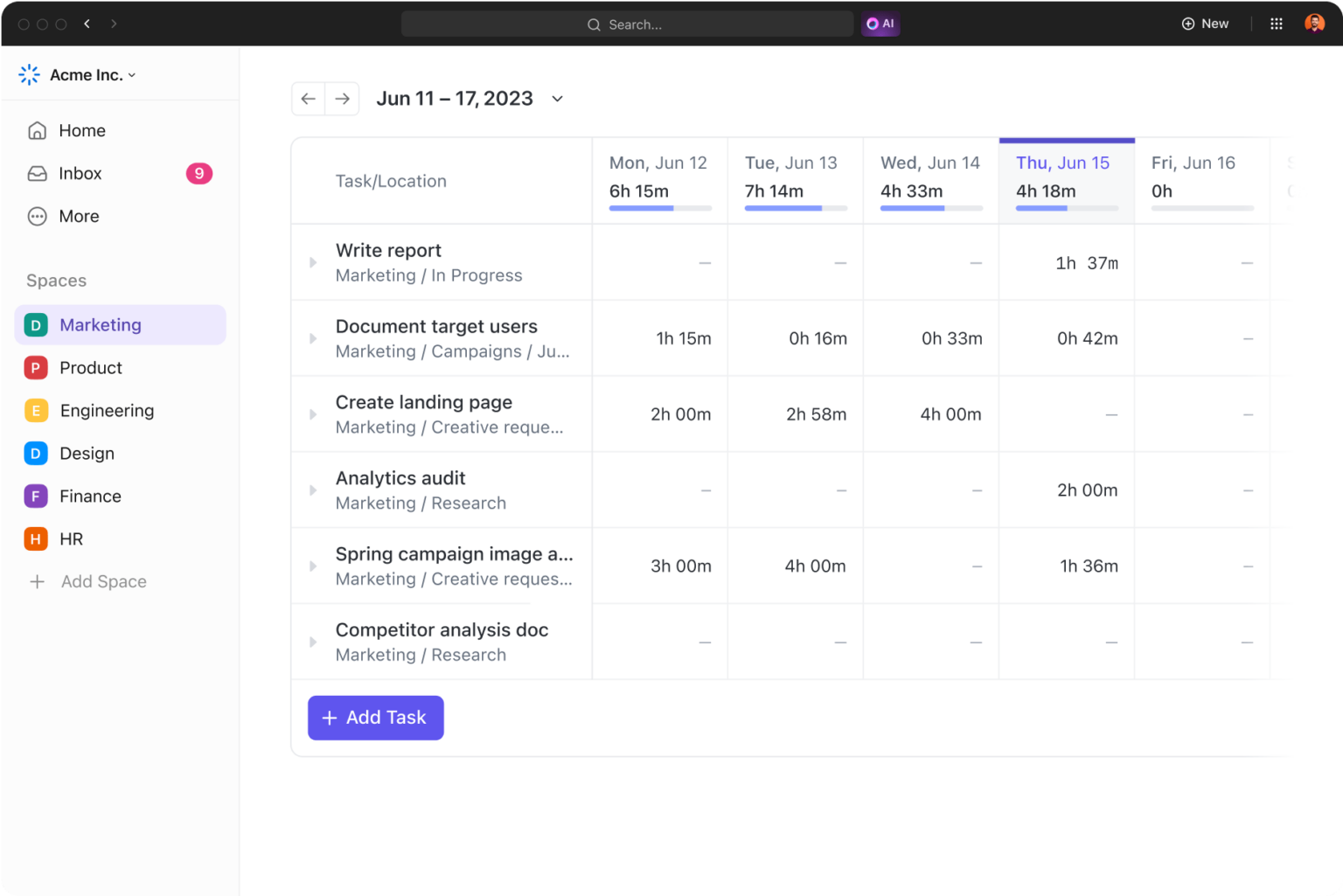
Establish a structured approach to managing your information, including digital systems like email clients, note-taking apps, and task management tools. Set up routines and habits to maintain organization and clarity.
3. Learn to Say No and Set Boundaries
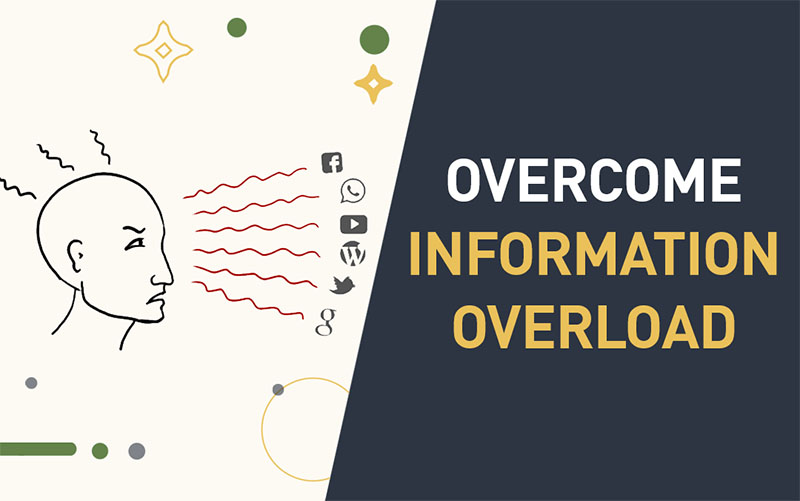
Don't let others dictate the amount of information you consume. Set clear boundaries and communicate your needs effectively. Learn to say no to non-essential information and politely decline invitations to engage in conversations that feel overwhelming.
4. Take Breaks and Practice Self-Care
Regularly take time off from information sources and engage in relaxing activities that rejuvenate your mind and body. Practice self-care by setting aside time for activities that bring you joy and help you recharge.
5. Seek Help and Support
Don't be afraid to ask for help when struggling with information overload. Seek support from friends, family, or professionals who can offer guidance and assistance in managing your information effectively.
6. Stay Up-to-Date with the Latest Tools and Strategies
Stay informed about the latest tools, techniques, and best practices for managing information overload. Continuously update your knowledge and skills to stay ahead of the curve.
Conclusion
Information overload is a pervasive problem in today's digital age. By understanding its causes, effects, and strategies for overcoming it, we can take control of our lives, regain our focus, and achieve our goals. Remember to prioritize your well-being, develop a personal information management system, and seek help when needed. By doing so, you'll be better equipped to navigate the digital world and achieve success in your personal and professional life.
Additional Resources
If you're struggling with information overload, consider exploring the following resources:
- Sheena Iyengar's expert strategies on managing information overload
- Slack's guide on staying focused at work with expert strategies
- Read Daniel Levitin's book, "The Organized Mind," for tips on overcoming procrastination
- Discover effective strategies to combat information overload in the workplace with our step-by-step guide
Getting Started
Take the first step towards overcoming information overload by identifying the most critical information sources affecting your life. Set a goal to reduce your exposure to unnecessary information and focus on the tasks that truly matter.