Unlocking Digital Rights Management (DRM) Security: A Comprehensive Guide
As digital content continues to proliferate across various platforms, the need for robust security measures to protect intellectual property has become paramount. Digital Rights Management (DRM) security is a set of technologies, policies, and processes designed to control the use, distribution, and access to digital content. In this article, we will delve into the world of DRM security, exploring its key concepts, benefits, and strategies for compliance.
What is Digital Rights Management (DRM) Security?
DRM security is a digital protection mechanism that prevents unauthorized copying, sharing, and distribution of digital content. It ensures that digital assets are securely controlled and monitored, preventing piracy and intellectual property theft. The primary objective of DRM security is to protect the rights of content creators and owners while providing users with a seamless and secure experience.
Key Concepts and Benefits of DRM Security
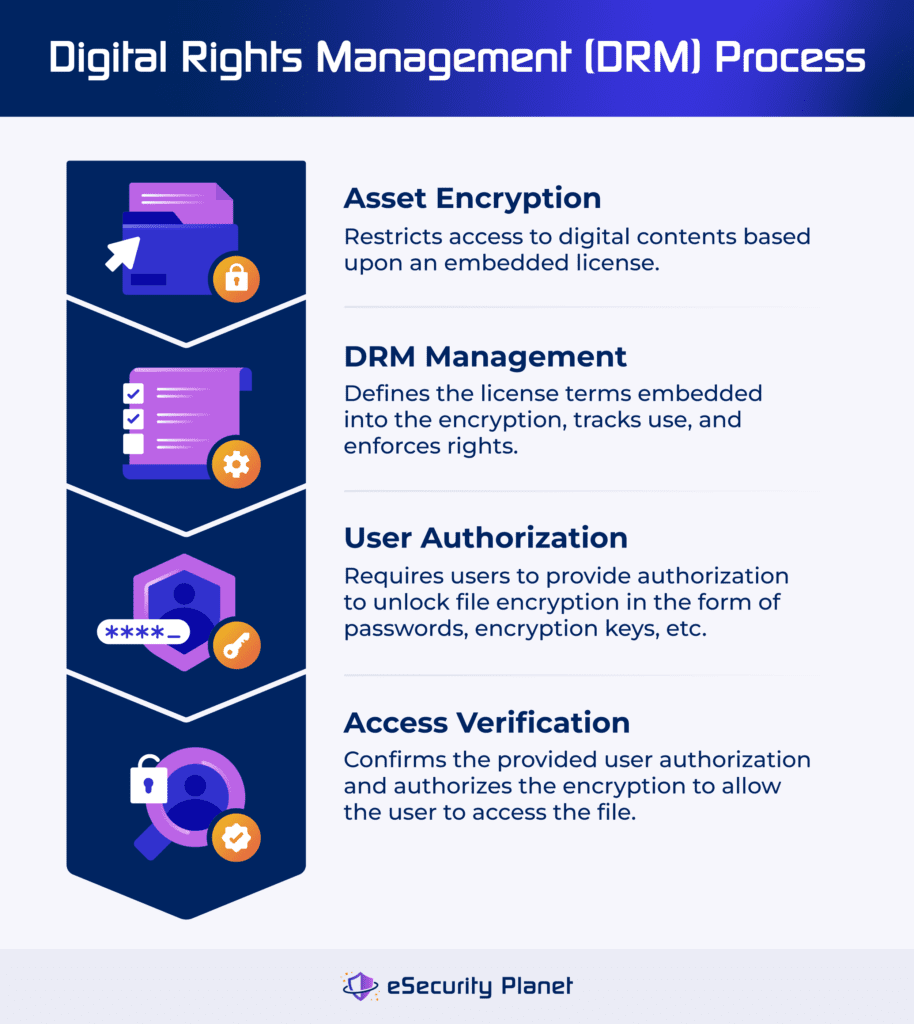
- Access Control**: DRM security allows content owners to control who can access their digital content, when, and how.
- Content Encryption**: DRM security encrypts digital content, making it unreadable without the correct decryption keys.
- Watermarking**: DRM security adds invisible watermarks to digital content, enabling content owners to track its use and distribution.
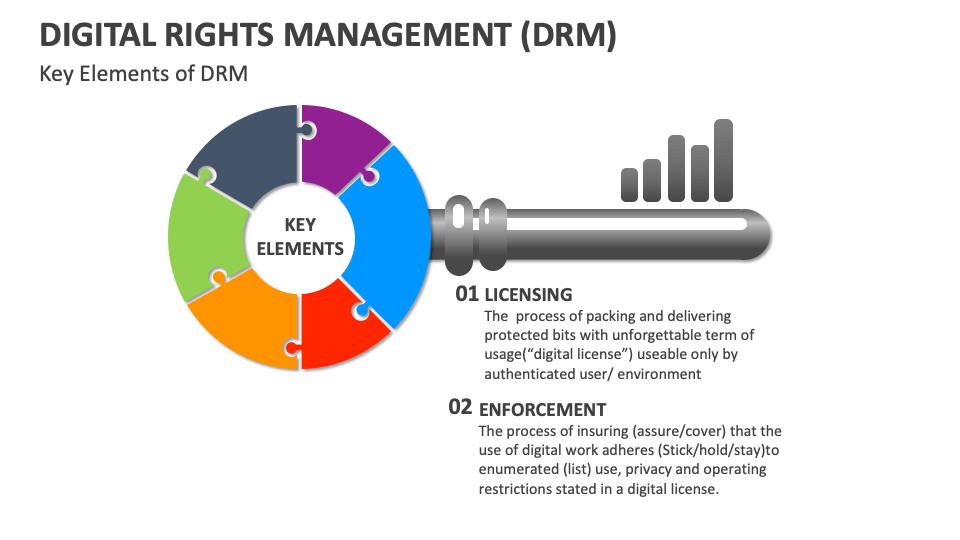
- Licensing Agreements**: DRM security facilitates the creation and management of licensing agreements, ensuring that users comply with content usage policies.
The benefits of DRM security include:
- Prevents Piracy**: DRM security prevents unauthorized copying, sharing, and distribution of digital content.
- Ensures Revenue Protection**: DRM security protects revenue streams by preventing content theft and piracy.
- Compliance with Regulations**: DRM security facilitates compliance with licensing agreements and regulations. li>Improved User Experience**: DRM security provides users with a seamless and secure experience, enhancing their overall satisfaction.
Strategies for DRM Security Compliance
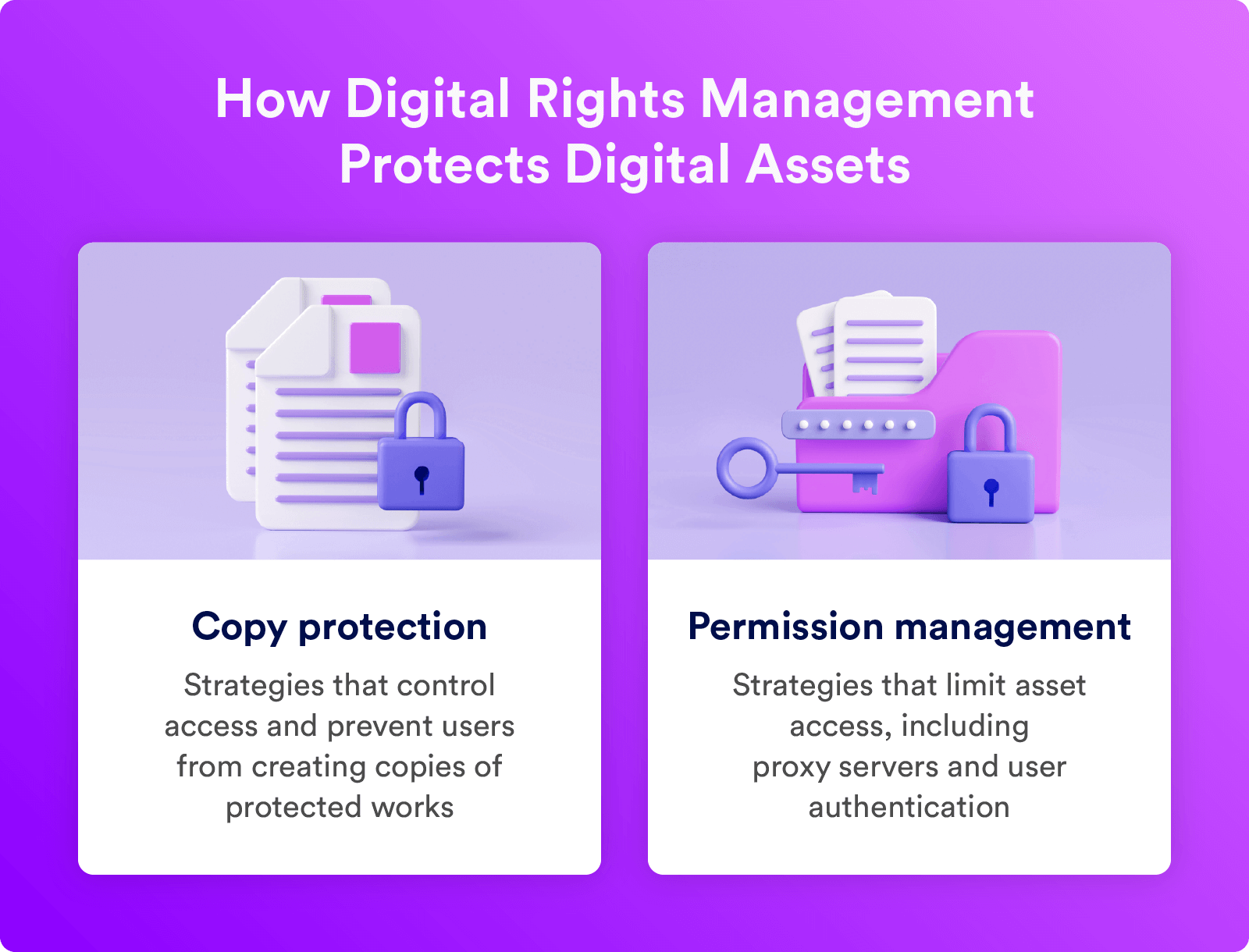
To ensure effective DRM security compliance, content owners and creators should implement the following strategies:
- Choose the Right DRM Solution**: Select a reputable and secure DRM solution that meets your content protection needs.
- Implement Access Controls**: Configure access controls to restrict who can access your digital content.
- Use Encryption and Watermarking**: Encrypt your digital content and add invisible watermarks to track its use and distribution.
- Establish Licensing Agreements**: Create and manage licensing agreements to ensure users comply with content usage policies.
Real-World Applications of DRM Security
DRM security is essential in various industries, including:
- Entertainment**: DRM security protects movies, TV shows, music, and other digital content from piracy and theft.
- E-learning**: DRM security ensures that educational content is securely accessed and used by students.
- Software Development**: DRM security protects software applications from unauthorized copying and distribution.
Conclusion
In conclusion, Digital Rights Management (DRM) security is a critical technology that protects digital content from unauthorized use, modification, and distribution. By understanding the key concepts, benefits, and strategies for compliance, content owners and creators can ensure effective DRM security and safeguard their intellectual property. As the digital landscape continues to evolve, DRM security will remain an essential component of content protection and revenue protection.