Nomophobia and its Effects on Work-Life Balance: Understanding the Mental Health Consequences
Nomophobia, the fear of being without a mobile phone, has become a significant concern in today's fast-paced technological world. This condition, also known as no mobile phone phobia, affects both individual well-being and organizational productivity. The impact of nomophobia on work-life balance is a topic of growing interest, with researchers and experts highlighting its negative effects on mental health. In this article, we will delve into the world of nomophobia, its effects on work-life balance, and the corresponding mental health implications.
What is Nomophobia?
Nomophobia, a term coined in the early 2000s, refers to the anxiety and distress people feel when they are away from their mobile phones. This phenomenon is a result of our increasing dependence on smartphones for social interaction, work efficiency, and everyday task management. The fear of being without a phone, nomophobia, can manifest in various ways, including a constant need to check notifications, excessive phone use, and feelings of panic when separated from one's phone.
Effects of Nomophobia on Work-Life Balance
Research has shown that nomophobia has a significant impact on work-life balance, leading to decreased productivity, increased stress levels, and a variety of mental health issues. When individuals are afraid of being without their phones, they may experience:
- Increased anxiety and stress levels
- Decreased productivity and efficiency at work
- Impaired relationships with family and friends
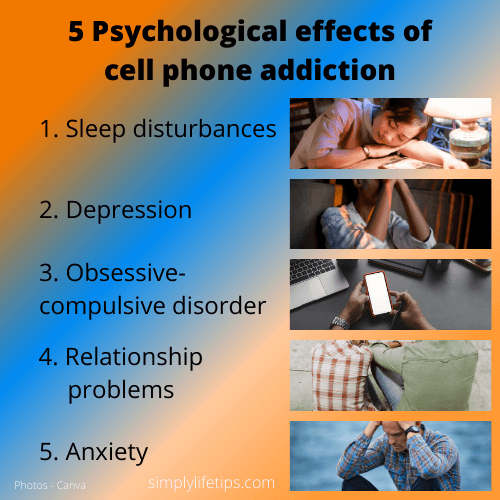
- Reduced sleep quality
- Increased risk of depression and anxiety disorders
The Consequences of Nomophobia on Mental Health
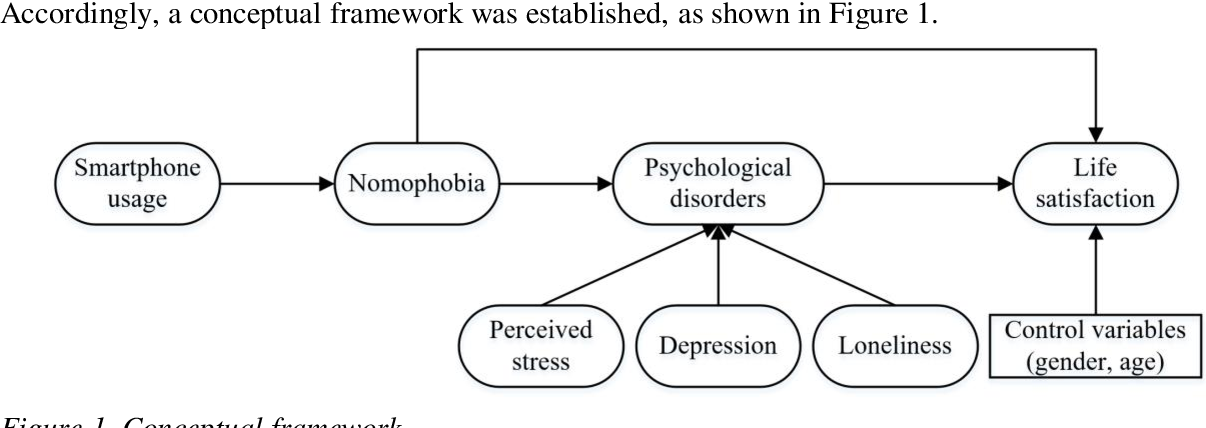
The effects of nomophobia on mental health are multifaceted and far-reaching. By disrupting cognitive and perceptual processes, nomophobia can contribute to conflicts between work and family domains, preventing individuals from identifying with organizational goals and values. Furthermore, nomophobia can lead to:
- Depression and anxiety disorders
- Sleep disturbances and reduced sleep quality
- Social isolation and reduced interpersonal relationships
- Decreased self-esteem and confidence

Breaking the Nomophobia Cycle
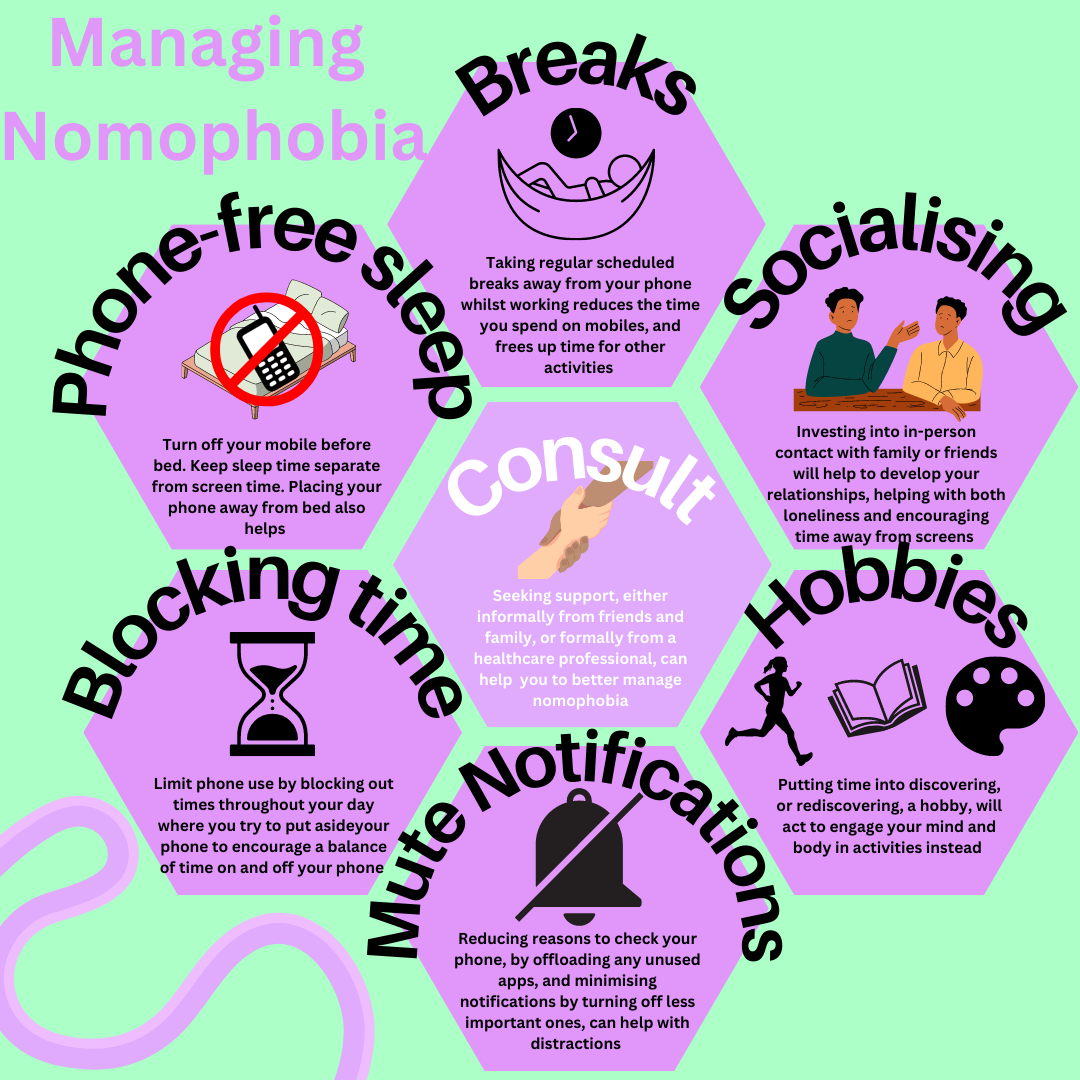
Fortunately, there are ways to overcome nomophobia and maintain a healthy balance between work and life. To break the nomophobia cycle, individuals can:
- Set boundaries and limits on phone use
- Engage in alternative activities and hobbies
- Practice mindfulness and meditation techniques
- Develop a support network and connect with others
- Seek professional help and counseling
Conclusion
Nomophobia is a growing concern in the modern world, with significant effects on work-life balance and mental health. By understanding the causes and consequences of nomophobia, individuals can take steps to break the nomophobia cycle and maintain a healthy balance between work and life. By prioritizing phone use, developing healthy habits, and seeking support, individuals can reduce the negative effects of nomophobia and lead a more balanced and fulfilled life.
References:
Here are some useful references to explore further:
- Yanqing, Lin, "How does Nomophobia Impact Life Satisfaction? Exploring the Mediating Effect of Psychological Disorders" (2019).
- Exploring the Interplay Between Nomophobia, Sleep Quality, and Quality of Life in the Digital Age (2025)
- Nomophobia and Its Effects on the Psychosocial and Physical Health of University Students (2025)